
Quick Summary: Discover why noise-cancelling headphones are a game-changer for your workouts. Learn how to choose the best pair for exercise, focusing on comfort, durability, and sweat resistance. This guide makes finding your perfect workout audio companion simple and stress-free, enhancing your focus and motivation.
Are you tired of your workout playlist being drowned out by gym chatter, traffic noise, or the whirring of machines? For many of us, music or podcasts are the secret sauce that powers us through a tough run, an intense gym session, or a long cycling commute. But what if that crucial sonic motivation is constantly being interrupted? Enter noise-cancelling headphones for exercise. These aren’t just about enjoying your tunes; they’re about creating your personal audio sanctuary, a dedicated space where only your chosen sounds exist. This focus can boost your performance, make your workouts more enjoyable, and even help you stay safer by filtering out distracting ambient noise. Let’s dive into why these headphones are becoming essential gear for fitness enthusiasts.
Why Noise-Cancelling Headphones are Your Workout’s Best Friend

When you’re pushing your limits, every bit of focus counts. Noise-cancelling technology actively works to reduce or eliminate external sounds, allowing you to immerse yourself completely in your audio. This isn’t just about better sound quality; it’s about creating an environment conducive to peak performance.
Enhance Your Focus and Motivation
External distractions are a workout killer. Annoying gym-goers chatting loudly, the clatter of weights, or the constant traffic noise outside can break your rhythm and reduce your motivation. Noise-cancelling headphones create a bubble of focus, letting you tune out the world and tune into your workout playlist or podcast. This deeper immersion can lead to longer, more effective training sessions. It’s like having a personal trainer in your ear, not just with your music, but by helping you maintain your mental state.
Improve Workout Safety
While it might seem counterintuitive, noise cancellation can actually improve safety, especially for outdoor activities. By minimizing extraneous sounds like distant traffic or construction, you can better focus on the crucial sounds that indicate potential hazards. Of course, it’s crucial to maintain some situational awareness, especially when running or cycling outdoors. Many noise-cancelling headphones offer ambient sound modes (more on that later!) that allow you to selectively hear your surroundings when needed, striking a perfect balance between immersion and safety. You can learn more about pedestrian safety tips from the National Highway Traffic Safety Administration (NHTSA).
Reduce Workout Fatigue
Constantly fighting against ambient noise to hear your audio can be surprisingly tiring. Your brain is working overtime to process both your music and the distracting sounds. By eliminating this auditory battle, noise-cancelling headphones can help reduce mental fatigue, allowing you to feel more energized throughout your entire workout. This means you can push harder for longer without feeling drained by external noise.
Key Features to Look For in Noise-Cancelling Headphones for Exercise

Not all noise-cancelling headphones are created equal, especially when it comes to workouts. You need a pair that can withstand your sweat, stay put during vigorous movement, and offer excellent noise cancellation. Here’s what to prioritize:
Active Noise Cancellation (ANC) Quality
This is the star of the show. ANC works by using microphones to pick up external sounds, and then generating an “anti-sound” wave that cancels them out. High-quality ANC will significantly reduce low-frequency sounds like engine hum, air conditioning, or treadmill noise. Look for headphones that offer adjustable ANC levels, allowing you to customize the noise-blocking intensity based on your environment and preference.
Comfort and Fit
This is paramount for any exercise. Headphones that are too heavy, too loose, or create pressure points will quickly become a distraction. Consider:
- Earbud vs. Over-Ear: Earbuds are generally lighter and more discreet, making them popular for running and high-impact activities. Over-ear headphones can offer superior noise isolation and a more immersive sound, but might be warmer and less ideal for intense cardio.
- Secure Fit: Look for features like ear fins, different-sized ear tips, or adjustable headbands designed to keep the headphones in place no matter how much you move.
- Material: Breathable materials for ear cups (if applicable) and comfortable silicone or memory foam ear tips are essential for long-wearing comfort, especially during sweaty sessions.
Durability and Sweat/Water Resistance
Exercise means sweat. Your headphones need to be able to handle it. Look for an IP (Ingress Protection) rating. This rating indicates how well a device is protected against solids (like dust) and liquids (like water). For exercise, you’ll want at least an IPX4 rating, which means it’s protected against splashes of water from any direction. Higher ratings (IPX5, IPX6, IPX7) offer even greater protection against sweat and even some submersion.
Understanding IP Ratings: A basic breakdown of IP ratings relevant to headphones:
- IPX4: Protected against splashes of water from any direction. Good for sweat and light rain.
- IPX5: Protected against low-pressure water jets from any direction. Better for intense sweat and moderate rain.
- IPX6: Protected against strong jets of water. Highly resistant to sweat and heavy rain.
- IPX7: Can be submerged in water up to 1 meter for 30 minutes. Excellent for intense sweat, heavy rain, and even accidental drops in water.
Battery Life
You don’t want your headphones dying mid-workout. Check the battery life, both for continuous playback and with noise cancellation activated. Many models offer quick charging features, which can be a lifesaver if you forget to charge them beforehand. A good rule of thumb is to aim for at least 6-8 hours of playback with ANC on for a full charge, with the ability to get a few more hours from a quick charge.
Connectivity and Controls
Bluetooth is standard. Ensure the version is recent (e.g., Bluetooth 5.0 or higher) for a stable connection and good range. Easy-to-use on-ear or inline controls are vital for adjusting volume, skipping tracks, and answering calls without fumbling. Touch controls are common on earbuds, while physical buttons can offer more tactile feedback, which some prefer during exercise.
Ambient Sound / Transparency Mode
This feature is incredibly important for safety and convenience. Ambient sound mode uses the headphone’s microphones to let in external sounds, allowing you to hear announcements, traffic, or conversation without pausing your music or removing your headphones. This is crucial for runners, cyclists, or anyone exercising in environments where awareness of their surroundings is key.
Types of Noise-Cancelling Headphones for Exercise

The form factor of your headphones can make a big difference in your workout experience. Here’s a look at the most common types:
True Wireless Earbuds (TWS)
These are completely wireless, with each earbud being a separate unit. They are extremely popular for exercise due to their small size, unobtrusive design, and freedom of movement. Most TWS earbuds come with a charging case, offering multiple recharges on the go.
Pros:
- Extremely portable and discreet.
- No wires to get tangled.
- Excellent for high-impact activities.
- Often come with various ear tip sizes for a secure fit.
Cons:
- Can be easier to lose than other types.
- Battery life per charge is typically shorter than over-ear models.
- Noise cancellation can be less powerful than in larger headphones.
Neckband Wireless Earbuds
These feature two earbuds connected by a flexible band that rests around your neck. The band often houses the battery, controls, and Bluetooth receiver.
Pros:
- Less likely to be lost than TWS.
- Often have longer battery life than TWS earbuds.
- Controls are usually easily accessible on the neckband.
Cons:
- The neckband can sometimes bounce or shift during intense movement.
- Less discreet than TWS.
On-Ear and Over-Ear Wireless Headphones
These are larger headphones that sit on or around your ears. While traditionally less popular for intense exercise due to bulk and heat, advancements in design have made some models surprisingly effective and comfortable for certain activities.
Pros:
- Can offer the most powerful Active Noise Cancellation.
- Superior sound quality and immersive listening experience.
- Often have longer battery life.
Cons:
- Can be bulky and less secure for high-impact activities.
- Can become hot and uncomfortable with prolonged wear during strenuous exercise.
- Not ideal for activities with a lot of head movement.
For most exercise scenarios, particularly running, cycling, and gym workouts, true wireless earbuds with a good secure fit and sweat resistance are usually the top choice. However, if your primary exercise involves less movement and you prioritize the best ANC and sound quality, a comfortable pair of on-ear or over-ear headphones could be suitable.
Step-by-Step Guide: Choosing Your Perfect Noise-Cancelling Workout Headphones

Ready to find the right pair? Follow these steps to make an informed decision:
Step 1: Determine Your Primary Workout Activity
Think about what you do most often. Are you a runner? A weightlifter? A cyclist? A yoga enthusiast? This will dictate the form factor and features that are most important to you. For example, a marathon runner might prioritize extreme comfort and long battery life, while a gym-goer might focus on sweat resistance and a secure fit for jumping and lifting.
Step 2: Prioritize Fit and Comfort
This cannot be stressed enough. Try to find headphones that offer:
- Multiple Ear Tip Sizes: For earbuds, this is crucial for creating a seal and preventing them from falling out.
- Secure Fit Mechanisms: Look for wingtips, ear hooks, or designs that nestle securely in your ear.
- Lightweight Design: Especially for earbuds, less weight means less bouncing and pressure.
If possible, try them on before you buy, or ensure the retailer has a good return policy if the fit isn’t right.
Step 3: Check the IP Rating
As discussed, aim for at least IPX4 for basic sweat and splash resistance. If you sweat profusely or often train in the rain, aim for IPX5 or higher. Always check the specifics of the rating – some manufacturers might use different standards or list them ambiguously.
Step 4: Evaluate Noise Cancellation Strength and Features
Read reviews specifically mentioning ANC performance during exercise. Does it effectively block gym noise? Does it have different ANC modes? Crucially, does it have a Transparency or Ambient Sound mode that you can easily activate without disrupting your workout?
Step 5: Consider Battery Life and Charging
How long do your typical workouts last? Add some buffer for unexpected extensions or if you forget to charge. A quick charge feature (e.g., 15 minutes of charging providing an hour of playback) can be a lifesaver. For TWS earbuds, check the total playtime with the charging case.
Step 6: Read Reviews and Compare Models
Once you know your key requirements, it’s time to research. Look for reputable tech review sites and user reviews on retail platforms. Pay attention to feedback regarding:
- Durability over time
- Connection stability
- Microphone quality (if you plan to take calls)
- Ease of use of controls
- Sound quality for your preferred music genres
Creating a simple comparison table can help you weigh the pros and cons of different models.
Putting it All Together: A Comparison Table Example
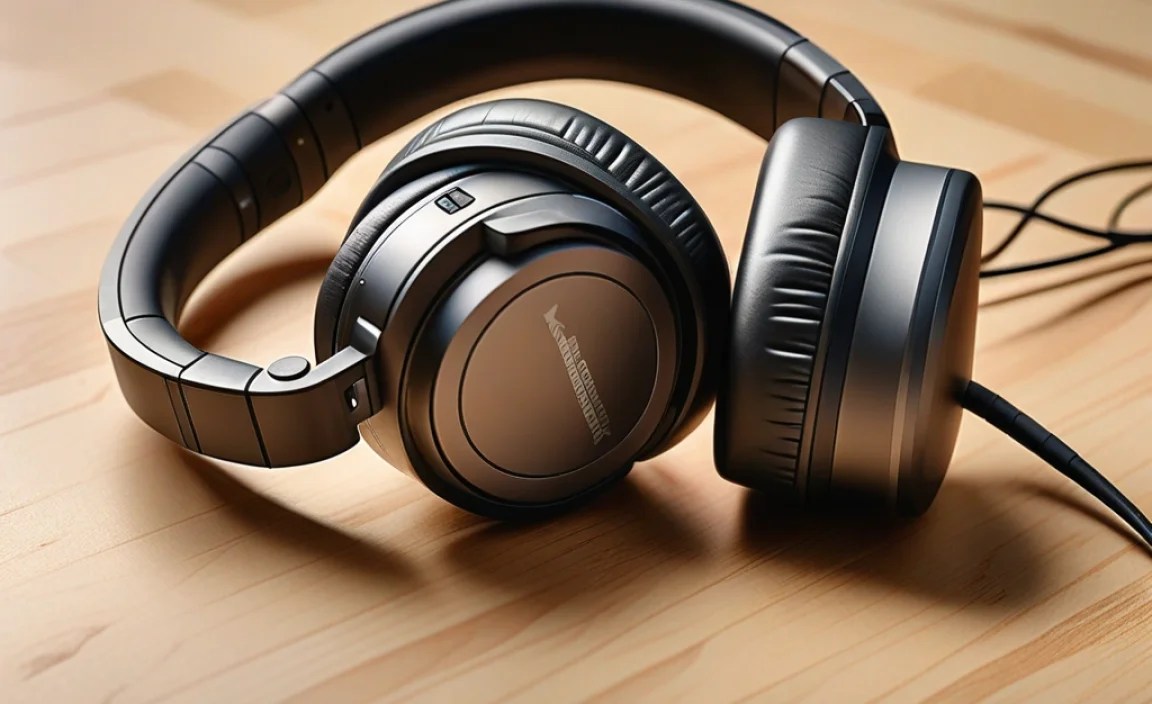
Let’s imagine you’re narrowing down your choices. Here’s how a comparison table might look for two hypothetical, but representative, models:
| Feature | Workout Warrior Buds Pro | Endurance ANC Elite |
|---|---|---|
| Type | True Wireless Earbuds | True Wireless Earbuds |
| ANC Quality | Good (Blocks general chatter, treadmill hum) | Excellent (Significantly reduces ambient noise) |
| IP Rating | IPX5 | IPX7 |
| Fit | Secure wingtips, multiple ear tips | Comfortable ear hooks, multiple ear tips |
| Battery Life (buds) | 7 hours | 8 hours |
| Total Battery Life (with case) | 28 hours | 32 hours |
| Ambient Sound Mode? | Yes | Yes (with adjustable levels) |
| Controls | Touch controls | Touch controls |
| Price | $$ | $$$ |
In this example, the “Endurance ANC Elite” offers slightly better battery life, a higher IP rating (making it more robust for very sweaty or wet conditions), and adjustable ambient sound. The “Workout Warrior Buds Pro” are a more budget-friendly option that still offers solid performance for most users. Your choice would depend on your budget and specific needs regarding water resistance and ANC refinement.
Maintaining Your Noise-Cancelling Exercise Headphones
To ensure your investment lasts and performs optimally, proper maintenance is key. Sweat, dirt, and improper handling can degrade performance and shorten lifespan.
Cleaning Your Headphones
It’s essential to clean your headphones regularly, especially after sweaty workouts.
- Ear Tips/Earbuds: For true wireless earbuds, remove the ear tips. Wipe down the earbuds with a slightly damp, lint-free cloth. Clean the ear tips separately with mild soap and water, then dry them thoroughly before reattaching. Ensure no moisture gets into the charging ports or speaker grilles.
- Headband/Ear Cups (Over/On-Ear): Use a dry or slightly damp cloth to wipe down the exterior. For fabric earcups, use a slightly damp cloth with a tiny bit of mild soap, then wipe with a clean damp cloth and air dry completely. For leather or pleather, use a dedicated cleaner or a slightly damp cloth.
- Charging Case: Wipe the exterior and interior of the charging case with a dry, lint-free cloth. Use a cotton swab lightly dampened with isopropyl alcohol to clean the charging contacts inside the case if they appear dirty (ensure the case is completely dry before placing earbuds back in).
Important: Never submerge your headphones or charging case in water unless their IP rating explicitly allows it and you’re following specific submersion guidelines. Always refer to the manufacturer’s care instructions.
Proper Storage
When not in use, store your headphones in their protective case. This shields them from dust, potential damage, and helps prevent accidental activation or battery drain.
Battery Care
Most modern lithium-ion batteries are quite resilient, but avoiding extreme temperatures (both hot and cold) will help preserve their lifespan. Don’t leave them in a hot car or direct sunlight for extended periods.
Frequently Asked Questions (FAQ)
Can I use regular noise-cancelling headphones for exercise?
While you can, it’s generally not recommended for intense or prolonged workouts. Regular noise-cancelling headphones may lack sweat and water resistance, have a less secure fit, and can be bulkier and warmer. Exercise-specific models are built to withstand the rigors of physical activity.
Does noise cancellation work well in a gym environment?
Yes, noise cancellation is particularly effective at reducing low-frequency, constant sounds like gym machinery (treadmills, ellipticals, ventilation systems) and general background chatter. This can create a more focused and immersive workout experience.
How important is the IPX rating for sports headphones?
Very important! The IPX rating (specifically the “X5” or higher) indicates the headphone’s ability to withstand sweat and moisture. Without an adequate IP rating, sweat can damage the internal components, leading to performance issues or complete failure.
Are over-ear noise-cancelling headphones good for running?
Generally, no. While they offer excellent ANC, over-ear headphones can be heavy, cause ears to overheat, and may slip during vigorous running. True wireless earbuds or secure-fit on-ear sport headphones are usually a better choice for running.
What is Transparency Mode and why do I need it for exercise?
Transparency Mode (or Ambient Sound Mode) uses microphones to let in external sounds while you’re wearing your headphones. This is crucial for safety when exercising outdoors, allowing you to hear approaching vehicles, cyclists, or other potential hazards. For gym-goers, it can be useful for hearing announcements or a quick word
