
Quick Summary: Protect your hearing while mowing the lawn with noise-cancelling headphones. They significantly reduce harmful noise levels from your mower, preventing long-term hearing damage and making yard work more comfortable. This guide explains why they’re essential and how to choose the best ones for your needs.
Noise Cancelling Headphones For Lawn Mowing: Your Essential Hearing Protection

Hey there, headphone enthusiasts and backyard warriors! Edward Cavitt here from headphonehorizon.com. Spending time in the yard can be incredibly rewarding, but that trusty lawn mower can do more than just trim your grass. It can also, over time, seriously damage your hearing. The good news? You don’t have to choose between a tidy lawn and healthy ears. Noise-cancelling headphones aren’t just for your commute or office; they’re a crucial piece of safety gear for anyone who fires up a mower. Let’s dive into why these headphones are a game-changer for lawn mowing and how to pick the perfect pair to keep your hearing safe and sound.
Why Lawn Mowing is a Hearing Hazard
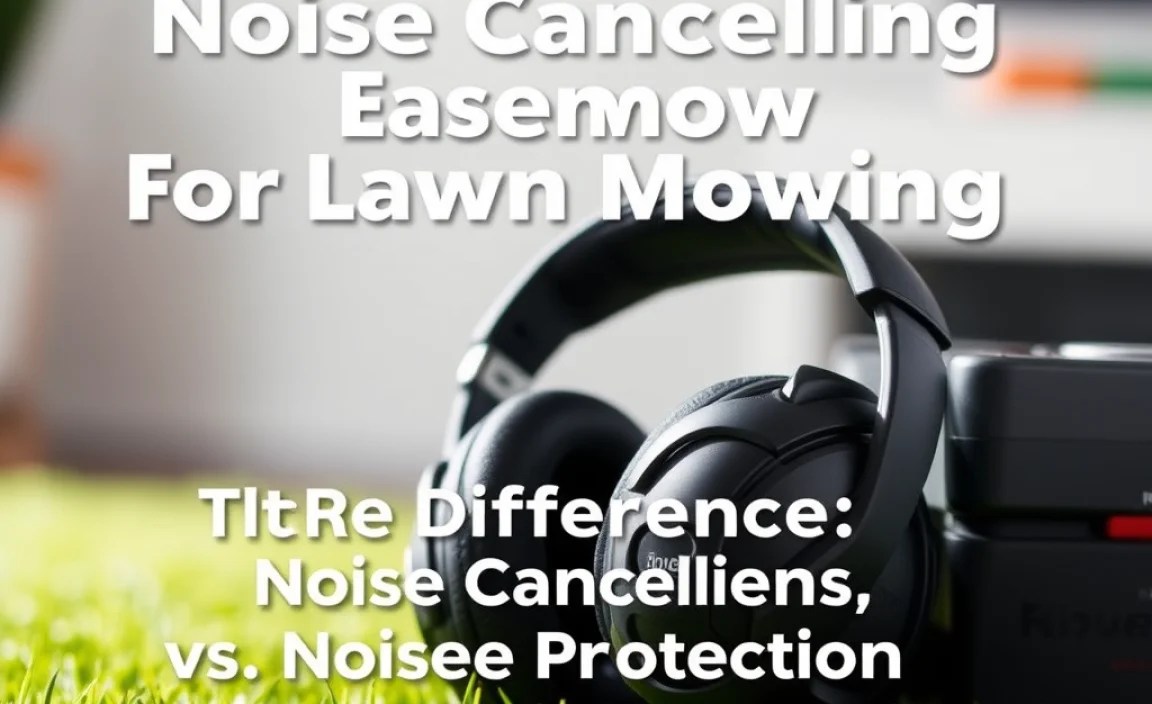
You know that roar your lawn mower makes? It’s more than just loud; it’s a potentially damaging level of noise. Prolonged exposure to decibel levels above 85 dB can permanently harm your hearing. And many lawn mowers, especially gas-powered ones, operate well above this threshold. Even push mowers can reach levels that, over time, lead to noise-induced hearing loss (NIHL). According to the National Institute on Deafness and Other Communication Disorders (NIDCD), prolonged exposure to loud sounds can damage the tiny hair cells in your inner ear, which are responsible for transmitting sound to your brain. Once these cells are damaged, they don’t grow back, leading to irreversible hearing loss.
Think about it: a typical conversation is around 60 dB, a normal office is about 50 dB, and a whisper is just 30 dB. A lawn mower often sits in the range of 90-105 dB, sometimes even higher! That’s like being constantly exposed to a rock concert right next to the speakers, but you’re doing it regularly in your own backyard.
The Difference: Noise Cancelling vs. Noise Isolating

Before we jump into choosing headphones, it’s important to understand two key terms: noise cancelling and noise isolating. While both help reduce sound, they do it in different ways.
- Noise Isolation: This is achieved through a good, snug physical seal. Think of earmuffs or well-fitting earbuds that physically block out external sound. They create a barrier.
- Active Noise Cancellation (ANC): This technology goes a step further. ANC headphones have microphones that detect ambient sound and then produce an opposite sound wave (“anti-noise”) to cancel it out. This is particularly effective at reducing constant, low-frequency sounds like engine hums – perfect for mowers!
For lawn mowing, you’ll benefit most from a combination of both. Over-ear headphones naturally offer good noise isolation due to their design, and when you add ANC, you get a powerful defense against that mower racket.
Why Noise Cancelling Headphones are Essential for Lawn Mowing

Using noise-cancelling headphones while mowing isn’t just about comfort; it’s about investing in your long-term health. Here’s why they are essential:
- Hearing Protection: This is the primary benefit. By significantly reducing the decibel level reaching your ears, they prevent the damage that can lead to tinnitus (ringing in the ears) and permanent hearing loss. The Occupational Safety and Health Administration (OSHA) has strict guidelines for workplace noise exposure, highlighting the serious risks associated with loud machinery.
- Reduced Fatigue: Constant exposure to loud noise is not only damaging but also incredibly tiring. It puts stress on your body and can leave you feeling drained. Quieter surroundings mean you can focus better and feel less fatigued after your mowing session.
- Improved Comfort and Enjoyment: Let’s face it, mowing isn’t always the most relaxing chore. But with the engine roar significantly dampened, you can enjoy the fresh air and the satisfaction of a job well done with less discomfort. Some people even find they can now listen to podcasts or music at a safe volume while they mow!
- Early Detection of Other Sounds: While you want to block out mower noise, you still need to be aware of your surroundings for safety. Quality ANC headphones allow you to still hear important sounds like children or pets calling out, or the approach of someone, without being overwhelmed by the mower’s drone. Many modern ANC headphones have adjustable transparency modes for this very reason.
Choosing the Right Noise Cancelling Headphones for Mowing
Not all noise-cancelling headphones are created equal, especially when it comes to outdoor power equipment. Here’s what to look for:
1. Noise Reduction Rating (NRR) or Attenuation
While ANC is great, a headphone’s passive noise reduction (how well it seals) is also critical. Look for headphones with a high Noise Reduction Rating (NRR). This rating, often found on industrial hearing protection, indicates how much sound the ear protection can reduce. For lawn mowing, aim for an NRR of 25 dB or higher. Some specialized hearing protection might even offer higher ratings. Even if a consumer headphone doesn’t explicitly state an NRR, a robust over-ear design will offer significant passive attenuation.
2. Comfort and Fit
You’ll be wearing these for potentially an hour or more. They need to be comfortable!
- Over-ear design: These generally offer better passive isolation and comfort for longer periods than in-ear models.
- Cushioning: Look for plush ear cups that fit snugly but not too tightly.
- Adjustable headband: This ensures a secure fit for different head sizes.
- Weight: Lighter headphones are generally more comfortable for extended wear.
You don’t want them slipping off or causing pressure points while you’re trying to navigate your yard.
3. Durability and Weather Resistance
Your headphones will be working outdoors. They might encounter a bit of sweat, dust, or even a light drizzle.
- Build Quality: Opt for sturdy materials that can withstand regular use.
- Sweat Resistance: Look for materials that can handle moisture.
- IP Rating: While not always common on ANC headphones, an IP rating (like IPX4 or higher) indicates a level of water and dust resistance.
It’s better to invest in a pair that’s built to last in outdoor conditions.
4. Battery Life
If you’re using ANC, battery life is crucial. You don’t want your headphones dying halfway through mowing. Look for models that offer at least 20-30 hours of battery life on a single charge, especially if you use ANC continuously.
5. Features
While the core function is noise cancellation, some extra features can be beneficial:
- Transparency/Ambient Sound Mode: This allows you to hear your surroundings without taking off your headphones. Essential for safety if you need to hear a child, pet, or car.
- Bluetooth Connectivity: If you want to listen to music or podcasts while mowing, dependable Bluetooth is a must.
- Interchangeable Cables: Some models allow you to switch to a wired connection, which can be useful if you forget to charge them.
Top Features to Prioritize for Lawn Mowing Headphones
Let’s break down the most important features into a handy table to help you compare:
| Feature | Why It’s Important for Mowing | What to Look For |
|---|---|---|
| Active Noise Cancellation (ANC) | Effectively cancels out the constant drone of mower engines, significantly reducing harmful noise exposure. | Strong, consistent ANC performance, especially in lower frequencies. |
| Comfortable Fit (Over-Ear) | For extended wear without discomfort or pressure; creates a good seal for passive isolation. | Plush earcups, adjustable headband, lightweight design. |
| Durability & Sweat Resistance | Withstands outdoor use, dust, and sweat without damage. | Sturdy build, moisture-resistant materials. Look for IP ratings if possible. |
| Battery Life | Ensures uninterrupted protection and listening for the duration of your mowing task. | At least 20-30 hours of playback with ANC enabled. |
| Transparency Mode | Allows you to hear crucial safety sounds (e.g., people, vehicles) without removing headphones. | Adjustable levels for ambient sound, easy to activate. |
| High NRR (if applicable) | Provides a direct measure of noise reduction, crucial for hearing safety. | Aim for 25 dB or higher. (Note: Consumer headphones may not always list this). |
Steps to Using Your Noise Cancelling Headphones for Mowing
Getting started is simple! Here’s a quick guide:
- Charge Them Up: Before you head out, ensure your headphones are fully charged. Check your user manual for charging times and indicators.
- Perform a Fit Check: Put them on. Adjust the headband so they sit comfortably on your head. The earcups should form a good seal around your ears. If they feel too tight or too loose, adjust them. A proper fit is key not only for comfort but also for maximizing passive noise reduction.
- Turn On ANC: Power on your headphones and activate the Active Noise Cancellation feature. You should immediately notice a significant reduction in ambient background noise.
- Test Transparency Mode (If Applicable): If your headphones have ambient sound or transparency mode, test it out. You should be able to hear someone speaking to you or other important environmental cues without the overwhelming drone of the unmuffled world.
- Start Your Mower: Now, put on your headphones and start your lawn mower.
- Adjust Volume (If Listening to Audio): If you’re listening to music or podcasts, keep the volume at a safe level. You should still be able to hear your surroundings at a moderate level, especially if using transparency mode. The goal is to protect your hearing, not to blast your eardrums with music. A good rule of thumb is the “60/60 rule” when listening to audio: listen at no more than 60% of the maximum volume for no more than 60 minutes at a time.
- Be Aware of Your Surroundings: Even with ANC, always remain aware of your environment. Never rely solely on your headphones for safety alerts. Keep an eye and ear out for children, pets, uneven terrain, or other hazards.
- Power Off When Done: Once you’ve finished mowing, turn off your headphones. It’s always a good idea to give your ears a break from any kind of headphone wear after prolonged use, even with noise cancellation.
Recommended Types of Headphones
While specific model recommendations can quickly become outdated, we can talk about categories that tend to work well:
- Industrial-Grade Hearing Protection with Bluetooth: These are designed from the ground up for noisy environments. Many brands offer earmuffs with excellent noise reduction (high NRR) and integrated Bluetooth for calls and music. They might not be as sleek as consumer headphones, but they prioritize protection.
- Consumer ANC Over-Ear Headphones: High-end consumer ANC headphones (from brands like Bose, Sony, etc.) offer superb noise cancellation and often good comfort. Their main downside might be a lack of explicit NRR rating and potentially less rugged build for extreme outdoor conditions, but they can still provide excellent protection and an enjoyable mowing experience, especially if used carefully.
- DIY “Quiet Box” Methods (with caution): For the truly adventurous, some people create custom enclosures or modify existing headphones. However, this is highly experimental and not recommended for guaranteed safety. Stick to reputable products designed for hearing protection.
Consider Noise-Isolating Earplugs as a Backup or Alternative
While noise-cancelling headphones are fantastic, don’t discount simple, effective noise-isolating earplugs. High-fidelity earplugs designed for musicians are excellent for reducing sound levels evenly without muffling everything, allowing you to still hear important sounds. For pure noise reduction, standard foam earplugs can offer very high NRR. Some people even wear earplugs under ANC headphones for an extra layer of protection, though this can sometimes be uncomfortable or reduce situational awareness.
According to the Centers for Disease Control and Prevention (CDC), both passive hearing protectors (like earplugs and earmuffs) and active protectors (like ANC headphones) are effective when used correctly. The key is consistent use and achieving an adequate level of noise reduction.
| Type of Protection | Pros | Cons | Best For |
|---|---|---|---|
| Noise Cancelling Over-Ear Headphones | Excellent at blocking low-frequency noise, comfortable for long wear, can play music/podcasts, often have transparency modes. | Can be bulky, battery life dependent, might not have an explicit NRR. | Users who want to listen to audio while mowing, maximum comfort, and good overall noise reduction. |
| Industrial Hearing Protection (with Bluetooth) | High NRR, designed for ruggedness and maximum noise reduction. Often very durable. | Can be less comfortable for some, bulkier, may not have the same audio quality for music as consumer headphones. | Users prioritizing maximum hearing safety above all else, frequent users of loud machinery. |
| High-Quality Noise Isolating Earplugs | Compact, affordable, very effective passive reduction, doesn’t require batteries. | Can be fiddly to insert correctly, may muffle sound unevenly, not ideal for listening to audio, can get lost easily. | Users who prefer a discreet solution, those on a budget, or as a backup. |
Frequently Asked Questions (FAQ)
Can I just use any noise-cancelling headphones for lawn mowing?
While any well-fitting noise-cancelling headphones will offer some benefit, it’s best to choose ones that are specifically designed for durability or have a high level of noise reduction. Over-ear models with good passive isolation combined with strong ANC are ideal. Consumer-grade headphones might not withstand the dust and sweat of yard work as well as industrial-rated protection.
How loud is a lawn mower, really?
The noise level of a lawn mower can vary greatly depending on the type and model. A typical gas-powered push mower can produce around 90-105 decibels (dB), while riding mowers can be even louder. For reference, sustained exposure to sounds above 85 dB can cause permanent hearing damage. You can find more details on noise levels from various sources, such as the American Speech-Language-Hearing Association.
Do I need noise-cancelling headphones, or will earplugs do?
Earplugs can be very effective and offer a high Noise Reduction Rating (NRR), especially foam earplugs. However, noise-cancelling headphones offer an added layer of active cancellation which is particularly good at reducing the constant, low-frequency hum of an engine. For maximum protection and comfort, especially if you want to listen to audio, ANC headphones are often preferred, but high-quality earplugs are a solid, budget-friendly alternative.
How do I know if my headphones are protecting my hearing well enough?
Look for a high Noise Reduction Rating (NRR) if available, which is common on industrial hearing protection. For consumer ANC headphones, rely on reputable reviews that discuss their effectiveness in blocking low-frequency sounds and the overall sound isolation they provide. A good seal around your ears, combined with effective ANC, is key. Your ears shouldn’t feel “ringy” or overloaded with noise after mowing with them on.
What about safety? Can I still hear my kids or pets?
This is a crucial point. While you want to block mower noise, you need to remain aware of your surroundings. Look for headphones with a “transparency mode” or “ambient sound mode.” These features use external microphones to pipe in important environmental sounds, so you can hear people calling out or other alerts without removing your headphones. Always practice good situational awareness regardless of your hearing protection.
How do I clean and maintain my noise-cancelling headphones for outdoor use?
After mowing, wipe down the earcups and headband with a slightly damp cloth. For tougher grime, you can use a mild soap and water solution, but be careful not to get moisture into the speaker drivers or charging ports. Ensure they are completely dry before storing them. Many earcups are removable and can be washed more thoroughly (check your manual!). Regular cleaning prevents sweat and dirt buildup and prolongs the life of your headphones.
