
Quick Summary: Discover how noise-cancelling headphones can transform your lawn mowing experience by reducing dangerous noise, protecting your hearing, and making yard work more enjoyable. This guide covers essential features, top picks, and usage tips for beginners.
Noise Cancelling Headphones For Mowing: Your Essential Guide to a Quieter Lawn
Hey there, fellow lawn care enthusiasts! Edward Cavitt here from Headphone Horizon, your go-to spot for making sense of all things audio. Ever find yourself battling the roar of the mower, only to end up with a ringing in your ears and a general sense of exhaustion? You’re not alone! The sheer volume produced by a lawnmower can be surprisingly detrimental to your hearing over time. But what if I told you there’s a way to make that weekly chore a lot more pleasant and a lot less punishing on your ears? That’s where noise-cancelling headphones come in. They’re not just for your commute or the office; they can be an absolute game-changer for anyone who spends time taming their turf. Let’s dive into how you can find the perfect pair to make your mowing sessions safer and more peaceful.
Why You Need Noise Cancelling Headphones For Mowing

Before we get into the nitty-gritty of choosing headphones, let’s talk about why this is such an important consideration for anyone who mows their lawn. Those powerful engines aren’t just loud; they’re potentially damaging. Extended exposure to noise levels commonly found with lawnmowers can lead to permanent hearing loss. The Occupational Safety and Health Administration (OSHA) suggests that prolonged exposure to noise above 85 decibels (dB) can cause significant damage. A typical lawnmower can easily produce sounds ranging from 90 dB to over 100 dB! This is why hearing protection isn’t just a nice-to-have; it’s essential.
Noise-cancelling headphones, particularly those with Active Noise Cancellation (ANC), go a step beyond standard earplugs. While passive noise isolation physically blocks sound, ANC uses microphones to detect ambient noise and then generates an inverse sound wave to cancel it out, effectively silencing low-frequency sounds like that persistent mower hum. This not only protects your hearing but also makes the entire experience less fatiguing, allowing you to focus on the task at hand without that overwhelming auditory assault. Plus, if you enjoy listening to podcasts or music while you work, ANC can make that experience much clearer and more enjoyable, even against the backdrop of engine noise.
Understanding Noise Cancellation: Active vs. Passive
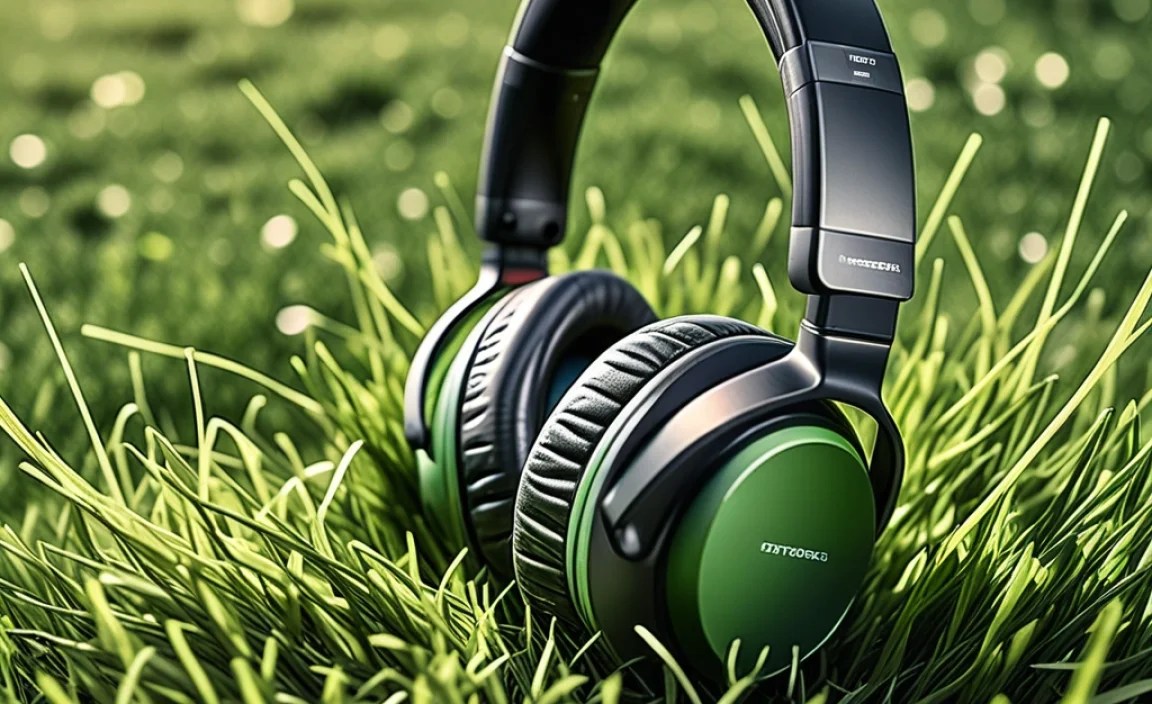
It’s crucial to understand the two main ways headphones reduce external noise, as both play a role in effective hearing protection for mowing:
- Passive Noise Isolation: This is the simplest form of noise reduction. It relies on the physical design of the headphones to create a seal around your ears, blocking sound waves from reaching your eardrums. Think of it like wearing earmuffs. Over-ear headphones generally offer better passive isolation than in-ear models because they can cover more surface area. The materials used in the earcups (like memory foam) and how snugly they fit also contribute significantly to passive isolation.
- Active Noise Cancellation (ANC): This is the more advanced technology. ANC headphones have tiny microphones on the outside that pick up environmental sounds. A specialized chip inside the headphones then creates an opposite sound wave to cancel out that noise. It’s particularly effective at reducing consistent, low-frequency sounds like engine hums, air conditioners, and, yes, lawnmower engines. ANC is a key feature to look for if your primary goal is to minimize the drone of your mower.
For mowing, a combination of good passive isolation and effective ANC is ideal. The passive isolation will help block out higher-frequency sounds and any incidental noises, while the ANC will tackle that dominant engine rumble.
Key Features to Look For in Mowing Headphones

Not all noise-cancelling headphones are created equal, and some are better suited for the demanding environment of lawn care than others. Here are the essential features to consider:
1. Durability and Build Quality
Your headphones will be exposed to the elements: sun, sweat, and maybe even a bit of dirt or grass clippings. Look for headphones constructed with robust materials that can withstand these conditions. Water resistance (IP ratings) is a big plus, as it will protect against sweat and light rain. High-quality plastics and sturdy hinges mean your investment will last longer.
2. Comfort for Extended Wear
Mowing the lawn can take a while, so comfort is paramount. Over-ear headphones are generally preferred for noise cancellation and comfort during long use. Ensure the earcups are plush and deep enough to not press on your ears. The headband should have sufficient padding and be adjustable. Lightweight designs are also a bonus, reducing neck strain.
3. Effective Noise Cancellation (ANC)
As discussed, ANC is crucial. For mowing, you’ll want headphones with strong ANC capabilities, especially for low-frequency sounds. Read reviews specifically mentioning ANC performance in noisy environments to gauge their effectiveness against engine noise.
4. Battery Life
You don’t want your headphones dying halfway through your yard work. Look for models that offer at least 20-30 hours of playback with ANC enabled. For very long mowing sessions or if you forget to charge, consider models with quick charging capabilities or a wired option as a backup.
5. Sound Quality (If You Plan to Listen to Audio)
If your goal is solely hearing protection, sound quality might be secondary. However, if you plan to listen to music, podcasts, or audiobooks while you mow, you’ll want a pair that delivers clear audio, even with ANC engaged. Look for balanced sound profiles that aren’t overly bass-heavy, as this can sometimes interfere with speech clarity.
6. Safety Features
This might seem counterintuitive for headphones, but consider features like a transparency mode. This mode allows you to hear your surroundings (like a child or pet nearby) without taking off your headphones. While ANC is great for drowning out the mower’s drone, you still need to be aware of your environment for safety.
7. Wired Option (Optional but Recommended)
While wireless is convenient, a headphone jack can be a lifesaver. If your wireless headphones die, you can still plug them in with a cable and continue to benefit from passive noise isolation, or even active noise cancellation if the headphones can operate in wired mode with ANC activated. Some ANC headphones may require power for ANC even when wired, so check the specifications. For purely hearing protection, even passive isolation is better than nothing.
Top Noise Cancelling Headphones for Mowing: Recommendations

Finding the perfect pair can feel overwhelming, so here are a few highly-regarded options that tend to perform well in noisy conditions and offer great comfort and durability. These are generally over-ear models, as they provide superior passive isolation and comfort for extended wear.
| Headphone Model | Key Features for Mowing | Pros | Cons |
|---|---|---|---|
| Sony WH-1000XM5 | Industry-leading ANC, comfortable design, excellent battery life (30 hours with ANC), good passive isolation. | Superb noise cancellation, very comfortable, great for music and calls, long battery. | Premium price, not explicitly water-resistant, ANC can’t be used in passive wired mode without power. |
| Bose QuietComfort Ultra Headphones | Exceptional ANC, comfortable “barely there” feel, 24-hour battery life, effective on low-frequency drones. | World-class noise cancellation, supreme comfort, clear audio quality. | Can be pricey, battery life slightly less than Sony, not rated for water resistance. |
| Sennheiser Momentum 4 Wireless | Excellent ANC performance, remarkable battery life (up to 60 hours with ANC), comfortable fit, good passive isolation. | Longest battery life in class, very effective ANC, superior sound quality for music enthusiasts. | Design might be less premium than rivals for some, less compact when folded. |
| Anker Soundcore Life Q20+ | Hybrid ANC (good for engine noise), affordable, durable build, 40-hour battery life with ANC, decent comfort. | Great value for money, strong ANC for the price, long battery, robust design suitable for outdoor work. | Sound quality is good but not audiophile-level, comfort is decent but not top-tier for very long sessions. |
| Bose Noise Cancelling Headphones 700 | Impressive ANC, comfortable, sleek design, good battery life (20 hours with ANC), has an “aware” mode for safety. | Excellent ANC, comfortable for long periods, great for calls, modern look. | Higher price point, battery life is good but not class-leading, no 3.5mm jack on some versions (check specs closely). |
Note: Always check the latest specifications and user reviews for the most current performance insights. While none of these are explicitly designed for mowing, their robust ANC and comfort make them excellent choices.
How to Use Noise Cancelling Headphones Safely While Mowing

Using headphones while operating machinery requires a mindful approach to safety. Here’s how to do it right:
- Charge Them Up: Ensure your headphones are fully charged before you head out. A dead battery means no ANC and potentially no audio, leaving you exposed to the full mower noise.
- Test the Fit: Before you start mowing, put them on and wear them for a few minutes. Make sure they create a good seal and are comfortable. Adjust the headband as needed.
- Activate ANC: Turn on the noise cancellation feature. You should immediately notice a significant reduction in ambient noise, especially that low drone of the engine.
- Consider Transparency Mode: If your headphones have a transparency or ambient aware mode, learn how to activate it quickly. This is vital for hearing important sounds like children, pets, or approaching vehicles that you might not see coming.
- Keep Volume Reasonable: If you’re listening to audio, keep the volume at a level where you can still faintly hear your immediate surroundings. The goal is to enhance your experience and protect your hearing, not to completely isolate yourself from reality. A good rule of thumb is to keep it at or below 70% of maximum volume when ANC is on.
- Be Aware of Your Surroundings: Even with transparency mode, always remain vigilant. Headphones can reduce your situational awareness. Periodically take a break from audio or deactivate ANC to do a full sweep of your surroundings.
- Check for Hazards: Be extra cautious when moving around obstacles, on slopes, or near driveways. Don’t let the audio distract you from the physical demands and potential dangers of mowing.
- Take Breaks: For very long mowing sessions, give your ears and your head a break. Remove the headphones periodically to let your ears rest and to re-orient yourself with your environment.
Maintaining Your Noise Cancelling Headphones for Outdoor Use
Yard work can be tough on electronics. To keep your new headphones in tip-top shape, follow these maintenance tips:
-
- Wipe Them Down: After each use, wipe the earcups and exterior with a dry or slightly damp cloth to remove sweat, dirt, and any grass clippings.
- Clean Earcups: Over time, earpads can accumulate sweat and earwax. Most are removable and can be gently cleaned with a mild soap and water solution (ensure they are completely dry before reattaching).
- Store Safely: When not in use, store your headphones in their protective carrying case. This shields them from dust, accidental bumps, and prolonged sun exposure, which can degrade plastics and leatherette.
- Avoid Extreme Conditions: While some headphones have decent water resistance, it’s best to avoid using them in heavy rain or extremely dusty environments if possible. Allow them to air dry completely if they get damp before storing or charging.
- Check Cables and Connectors: If you use a wired connection, periodically inspect the cable and the headphone jack for any signs of damage or corrosion. Keep connectors clean.
The Health Benefits of Protecting Your Hearing
It’s worth reiterating the health implications of prolonged noise exposure. Beyond the obvious risk of permanent hearing loss, excessive noise can contribute to other issues:
-
-
- Tinnitus: This is the perception of ringing or buzzing in the ears, often triggered or worsened by noise exposure. It can range from a mild annoyance to a debilitating condition.
- Fatigue: Constantly processing loud noises, even subconsciously, can be mentally exhausting. Reduced noise exposure can lead to feeling less drained after yard work.
- Stress and Irritability: Loud, intrusive noises can elevate stress levels. Quieting the environment can promote a calmer state of mind, making the chore more enjoyable.
-
According to the National Institute on Deafness and Other Communication Disorders (NIDCD), noise-induced hearing loss is almost entirely preventable. Investing in good noise-cancelling headphones is a proactive step towards preserving your hearing health for years to come.
Frequently Asked Questions About Noise Cancelling Headphones for Mowing
Here are some common questions beginners might have:
Q1: Can any noise-cancelling headphones work for mowing, or do I need special ones?
A1: You don’t necessarily need headphones specifically marketed for mowing. However, you’ll want over-ear headphones with strong Active Noise Cancellation (ANC) and good passive isolation. Durability and comfort for extended use are also key considerations. Models designed for travel or general noisy environments often perform very well for mowing.
Q2: Will I be completely deaf to my surroundings if I use noise-cancelling headphones?
A2: With ANC on and no audio playing, you’ll hear significantly less of your environment, especially the constant drone of the mower. However, you’ll likely still be able to hear sudden, loud noises (like a loud shout or a car horn). It’s crucial to use transparency mode or remove your headphones periodically to stay aware. Never rely solely on your headphones for awareness.
Q3: Do I really need ANC, or is basic noise isolation enough?
A3: Basic noise isolation (like from good earmuffs or well-fitting headphones) will help, but ANC makes a significant difference against the consistent low-frequency hum of a lawnmower. For the best protection and most comfortable experience, ANC is highly recommended.
Q4: Can I use in-ear earbuds with noise cancellation for mowing?
A4: Some true wireless earbuds offer ANC, but they generally provide less passive isolation compared to over-ear models. They might not be as comfortable for long periods, and their ANC might not be as powerful against engine noise. Over-ear headphones are typically the superior choice for mowing.
Q5: What kind of battery life do I need?
A5: Aim for headphones that offer at least 20-30 hours of battery life with ANC activated if you plan to use them for multiple mowing sessions between charges. If you have a very large yard or mow frequently, look for even longer battery life (like the Sennheiser Momentum 4’s 60 hours) or quick-charging features.
Q6: Are noise-cancelling headphones safe to wear in hot weather?
A6: Over-ear headphones can get warm in hot weather, which might affect comfort. Look for models with breathable earcups or consider taking more frequent breaks. While they can trap heat, the benefit of hearing protection and reduced fatigue often outweighs the slight discomfort for many users.
Q7: Can I still use my headphones if they run out of battery while I’m mowing?
A7: Many ANC headphones can still function as passive noise isolators (or even with ANC if they have wired power) when their battery dies, provided they have a 3.5mm audio jack and you have a compatible cable. This is a great backup for hearing protection even without audio playback.
Conclusion
Taking care of your hearing is just as important as taking care of your lawn. Investing in a good pair of noise-cancelling headphones for mowing is a smart move that pays dividends in comfort, safety, and long-term health. By understanding the technology, knowing what features to look for, and using them responsibly, you can transform a noisy, potentially harmful chore into a more peaceful and enjoyable part of your week. Whether you’re blasting your favorite tunes or just enjoying the quiet hum of effective ANC, your ears will thank you for it. So, gear up with the right headphones, and get ready to experience a whole new level of lawn care serenity. Happy mowing!
