
Discover how noise cancelling headphones can transform your noisy office into a focused workspace. Learn what to look for, how they work, and choose the best pair to boost productivity and reduce distractions for a calmer, more efficient workday.
Noise Cancelling Headphones for a Noisy Office: Your Essential Guide to Finding Focus

Hey there! Edward Cavitt here from headphonehorizon. Is your office a symphony of keyboard clicks, chattering colleagues, and the ever-present hum of machinery? If so, you’re probably finding it tough to concentrate on your tasks.
The good news is, you don’t have to suffer through the daily din. Noise cancelling headphones are your secret weapon for reclaiming your peace and supercharging your productivity. In this guide, we’ll break down everything you need to know to find the perfect pair that will transform your noisy office into a haven of focus.
Why Even Bother with Noise Cancelling Headphones in an Office?

Let’s face it, open-plan offices and shared workspaces are great for collaboration, but they can be major productivity killers. Constant background noise, even at low levels, can fragment your attention, increase stress, and make it harder to get into a deep work state.
Studies have shown that speech-based distractions are particularly disruptive to cognitive tasks. Noise cancelling technology is designed to combat exactly this. By actively reducing ambient sound, these headphones create a personal audio sanctuary, allowing you to:
- Concentrate better on complex tasks.
- Reduce stress and mental fatigue.
- Improve the quality of your work.
- Enjoy a more pleasant work experience overall.
Think of them as an investment in your focus and well-being. They’re not just for music lovers; they’re essential tools for anyone battling a distracting work environment.
How Does Noise Cancellation Actually Work?
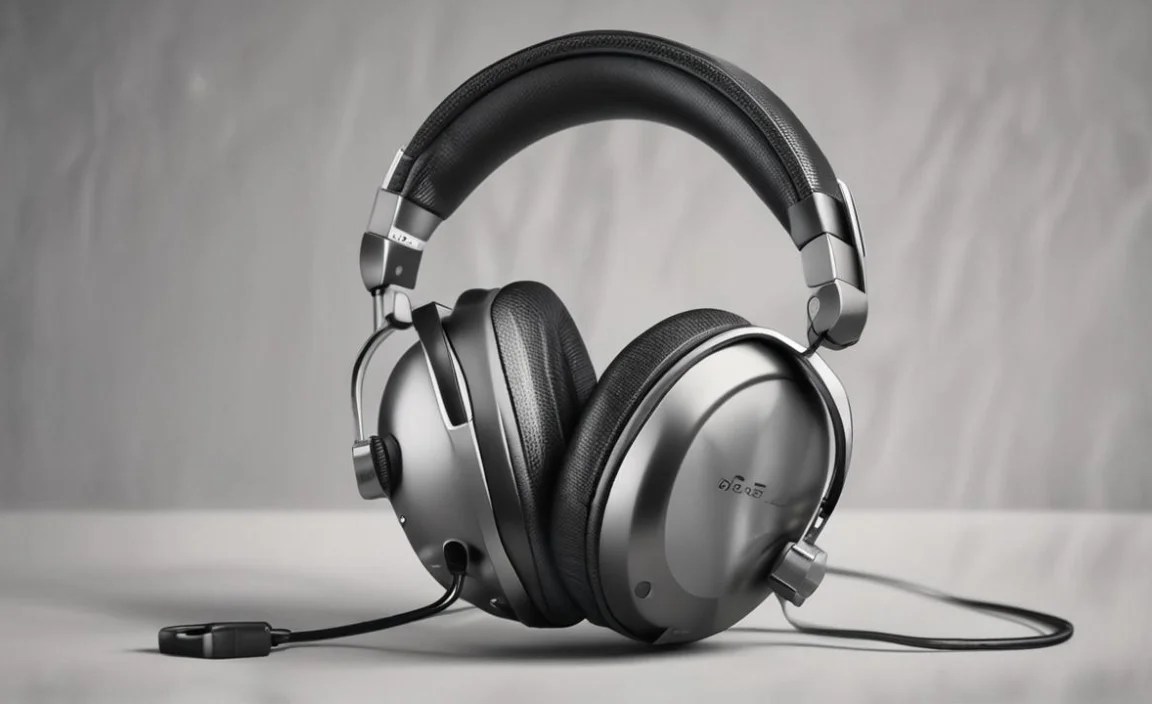
It sounds like magic, but it’s actually a clever bit of science! There are two main types of noise cancellation you’ll encounter:
1. Passive Noise Isolation (or Noise Blocking)
This is the simpler, more straightforward method. It relies on the physical design of the headphones to create a seal around your ears. Think of bulky earmuffs – they block out a lot of sound just by being there. Materials like dense foam, plush earcups, and a snug fit contribute to good passive isolation. It’s effective for blocking out higher-frequency sounds like voices and co-worker chatter.
2. Active Noise Cancellation (ANC)
This is where the “magic” happens. ANC uses tiny microphones built into the headphones to detect ambient sounds. Then, the headphones generate an “anti-noise” soundwave that is the exact opposite of the incoming noise.
When these two soundwaves meet, they cancel each other out, reducing the noise reaching your ears. It’s particularly good at cancelling out consistent, low-frequency sounds like airplane engines, air conditioning hums, or the general drone of a busy office.
Most modern noise cancelling headphones use a combination of both passive isolation and active noise cancellation to offer the best all-around quiet. For an office environment, a good balance is key.
Key Features to Look For in Office Noise Cancelling Headphones

When you’re shopping, keep an eye out for these essential features that make headphones perfect for office use:
- Effective ANC: This is paramount. Look for headphones specifically praised for their ANC performance in reviews, especially for mid-to-high frequency noise.
- Comfort for Long Wear: You’ll be wearing these for hours. Ensure they have plush earcups, an adjustable headband, and aren’t too heavy. Over-ear designs generally offer better comfort and isolation than on-ear or in-ear models for extended use.
- Sound Quality (for Music & Calls): While noise cancellation is the star, you still want your music to sound good and your calls to be clear. Look for balanced audio reproduction.
- Microphone Quality: If you take a lot of calls or attend virtual meetings, a good built-in microphone is crucial for clear communication. Features like beamforming microphones can help isolate your voice.
- Battery Life: A long-lasting battery is a must for a full workday. Aim for at least 20-30 hours of ANC playback on a single charge. Fast charging is a bonus.
- Transparency Mode (Ambient Sound Mode): This feature allows you to hear your surroundings without taking off your headphones. It’s super useful for brief conversations with colleagues, listening for announcements, or staying aware of your environment.
- Connectivity Options: Bluetooth is standard, but multi-point connectivity (connecting to two devices simultaneously, like your laptop and phone) can be a lifesaver for seamlessly switching between work and personal devices.
- Durability & Build Quality: You want headphones that can withstand daily use. A sturdy build with quality materials is important.
- Portability (Optional): If you travel or move between meeting rooms, a foldable design and a carrying case are beneficial.
Understanding Different Types of Noise Cancelling Headphones

Headphones come in various styles, each with its own pros and cons for office use:
Over-Ear Headphones
These headphones completely enclose your ears. They generally offer the best passive isolation and the most comfortable fit for long listening sessions. ANC performance is usually top-notch here. They can sometimes be a bit bulky, but for dedicated office work, they’re often the preferred choice.
On-Ear Headphones
These rest on your ears, not around them. They can be more compact than over-ear models but might not offer as much passive isolation or long-term comfort for some users. ANC can still be very effective, but the seal around the ear is less critical than with over-ear designs.
In-Ear Headphones (Earbuds)
These fit directly into your ear canal. True wireless earbuds are incredibly portable and discreet. For noise cancellation, in-ear models rely heavily on a good seal within the ear. ANC can be surprisingly effective, especially with custom-fit ear tips, but comfort for extended periods can be hit-or-miss depending on the individual.
Top Noise Cancelling Headphones for the Office (Examples & Considerations)
While specific models change, here are some categories and well-regarded brands that consistently deliver excellent noise cancelling headphones suitable for office environments:
Premium ANC Leaders
Brands like Sony and Bose are often at the forefront of ANC technology. Their flagship models tend to offer the most advanced noise cancellation algorithms and industry-leading features. These are often best for those who need the absolute quietest experience.
Mid-Range Excellence
Many other brands offer compelling options that balance performance and price. Look at options from Sennheiser, Jabra, or Audio-Technica. Sometimes, a slightly older model from a premium brand can offer fantastic value.
Budget-Friendly Options
Don’t have a king’s ransom to spend? Brands like Anker (Soundcore) and others offer surprisingly capable noise cancelling headphones at a more accessible price point. While they might not completely match the top-tier ANC, they can still make a significant difference in a noisy office.
Important Note: Always check recent reviews! The headphone market moves fast, and great new models are released regularly. Look for reviews specifically mentioning office use or features like ambient sound modes.
Step-by-Step: Choosing and Using Your Office Noise Cancelling Headphones
Ready to find your perfect pair? Follow these steps:
Step 1: Assess Your Noise Environment
What’s the primary type of noise bothering you?
- Low, constant hums (AC, printers)? ANC is best.
- Mid-range, inconsistent sounds (voices, footsteps)? Good passive isolation and ANC are needed.
- High-pitched, sudden noises? A good seal and effective ANC are crucial.
Step 2: Define Your Budget
Noise cancelling headphones range from under $100 to over $400. Decide what you’re comfortable spending. Remember, sometimes paying a bit more for top-tier ANC and comfort can be worth it for long-term productivity gains.
Step 3: Consider Your Preferred Style
- Over-Ear: Best for comfort and maximum isolation if you don’t mind the size.
- On-Ear: A compromise between size and coverage.
- In-Ear: Most portable and discreet, but seal and comfort vary greatly.
Step 4: Prioritize Key Features
Referring back to our “Key Features” section, list your must-haves. Is long battery life essential? Is seamless multi-device pairing non-negotiable? Is an excellent microphone critical for calls?
Step 5: Read Reviews, Then Read More Reviews
Once you have a few models in mind, dive into detailed reviews. Look for professional reviews from reputable tech sites and user reviews on retail sites. Pay attention to comments about:
- ANC effectiveness in different environments.
- Comfort during extended wear.
- Microphone clarity.
- Battery life claims versus real-world usage.
A great resource for understanding sound and noise is the National Institute on Deafness and Other Communication Disorders (NIDCD), which offers insights into how noise affects us.
Step 6: Try Before You Buy (If Possible)
If you can, visit a store that allows you to try on headphones. This is the best way to gauge comfort, fit, and get a preliminary feel for the noise isolation.
Step 7: Set Up and Test at Home/Office
Once you’ve purchased your headphones, take some time to set them up. If they have an app, explore its features, such as ANC levels or EQ settings. Most importantly, test them in your actual office environment during a typical workday. See how well they handle the specific noises that bother you.
Step 8: Utilize Transparency Mode Wisely
When a colleague needs to speak with you briefly, don’t rip your headphones off! Activate transparency mode. It’s designed for these exact moments, allowing you to engage without fully breaking your focus.
A Quick Comparison: Over-Ear vs. In-Ear for the Office
Here’s a table to help you visualize the differences:
| Feature | Over-Ear Noise Cancelling Headphones | In-Ear Noise Cancelling Earbuds |
|---|---|---|
| Noise Isolation (Passive) | Excellent, due to full ear coverage. | Good to Excellent, depends on ear tip fit and seal. |
| Active Noise Cancellation (ANC) | Typically the most effective, especially for broader frequencies. | Can be very effective, but advanced ANC is more common in premium models. |
| Comfort for Long Wear | Generally very high, with plush earcups and good weight distribution. | Varies based on individual ear shape and ear tip material. Can cause fatigue for some. |
| Portability | Less portable, can be bulky. | Extremely portable, fit in a small pocket case. |
| Sound Quality | Often superior due to larger drivers and better acoustics. | Can be excellent, but often more compact driver limitations. |
| Microphone Quality | Generally better due to larger internal space for microphones and audio components. | Varies greatly; better models use multiple mics to isolate voice. |
| Battery Life | Typically longer, often 20-40 hours with ANC. | Shorter per charge (4-9 hours), but case provides multiple recharges. Total listening time is high. |
| Price | Often higher for premium ANC. | Wide range, with premium ANC models being as expensive as over-ears. |
Tips for Maximizing Your Noise Cancelling Headphone Performance
Once you have your headphones, here’s how to get the most out of them:
- Ensure a Good Seal: For over-ear and on-ear, make sure the earcups are positioned correctly. For in-ear, try different ear tip sizes and materials (silicone, foam) until you find one that provides a snug, comfortable seal in your ear canal. This is crucial for both passive isolation and ANC effectiveness. If you’re struggling to get a good seal, consider purchasing third-party foam or silicone ear tips designed for a custom fit. These are a small investment that can drastically improve performance.
- Power On ANC: Don’t forget to actually turn on the Active Noise Cancellation feature! It’s the heart of the experience.
- Adjust ANC Levels (If Available): Some headphones allow you to adjust the strength of ANC. Start with a moderate setting and increase it if needed, but be aware that stronger ANC can sometimes cause a slight pressure sensation for some users.
- Use Transparency Mode Strategically: As mentioned, this is great for quick interactions. However, if you’re trying to get into a deep work state, keeping it off is best.
- Keep Them Charged: Nothing kills productivity like dead headphones. Charge them overnight or during breaks.
- Clean Them Regularly: Earcups and ear tips can accumulate debris or earwax, which can affect both comfort and sound quality (and hygiene!). Gently clean them according to the manufacturer’s instructions.
When Might Noise Cancelling Headphones NOT Be Enough?
While noise cancelling headphones are incredibly effective, it’s important to set realistic expectations:
- Sudden, Sharp Noises: ANC is best at cancelling continuous, low-frequency sounds. It’s less effective against sudden, sharp noises like a dropped object or a loud laugh right next to you. That’s where good passive isolation comes in.
- Extremely Loud Environments: In extremely noisy factories or construction sites, even the best ANC might not provide complete silence. For such environments, specialized hearing protection might be necessary, often in addition to noise cancelling features if listening to audio is also a requirement.
- Over-Reliance: It’s a good idea to take breaks from wearing headphones, even with ANC, to prevent auditory fatigue and to maintain some awareness of your surroundings.
For most typical office distractions, however, they are an absolute game-changer.
Frequently Asked Questions (FAQ)
Q1: Can noise cancelling headphones make me completely deaf to my surroundings?
A1: No, not completely. While they significantly reduce ambient noise, especially constant droning sounds, they are not designed to block out all sound. Transparency mode allows you to hear your environment when needed. For extremely urgent sounds like fire alarms, some headphones have safety features or the ANC might not fully dampen them.
Q2: Are noise cancelling headphones safe to use for my hearing?
A2: Yes, noise cancelling headphones are generally safe. In fact, by reducing the need to turn up the volume to overcome background noise, they can actually help protect your hearing. The Occupational Safety and Health Administration (OSHA) recommends using hearing protection in noisy environments, and noise cancelling headphones can be a part of that if used correctly.
Q3: How long does the battery on noise cancelling headphones usually last?
A3: Battery life varies by model, but most good quality noise cancelling headphones offer between 20 to 40 hours of playback with ANC turned on. True wireless earbuds typically offer shorter in
