
Quick Summary: Enhance your travel experience with noise-cancelling headphones for planes. They significantly reduce cabin noise, making flights more peaceful and enjoyable. This guide helps you choose and use them effectively for a stress-free journey.
Noise Cancelling Headphones for Planes: Your Essential Travel Companion

Flying can be an adventure, but the constant drone of engines, chatter, and announcements can quickly turn excitement into exhaustion. If you’ve ever dreaded a long flight or found yourself struggling to relax in the cabin, you’re not alone. Enter noise-cancelling headphones for planes – your secret weapon for a tranquil journey. These aren’t just for audiophiles; they’re a game-changer for any traveler. Imagine sinking into your seat, dimming the cabin noise to a mere whisper, and finally enjoying your music, podcast, or even precious sleep. This guide will walk you through why they’re essential and how to pick the perfect pair to make your next flight a breeze.
Why Noise Cancelling Headphones are a Must-Have for Air Travel
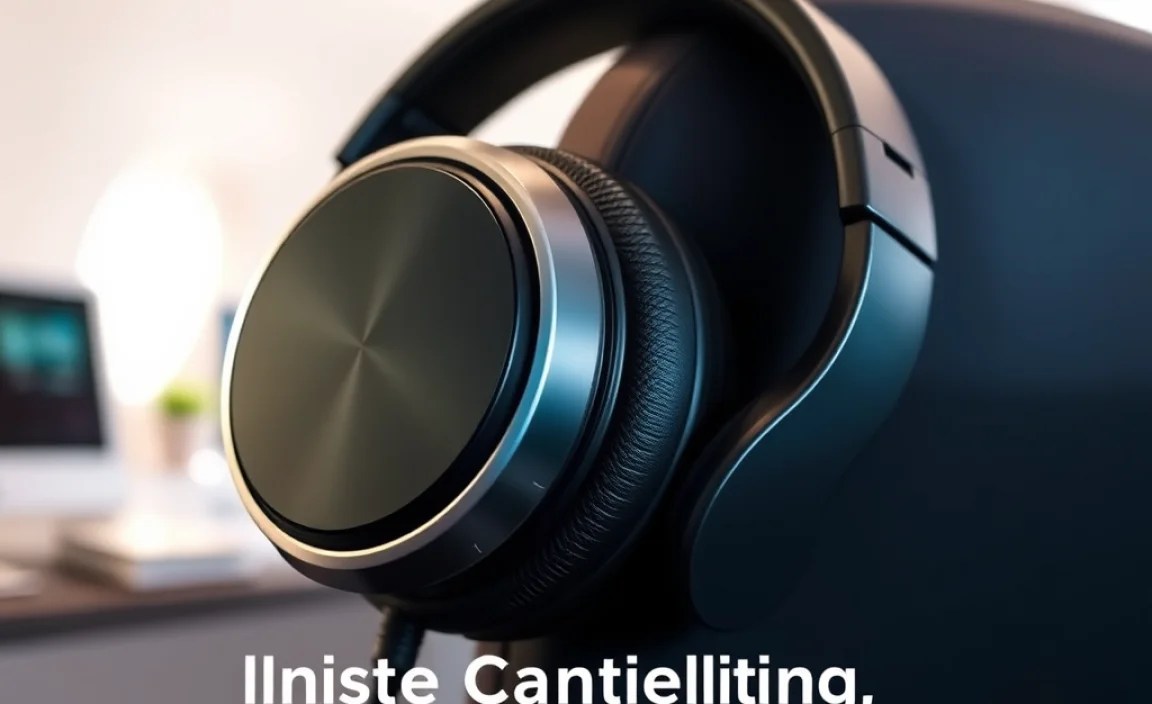
The cabin of an airplane is a symphony of sound – and not always a pleasant one. The constant rumble of the engines, the whirring of machinery, the distinct “ding” of the seatbelt sign, and the general hum of passenger activity all contribute to a noisy environment. This persistent background noise isn’t just annoying; it can lead to fatigue, stress, and difficulty concentrating or relaxing. Noise-cancelling headphones are designed to combat this precisely.
They work using a fascinating technology called Active Noise Cancellation (ANC). Tiny microphones on the headphones listen to the ambient noise around you. Then, they generate an “anti-noise” soundwave that’s the exact opposite of the incoming noise. When these two soundwaves meet, they cancel each other out, effectively muting the distracting sounds of the plane. This means you can enjoy your own audio at a lower, safer volume or simply revel in the blessed quiet.
According to the Federal Communications Commission (FCC), prolonged exposure to noise levels above 85 decibels can cause hearing damage. While airplane cabin noise typically falls within safer limits, consistently high levels can still be fatiguing. ANC headphones significantly reduce this exposure, offering a reprieve for your ears and your overall well-being during flights.
Understanding the Technology: Active Noise Cancellation (ANC) Explained

It’s helpful to understand how these marvels of technology work. There are two main types of noise-cancelling technology:
- Active Noise Cancellation (ANC): This is the primary technology for combating consistent, low-frequency noises like engine hum. As mentioned, it uses microphones to detect external sound and emits an opposing sound wave to neutralize it. This is what makes ANC headphones so effective on planes.
- Passive Noise Isolation (PNI): This is simpler and relies on the physical design of the headphones. A good seal around your ears, often achieved with plush earcups and a comfortable headband, physically blocks out sound. Over-ear (circumaural) headphones generally offer better passive isolation than in-ear (earbud) types.
Many of the best noise-cancelling headphones for planes utilize a combination of both ANC and PNI to provide the most comprehensive sound masking. The ANC tackles the droning engine noise, while the physical seal of the earcups muffles higher-frequency sounds like voices or announcements.
Key Features to Look For in Noise Cancelling Headphones for Travel

When you’re on the hunt for the perfect travel companion, a few key features can make a big difference. Think about what will make your flight most comfortable and convenient.
Comfort is King (or Queen!)
You’ll likely be wearing these for hours on end. Look for headphones with:
- Plush Earcups: Soft, breathable materials that don’t press too hard on your ears. Memory foam is a popular and comfortable choice.
- Adjustable Headband: Ensures a snug but not tight fit for different head sizes.
- Lightweight Design: Heavy headphones can become uncomfortable after extended wear.
- Over-Ear Design: Generally offers superior comfort and passive noise isolation for long sessions compared to in-ear models.
Battery Life: Your Long Flight Lifeline
Nothing is worse than your headphones dying midway through a red-eye. Aim for headphones with at least:
- 20-30 hours of battery life with ANC on.
- Quick charging capabilities – a short 10-15 minute charge can often give you a few hours of playback.
- A wired option: Many ANC headphones can still be used passively with a cable, even if the battery runs out.
Sound Quality: Enjoy Your Entertainment
While noise cancellation is paramount, you still want to enjoy your music, podcasts, or movies. Look for headphones that offer:
- Clear and balanced sound profiles.
- Sufficient bass for immersive listening without being overpowering.
- A good dynamic range to handle various audio types.
Portability: Packing Them Away
Travel headphones should be easy to pack and carry.
- Foldable Design: Many over-ear headphones fold up compactly.
- Included Carrying Case: A sturdy case protects your headphones in your luggage.
- Detachable Cable: Makes storage easier and allows for passive listening if the battery dies.
Connectivity: Wireless Freedom (and Backup)
Most modern headphones use Bluetooth, but consider:
- Bluetooth Version: Newer versions like Bluetooth 5.0 offer better stability and range.
- Multipoint Pairing: The ability to connect to two devices simultaneously (e.g., your phone and your laptop).
- 3.5mm Audio Jack: Essential for connecting to older in-flight entertainment systems.
Noise Cancellation Effectiveness
This is the core feature. Look for headphones known for strong ANC performance, especially in the low-frequency range. Reviews often highlight which models excel at blocking out airplane drone.
Top Picks: Noise Cancelling Headphones for Planes (Examples)
While specific models change, certain brands consistently deliver excellent noise-cancelling performance for air travel. Here are a few categories and well-regarded examples:
| Category/Model Type | Key Strengths for Travel | Considerations |
|---|---|---|
| Premium All-Rounders (e.g., Sony WH-1000XM5, Bose QuietComfort Ultra) |
Industry-leading ANC, exceptional comfort, superb sound quality, long battery life, advanced features. | Highest price point, may have more features than a beginner needs. |
| Mid-Range Value (e.g., Anker Soundcore Space Q45, Sennheiser ACCENTUM) |
Very good ANC, comfortable for most, solid sound, excellent battery life, more accessible price. | ANC might not be quite as potent as premium options, less premium build materials. |
| Compact & Travel-Friendly (e.g., Bose QuietComfort SE, Sennheiser PXC 550-II) |
Excellent ANC in a more compact, often foldable design. Good for frequent flyers who prioritize portability. | Might sacrifice a little comfort or sound nuance for the smaller form factor. |
| Best Budget Options (e.g., Cowin E7 Pro, various Anker Soundcore models) |
Offers usable ANC at a much lower price. Good for occasional travel or if on a strict budget. | ANC and sound quality are generally lower-tier, comfort may vary, battery life might be less consistent. |
Remember to check recent reviews, as technology evolves rapidly. Look for comparisons specifically mentioning airplane noise cancellation.
Step-by-Step Guide: Getting the Most Out of Your Noise Cancelling Headphones on a Plane
Once you’ve got your headphones, here’s how to optimize their use for your flight.
Step 1: Charge Them Up the Night Before
A simple but crucial step. Ensure your headphones are fully charged before you leave for the airport. A full charge guarantees uninterrupted peace for your entire journey.
- Connect the USB charging cable to your headphones.
- Plug the other end into a power source (wall adapter, power bank, or computer).
- Allow them to charge until the indicator light shows a full battery.
Step 2: Pack Them Wisely
Your carrying case is your best friend here. It protects your investment and keeps all the accessories together.
- Gently fold your headphones as designed.
- Place them inside their protective case.
- If they have detachable cables, store them in the case as well.
- Place the case in your carry-on bag for easy access.
Step 3: At the Gate or On the Plane: Prepare for Takeoff
Don’t wait until you’re cruising at 30,000 feet to put them on.
- As soon as you board, find your seat and get settled.
- Put on your headphones. You’ll immediately notice a significant reduction in the cabin’s ambient noise even before the engines start.
- If your headphones have an ANC toggle or button, switch ANC on.
Step 4: Connect to Your Devices
This is where you choose your audio companion for the flight.
- Wireless Connection (Bluetooth):
- Turn on Bluetooth on your phone, tablet, or laptop.
- Put your headphones into pairing mode (usually by holding a power or Bluetooth button).
- Select your headphones from the list of available devices on your chosen device.
- Once paired, enjoy wireless audio.
- Wired Connection:
- Locate the 3.5mm audio jack on your headphones and the audio output on the in-flight entertainment system.
- Insert the audio cable (ensure it’s the one that came with your headphones or is compatible).
- Select your desired audio content on the entertainment system.
- You will still benefit from passive noise isolation, and ANC may continue to function if the headphones support it while wired.
Step 5: Manage Audio Volume and ANC Levels
The goal is peace, not deafness.
- Start with Low Volume: Begin playing your audio at a very low volume. Gradually increase it until it’s comfortable and you can clearly hear it over any remaining subtle noise.
- Adjust ANC: Some headphones have adjustable ANC levels. If you find the ANC too strong (it can sometimes create a feeling of pressure), try a lower setting or turn it off if you’re in a quieter part of the cabin or prefer to hear announcements.
Step 6: Handling Announcements and Cabin Crew
It’s important to remain aware of essential announcements and your surroundings.
- Transparency Mode: Many ANC headphones feature a “transparency” or “ambient aware” mode. With a tap of a button or a quick gesture, this mode allows external sounds (like announcements or conversations) to pass through clearly without removing your headphones.
- Quick Removal: Quickly lifting one earcup off your ear is often enough to hear important announcements or speak with a flight attendant.
Step 7: During the Flight – Comfort and Rest
Now, simply relax and enjoy the quiet.
- Recline your seat and enjoy your entertainment or a good book.
- If you plan to sleep, wearing your headphones can significantly improve your ability to do so by blocking out cabin noise.
- Take short breaks from wearing them if you feel any discomfort, but consider keeping ANC on for maximum peace.
Step 8: Upon Landing
As you prepare to disembark.
- Turn off ANC if it’s still on to conserve battery if needed.
- Disconnect any audio cables and store your headphones back in their case.
- Keep them in your carry-on so they’re ready for your next flight or journey.
Pros and Cons of Using Noise Cancelling Headphones on Planes
Like any travel gear, there are advantages and disadvantages. Weighing them helps you make an informed decision.
Pros:
- Drastically Reduced Cabin Noise: The primary benefit, leading to a more peaceful and less fatiguing flight.
- Improved Sleep Quality: Blocks out disruptive sounds, making it easier to rest.
- Enhanced Audio Experience: Allows you to enjoy music, movies, and podcasts at lower, safer volumes.
- Reduced Stress and Anxiety: A quieter environment can be calming for many travelers.
- Better Focus: Easier to concentrate on work or reading without constant distractions.
- Protects Hearing: Minimizes exposure to the constant drone of engines.
Cons:
- Cost: Good noise-cancelling headphones can be a significant investment.
- Bulkiness: Over-ear models can be larger and heavier to pack, though many are foldable.
- Need for Charging: ANC requires battery power, so keeping them charged is essential.
- Pressure Sensation: Some individuals perceive a slight pressure in their ears from ANC.
- Situational Awareness: Can make it harder to hear important announcements if transparency mode isn’t used effectively.
- Not Effective for All Sounds: ANC is best for constant, low-frequency noises; it’s less effective against sudden, sharp, or high-frequency sounds like crying babies or loud conversations happening right next to you.
Tips for Maximizing Comfort and Effectiveness
Beyond the basic steps, here are some pro tips to make your headphone experience even better:
- Test Before Your Trip: Wear your headphones around the house for a few hours before your flight to get used to the fit and the ANC effect.
- Experiment with Fit: Ensure the earcups create a good seal around your ears. Adjust the headband for a comfortable, secure fit.
- Consider Ear Pressure: If you’re sensitive to pressure from ANC, try ANC on a lower setting or use transparency mode when possible, or alternate between ANC on and off during your flight.
- Bring the Right Cables: Most in-flight entertainment systems still use a standard 3.5mm audio jack, but some newer planes might use different connectors. Carry a standard 3.5mm audio cable just in case.
- Clean Your Headphones: Regular cleaning of the earcups will ensure they remain comfortable and hygienic, especially after long trips. A dry or slightly damp microfiber cloth is usually sufficient. For deeper cleaning, consult your manufacturer’s instructions.
- Use Airplane Modes Sparingly: While you might need to turn off Bluetooth temporarily when instructed by the flight crew during takeoff and landing, most airlines now permit Bluetooth use throughout the flight. Check the airline’s specific policy.
