
Quick Summary: Discover how noise-cancelling headphones can transform your sleep by creating a tranquil environment. This guide explains features, selection tips, and best practices for using them to achieve deep, uninterrupted rest.
Noise Cancelling Headphones: Sleep Like a Baby
Tired of restless nights filled with traffic noise, snoring partners, or chirping birds? A good night’s sleep is crucial for our health and well-being, yet so many of us struggle to find that perfect quiet. If you’ve tried earplugs with little success or are simply looking for a more effective solution, embrace the quiet revolution of noise-cancelling headphones. These aren’t just for air travel anymore; they’re your secret weapon for achieving deep, restorative sleep. Let’s explore how the right pair can help you drift off peacefully and wake up feeling refreshed.
Why Block Out the World for Sleep? The Science of Silence

Our brains are wired to react to sound. Even during sleep, unexpected noises can startle us, disrupt our sleep cycles, and prevent us from reaching the deeper, more restorative stages of sleep like REM (Rapid Eye Movement) and deep sleep. This constant subconscious arousal can lead to daytime fatigue, reduced cognitive function, and a general feeling of being unwell. Noise cancellation technology works by actively identifying and neutralizing ambient sounds, creating a personal bubble of quiet that’s ideal for slumber.
According to the National Sleep Foundation, exposure to noise during sleep can increase heart rate, blood pressure, and stress hormones. By mitigating these auditory disturbances, noise-cancelling headphones offer a significant advantage in achieving consistent, high-quality sleep.
Understanding different types of noise is a good starting point:
Types of Sleep-Disrupting Noise
- Constant, Low-Frequency Noise: Think HVAC systems, refrigerators, or distant traffic.
- Intermittent, Sudden Noises: These are the most disruptive and include things like doors slamming, a partner turning over loudly, or a dog barking.
- Annoying, Persistent Sounds: Examples include a dripping faucet, a neighbor’s music, or snoring.
Features to Look for in Sleep-Focused Noise Cancelling Headphones

Not all noise-cancelling headphones are created equal, especially when your goal is sleep. While premium features are great for audiophiles, for sleep, comfort and effective noise cancellation are paramount. Here’s what to prioritize:
Active Noise Cancellation (ANC) Effectiveness
This is the core technology. Good ANC will significantly reduce the drone of constant background noise. Look for headphones that specifically mention their ANC capabilities for low-frequency sounds, as these are often the most persistent sleep disturbers.
Comfort is King
You’ll be wearing these for hours. Over-ear headphones can be bulky to sleep in, especially for side sleepers. In-ear options, often called earbuds or earphones, can be more comfortable, but ensure they come with various ear tip sizes for a snug, secure fit that doesn’t cause pressure points. Some people find even small earbuds uncomfortable when lying on their side. Consider models specifically designed for sleep, which often have very low-profile designs.
Battery Life
You need them to last the whole night, and ideally well beyond. Look for models with at least 6-8 hours of battery life on a single charge with ANC activated. Some may offer longer, which is a bonus.
Sound Quality for Sleep Aids (Optional but Nice)
While the primary goal is silence, many headphones offer the ability to play soothing soundscapes, white noise, nature sounds, or guided meditations. If this is something you use, check the audio quality for these specific sounds.
Transparency Mode
This feature allows you to hear your surroundings without removing the headphones. While counterintuitive for sleep, it can be useful for waking up to an alarm, hearing announcements, or if you need to be aware of an urgent sound without complete isolation.
Build Quality and Durability
Even if they are for home use, you want them to last. Check reviews for how well they hold up to regular use.
Types of Noise Cancelling Headphones for Sleep

The world of headphones offers a few distinct categories that can serve your sleep needs:
1. Over-Ear Noise Cancelling Headphones
These sit completely over your ears. They generally offer the best noise cancellation due to their larger earcups creating a seal around your ears. However, they can be bulky and may be uncomfortable for side sleepers, leading to pressure on the ear against the pillow.
Pros: Generally superior ANC, immersive sound when used for other purposes.
Cons: Can be bulky, warm, and uncomfortable for side sleeping.
2. On-Ear Noise Cancelling Headphones
These rest on your ears. They are usually lighter than over-ear models but might not provide as good a seal, potentially limiting their ANC effectiveness. Comfort can be hit or miss, depending on the clamping force and padding.
Pros: Lighter than over-ear, more portable.
Cons: Can cause ear pressure, ANC might be less effective than over-ear models.
3. In-Ear Noise Cancelling Earbuds (True Wireless or Neckband)
These fit inside your ear canal. True wireless earbuds offer maximum freedom with no wires, while neckband models have a wire connecting the earbuds to a band that rests around your neck. These are often the most comfortable for all sleeping positions, especially side sleepers, due to their small size.
Pros: Compact, comfortable for all sleep positions, good seal for ANC.
Cons: Can be lost easier, battery life can be shorter than over-ear, need the right ear tip fit. Some people do not like things in their ear canal while sleeping.
4. Sleep-Specific Headphones/Masks
These are designed from the ground up for sleeping. They often combine soft, comfortable headbands with integrated flat speakers or very low-profile earbuds. Some even incorporate full sleep masks for light blocking.
Pros: Designed for ultimate comfort during sleep, often include features like soothing sounds or gentle alarms.
Cons: ANC might be less powerful than dedicated audio headphones, sound quality for music may be secondary.
Choosing the Right Pair: A Practical Guide
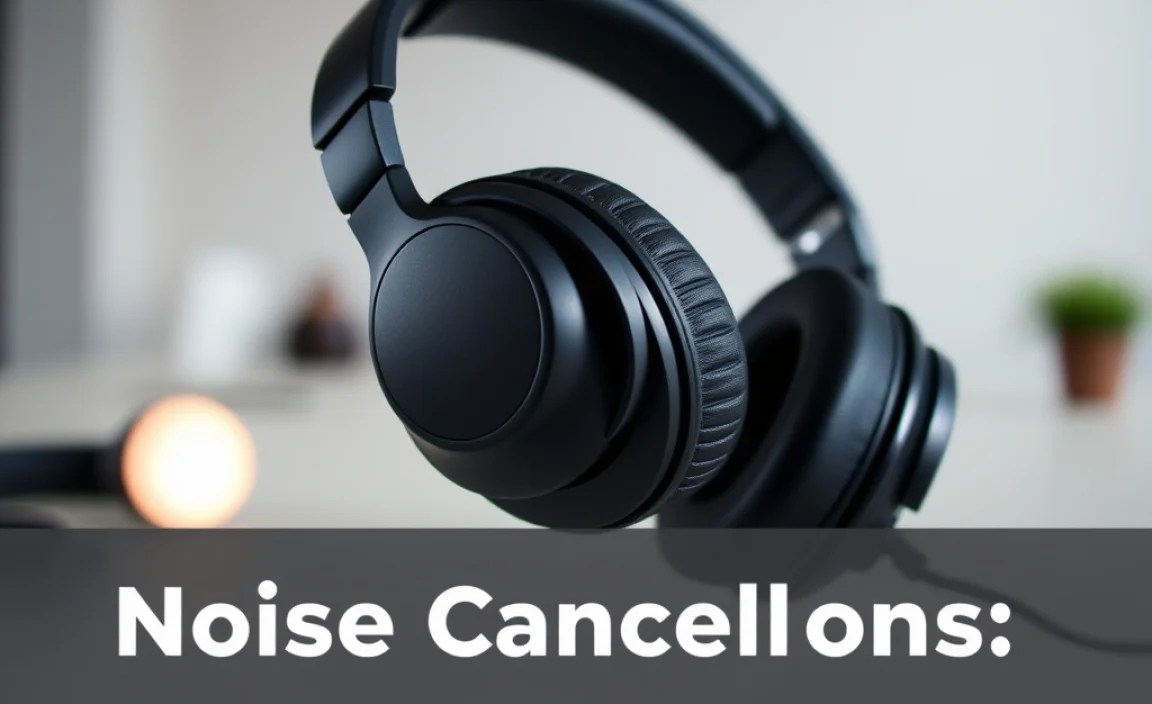
To make an informed decision, consider these factors:
Step 1: Assess Your Sleeping Habits
Are you a back, stomach, or side sleeper? Side sleepers will benefit most from compact, low-profile in-ear earbuds or specialized sleep headbands. Back and stomach sleepers might find over-ear headphones more tolerable, though comfort is still key.
Step 2: Identify Your Primary Noise Disturbance
Is it constant humming (HVAC, traffic), or sudden noises (snoring, doors)? Headphones with excellent ANC targeting a broad frequency range, especially low frequencies, will be most effective against constant noise. For sudden, sharp noises, a good physical seal from in-ear buds can also help immensely.
Step 3: Set Your Budget
Noise-cancelling headphones range from budget-friendly options to premium models. You don’t necessarily need the most expensive pair for sleep. Focus on comfort and decent ANC.
Step 4: Read Reviews, Especially “Sleep” Reviews
Look for user reviews that specifically mention using the headphones for sleep. These often provide invaluable insights into comfort over prolonged periods and effectiveness against common sleep disturbances.
Step 5: Consider Supplementary Features
Do you want to play white noise or meditation tracks through your headphones? Then check for seamless Bluetooth connectivity, app support for sound libraries, and good audio quality for those ambient sounds.
How to Use Noise Cancelling Headphones for Sleep Effectively
Once you’ve chosen your perfect pair, using them correctly is key to maximizing their benefit.
1. The Perfect Fit is Crucial
For Earbuds: Experiment with the different ear tip sizes provided. The tip should create a seal in your ear canal without causing pain or pressure. A good fit also enhances noise isolation, complementing the ANC.
For Over-Ear/On-Ear: Ensure the earcups are comfortable and don’t clamp too tightly. Adjust the headband for a secure but gentle fit.
2. Charge Them Fully
Before you go to bed, ensure your headphones are fully charged to avoid them dying halfway through the night. Check the manufacturer’s recommended charging times.
3. Test the ANC Before Bed
Turn on the ANC in a noisy environment (even if it’s just your living room with a TV on) to see how well it cancels out the sound. This helps you get used to the sensation and confirm they’re working as expected.
4. Play Your Sleep Sounds or Enjoy the Quiet
If you use sleep sounds, set them at a comfortable, low volume. Aim for sounds that are consistent and soothing. If you prefer silence, simply activate the ANC and enjoy the peace.
Tip: Many sleep apps offer sound options. Some headphones also have built-in sound libraries. Ensure you set any timers within the app or headphones so they don’t play all night if not desired.
5. Understand the Volume Limits
While ANC works best with consistent, low-frequency noise, very loud or sudden noises might still be partially audible. High volumes are never recommended for sleep, as they can damage your hearing and disrupt sleep quality.
6. Be Mindful of Alarms
If you rely on your phone or another device for an alarm, ensure you can still hear it. Using transparency mode briefly or having your alarm volume set appropriately can help. Some headphones offer smart alarms that only sound when you’re in a lighter sleep stage, which can be a gentle way to wake up.
Troubleshooting Common Issues
Even the best tech can have occasional hiccups. Here are some common problems and their solutions:
Issue: Not Enough Noise Cancellation
Fixes:
- Ensure ANC is turned on.
- Check for a proper seal (ear tips for earbuds, earcups for over-ear).
- Clean ear tips or earcups, as debris can affect the seal and ANC performance.
- Firmware updates for your headphones might improve ANC.
Issue: Discomfort While Sleeping
Fixes:
- For earbuds, try different size ear tips or consider memory foam tips for a softer feel.
- If using over-ear headphones, try wearing a soft sleep headband over them to cushion your ears.
- Consider investing in sleep-specific headphones designed with flat speakers.
Issue: Headphones Falling Out During Sleep
Fixes:
- For earbuds, try ear hooks or wingtips if available, in addition to finding the correct ear tip size.
- Ensure the headphone band (for over/on-ear) or neckband (for neckband earbuds) is adjusted correctly to stay in place.
Issue: Battery Draining Too Quickly
Fixes:
- Ensure ANC is active, as this uses more battery. If you are in complete silence, you might not need ANC.
- Check if other features like ambient sound modes are accidentally enabled.
- Turn off Bluetooth when not in use (though this defeats the purpose for sleep).
- Consider replacing the battery if your headphones are old.
Maintenance for Longevity
Keeping your noise-cancelling headphones in top condition ensures they serve you well for sleep and sound.
Cleaning Regularly
For Earbuds:
- Gently remove ear tips.
- Wipe the earbud nozzles and the ear tips with a slightly damp, lint-free cloth. Avoid getting moisture into any openings.
- Use a dry cotton swab to clean any crevices.
- For stubborn grime on ear tips, use a mild soap and water solution, then dry them thoroughly before reattaching.
For Over-Ear/On-Ear Headphones:
- Wipe the earcups and headband with a soft, dry cloth.
- For leather or pleather earcups, use a slightly damp cloth and mild soap, then wipe dry.
- Ensure the mesh over the drivers remains clean.
Storage
When not in use, store them in their carrying case or in a clean, dry place away from direct sunlight and extreme temperatures. This protects them from dust and potential damage.
Battery Care
Avoid fully depleting the battery too often, as this can degrade lithium-ion batteries over time. For long-term storage, aim to have the battery at around 50% charge.
The Impact of Noise on Sleep Quality
It’s not just about staying awake; noise pollution directly impacts the quality of sleep you achieve. Studies have shown that noise can:
- Increase the time it takes to fall asleep.
- Lead to more frequent awakenings during the night.
- Reduce the amount of time spent in deep sleep and REM sleep, both crucial for physical and mental restoration.
- Cause physiological stress responses, such as increased heart rate and blood pressure, even if you don’t fully wake up.
The World Health Organization (WHO Guidelines on Community Noise) has highlighted the significant health effects of environmental noise, including sleep disturbance. By creating a pocket of silence, noise-cancelling headphones combat these effects directly.
Beyond Sleep: Versatility of Your Headphones
While your main focus might be sleep, remember that many noise-cancelling headphones are excellent for other activities too:
- Travel: Block out airplane engine noise, train rumbles, or bus traffic.
- Focus: Create a quiet zone for studying or working in noisy environments.
- Relaxation: Enjoy music, podcasts, or audiobooks without outside distractions.
This versatility means investing in quality noise-cancelling headphones for sleep can also enhance many other aspects of your life.
FAQ: Your Sleep-Ready Noise-Cancelling Questions Answered
Here are answers to some common questions about using noise-cancelling headphones for sleep:
Q1: Can noise-cancelling headphones damage my hearing if I sleep with them?
A: No, not if used correctly. Noise cancellation itself is a passive process that reduces external noise. As long as you don’t play audio at excessively high volumes, you won’t damage your hearing. In fact, by enabling you to keep audio volume lower to still hear it over ambient noise, ANC can protect your hearing.
Q2: Are earbuds or over-ear headphones better for side sleepers?
A: For side sleepers, in-ear earbuds or specialized sleep headphones with flat speakers are generally much more comfortable. Over-ear headphones can create uncomfortable pressure points against your ear when lying on your side.
Q3: How long does the battery usually last for sleep?
A: Most full-sized noise-cancelling headphones offer between 20-30 hours of battery life with ANC on. For sleep, you’ll want to ensure your chosen model can comfortably last at least 6-8 hours, which most can do on a single charge. Some earbuds might have shorter individual earbud life but can often be charged in their case.
Q4: What’s the difference between noise cancellation and noise isolation?
A: Noise isolation is a passive physical barrier that blocks sound from entering your ears (like earplugs or a good seal). Noise cancellation (ANC) is an active electronic process that generates opposing sound waves to cancel out ambient noise, particularly effective for low-frequency, constant sounds like humming.
Q5: Can I still hear my alarm if I’m wearing noise-cancelling headphones?
A: This depends on the headphones and your alarm. If you’re using them purely for silence, you might not hear a quiet alarm. It’s best to use the volume setting on your phone or alarm clock so it’s sufficiently loud. Some headphones offer transparency mode that can be activated briefly, or smart alarm features.
Q6: Do I need to buy the most expensive headphones for good sleep?
A: Not necessarily. While premium models often offer superior ANC and comfort, many mid-range and even some budget-friendly options can be effective for sleep. Focus on user reviews that mention comfort and sleep performance, rather than just brand name or price.
Q7: Can I use noise-cancelling headphones even if I don’t listen to anything?
A: Absolutely! The primary benefit for many sleep users is simply the active noise cancellation turned on without playing any audio. This creates a tranquil environment of
