
Quick Summary: Discover how noise-cancelling headphones can be your secret weapon against disruptive snoring. This guide offers beginner-friendly advice on choosing and using the right pair to achieve a peaceful night’s sleep, transforming your bedroom into a sanctuary of quiet. Learn what to look for and how to get started on your journey to better rest.
Noise Cancelling Headphones for Sleeping Snoring: Your Essential Guide to a Quieter Night
Are you tired of being jolted awake by the sound of snoring in your bedroom? You’re not alone. Millions of people struggle with sleep disturbances caused by a partner’s, roommate’s, or even a nearby neighbor’s snoring. This can lead to daytime fatigue, irritability, and a general drain on your well-being. But what if there was a simple, effective solution that didn’t involve drastic measures? Enter noise-cancelling headphones. These ingenious devices are more than just for music lovers; they can be your essential tool for reclaiming quiet and enjoying uninterrupted sleep. This guide will walk you through everything you need to know to make noise-cancelling headphones your new bedtime best friend.
Why Noise Cancelling Headphones are a Game-Changer for Sleep

Snoring is a common issue, and its impact on sleep quality is significant. According to the National Sleep Foundation, noise is a primary disruptor of sleep, leading to awakenings and reduced deep sleep stages. Traditional earplugs offer a basic level of sound blocking, but they often don’t do much against the persistent, low-frequency rumble of snoring. This is where noise-cancelling technology shines.
Noise-cancelling headphones work in two main ways:
- Passive Noise Isolation: This is the physical barrier created by the headphones’ earcups. They physically block out sound from reaching your ears.
- Active Noise Cancellation (ANC): This is the magic. Microphones on the outside of the headphones detect ambient noise, and the headphones then generate an “anti-noise” sound wave that cancels out the unwanted noise. For snoring, which often has a consistent frequency, ANC can be remarkably effective.
By combining these two methods, noise-cancelling headphones can significantly reduce the impact of snoring, making it easier to fall asleep and stay asleep. Imagine a world where you gently drift off to sleep, undisturbed by the nightly symphony next to you. It’s possible, and it starts with the right headphones.
Choosing the Right Noise Cancelling Headphones for Sleep

Not all noise-cancelling headphones are created equal, especially when your primary goal is sleep. For sleeping, you need something comfortable, effective, and unobtrusive. Here’s what to consider:
Comfort is King (or Queen!)
This is paramount. You’ll be wearing these for hours, lying down in various positions. Hard, bulky headphones are a recipe for discomfort and won’t work for sleep. Look for:
- Soft, Plush Earcups: Materials like memory foam and breathable fabric are ideal.
- Lightweight Design: The less weight pressing on your head and ears, the better.
- Low Profile: Avoid headphones that stick out too much, especially if you’re a side sleeper.
- Adjustable Headband: A comfortable fit that doesn’t pinch is essential.
Effectiveness of Noise Cancellation
While all noise-cancelling headphones offer some level of ANC, some are better tuned for specific sound frequencies. Snoring often falls into the low to mid-frequency range. Look for headphones known for their ability to handle consistent, droning sounds.
Tip: Read reviews specifically mentioning sleep and low-frequency noise reduction. Some headphones are better at cancelling out airplane engine hums, which are similar in frequency to snoring.
Sound Quality (for White Noise/Sleep Sounds)
While you’re not using them for critical listening, you might want to play white noise, nature sounds, or guided meditations to further enhance your sleep environment. If this is a feature you’ll use, consider headphones with decent audio output. However, prioritizing comfort and noise cancellation is key to your primary goal.
Battery Life
You don’t want your headphones dying in the middle of the night. Look for models that offer at least 10-15 hours of battery life on a single charge, or those that can be used while plugged in if you’re concerned about running out of power.
Connectivity (Bluetooth vs. Wired)
- Bluetooth: Offers freedom from wires, reducing the chance of tangling or pulling the headphones off during sleep. Ensure they have a stable connection and auto-reconnect features.
- Wired: Less common for sleep, but an option if battery life is a major concern and you don’t mind a wire.
Consider Specialized Sleep Headphones
There’s a growing market of headphones specifically designed for sleeping. These are often soft, headband-style devices with integrated flat speakers and minimal ANC capabilities, or even basic Bluetooth sleep headbands. They are usually more comfortable for all sleeping positions but might offer less robust noise cancellation than over-ear ANC headphones. Weigh the pros and cons based on your personal needs.
Noise Cancelling Headphones vs. Earbuds for Sleep

This is a common question. Both noise-cancelling headphones (over-ear) and noise-cancelling earbuds can be used for sleep, but they have distinct advantages and disadvantages:
| Feature | Over-Ear Noise Cancelling Headphones | Noise Cancelling Earbuds |
|---|---|---|
| Comfort (Side Sleepers) | Can be bulky and uncomfortable, pressing on the ear. | Generally more comfortable due to smaller size, but ear tip can still cause pressure. |
| Comfort (Back/Stomach Sleepers) | Usually more comfortable than earbuds. | Can still cause pressure on the ear canal. |
| Noise Cancellation Effectiveness | Often superior, especially for consistent droning sounds like snoring, due to better seal and ANC technology. | Varies widely; some offer excellent ANC, but a perfect seal is harder to achieve for sleep. |
| Portability | Bulky and not ideal for travel. | Very portable and discreet. |
| Battery Life | Typically longer. | Shorter, reliant on charging case. |
| Price | Can range widely, good ANC models are usually mid to high-end. | Can range widely, ANC earbuds can be expensive. |
For dedicated sleep use, especially for side sleepers, specialized sleep headbands with flat speakers or very low-profile earcups might be the most comfortable, even if their ANC isn’t as powerful as full-sized headphones. However, if you already own a comfortable pair of ANC over-ear headphones and can tolerate them, they might offer the best noise-blocking performance.
Setting Up Your Noise Cancelling Headphones for Sleep: A Step-by-Step Guide

Once you’ve chosen your headphones, it’s time to get them ready for your nightly routine.
-
Charge Them Fully
Before the first use, and regularly thereafter, ensure your headphones are fully charged. This prevents the dreaded mid-sleep shutdown and ensures optimal ANC performance.
-
Connect Via Bluetooth (If Applicable)
Pair your headphones with your desired device (e.g., smartphone, tablet). Make sure the device is comfortably placed within range so the connection remains stable throughout the night.
-
Test the Noise Cancellation
With the headphones on (and ANC activated, if separate), gauge how well they reduce ambient noise. Pay special attention to the frequency of snoring. If you have a snoring partner, try them out for a short period while they are asleep to get a real-world test.
-
Experiment with Fit
Ensure the earcups are positioned correctly and comfortably. If they’re over-ear, make sure they create a good seal around your ears. If they’re earbuds, try different ear tip sizes to find the most secure and comfortable fit. For headbands, adjust the strap for a snug but not tight feel.
-
Consider Sleep Sounds or White Noise
If you’ve decided to use them for sleep sounds:
- Download a sleep sound app or select your preferred audio content.
- Start playing the audio at a low, soothing volume.
- Adjust the overall volume until it masks the snoring without being distracting itself.
- Set a sleep timer if your app or device has one, so the sounds don’t play all night if you prefer.
-
Practice Wearing Them
It might take a few nights to get used to wearing headphones to sleep. Try them for a nap or during a period at home where you can relax and get accustomed to the sensation.
Pro Tip: If you’re a side sleeper struggling with over-ear headphones, consider temporarily removing the headband or adjusting them on your head until you find a position that minimizes pressure. For some, earbud-style sleep devices are the only viable option.
Tips for Optimizing Your Sleep Environment
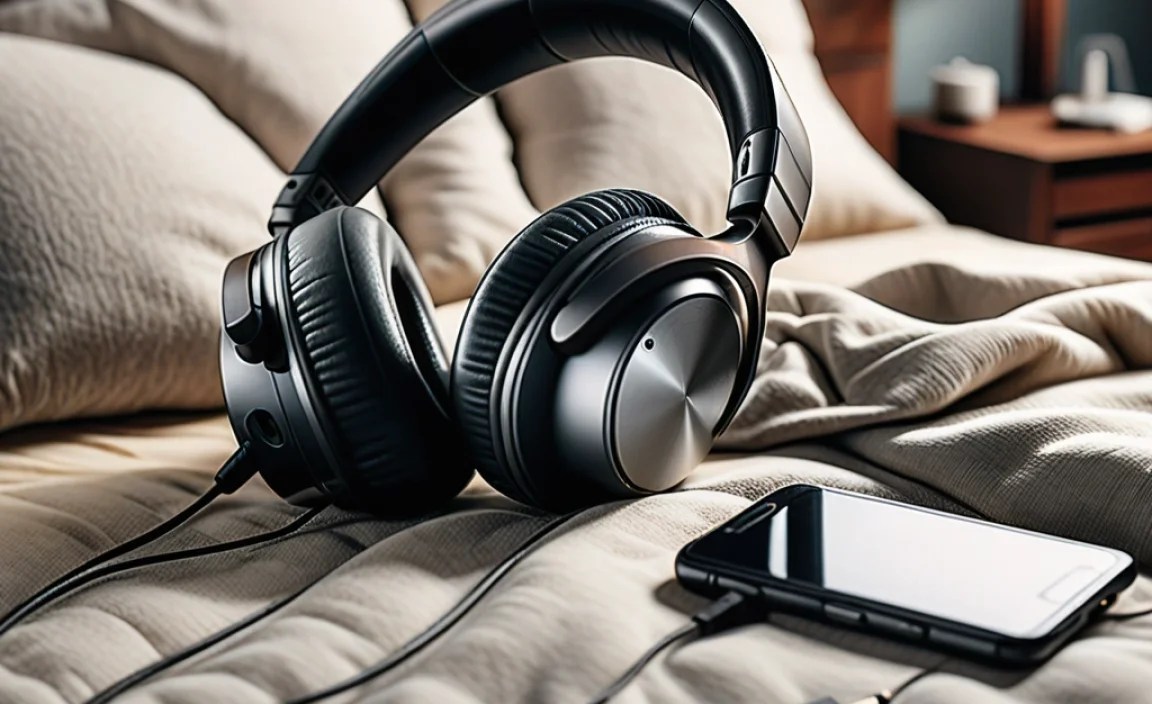
While noise-cancelling headphones are a powerful tool, they work best when integrated into a holistic approach to improving sleep hygiene. Here are a few extra tips:
- Maintain a Cooler Room Temperature: A slightly cool room is generally conducive to better sleep. Experts often recommend a temperature between 60-67°F (15-19°C). Learn more about sleep temperature at the Sleep Foundation.
- Darken Your Room: Ensure your bedroom is as dark as possible. Even small amounts of light can disrupt your circadian rhythm.
- Consistent Sleep Schedule: Go to bed and wake up around the same time every day, even on weekends, to regulate your body’s internal clock.
- Limit Screen Time Before Bed: The blue light emitted from electronic devices can interfere with melatonin production, a hormone that signals sleep.
- Avoid Caffeine and Alcohol: Especially in the hours leading up to bedtime, as they can disrupt sleep architecture.
Potential Downsides and How to Mitigate Them
While noise-cancelling headphones are fantastic for many, it’s good to be aware of potential drawbacks and how to address them:
| Potential Downside | Mitigation Strategy |
|---|---|
| Discomfort for Side Sleepers (Over-Ear) | Look for low-profile designs, memory foam earcups, or consider specialized sleep headbands with flat speakers instead. Experiment with positioning. |
| Ear Pressure (Earbuds) | Try different ear tip sizes and materials. If pressure persists, over-ear headphones or sleep headbands might be better. |
| Over-reliance on Technology | Use them as a tool, but also focus on building good sleep habits. Don’t let the absence of headphones prevent sleep entirely. |
| Overheating of Ears | Choose headphones with breathable materials. Take breaks if your ears feel too warm. |
| Accidental Removal During Sleep | Ensure a snug but comfortable fit. Wireless options can help prevent accidental unplugging. |
| Difficulty Hearing Important Sounds (e.g., Alarm) | Use a secondary, louder alarm source that isn’t blocked by headphones, or use smart alarms that gradually increase volume. Some headphones have transparency modes you could briefly activate. |
Frequently Asked Questions About Noise Cancelling Headphones for Sleep Snoring
Here are some common questions beginners often have:
-
Can noise-cancelling headphones completely block out loud snoring?
They can significantly reduce the impact of snoring, making it much less disruptive. Complete silence is unlikely, as very loud or sudden noises might still be partially audible. However, for consistent snoring, the reduction in decibels is often enough to allow for restful sleep.
-
Are noise-cancelling headphones safe to sleep in?
Yes, when used properly, they are safe. It’s important to use models that are comfortable, don’t create excessive pressure, and allow you to hear important sounds like a smoke alarm if necessary. Look for lightweight designs and avoid anything that feels constrictive.
-
What’s the difference between noise cancelling and noise masking for sleep?
Noise cancelling actively reduces ambient sound by creating an anti-noise signal. Noise masking (like white noise) involves playing a constant sound that helps to cover up other noises. Many people use noise-cancelling headphones in conjunction with white noise for the best effect.
-
How do I choose between over-ear headphones, earbuds, or sleep headbands for snoring?
Consider your primary sleep position. Side sleepers often find soft sleep headbands or very low-profile earbuds most comfortable. Back and stomach sleepers might find over-ear headphones more accommodating, provided they aren’t too bulky. Prioritize what feels most comfortable for you over extended periods.
-
Will I still be able to hear my alarm?
This depends on the ANC strength and your alarm volume. It’s wise to use a secondary alarm or a smart alarm that gradually increases in volume to ensure you wake up on time. Some headphones have a “transparency mode” that can be briefly activated.
-
How long does the battery typically last for sleep?
Most quality over-ear noise-cancelling headphones designed for travel or extended use can last between 15-30 hours on ANC mode. For sleep, aiming for at least 8-10 hours of consistent use is usually sufficient from a single charge. Always check the specific product’s battery life claims.
-
Can I wear noise-cancelling headphones if I have ear piercings?
This can be tricky. Over-ear headphones might press on piercings uncomfortably. Earbuds might be a better option, but the ear tip could still cause irritation depending on the placement. Specialized sleep headbands with flat, external speakers are often the most comfortable choice for individuals with piercings.
Conclusion: Reclaim Your Restful Nights
Struggling with a snoring partner or noisy environment can significantly impact your health and happiness. Fortunately, the technology exists to help you find peace and quiet. Noise-cancelling headphones, when chosen with comfort and effectiveness in mind, can be an essential tool for transforming your sleep experience. By understanding your options, focusing on comfort, and implementing a few simple setup steps, you can create a personal sanctuary of silence. Don’t let disruptive noises steal another night’s rest. Invest in a good pair of noise-cancelling headphones, and start enjoying the deep, restorative sleep you deserve. Sweet dreams!`
