
Noise Cancelling Headphones for Studying: Your Essential Guide to Uninterrupted Focus
Hey there, fellow learners! Edward Cavitt here from headphonehorizon, your guide to all things audio. Ever found yourself battling a noisy environment when you desperately need to hit the books? Whether it’s chatty roommates, humming appliances, or traffic outside, distractions are the sworn enemy of focused study. That’s where noise-cancelling headphones come into play, acting as your personal sanctuary of silence. If you’re new to this tech, don’t worry! We’ll break down exactly how these amazing gadgets can transform your study sessions from frustrating to fantastic, helping you absorb information better and ace those exams.

Why Noise-Cancelling Headphones Are a Study Game-Changer

Let’s get this straight: effective studying requires concentration. And unfortunately, our environments are rarely as quiet as we’d like. Think about it – even seemingly low-level background noise can pull your attention away, forcing you to re-read sentences and lose your train of thought. This constant mental re-engagement is exhausting and dramatically reduces learning efficiency. Noise-cancelling headphones offer a powerful solution by actively combating these auditory interruptions.
These aren’t just regular headphones that muffle sound. Active Noise Cancellation (ANC) technology uses tiny microphones to detect ambient noise. Then, the headphones generate an opposite sound wave, effectively neutralizing the noise before it even reaches your ears. It’s like a magic trick for your ears, creating a bubble of calm that lets you dive deep into your textbooks, lectures, or revision notes.
Imagine being able to study in a bustling coffee shop, a noisy dorm, or even a busy household with the same peace as a quiet library. That’s the promise of noise-cancelling headphones. They provide a controllable audio environment, allowing you to set the stage for optimal learning. Research from institutions like the National Institutes of Health has shown that reducing auditory distractions can lead to improved cognitive performance and task completion.
Understanding the Types of Noise Cancellation

When you’re looking for noise-cancelling headphones, you’ll likely encounter two main types:
1. Active Noise Cancellation (ANC)
This is the star player we’ve been talking about. ANC uses electronic circuits and microphones to actively cancel out low-frequency ambient sounds. It’s particularly effective against constant, droning noises like airplane engines, air conditioners, and traffic hum. Think of it as creating “anti-sound” to cancel out unwanted sounds. Most of the best noise-cancelling headphones for studying rely heavily on ANC.
2. Passive Noise Cancellation (Isolation)
This is essentially soundproofing for your ears. Passive noise cancellation works by physically blocking sound from entering your ear canal. The effectiveness depends on the snugness of the fit and the materials used in the earcups or eartips. Over-ear headphones generally offer better passive isolation than in-ear models, provided they create a good seal.
For studying, a combination of both ANC and good passive isolation is ideal. ANC tackles the persistent background hum, while passive isolation blocks out more immediate or irregular sounds like nearby conversations or keyboard clicks.
Key Features to Look For in Study Headphones

Not all noise-cancelling headphones are created equal, especially when your goal is focused learning. Here’s what to prioritize:
- Effective Active Noise Cancellation: This is paramount. Look for headphones with reputable ANC technology. Reviews often highlight how well a model performs in varying noisy environments.
- Comfort for Long Wear: Study sessions can last for hours. Ensure the headphones are lightweight, have plush earcups, and a comfortable headband that doesn’t put too much pressure on your head or ears.
- Sound Quality: While the primary goal is silence, you might also want to listen to study music, ambient soundscapes, or recorded lectures. The audio should be clear and balanced.
- Battery Life: You don’t want your headphones dying halfway through a crucial study marathon. Aim for models with at least 20-30 hours of battery life with ANC on.
- Adjustable ANC Levels: Some headphones allow you to adjust the strength of the ANC or activate a “transparency mode” (also called ambient sound) to let in important sounds like announcements or someone calling your name. This can be useful for not feeling completely cut off.
- Wired and Wireless Options: While wireless offers freedom, wired connections can be essential if Bluetooth connectivity is unreliable or if you need to conserve battery. Some headphones offer both.
- Portability and Build Quality: If you study in different locations, a foldable design and a sturdy carrying case are a big plus.
Step-by-Step: Finding Your Perfect Study Headphones
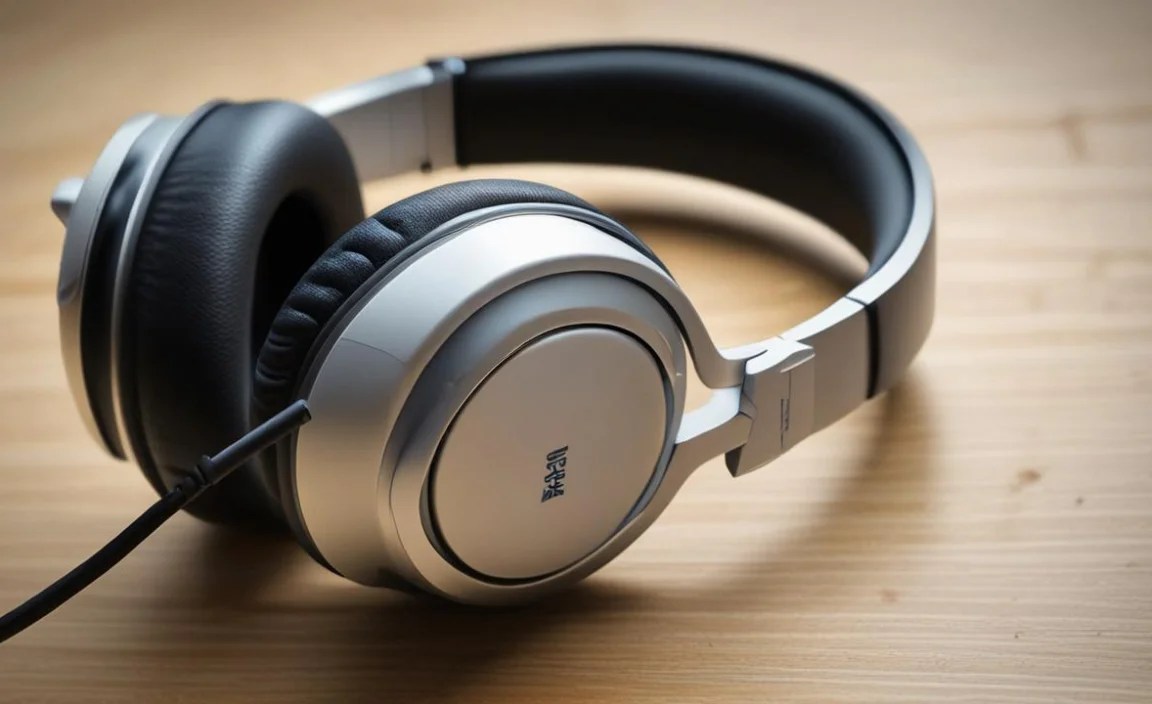
Ready to find the headphones that will become your academic superpower? Follow these steps:
Step 1: Define Your Budget
Noise-cancelling headphones can range from under $100 to over $400. Determine how much you’re willing to spend. Remember, investing a bit more upfront can often mean better performance, comfort, and durability.
Step 2: Consider Your Study Environment
- Very Noisy (e.g., shared apartment, busy cafe): Prioritize top-tier ANC.
- Moderately Noisy (e.g., quiet home with occasional disturbances): Good ANC and passive isolation will suffice.
- Mostly Quiet (e.g., personal room): ANC is still beneficial for blocking subtle noises, but it might not need to be the absolute best.
Step 3: Choose Between Over-Ear, On-Ear, and In-Ear
Here’s a quick breakdown:
| Type | Pros for Studying | Cons for Studying |
|---|---|---|
| Over-Ear (Circum-aural) | Excellent passive noise isolation (cups surround the ear). Typically offers the best ANC performance. Very comfortable for long study sessions due to generous padding. | Can be bulky and warm. May not be ideal for very active people. |
| On-Ear (Supra-aural) | More compact than over-ear. Can offer decent passive isolation and ANC. | Comfort can be an issue for some (earcups press on the ear). Sound leakage can be higher. ANC might be slightly less effective than over-ear. |
| In-Ear (Earbuds) | Highly portable and discreet. Good passive isolation with proper fit. Can be great for those who find over-ear headphones too hot or bulky. | ANC performance can vary greatly; top-tier ANC is less common than in over-ear. Comfort can be difficult to achieve for long periods for some users. Can increase ear fatigue. |
Step 4: Read Reviews and Compare Models
Once you have an idea of what you’re looking for, dive into reviews. Look for comparisons focusing on noise cancellation effectiveness, comfort, battery life, and sound quality. Reputable tech sites and audiophile blogs are great resources. Websites like RTINGS.com often provide in-depth, scientific testing of headphones.
Step 5: Try Them On (If Possible)
If you can, visit a store and try on a few different models. Pay attention to how they feel on your head and ears. Does the headband pinch? Do the earcups create a good seal? Even for in-ear models, a good fit is crucial for both comfort and sound isolation.
Step 6: Make Your Purchase and Test Them Out
Once you’ve made your choice, it’s time to put them to the test. Use them in your typical study environments to see how well they perform. Don’t be afraid to return them if they don’t meet your expectations (check the return policy!).
Maximizing Your Noise-Cancelling Study Experience
Getting the headphones is only half the battle. Here’s how to make them work best for your studies:
- Find Your ANC Sweet Spot: Experiment with different ANC levels. Sometimes, the highest setting isn’t always best. A slightly lower setting might still block enough noise while making you feel less isolated.
- Consider “Study Sounds”: Many people find listening to ambient sounds (like rain, forest sounds, or white noise) helps them focus even more, even with ANC on. Some headphones have this built-in, or you can use apps like Calm or Headspace.
- Manage Battery Life: Fully charge your headphones before long study sessions. If you’re using wireless, keep a USB-C cable handy for charging on the go.
- Keep Them Clean: Ear pads can get sweaty, and ear tips can accumulate wax. Regularly cleaning your headphones ensures comfort and hygiene, which are important for extended wear. A damp cloth for the earcups and isopropyl alcohol for plastic parts usually does the trick.
- Take Breaks: Even with noise-cancelling, it’s important to take regular breaks from studying. Give your ears (and brain!) a rest.
Here’s a quick comparison of popular noise-cancelling headphones often recommended for focus and study:
| Headphone Model (Example) | ANC Effectiveness | Comfort | Battery Life (ANC On) | Typical Price Range |
|---|---|---|---|---|
| Sony WH-1000XM5 | Industry-leading | Excellent; plush earcups | ~30 hours | $$$ (Premium) |
| Bose QuietComfort Ultra Headphones | Excellent | Superb; lightweight | ~24 hours | $$$ (Premium) |
| Sennheiser Momentum 4 Wireless | Very Good | Great; comfortable fit | ~60 hours | $$ (Mid-to-High) |
| Anker Soundcore Space Q45 | Very Good for Price | Good; well-padded | ~50 hours | $ (Budget-friendly) |
| Apple AirPods Pro (2nd Gen) | Excellent (for earbuds) | Good; customizable tips | ~6 hours (earbuds), ~24 hours (with case) | $$ (Mid-to-High) |
Note: Prices and availability may vary. This table provides general guidance. Always check current reviews and specifications.
Troubleshooting Common Issues
Even the best tech can have occasional hiccups. Here are some common problems and simple solutions:
- ANC not working effectively: Ensure the headphones are properly sealed around your ears. Check for any damage to the microphones. Sometimes, a software update for the headphones can resolve ANC glitches.
- Sound cutting out (wireless): Make sure your Bluetooth device is close and has a clear line of sight. Interference from other wireless devices can sometimes cause this. Try re-pairing the headphones to your device.
- Headphones not charging: Use the original charging cable and power adapter. Ensure the charging port is clean and free of debris. Try a different power outlet or charger.
- Uncomfortable fit: Adjust the headband. If using over-ear headphones, ensure the earcups are positioned correctly on your ears. For in-ear models, try different-sized ear tips.
Frequently Asked Questions (FAQ)
Q1: Are noise-cancelling headphones good for all types of studying?
Yes, they are beneficial for most types of studying, especially when you need to concentrate. They help reduce distractions from your immediate surroundings, allowing for deeper immersion in your study material. However, if your study requires intense collaboration or listening to subtle environmental cues, they might not be ideal.
Q2: Can wearing noise-cancelling headphones for too long be harmful?
Generally, no. Wearing them for extended periods at safe listening volumes won’t cause harm. However, it’s crucial to take regular breaks to prevent ear fatigue and to ensure you’re still aware of important sounds if necessary. Prolonged exposure to very high volumes, with or without noise cancellation, can damage hearing.
Q3: Do noise-cancelling headphones completely block out all sound?
No, they don’t block out all sound. Active Noise Cancellation (ANC) is most effective against consistent, low-frequency noises (like engine hums or air conditioning). It’s less effective against sudden, sharp, or high-frequency sounds (like shouting or a sudden bang). Passive noise isolation does help with these, but complete silence is rarely achievable outside of a soundproof room.
Q4: Should I get over-ear or in-ear noise-cancelling headphones for studying?
For most people, over-ear headphones offer superior comfort and ANC performance for long study sessions. Their larger earcups create a better seal and distribute pressure more evenly. In-ear models are great for portability and if you dislike the feel of over-ear headphones, but ensure you get a good seal with the right ear tips for effective noise isolation and ANC.
Q5: What’s the difference between noise cancellation and noise isolation?
Noise cancellation (specifically Active Noise Cancellation or ANC) uses electronics to actively counteract ambient sound waves. Noise isolation (or passive noise cancellation) is achieved through the physical design of the headphones – how well they block sound from entering your ear canal by creating a seal.
Q6: Can I use noise-cancelling headphones for online classes or video calls?
Many noise-cancelling headphones offer microphones for calls. For online classes, they can be excellent for hearing the instructor clearly without background noise interfering. However, the quality of the microphone can vary significantly by model. Some higher-end headphones have dedicated microphones optimized for voice transmission.
Conclusion: Your Path to Quieter, More Productive Study Time
Investing in a good pair of noise-cancelling headphones can be one of the most impactful choices you make for your academic success. By creating your personal quiet zone, you’re not just blocking out distractions; you’re actively enhancing your ability to focus, learn, and retain information. Remember to consider your specific needs, prioritize comfort and effective ANC, and don’t hesitate to explore reviews and comparisons before making your final decision.
Whether you’re tackling complex theories, memorizing facts, or writing essays, these headphones are your secret weapon against a noisy world. So, step into your silence, dive deep into your studies, and watch your productivity soar. Happy studying, and may your focus be unwavering!
