
Quick Summary: Choosing between open back and closed back headphones for gaming depends on your priorities. Open back offers superior soundstage and immersion, ideal for competitive play. Closed back provides better isolation and bass, great for loud environments or immersive single-player experiences. This guide breaks down the differences to help you pick the perfect pair.
Open Back vs Closed Back Headphones for Gaming: An Essential Guide
Hey everyone, Edward Cavitt here from headphonehorizon! Diving into the world of gaming headphones can feel a bit overwhelming with all the tech talk. But don’t worry, I’m here to make it super simple. Today, we’re tackling a big question that pops up for many gamers: “What’s the real difference between open back and closed back headphones, and which one is better for my gaming setup?” Whether you’re a casual player or aiming for the top spot in competitive esports, the right headphones can seriously boost your experience. We’ll explore what makes each type unique, helping you make a confident choice for clearer comms, deeper immersion, and ultimately, more fun. Let’s get your game audio dialed in!
Understanding the Basics: What Makes Them Different?
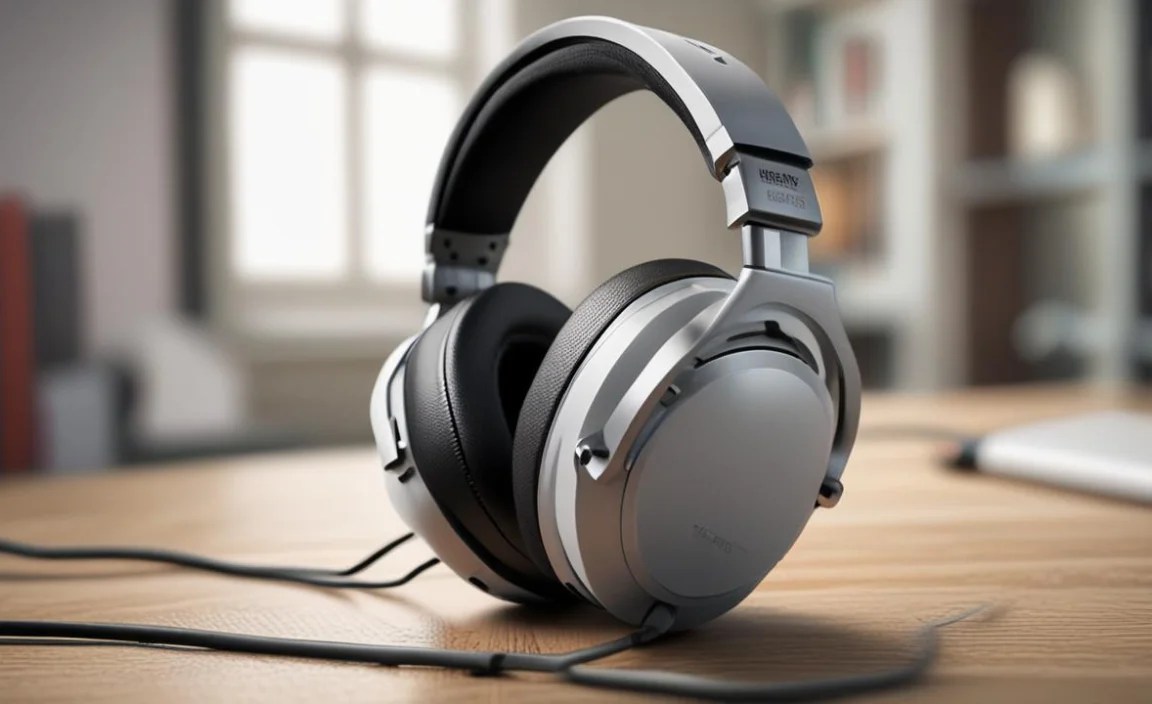
At their core, open back and closed back headphones differ in how their earcups are constructed. This seemingly small detail has a huge impact on sound quality, how you hear your surroundings, and even how the headphones feel during long gaming sessions.
Closed Back Headphones: The Isolation Experts
Imagine your headphones as a little sound bubble. Closed back headphones are designed to create that bubble. Their earcups are sealed, meaning they physically block out a significant amount of external noise. This is achieved by having a solid, non-porous surface on the back of the earcups.
How they work: The sealed design directs all the sound from the drivers (the tiny speakers inside) directly into your ears. This not only keeps outside distractions at bay but also prevents sound from leaking out, so others won’t easily hear what you’re listening to.
Open Back Headphones: The Breathable Soundstage
Now, picture headphones that feel more natural, as if the sound is coming from all around you. Open back headphones have earcups that are perforated or have grilles on the back. This allows air and sound to pass through.
How they work: Because the back is open, sound isn’t trapped. This creates a more airy, natural, and expansive sound profile. You can often hear a bit of your surroundings, and people nearby might hear your game audio. They tend to feel more comfortable and less “stuffy” for extended wear.
The Big Debate: Open Back vs Closed Back for Gaming

Now that we know the fundamental difference, let’s dive into how these designs specifically impact your gaming experience. This is where the choice really matters for immersion, competitive edge, and comfort.
Open Back: The Competitive Edge and Immersive Soundstage
For many gamers, especially those in competitive titles, open back headphones are the holy grail. Why? It all comes down to soundstage and imaging.
- Soundstage: This refers to how “wide” or expansive the sound feels. Open back headphones create a much wider soundstage, making it feel like the game world surrounds you. Instead of sound seeming like it’s coming from inside your head, it feels like it’s originating from specific points in the game environment.
- Imaging and Positional Audio: This is crucial for gaming. Good imaging means the headphones can accurately place sounds in 3D space. With open backs, you can often pinpoint the direction of footsteps, gunshots, or enemy movements with impressive accuracy. This is a massive advantage in games where knowing your opponent’s location is key.
- Natural Sound: The open design contributes to a more natural and less fatiguing listening experience. It prevents the “pressure” feeling some people get from sealed headphones.
- Comfort: Often lighter and more breathable, open backs can be more comfortable for very long gaming sessions, reducing ear fatigue.
However, this comes with trade-offs. The open design means:
- Poor Noise Isolation: You’ll hear everything going on around you – household noises, conversations, even your own breathing can become noticeable.
- Sound Leakage: Others nearby will easily hear your game audio.
Closed Back: Uninterrupted Immersion and Bass Punch
Closed back headphones are the workhorses for many gamers, offering a different set of advantages that are incredibly valuable in certain situations.
- Excellent Noise Isolation: This is the biggest win for closed backs. They effectively block out external distractions, allowing you to fully immerse yourself in the game without being pulled out by real-world noises. This makes them ideal for playing in a busy environment, a shared room, or if you live with others who might be noisy.
- Deeper Bass Response: The sealed design helps to contain and reflect bass frequencies, often resulting in a more powerful and impactful low-end. This can make explosions, engine sounds, and dramatic soundtracks feel more visceral.
- No Sound Leakage: Your gaming audio stays within the earcups, ensuring privacy and minimizing disturbances for those around you.
- Consistent Performance: Their sound signature is generally less affected by the seal you get around your ears, making performance more predictable.
The flip side to this isolation is:
- Smaller Soundstage: The sound can feel more “in your head” compared to open backs. While good closed backs can still offer decent imaging, they usually can’t match the width and natural spaciousness of open backs.
- Potential for Ear Fatigue: Some users find the sealed environment can lead to warmer ears and a sense of pressure during very long sessions.
- Less Natural Sound: The isolation can sometimes make the sound feel a bit less “airy” or natural compared to open designs.
Key Features to Consider for Gaming Headsets

Beyond the open vs. closed back design, several other features are vital for a great gaming headset. Keep these in mind when you’re making your selection:
1. Microphone Quality
For online multiplayer games, a clear microphone is non-negotiable. Look for headsets with:
- Clear Voice Pickup: Your teammates need to hear you without static, background noise, or mumbling.
- Noise Cancellation: A good mic will filter out ambient noise (like keyboard clicks or fan hum) so your voice comes through clearly.
- Detachable or Retractable Mics: These offer flexibility – you can remove them when not in use or tuck them away for watching movies.
2. Comfort and Fit
You’ll likely be wearing these for hours on end. Prioritize:
- Earcup Material: Breathable fabrics like velour are great for avoiding sweaty ears, especially with open backs. Leatherette is common in closed backs for its durability and isolation.
- Headband Padding: Adequate padding prevents pressure points on your head.
- Weight: Lighter headphones are generally more comfortable for long sessions.
- Clamping Force: The pressure the headset applies to your head. Too tight is uncomfortable; too loose and they might fall off.
3. Durability and Build Quality
A gaming headset is an investment. Look for:
- Sturdy Materials: Metal components in the headband or yokes are generally more durable than all-plastic designs.
- Cable Quality: Detachable, braided cables are often more robust and easier to replace if they get damaged.
4. Connectivity
How will you connect your headphones?
- Wired (3.5mm Jack, USB): Offers stable, latency-free audio, essential for competitive gaming. USB connections often provide access to virtual surround sound features.
- Wireless (RF, Bluetooth): Offers freedom of movement. RF (Radio Frequency) is typically lower latency than Bluetooth and preferred for gaming. Ensure good battery life and easy charging.
5. Surround Sound Technologies
Many gaming headsets boast virtual surround sound (like DTS Headphone:X or Dolby Atmos). These software solutions can simulate a surround sound experience with stereo headphones, enhancing immersion and directional awareness. While they can be helpful, especially with closed-back headphones, they work best when the headset itself provides a good foundation with decent imaging.
Pros and Cons at a Glance

To help solidify your understanding, here’s a quick comparison table summarizing the key advantages and disadvantages of each headphone type for gaming:
| Feature | Open Back Headphones | Closed Back Headphones |
|---|---|---|
| Soundstage & Imaging | Excellent; wide, natural, precise positional audio. | Good to Very Good; more “in-head,” imaging can be less precise than open backs. |
| Noise Isolation | Poor; allows external sounds in and game sounds out. | Excellent; blocks out distractions, no sound leakage. |
| Bass Response | Generally lighter, more natural. | Often punchier, more impactful due to the sealed design. |
| Immersion | High due to natural spaciousness and accurate positional cues. | High due to isolation and powerful low-end; can feel more intense. |
| Comfort for Long Sessions | Often more breathable and less fatiguing; can feel lighter. | Can sometimes lead to warmer ears or a feeling of pressure. |
| Ideal Use Case | Quiet environments, competitive gaming, audiophile listening. | Noisy environments, casual gaming, immersive single-player, privacy needed. |
Putting It Into Practice: Which Type is Right for Your Gaming Needs?

The best choice ultimately hinges on your personal gaming habits and environment. Ask yourself these questions:
Scenario 1: You’re a Competitive Gamer in a Quiet Room
If you play a lot of fast-paced, competitive games (think Valorant, CS:GO, Overwatch) and you have a dedicated, quiet gaming space, open back headphones are likely your best bet. The superior soundstage and precise imaging will give you a significant advantage by allowing you to hear and pinpoint enemy movements more accurately. You won’t be bothered by external noise, and the natural sound will prevent fatigue during long matches.
Scenario 2: You Game in a Noisy Household or Shared Space
If you’re often interrupted by family, roommates, or neighborhood noise, closed back headphones are your champion. Their ability to isolate you from the outside world means you can fully lose yourself in the game without distractions. This is also great if you need to keep your gaming audio private.
Scenario 3: You Play a Variety of Games (Single Player & Multiplayer)
For a balanced experience, it’s a tougher call.
- If immersion and epic soundtracks are your priority (e.g., The Witcher 3, Red Dead Redemption 2, Cyberpunk 2077), and you enjoy feeling the rumble of explosions, a good pair of closed back headphones might offer that visceral thrill.
- If pinpoint accuracy for multi-player modes comes first, even within your varied play, lean towards open backs.
- Consider a hybrid approach: Some gamers own both! A pair of open backs for focused multiplayer sessions and a pair of closed backs for immersive single-player adventures or when noise isolation is paramount.
Scenario 4: You’re on a Budget
Generally, high-end open-back headphones tend to be more expensive due to their intricate driver designs needed to achieve that wide soundstage. However, you can find excellent budget-friendly options in both categories. A well-reviewed closed-back headset might offer more bang for your buck if noise isolation is a must-have feature you can’t compromise on.
Maintaining Your Gaming Headphones
Regardless of whether you choose open or closed back, proper maintenance will ensure your headphones sound great and last longer. Here are some easy tips:
Regular Cleaning
- Earcups: For fabric earpads, use a slightly damp cloth and mild soap if necessary. For leatherette, wipe with a damp cloth and dry thoroughly. Avoid harsh chemicals.
- Grilles (Open Backs): Gently use a dry, soft brush (like a makeup brush or even a clean toothbrush) to remove dust and debris from the grilles. Do this carefully to avoid damaging the drivers.
- Headband: Wipe down the headband with a damp cloth.
- Cable: Keep the cable clean and avoid coiling it too tightly.
A good rule of thumb is to clean them every couple of weeks or whenever you notice them getting dirty. For more in-depth cleaning tips, you can check out resources like those from the Federal Trade Commission (FTC) on electronics care.
Proper Storage
- Avoid leaving headphones exposed to direct sunlight or extreme temperatures.
- If you have a headphone stand, use it! This prevents cables from getting tangled and protects the earcups from being crushed.
- If you travel with your headphones, consider a protective hard case.
Handle with Care
- Don’t yank the cable when unplugging headphones. Instead, use the connector itself.
- Avoid dropping your headphones.
- Be mindful of the clamping force; don’t stretch them unnecessarily.
Frequently Asked Questions (FAQ)
Q1: Can I use open back headphones for listening to music or watching movies?
Absolutely! Many audiophiles prefer open-back headphones for music and movies due to their natural sound and wide soundstage. The immersive quality can be fantastic for cinematic experiences.
Q2: Will closed back headphones make my ears sweat too much?
This depends on the materials and your personal sensitivity. Leatherette earcups in closed-back designs can sometimes trap heat. If this is a concern, look for closed-back models with velour or hybrid earpad materials, or consider open-back options if your environment allows.
Q3: Is a microphone absolutely essential for gaming headphones?
For online multiplayer games where communication is key, yes, a good microphone is essential. If you primarily play single-player games offline, you might prioritize audio quality over microphone features.
Q4: Which type is better for virtual surround sound?
Both types can work with virtual surround sound. However, closed-back headphones, with their contained sound, sometimes provide a more pronounced effect when paired with virtual surround software, making the directional cues feel more distinct within that already “in-head” sound.
Q5: Do open back headphones offer any bass at all?
Yes, they do! While closed-back headphones often have a more pronounced and “punchy” bass due to their design, open-back headphones offer a more natural, balanced, and detailed bass response. It might not hit as hard, but it’s usually more refined.
Q6: How does the price point differ between open and closed back gaming headphones?
It varies greatly by brand and features. You can find affordable options in both categories. However, achieving a truly expansive and precise soundstage with open-back designs often requires more sophisticated engineering, which can sometimes lead to higher price tags at the premium end. For entry-level to mid-range, both are widely available.
Conclusion
Choosing between open back and closed back headphones for gaming is about finding the perfect balance for your unique needs. If pinpoint positional audio and an expansive, natural soundstage are your top priorities, and you game in a quiet environment, open back headphones will likely elevate your gameplay to new heights. They offer an unmatched sense of immersion that puts you right in the heart of the action. On the other hand, if you need to shut out the world, enjoy booming bass for cinematic moments, and ensure your conversations stay private, closed back headphones are an excellent, powerful choice. They deliver focused, impactful sound that, combined with good noise isolation, guarantees an uninterrupted gaming experience.
Don’t forget to factor in comfort for those marathon sessions, microphone quality for clear team communication, and the overall build of the headset. Ultimately, both designs offer fantastic ways to enhance your gaming audio. Whether you crave the competitive edge that open backs provide or the isolating immersion of closed backs, there’s a perfect pair out there waiting to help you conquer your favorite virtual worlds. Happy gaming!
