
Quick Summary: Open-backed headphones offer a wider, more immersive soundstage perfect for discerning in-game audio cues, enhancing your gaming experience. While they aren’t isolating, their superior spatial awareness and comfort make them an essential choice for many gamers seeking a competitive edge and deeper immersion.
Open-Backed Headphones for Gaming: An Essential Choice for Immersive Play
Hey everyone, Edward Cavitt here from headphonehorizon! If you’re diving into the thrilling world of gaming, you know how crucial every sound can be. From the faintest enemy footsteps to the roar of a dragon, audio is your second sense. But with so many headphone options out there, which ones truly elevate your gameplay? Today, we’re talking about a specific type that many gamers swear by: open-backed headphones. They might not be the quietest option, but for many, they are an absolute game-changer. Let’s explore why these headphones are more than just a preference – they’re often an essential choice for a truly immersive gaming experience.
The Deep Dive: What Exactly Are Open-Backed Headphones?

Before we jump into why they’re great for gaming, let’s clear up what open-backed headphones are. Unlike traditional closed-back headphones, open-backed models have… well, open earcups! This design means you can see and feel air passing through them. There’s no solid barrier to block out external noise, and more importantly, the sound from the drivers can escape outwards.
This design choice has a significant impact on the sound. It allows for a more natural, airy, and spacious sound profile. Think of it like listening to speakers in a well-designed room versus a soundproof booth – there’s a natural sense of space and clarity. For gaming, this translates into a more realistic and immersive audio experience.
Why Open-Backs Are a Game-Changer for Gamers

So, how does this unique design benefit your gaming sessions? It all comes down to creating a more realistic, three-dimensional soundscape that directly impacts your ability to pinpoint enemy locations and get lost in the game world.
1. Unparalleled Soundstage and Imaging
This is arguably the biggest reason gamers gravitate towards open-backed headphones. The open design allows sound waves to dissipate more naturally, creating a much wider and more realistic “soundstage.” In simple terms, the sound doesn’t feel like it’s trapped inside your head. Instead, it feels like it’s coming from around you, mimicking how you’d hear sounds in real life.
This wider soundstage is crucial for gaming because it directly translates to better “imaging” and “spatial awareness.” You can more accurately discern the direction and distance of in-game sounds. Is that rustle of leaves to your left front, or directly behind you? Did that bullet ricochet off the wall to your right? Open-backs excel at throwing these crucial directional cues into sharp relief, giving you a significant advantage.
For competitive gamers, this means:
- Quickly identifying enemy positions without needing to constantly look at your minimap.
- Reacting faster to flanking maneuvers.
- Better immersion in games with rich, spatially designed audio environments (like RPGs or survival horror).
2. Superior Comfort for Marathon Gaming Sessions
Gaming often involves long hours glued to your screen. Comfort is paramount. Open-backed headphones tend to be significantly more comfortable for extended wear due to a few factors:
- Breathability: The open design allows for much better airflow to your ears. This prevents them from getting hot and sweaty, a common problem with many closed-back headphones.
- Lighter Build: Often, not having to seal off the earcups completely allows manufacturers to use lighter materials and simpler designs, leading to a lighter overall headset.
- Less Clamping Force: Many open-back designs aim for a gentler fit, meaning less pressure on your head and ears.
A comfortable headset means less distraction and more focus on the game. You can play for hours without feeling the need to constantly readjust or take a break due to discomfort.
3. Natural and Uncolored Sound
While some gamers seek boosted bass for that punchy feel, many appreciate the more natural and uncolored sound that open-backed headphones often provide. This means the sound reproduction is closer to what the game developers intended. For games where audio fidelity is key – think subtle environmental cues, nuanced character dialogue, or the distinct sound of different weapon types – open-backs deliver clarity without artificial enhancements that can sometimes distort or mask important details.
This natural sound profile can also be beneficial for other audio needs, like listening to music or watching movies, making them a more versatile audio solution if you use your headphones for more than just gaming.
The Trade-offs: What to Consider with Open-Backs

No headphone type is perfect for every situation. While open-backed headphones offer fantastic advantages for gaming, they do come with some significant trade-offs that are important to understand.
1. Lack of Sound Isolation
This is the flip side of having an open design. Because sound can escape from the earcups, it means sound from your environment can also get in. If you game in a noisy environment – perhaps with roommates, family, pets, or street noise – open-backed headphones will likely not be a good fit. You’ll hear everything happening around you, which can be incredibly distracting and detrimental to your gaming focus and immersion.
Similarly, if you game late at night and are concerned about disturbing others, open-backs are not ideal. The sound will leak out, and people nearby might be able to hear what you’re listening to.
2. Bass Response (Potentially)
For genres of music where deep, rumbling bass is essential (like EDM or hip-hop), some audiophiles find that open-backed headphones can lack the punch and intensity that closed-back designs can deliver. This is because the open design allows bass frequencies to escape. However, for gaming, the emphasis is usually on the clarity and positional accuracy of bass, rather than its sheer impact, so this is often less of a concern for gamers. Many open-back gaming headphones are designed to have a satisfying, but not overpowering, bass presence.
3. Durability and Portability
While not universally true, open-backed headphones can sometimes be perceived as less robust than their closed-back counterparts. The open grilles and often lighter constructions mean they might require a bit more care. Also, their inherent design makes them less suitable for noisy commutes or public use, as they offer no acoustic privacy.
Open-Back VS. Closed-Back for Gaming: A Quick Comparison
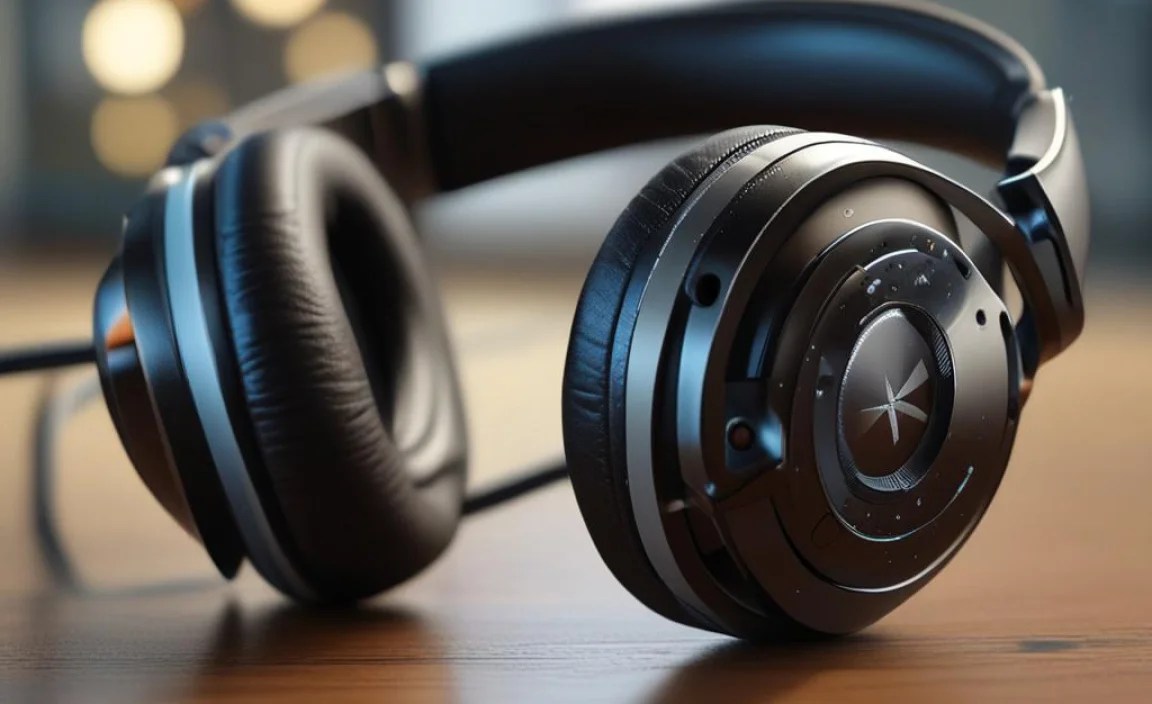
To help solidify the differences, let’s put open-back and closed-back headphones head-to-head for gaming scenarios.
| Feature | Open-Backed Headphones | Closed-Back Headphones |
|---|---|---|
| Soundstage & Imaging | Excellent; wide, natural, precise positional audio. Ideal for spatial awareness. | Good to Moderate; more intimate soundstage, can feel “in your head.” |
| Immersion & Realism | High; creates a sense of space, like listening to speakers. | Moderate to High; can feel more intense due to isolation. |
| Isolation (Noise Blocking) | Very Poor; lets outside noise in and game sound out. | Very Good to Excellent; blocks out most external noise. |
| Comfort (Long Sessions) | Excellent; breathable, often lighter, less clamping force. | Good; can get warm/sweaty, may have more clamping force. |
| Bass Impact | Moderate to Good; natural, clear bass. Less “oomph” for some. | Good to Excellent; often deeper, more impactful bass. |
| Use Case | Quiet environments, focus on spatial audio and comfort. | Noisy environments, desire for privacy, emphasis on bass impact. |
Key Features to Look For in Open-Backed Gaming Headphones

When you’re shopping for open-backed headphones specifically for gaming, keep these features in mind:
- Driver Size and Quality: Larger drivers (typically 40mm or 50mm) can produce a fuller sound. The quality of the driver is more important than just size, though. Look for reputable brands known for good audio engineering.
- Frequency Response: While the numbers (e.g., 20Hz-20kHz) are a guide, more important is how balanced the sound is. For gaming, you want clear mids and highs to pick up footsteps, and a well-defined bass that doesn’t muddle the soundstage.
- Comfort and Fit: As mentioned, comfort is key. Look for plush earcups (velour is great for breathability), an adjustable headband, and a design that distributes weight evenly.
- Detachable Microphone: If you need a microphone, a detachable or swappable one is a huge plus. It means you can use the headphones for non-gaming audio with a cleaner look and no mic in the way. Some high-end open-backs are designed as headphones first, often with optional boom mics you can add.
- Build Materials: While open-backs can be lighter, good build quality ensures they last. Metal components in the headband or yokes can add durability.
- Cable Quality and Length: A decent length cable (around 2-3 meters) is usually good for PC gaming. A braided cable tends to be more durable than a rubberized one. Detachable cables are a bonus for easy replacement if they get damaged.
Gaming Scenarios Where Open-Backs Shine
Let’s imagine some specific gaming situations where open-backed headphones truly excel:
1. The Stealthy Shooter
You’re playing a tactical shooter like Counter-Strike 2 or Valorant. The faintest sound of an enemy’s footsteps on metal, the subtle click of a reload, or the distant deployment of a gadget can mean the difference between victory and defeat. Open-backed headphones excel at presenting these sounds with extreme clarity and precise directional positioning, allowing you to pinpoint exactly where the threat is coming from long before you see it.
2. The Immersive RPG/Adventure Gamer
You’re exploring vast, richly detailed worlds in games like The Witcher 3, Elden Ring, or Horizon Forbidden West. The wind whistling through trees, the distinct roar of a monster, the ambient chatter of a town, or the sound of a sword unsheathing – these elements are crucial for drawing you into the game’s universe. The wide soundstage of open-backs makes these environments feel incredibly real and vast, pulling you deeper into the narrative.
3. The Racing Enthusiast
In a racing simulator like Assetto Corsa Competizione or Forza Motorsport, the sound of your engine, the tire grip on the tarmac, and the roar of opposing cars are vital for feedback. Open-backs can provide a more natural sense of the engine’s pitch and the perspective of other cars on the track, enhancing the feeling of speed and control.
Setting Up Your Open-Backs for Gaming: A Few Tips
Once you’ve got your open-backed gaming cans, there are a few things you can do to optimize your experience:
1. Ensure a Properly Sealed Fit
Even though they are open, the earcups still need to make relatively good contact with the sides of your head to get the best soundstage and bass response. Make sure the earpads are plush and the headband is adjusted correctly so the weight is distributed evenly, allowing the pads enough surface area to create a seal without being uncomfortable.
2. Consider a DAC/AMP (Optional but Recommended for High-End Models)
Many open-backed headphones, especially higher-impedance models, benefit from being driven by an external Digital-to-Analog Converter (DAC) and amplifier (AMP). This can provide a cleaner, more powerful audio signal than your computer’s built-in sound card can typically offer. A good DAC/AMP can unlock the full potential of your headphones, improving clarity, dynamics, and overall sound quality.
You can often find combo units that handle both DAC and amplifier functions. For PC gaming, a USB DAC/AMP is a common and convenient solution. For example, the Topping DX3 Pro (a popular audiophile choice) is a well-regarded DAC/AMP that can power many headphones effectively.
3. Experiment with In-Game Audio Settings
Most games have various audio settings. While open-backs generally perform well with “Stereo” or “High Fidelity Surrounds” settings, some might benefit from Windows Sonic, Dolby Atmos for Headphones, or DTS Headphone:X. These virtual surround sound technologies can sometimes further enhance spatial queues, building on the natural advantages of open-backs. Experiment to see what sounds best for your specific game and headphones. You can find out more about spatial audio technologies from sources like Microsoft’s official site on Windows Sonic.
4. Maintain a Quiet Gaming Environment
This cannot be stressed enough. To truly enjoy the benefits of open-backed headphones, you need to minimize ambient noise. If your typical gaming setup is in a busy living room or near a window overlooking a street, consider alternatives like gaming in a quieter room or investing in noise-dampening solutions for your space. Remember, the open design is their strength for soundstage, but also their weakness for isolation.
Popular Open-Backed Headphones for Gaming
While my goal is to empower you to make informed choices, here are a few well-regarded open-backed headphones that are frequently recommended for gaming. These are just examples, and many other excellent options exist!
- Sennheiser HD 599 / HD 560S: Known for their balanced sound, comfort, and excellent detail retrieval. The HD 560S, in particular, is praised for its incredibly accurate soundstage.
- Audio-Technica ATH-AD700X / ATH-AD900X: These have been popular among gamers for years, offering a very wide soundstage and comfortable fit at a reasonable price point.
- Beyerdynamic DT 990 Pro: A staple in studios and gaming setups alike, offering a bright, analytical sound with a wide soundstage and robust build. They are semi-open, offering a little more isolation than fully open designs.
- Philips Fidelio X2HR: Frequently cited for their enjoyable sound signature, excellent comfort, and impressive soundstage, making them a great all-rounder for gaming and music.
Note: Specific models and their availability can change. Always check recent reviews and user feedback before purchasing.
Frequently Asked Questions (FAQ)
Q1: Can I really hear footsteps better with open-backed headphones?
Yes, absolutely! The wider soundstage and natural audio presentation of open-backed headphones make it much easier to discern directional cues like footsteps, making them incredibly useful for games where auditory awareness is key.
Q2: Do open-backed headphones leak sound?
Yes, they do. Sound from the headphones will escape into your environment, and ambient noise will come into your ears. This is a fundamental characteristic of their design.
Q3: Are open-backed headphones comfortable for long gaming sessions?
Generally, yes. Their open design allows for much better airflow, preventing your ears from getting hot and sweaty. They are often lighter and can have less clamping force, contributing to greater comfort over extended periods.
Q4: What kind of games are open-backed headphones best suited for?
They are ideal for games where spatial audio and detail are important – tactical shooters, RPGs, simulation games, and story-driven adventures. They are less ideal for situations where you need to block out significant noise or for those who prefer a very boomy bass experience.
Q5: Do I need a separate microphone with open-backed headphones?
Many open-backed headphones are designed purely as headphones, sometimes without a built-in microphone. You may need to purchase a separate, attachable microphone (like a ModMic) or use a standalone USB microphone if voice communication is important for your gaming.
Q6: Can I use open-backed headphones for competitive esports?
For many professional and amateur esports players, yes. The ability to accurately pinpoint enemy locations is a critical advantage. However, the choice often depends on the player’s environment (needs isolation) and personal preference regarding sound signature.
Q7: Will open-backed headphones help me hear my teammates talking better?
They will present your teammates’ voices clearly, much like any good pair of headphones. The primary benefit for communication is the clarity of their voice. However, if your teammates’ voices are critical and you need to block out all other noise, a closed-back headphone might still be
