
Quick Summary: Choosing the right plug-in headphones for your iPhone is easy when you know what to look for. This guide covers the types of headphones that connect to your iPhone, whether through the Lightning port or a separate adapter, and provides essential picks and tips to help you find the perfect pair for great sound and comfort.
Plug In Headphones for iPhone: Essential Picks for Every Listener

Hey there, fellow music lovers! Edward Cavitt here from Headphone Horizon, your friendly guide to all things audio. If you’re an iPhone user wondering about the best way to plug in and get immersed in your favorite tunes, podcasts, or calls, you’ve come to the right place. With so many options out there, it can feel a bit overwhelming, but don’t worry. We’re going to break down the essentials of choosing wired headphones for your iPhone, focusing on simplicity and sound quality. Let’s dive in and find the perfect set for you!
Why Wired Headphones Still Rock with Your iPhone
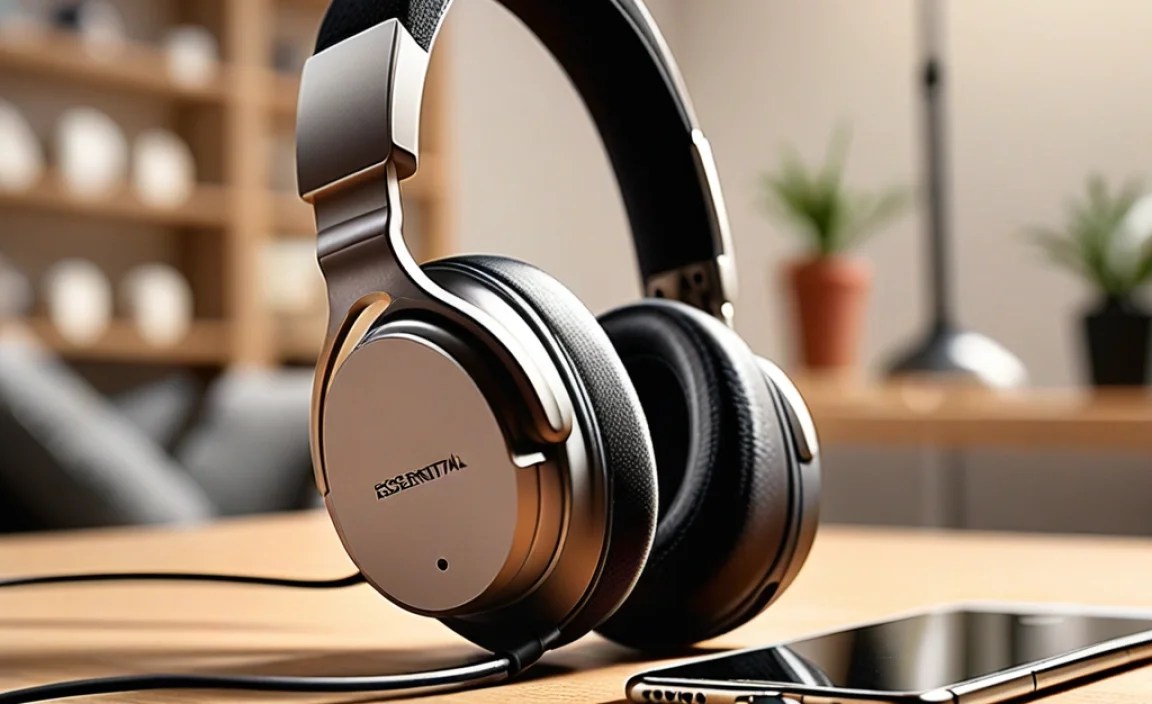
Even in a world dominated by wireless options, wired headphones (or “plug-in” headphones, as many of us call them) offer some fantastic benefits. For starters, they generally provide a more stable audio connection, meaning fewer dropouts and consistent sound quality. Plus, you don’t have to worry about battery life – just plug them in and go! For iPhone users, this often means connecting via the trusty Lightning port or using a simple adapter. This guide is all about helping you navigate those choices and find headphones that deliver excellent sound without any fuss.
Understanding iPhone Headphone Connections

When it comes to plugging headphones into your iPhone, there are a couple of primary ways this happens, depending on your iPhone model. Understanding these will be the first step in your headphone hunt.
The Lightning Connector: Direct Connection
Many newer iPhones (typically from the iPhone 7 and later, excluding models with USB-C ports) don’t have a traditional 3.5mm headphone jack. Instead, they use Apple’s proprietary Lightning port for charging and data. This means you can get headphones with a built-in Lightning connector. These headphones plug directly into your iPhone, offering a seamless experience without the need for an adapter.
Benefits of Lightning Headphones:
- No adapter needed for compatible iPhones.
- Can sometimes offer enhanced audio features as they bypass the iPhone’s internal DAC (Digital-to-Analog Converter) and use their own.
- Secure physical connection.
The 3.5mm Headphone Jack: The Classic Choice (with an Adapter)
If you have an older iPhone model, you might still have the classic 3.5mm headphone jack. For newer iPhones without this jack, Apple provides a small but mighty accessory: the 3.5mm Headphone Jack Adapter. This adapter plugs into your iPhone’s Lightning port and gives you a standard headphone jack to connect any traditional wired headphones.
Benefits of using a 3.5mm Adapter:
- Allows you to use the vast majority of wired headphones already on the market.
- Provides flexibility if you have multiple pairs of headphones.
- Relatively inexpensive way to maintain headphone compatibility.
Essential Picks: Top Plug-In Headphones for Your iPhone

Now that we know how to connect, let’s look at some reliable types and specific picks that are great for iPhone users. I’ll focus on different categories to suit various needs and budgets.
1. The Reliable Earbuds: Perfect for Everyday Use
Earbuds are the go-to for many people. They’re compact, easy to carry, and provide a good balance of sound quality and convenience for daily listening, commuting, and calls.
a) Apple EarPods (with Lightning Connector)
It’s hard to talk about plug-in headphones for iPhones without mentioning Apple’s own EarPods. These are designed specifically for Apple devices and offer a familiar fit for most users. They deliver clear sound for music and voices, and the integrated remote allows for easy volume control and playback management.
- Pros: Direct Lightning connection, comfortable for many, affordable, good for calls.
- Cons: Sound quality might not satisfy audiophiles, not the most durable.
b) A Standard 3.5mm Earbud (e.g., Sennheiser CX 300S)
If you’re using the 3.5mm adapter, a solid pair of wired earbuds from a reputable audio brand can be a fantastic upgrade. The Sennheiser CX 300S, for example, offers a noticeable jump in audio fidelity over basic earbuds, with punchy bass and clear highs. They are lightweight and come with multiple ear tip sizes for a secure and comfortable fit.
- Pros: Great sound for the price, comfortable fit with multiple tips, good noise isolation.
- Cons: Requires the 3.5mm adapter for newer iPhones, cord can sometimes tangle.
2. Noise-Cancelling Headphones: Your Oasis of Sound
For those who travel, commute on noisy public transport, or simply want to focus without distractions, active noise-cancelling (ANC) headphones are a game-changer. While ANC is more common in wireless models, there are still excellent wired options available.
a) Bose QuietComfort 35 II (with optional QuietComfort 35 II cable)
While the QC35 II are primarily known as wireless headphones, they do come with a detachable audio cable that works perfectly with your iPhone (via the 3.5mm adapter). The legendary noise-cancelling technology from Bose is hard to beat, creating a serene listening environment. The comfort of these over-ear headphones is also unparalleled for long listening sessions.
- Pros: Industry-leading noise cancellation, supreme comfort, excellent sound quality, works wirelessly too.
- Cons: Expensive, requires 3.5mm adapter, ANC requires battery power.
b) Audio-Technica ATH-ANC700BT (using wired mode)
Another excellent option that bridges wireless and wired is the ATH-ANC700BT. While it offers Bluetooth, it also comes with a detachable audio cable for wired use with your iPhone. It provides effective noise cancellation and a well-balanced sound signature that audiophiles can appreciate. The over-ear design offers good passive isolation as well.
- Pros: Good ANC, balanced sound, comfortable over-ear fit, option to use wired or wireless.
- Cons: Requires 3.5mm adapter, ANC requires battery, can be a bit bulky.
3. Audiophile-Grade Headphones: For the Discerning Ear
If sound quality is your absolute top priority, and you don’t mind a slightly larger setup or the need for an adapter, investing in high-fidelity wired headphones can be incredibly rewarding. These headphones often showcase incredible detail, a wide soundstage, and a more natural and accurate reproduction of music.
a) Beyerdynamic DT 770 PRO
These are studio workhorses that have become beloved by many for their clarity and durable build. Available in different impedance versions (80 Ohm is a good all-rounder for iPhone use with the adapter), they offer a detailed, analytical sound that’s fantastic for critical listening. The velour ear pads are incredibly comfortable for extended wear.
- Pros: Exceptional detail and clarity, robust build, very comfortable for long sessions, great value for the sound quality.
- Cons: Requires 3.5mm adapter, can be a bit bulky, sound signature is analytical (may not suit bass-heavy preferences out-of-the-box).
b) AKG K240 Studio
Semi-open back headphones like the AKG K240 Studio offer a wider, more natural soundstage and excellent detail. They are known for their balanced sound profile, making them versatile for various music genres. Their lightweight design and comfortable ear pads make them suitable for long listening sessions at home or in a quiet environment.
- Pros: Wide soundstage, natural and balanced sound, comfortable, good for detail listening.
- Cons: Semi-open back design means sound can leak in and out (not ideal for noisy environments or quiet offices), requires 3.5mm adapter.
Choosing Your Perfect Pair: What to Consider
Beyond the specific recommendations, here are some key factors to keep in mind when selecting plug-in headphones for your iPhone:
1. Sound Quality Preferences
Do you like booming bass, crystal-clear mids, or sparkling highs? Some headphones are tuned for a specific sound profile. For example:
- Bass-heavy: Often preferred for pop, hip-hop, and electronic music.
- Balanced/Neutral: Ideal for rock, classical, jazz, and critical listening.
- Vocal-focused: Great for podcasts and vocal-centric music.
2. Comfort and Fit
This is crucial! If your headphones aren’t comfortable, you won’t wear them. Consider:
- Earbuds: Look for multiple ear tip sizes (silicone or foam) to ensure a snug, comfortable seal.
- On-ear headphones: Check the padding on the earcups and headband.
- Over-ear headphones: Ensure the earcups fully enclose your ears and the clamping force isn’t too tight.
3. Durability and Build Quality
A well-built pair of headphones will last longer. Look for sturdy materials, reinforced cables, and good strain relief where the cable meets the earcup or plug.
4. Portability
Are you always on the go? Smaller earbuds or foldable on-ear/over-ear headphones will be more convenient to stash in a pocket or bag.
5. Intended Use
- Commuting/Travel: Consider noise isolation or active noise cancellation.
- Home Listening: Open-back or comfortable over-ear headphones can be excellent.
- Exercise: Sweat-resistant earbuds with a secure fit are best. (Note: Many plug-in options aren’t ideal for strenuous exercise due to cables).
- Calls: Look for inline microphones and clear voice reproduction.
Quick Comparison Table
Here’s a simplified look at how some popular types stack up:
| Headphone Type | Best For | Connection Method (iPhone) | Portability | Noise Isolation |
|---|---|---|---|---|
| Lightning Earbuds (e.g., Apple EarPods) | Everyday listening, calls, convenience | Direct Lightning | Very High | Moderate (in-ear seal) |
| 3.5mm Earbuds (e.g., Sennheiser CX 300S) | Improved audio quality, general use | 3.5mm Adapter | Very High | Good (in-ear seal) |
| ANC Over-Ear Headphones (e.g., Bose QC35 II) | Travel, noisy environments, immersive listening | 3.5mm Adapter | Moderate (often foldable) | Very High (Active + Passive) |
| Audiophile Over-Ear Headphones (e.g., DT 770 PRO) | Critical listening, studio quality at home | 3.5mm Adapter | Low (generally larger, non-folding) | Good to High (passive isolation) |
Maintaining Your Plug-In Headphones
To get the most out of your investment and ensure great sound for years to come, a little maintenance goes a long way. Here are some simple tips:
1. Keep Them Clean
- Earbuds: Periodically remove ear tips and clean them with a damp cloth. Gently wipe down the earbud housing. For the speaker grilles, a dry, soft brush (like an old toothbrush or a specialized headphone cleaning brush) can carefully remove debris.
- Over-ear/On-ear: Wipe down the earcups and headband with a dry or slightly damp microfiber cloth. If ear pads are removable, you can often clean them more thoroughly (check manufacturer instructions).
2. Protect the Cable
The cable is often the most vulnerable part. Avoid sharply bending it, yanking it from ports, or wrapping it too tightly. Store them loosely coiled.
3. Store Properly
When not in use, keep your headphones in a case or a pouch. This protects them from dust, moisture, and physical damage. Many headphones come with a carrying case, so use it!
4. Avoid Extreme Conditions
Don’t leave your wired headphones in direct sunlight, extreme heat, or very cold temperatures, as these conditions can degrade materials and affect performance.
For more detailed cleaning and care advice, visit resources like CNET’s guide on headphone care, which offers practical, easy-to-follow steps.
Frequently Asked Questions (FAQ)
Q1: Do I need an adapter for all headphones with my iPhone?
Not necessarily! If your iPhone has a Lightning port and you buy headphones with a built-in Lightning connector, you won’t need an adapter. However, if you want to use headphones with a standard 3.5mm plug, you will need Apple’s official 3.5mm Headphone Jack Adapter or a compatible third-party adapter.
Q2: Can I charge my iPhone while using plug-in headphones?
If you’re using headphones with a Lightning connector, you generally cannot charge your iPhone and listen to audio simultaneously through that port alone, as it’s occupied. You would need a special adapter that has both a Lightning port for charging and another port (Lightning or 3.5mm) for headphones. If you’re using the 3.5mm adapter, you can use a charging adapter that plugs into your iPhone’s Lightning port and has pass-through charging and a headphone jack.
Q3: Will wired headphones sound better than wireless ones?
Often, yes, especially at similar price points. A direct wired connection generally transmits audio data more faithfully, without the potential compression that can occur with Bluetooth. High-quality wired headphones can reveal more detail and nuance in your music.
Q4: What does “impedance” mean for headphones, and how does it affect my iPhone?
Impedance, measured in Ohms (Ω), refers to the resistance to electrical current. For iPhones, which have a built-in headphone amplifier, they can typically drive headphones with impedances up to around 80 Ohms quite well. Higher impedance headphones (like some audiophile models) might require a dedicated headphone amplifier to reach optimal volume and sound quality, though many still work acceptably without one, albeit at lower volumes.
Q5: Are there any specific iPhone settings I should adjust for plug-in headphones?
For standard wired headphones, your iPhone handles most of the audio processing automatically. However, you can explore audio settings by going to Settings > Accessibility > Audio/Visual. Here, you can adjust things like Mono Audio, reduce Loud Sounds, or experiment with the Equalizer (EQ) to tailor the sound to your liking.
Q6: Can I use third-party Lightning headphones?
Yes, you can use third-party headphones with a Lightning connector. Just ensure they are “Made for iPhone” (MFi) certified. This certification means they’ve met Apple’s performance standards and are guaranteed to work with your iPhone.
Conclusion: Enjoy Your Seamless Listening Experience!
Choosing the right plug-in headphones for your iPhone doesn’t have to be complicated. Whether you prefer the simplicity of direct Lightning earbuds like Apple’s own EarPods, need the versatility of a 3.5mm adapter for a wider range of options, or are looking for an immersive audio experience with high-fidelity or noise-cancelling models, there’s a perfect wired solution out there for you. By considering sound preference, comfort, how and where you’ll use them, and a little bit of care, you can ensure many hours of enjoyable listening. So go ahead, plug in, and let your favorite sounds take you away!
