
Quick Summary: Ready to find your perfect pair of headphones? This guide demystifies the “Headphone Challenge” by breaking down essential questions to ask yourself and about the headphones. Learn to evaluate sound quality, comfort, features, and durability to make informed choices and get the best listening experience.
Hey there, fellow audio adventurers! Edward Cavitt here from Headphone Horizon. Navigating the world of headphones can sometimes feel like trying to find a specific tune at a massive music festival – a little overwhelming! But what if I told you there’s a way to simplify that search and unlock a truly awesome listening experience? It’s all about asking the right questions. Whether you’re a music aficionado, a podcast devotee, or just someone who needs a reliable pair for calls, understanding what truly matters in headphones will make all the difference. Let’s dive into the “Headphone Challenge” and equip you with the proven insights to find your sonic soulmate!
What is the “Headphone Challenge”?

The “Headphone Challenge” isn’t a specific product or event, but rather a personal journey every headphone buyer undertakes, consciously or unconsciously. It’s the process of evaluating your needs, understanding the vast array of options available, and ultimately selecting the headphones that best suit your lifestyle, preferences, and budget. Think of it as your mission to find headphones that don’t just play sound, but enhance your audio experience in every way. This guide is designed to be your trusty roadmap, helping you tackle this challenge with confidence and discover proven insights along the way.
Phase 1: Understanding Your Listening Habits & Needs
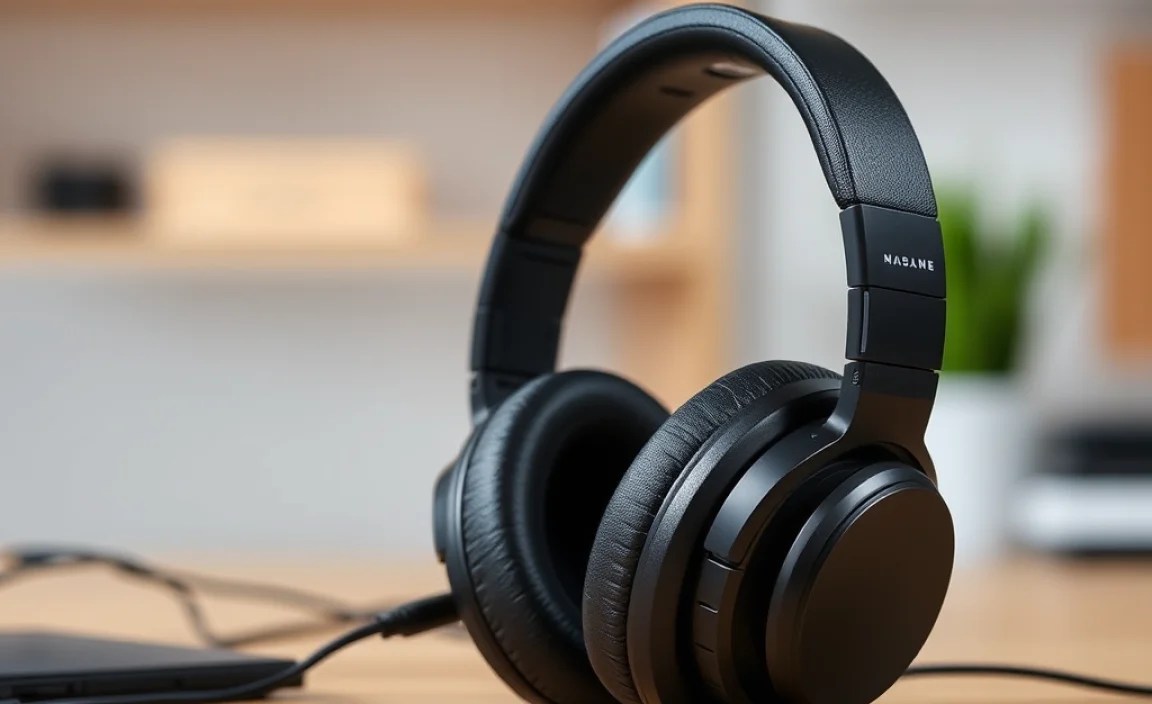
Before you even look at a single headphone, the most crucial step is to understand yourself as a listener. What’s your daily routine? Where will you be using your headphones most often? Answering these questions will dramatically narrow down your options and prevent you from buying headphones that sound great in theory but are impractical for your life.
1. Where Will You Be Listening Most?
This is probably the most significant factor in determining headphone type. Consider these common scenarios:
- At Home: You might prioritize comfort for long listening sessions, exceptional sound quality, and potentially wired options for the best fidelity. Noise isolation might be less of a concern if your environment is generally quiet.
- Commuting/Travel: Noise cancellation is often king here. You’ll want something that can block out the rumble of trains, airplane engines, or busy street noise. Portability and battery life (for wireless) are also key.
- Work/Study: Depending on your workplace or study environment, you might need headphones that offer good microphone quality for calls, comfort for extended wear, and perhaps the ability to hear your surroundings occasionally (ambient mode).
- Exercising: Durability, a secure fit, and water/sweat resistance are paramount. Wireless options are almost always preferred for freedom of movement.
- Gaming: Low latency (minimal delay) is vital, along with immersive sound that can pinpoint in-game audio cues. A good microphone is also essential for multiplayer communication.
2. What Kind of Audio Do You Listen To?
While most headphones aim for broad appeal, some excel in certain areas:
- Music (Various Genres): Different headphones produce sound with different characteristics. Some might emphasize bass for hip-hop or EDM, while others offer a more balanced, neutral sound ideal for classical or jazz.
- Podcasts/Audiobooks: Clarity of vocals is the top priority. You want to hear every word without distraction.
- Movies/TV Shows: Immersive sound, good dynamics, and sometimes even surround sound capabilities can enhance your viewing experience.
- Gaming: As mentioned, positional audio and low latency are critical.
- Calls/Conferencing: Microphone quality and the ability to isolate your voice from background noise are key.
3. What’s Your Budget?
Headphones range from under $20 to well over $1,000. Setting a realistic budget upfront will save you time and potential disappointment. Remember that often, you get what you pay for, but there are excellent value options at almost every price point. Look for sales and consider manufacturer refurbished items for significant savings.
4. Wired or Wireless?
This is a fundamental decision:
- Wired Headphones:
- Pros: Generally offer superior sound quality for the price, no battery to worry about, no connectivity issues.
- Cons: Can be restrictive, cable can tangle or break, requires a headphone jack (or adapter) on your device.
- Wireless Headphones:
- Pros: Freedom of movement, convenient, often include advanced features like active noise cancellation (ANC).
- Cons: Require charging, can experience latency, sound quality can sometimes be slightly compromised by Bluetooth codecs, potential for connection dropouts.
For a deeper dive into the technical aspects of audio transmission, you can explore resources on Bluetooth codecs and their impact on sound quality from organizations like the Bluetooth SIG.
Phase 2: Decoding Headphone Types & Features

Once you know your needs, it’s time to understand the different physical types of headphones and the technologies they employ. This knowledge will help you distinguish between similar-looking products and understand what makes them tick.
1. Headphone Form Factors
This refers to how the headphones physically sit on or in your ears:
- In-Ear Monitors (IEMs) / Earbuds:
- Description: Small drivers that sit inside your ear canal.
- Best For: Portability, isolation, exercise, travel.
- Considerations: Fit is critical for comfort and sound isolation.
- On-Ear Headphones:
- Description: Earcups rest on top of your ears.
- Best For: A balance between portability and soundstage, often lighter than over-ear.
- Considerations: Can sometimes cause ear fatigue or discomfort for some users. Sound leakage can be an issue for others nearby.
- Over-Ear Headphones:
- Description: Earcups completely enclose your ears.
- Best For: Comfort for long listening sessions, immersive sound, best isolation (typically).
- Considerations: Can be bulky and less portable.
Key Distinction: Open-Back vs. Closed-Back
This applies primarily to over-ear and some on-ear headphones:
- Closed-Back:
- Description: The back of the earcups is sealed, preventing sound from escaping or entering.
- Pros: Excellent sound isolation (keeps your music in, external noise out), good for bass response.
- Cons: Can sometimes create a more “closed-in” soundstage; can make ears warm after long use.
- Ideal For: Commuting, office use, noisy environments, monitoring (where you don’t want sound bleeding into a microphone).
- Open-Back:
- Description: The back of the earcups has vents or grilles, allowing air and sound to pass through.
- Pros: More natural, spacious soundstage; detailed and airy audio reproduction.
- Cons: Poor sound isolation (you’ll hear everything around you, and people nearby will hear your music); not suitable for noisy environments.
- Ideal For: Critical listening in a quiet room, studio use, audiophiles seeking a natural listening experience.
2. Essential Features to Consider
Beyond the basic design, many features can significantly impact your experience:
- Active Noise Cancellation (ANC): Technology that electronically cancels out ambient noise. Essential for travel and noisy commutes.
- Sound Quality/Drivers: The heart of the headphone. Different driver types (dynamic, balanced armature, planar magnetic) and tuning can produce vastly different sound signatures.
- Comfort and Fit: Earcups material (velour, leatherette), headband padding, clamping force, and weight are crucial for long-term wearability.
- Microphone Quality: If you make calls or game, this is non-negotiable. Look for clear voice pickup and noise reduction.
- Battery Life (Wireless): How long do they last on a single charge? Fast charging capabilities?
- Connectivity Options: Latest Bluetooth version (e.g., Bluetooth 5.0, 5.2), multi-point pairing (connect to two devices at once), and support for high-quality audio codecs (LDAC, aptX HD, AAC).
- Durability and Build Quality: Materials used (plastic, metal), hinge design, cable strength (for wired).
- Water/Sweat Resistance (IP Rating): Important for exercise. An IPX4 rating means protection against splashes. Higher ratings offer more protection.
Phase 3: Putting It to the Test & Asking the Right Questions

Now that you’re armed with knowledge, it’s time to actively engage with potential headphone candidates. When you’re in a store or looking at product descriptions online, keep these specific questions in mind.
Questions to Ask Yourself (The Personal Challenge)
Revisit your initial assessment with these points:
- Does this headphone type match my primary listening environment?
- Does the sound profile likely suit the music/audio I consume most?
- Is this within my budget, factoring in potential accessories or extended warranties?
- Will the convenience of wireless outweigh the potential sound quality or battery management needs for me?
- Can I realistically wear these comfortably for my typical listening sessions?
Questions to Ask About the Headphones (The Objective Challenge)
These are the critical questions to evaluate a specific product:
- Sound Signature: What is the general sound profile? Is it bass-heavy, neutral, bright, or warm? (Look for reviews that describe this in detail).
- Detail and Clarity: How well are the highs, mids, and lows represented? Can I distinguish individual instruments?
- Soundstage and Imaging: How wide and deep does the sound feel? Can I pinpoint the location of instruments or sounds? (More relevant for open-back audiophile headphones).
- Comfort Over Time: What materials are the earcups made of? How heavy is the headset? What’s the clamping force like?
- Noise Isolation/Cancellation Effectiveness: If ANC is a feature, how effective is it at blocking different types of noise? (Check professional reviews for unbiased testing).
- Microphone Performance: How clear is the microphone in quiet and noisy environments?
- Build Materials: Does it feel solid and durable, or cheap and flimsy?
- Bluetooth Codec Support: What high-quality codecs does it support (e.g., LDAC, aptX HD, AAC)? This impacts wireless sound quality.
- Battery Life & Charging: How many hours of playback can I expect? How long does a full charge take? Does it have quick charge?
- Connectivity Features: Does it support multi-point pairing? Is the Bluetooth version current?
- Durability Features: Does it have an IP rating for water resistance if needed for exercise?
Navigating Reviews and Specifications

Understanding reviews is crucial. Look for reputable audio review websites and YouTube channels. Here’s a quick guide:
Where to Find Trustworthy Information
- Professional Review Sites: Websites like Rtings.com, What Hi-Fi?, SoundGuys, and CNET often provide in-depth, objective testing.
- Audiophile Forums: Communities like Head-Fi offer user experiences and discussions, though sometimes heavily biased.
- YouTube Reviewers: Many channels specialize in audio gear. Look for consistency in their reviews and objective testing methods.
What to Look for in Specifications
Here’s a simplified look at common specs:
| Specification | What It Means for You | Beginner Takeaway |
|---|---|---|
| Frequency Response (e.g., 20Hz – 20 kHz) | The range of audible frequencies the headphones can reproduce. 20Hz is very low bass, 20kHz is very high treble. | Most headphones cover this standard range. Look for reviews that describe how they reproduce these frequencies (e.g., balanced, bass-heavy). |
| Impedance (e.g., 32 Ohms, 250 Ohms) | Measures electrical resistance. Lower impedance headphones are easier to drive (work well with phones/laptops). Higher impedance often require an amplifier. | For most casual use with phones/computers, stick to headphones with impedance under 64 Ohms. |
| Sensitivity (e.g., 98 dB/mW, 105 dB/mW) | How loud the headphones get with a given amount of power. Higher sensitivity means louder volume with less power. | Higher sensitivity is generally better for portable devices. |
| Driver Type (Dynamic, Planar Magnetic, Balanced Armature) | The component that produces sound. Affects sound quality, size, and power requirements. | Dynamic is most common and versatile. BA is common in IEMs for detail. Planar Magnetic often offers higher fidelity but can be expensive and power-hungry. Don’t overthink this initially; focus on sound reviews. |
| Bluetooth Version (e.g., 5.0, 5.2) | Dictates connection stability, power efficiency, and range. | Newer versions (5.0+) are generally better. |
| Supported Bluetooth Codecs (SBC, AAC, aptX, aptX HD, LDAC) | The “language” your device and headphones use to send audio wirelessly. | AAC is good for Apple. aptX/aptX HD is good for Android. LDAC offers the highest quality but requires compatible devices and can be less stable. SBC is the basic, universal standard. |
Your Personal Sound Profile
Beyond technical specs, consider subjective sound qualities. How do you like your audio? Do you crave booming bass? Crystal-clear vocals? A wide, immersive soundscape? Many reviewers use descriptive terms:
- U-Shaped: Boosted bass and treble, often fun for pop and electronic music.
- V-Shaped: Similar to U-shaped but more pronounced bass and treble.
- Neutral/Flat: Reproduces audio as accurately as possible, favored by sound engineers and audiophiles.
- Warm: Emphasizes lower mid-range and bass, sounds smooth and relaxed.
- Bright: Emphasizes higher frequencies, sounds clear and detailed but can be fatiguing for some.
Use these descriptions to match headphones to your preferred listening style.
Phase 4: The Purchase and Beyond
You’ve done your research, asked the right questions, and you’re ready to buy! But the challenge doesn’t end there.
Trying Before You Buy
If possible, test headphones in person. Many electronics stores have demo units. Pay attention to:
- Initial Comfort: Do they feel good right away? Any pressure points?
- Ease of Use: Are controls intuitive? Is pairing straightforward?
- Sound Check: Listen to a few familiar tracks. Does the sound appeal to you?
- Fit Security (for sports/IEMs): Do they stay put when you gently move your head?
What If They Aren’t the Perfect Fit?
Don’t despair if your first purchase isn’t the ‘one’. Understanding the return policies of retailers is key. Many allow returns within a certain period (e.g., 14-30 days), giving you a safety net. This is especially important for earbuds where fit is highly personal.
Basic Maintenance for Longevity
Taking care of your headphones ensures they perform well for years to come. Here are some simple tips:
- Cleaning: Gently wipe earcups and headbands with a soft, dry microfiber cloth. For tougher grime, use a slightly damp cloth (water only) and ensure they are completely dry before use. For speaker grilles or ear tips, use a dry soft brush or cotton swab.
- Storage: When not in use, store them in their protective case or a safe place to avoid damage, dust, and tang
