
Quick Summary: This guide demystifies headphone reviews so you can find your perfect audio match. We break down what to look for, how to understand technical terms, and which features matter most for your listening needs, ensuring smart and confident purchasing decisions.
Reviews for Headphones: Your Essential Guide to Finding Perfect Audio Bliss
Hey there, music lovers and everyday listeners! Edward Cavitt here, your friendly guide from Headphone Horizon. Stepping into the world of headphones can feel a bit like navigating a maze, especially with so many options and a fair bit of audio jargon. But don’t worry, I’m here to simplify it all! Finding a great pair of headphones shouldn’t be a puzzle. This guide is designed to help you understand what makes a headphone review tick, so you can confidently pick out the perfect set that fits your ears, your wallet, and your listening style. Let’s dive in and unlock the secrets to truly satisfying sound!
Why Reading Reviews for Headphones is Your Smartest First Step

Before you click “add to cart” or head to the store, immersing yourself in authentic reviews for headphones is like having a trusted friend whisper advice in your ear. These reviews offer real-world experiences from people just like you, who have spent their hard-earned money and time with a particular pair of cans. They can highlight features you might have missed, warn you about potential quirks, and confirm if a product lives up to its promises. In a market flooded with options, reviews act as your compass, guiding you toward quality and away from disappointment.
Think of it this way: you wouldn’t buy a car without test-driving it or reading some expert opinions, right? Headphones are no different. They are personal devices that connect you intimately with your favorite music, podcasts, or movies. A well-chosen pair can transform your commute, your workout, or your quiet time at home. Conversely, a poor choice can lead to discomfort, subpar sound, and a sense of buyer’s remorse. That’s where understanding how to read reviews becomes paramount. It’s about making an informed decision that brings you joy, not frustration.
Understanding Key Elements in Headphone Reviews

When you’re scanning through reviews, certain terms and aspects pop up repeatedly. Knowing what these mean will make you a more informed shopper. Here’s a breakdown of what to pay attention to:
Sound Quality: The Heart of the Matter
This is often the most emphasized aspect, and for good reason. Sound quality is subjective, but reviewer consensus can point you in the right direction. Look for descriptions that discuss:
- Bass: Is it deep and impactful, or is it muddy and overpowering? Does it complement the rest of the sound, or does it drown everything else out?
- Mids: This range is crucial for vocals and instruments like guitars. Do vocals sound clear and present, or are they recessed?
- Treble: This refers to the higher frequencies. Is it crisp and detailed, or is it harsh and sibilant (making ‘s’ sounds sharp)?
- Soundstage: This describes how “wide” or “spacious” the audio feels. Can you distinguish where different instruments are coming from? A wider soundstage often feels more immersive.
- Detail and Clarity: Can you pick out subtle nuances in the music? Is everything clear, or does it sound muffled?
Reviewers might use terms like “V-shaped” (emphasized bass and treble, scooped mids), “balanced” (all frequencies are present and even), or “warm” (a slight emphasis on lower mids and bass, making sound feel rich and smooth).
Comfort and Fit: For Long Listening Sessions
If your headphones aren’t comfortable, even the best sound won’t matter much after an hour. Pay attention to:
- Earcup Material: Are they plush leatherette, breathable fabric, or something else?
- Clamping Force: How tightly do the headphones grip your head? Too tight can cause headaches; too loose, and they might slip off.
- Weight: Lighter headphones are generally more comfortable for extended wear.
- Earcup Size and Depth: Do they fit completely over your ears (over-ear), rest on them (on-ear), or are they tiny buds for inside your ear canal (in-ear)?
- Adjustability: Can the headband be easily adjusted for a perfect fit?
For in-ear headphones (earbuds/IEMs), look for mentions of included ear tip sizes and materials, as this is crucial for a good seal and comfort.
Build Quality and Durability: Will They Last?
It’s frustrating when headphones fall apart after a few months. Reviews often highlight:
- Materials Used: Are they mostly plastic, or do they incorporate metal components like aluminum or steel?
- Hinge and Adjustment Points: Do they feel sturdy or flimsy?
- Cable Quality: Is the cable detachable? Is it thick and braided, or thin and prone to tangling/breaking?
- Overall Construction: Does the headphone feel like a premium product or a cheap toy?
A well-built headphone is an investment that can last for years.
Features and Connectivity: What Else Do They Offer?
Beyond sound and comfort, many headphones come with extra features:
- Wireless Connectivity: Look for mentions of Bluetooth version (higher is generally better for stability and efficiency), codec support (like aptX HD or LDAC for higher-quality wireless audio), and connection stability.
- Noise Cancellation (ANC): How effective is it at blocking out ambient noise? Does it create a “pressure” feeling?
- Battery Life: For wireless headphones, how long do they last on a single charge? How quickly do they recharge?
- Microphone Quality: If you plan to take calls, how clear is your voice on the other end?
- Controls: Are the buttons or touch controls intuitive and easy to use?
- App Support: Some headphones come with companion apps that allow for EQ adjustments, firmware updates, and customization.
Portability: For the On-the-Go Listener
If you’re always on the move, consider:
- Foldability: Do they fold flat or into a compact shape?
- Carrying Case: Is a protective case included?
- Weight: As mentioned in comfort, a lighter headphone is easier to carry.
Types of Headphone Reviews and What to Look For

Different sources offer different perspectives. Understanding these can help you gauge the reliability and type of information you’re getting:
Expert Reviews
These come from dedicated audio websites, tech publications, and YouTube channels that specialize in audio gear. They often have deep technical knowledge and compare headphones against known benchmarks.
- Pros: In-depth analysis, technical measurements, comparisons to other high-end gear, often identify subtle flaws or strengths.
- Cons: Can sometimes be overly technical for beginners, may have biases based on brand loyalty or sponsorship, might focus on niche audio aspects not relevant to casual listeners.
- Where to find them: Websites like Rtings.com (known for detailed measurements), What Hi-Fi?, CNET, TechRadar, and reputable audio-focused YouTube channels.
User Reviews
These are found on retail websites (Amazon, Best Buy, etc.) and are written by everyday consumers. They provide a broad range of opinions and experiences from a large pool of users.
- Pros: Reflect real-world, long-term usage; cover a wide variety of use cases; can highlight surprising pros or cons missed by experts; large volume of opinions can show trends.
- Cons: Opinions can be highly subjective and vary wildly; users may have unrealistic expectations; sometimes lack technical understanding; can be influenced by price point or first impressions; fake reviews can be an issue.
- Tips for reading: Look for reviews that mention your specific use case (e.g., “great for running,” “comfortable for long flights”). Read a mix of positive, negative, and neutral reviews. Check the date of the review – older ones might be for outdated versions. Pay attention to reviewers who have bought the product themselves.
“Best Of” Lists
These are curated articles that compile top-rated headphones in various categories (e.g., “Best Budget Headphones,” “Best Noise-Cancelling Headphones for Travel”).
- Pros: Excellent for narrowing down choices when you have a specific need or budget. Saves time by presenting hand-picked options.
- Cons: Can sometimes be influenced by affiliate marketing commissions; the reviewer might not have tested all the headphones listed extensively; might lack the depth of individual reviews.
- Tips for reading: Check the date of the list, as headphone models are constantly updated. Look for lists from reputable sources. Cross-reference recommendations with individual expert and user reviews.
Decoding Common Headphone Technologies and Terms
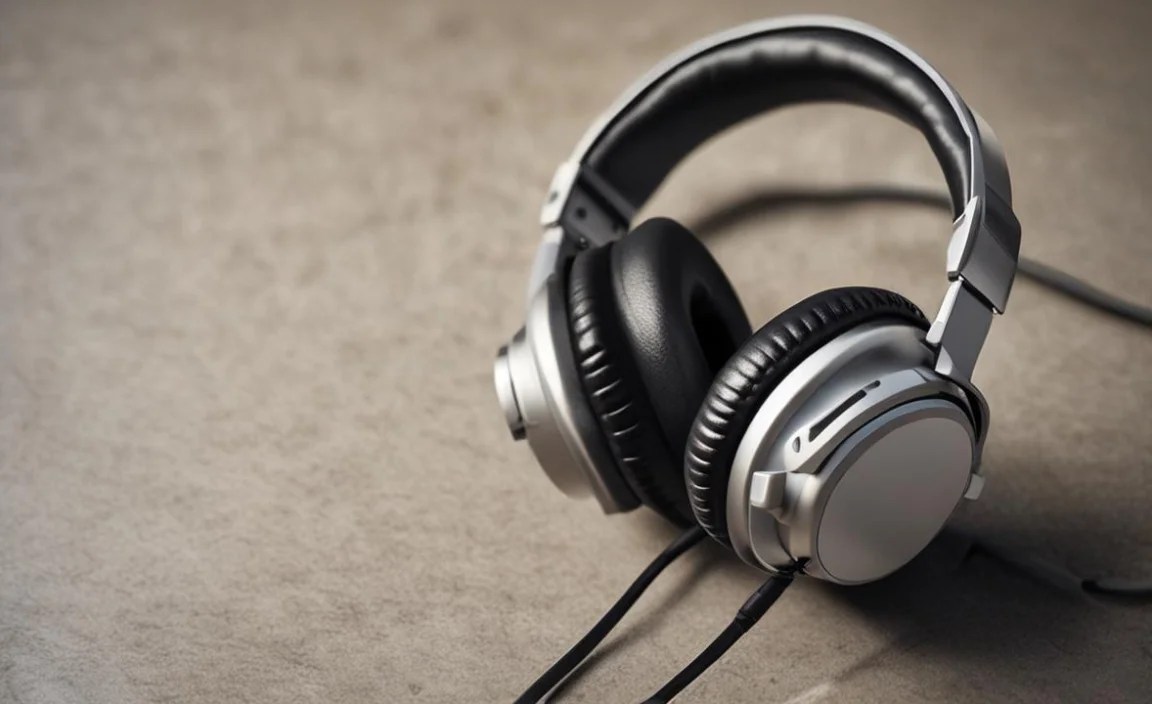
To make sense of reviews, it helps to demystify some of the technology you’ll encounter:
Driver Size and Type
Drivers are the small speakers inside your headphones that produce sound. Their size and type can influence the sound profile.
Common Driver Types:
| Type | Description | Typical Sound Characteristics |
|---|---|---|
| Dynamic Drivers | Most common; use a magnetic field to move a diaphragm. They are versatile. | Can produce a wide range of sound, often strong bass. Can be tuned for different sound signatures. |
| Balanced Armature (BA) Drivers | Smaller and more precise; used in many in-ear monitors (IEMs). Often multiple BA drivers are used per ear for different frequency ranges. | Excellent clarity, detail, and faster response, especially in mids and highs. Bass can sometimes be less impactful than with dynamic drivers on their own. |
| Planar Magnetic Drivers | Use a large, thin, electrically conductive diaphragm suspended in a magnetic field. They require more power. | Known for exceptional detail, speed, accuracy, and a wide soundstage. Often found in higher-end, open-back headphones. |
| Electrostatic Drivers | Very thin, electrically charged diaphragm. Require a special amplifier. | The pinnacle of detail, speed, and clarity. Extremely natural and refined sound, but very niche and expensive. |
Driver Size: Often measured in millimeters (mm). While larger drivers (e.g., 40mm, 50mm) can potentially move more air for bigger bass, driver quality and design are far more important than size alone. Don’t solely rely on driver size as a determinant of sound quality.
Open-Back vs. Closed-Back Headphones
This refers to the physical design of the earcups:
- Closed-Back: The earcups are solid and sealed. This is great for blocking out external noise and preventing sound from leaking out, making them ideal for public spaces, office environments, or loud commutes. However, they can sometimes create a more “in your head” listening experience.
- Open-Back: The earcups have vents or grilles, allowing air and sound to pass through. These headphones tend to offer a more natural, spacious, and immersive soundstage, often described as more “speaker-like.” They are perfect for critical listening in quiet home environments but will leak sound significantly and offer no noise isolation.
Impedance and Sensitivity
These are technical specifications that matter, especially if you plan to use your headphones with a dedicated amplifier or audio interface.
- Impedance (Ohms, Ω): This is a measure of electrical resistance. Higher impedance headphones (e.g., 250Ω, 600Ω) generally require more power to reach a listening volume. Lower impedance headphones (e.g., 16Ω, 32Ω) are easier to drive and will sound good with most smartphones and laptops.
- Sensitivity (dB/mW or dB/V): This indicates how loud a headphone will get for a given amount of power. Higher sensitivity means the headphone is more efficient and will play louder with less power. Low sensitivity headphones will require a more powerful source.
For most everyday users with smartphones, tablets, and laptops, aiming for headphones with lower impedance (under 50Ω) and moderate to high sensitivity will be the easiest path to good volume and sound.
Bluetooth Codecs
For wireless headphones, Bluetooth itself is the connection method, but codecs are the “languages” used to compress and transmit audio data over that connection. Different codecs offer varying levels of sound quality, latency, and efficiency.
Key Bluetooth Codecs:
| Codec | Description | Typical Use |
|---|---|---|
| SBC (Subband Coding) | The default, universal Bluetooth codec. Always supported by any Bluetooth audio device. | Basic compatibility for all devices. Sound quality can be variable. |
| AAC (Advanced Audio Coding) | Commonly used by Apple devices. Offers better quality than SBC. | Good for general listening on Apple iPhones, iPads, and Macs. Also supported by many Android devices. |
| aptX (and variations like aptX HD, aptX Adaptive) | Developed by Qualcomm. Offers better sound quality and lower latency than SBC and AAC. aptX HD and Adaptive offer even higher fidelity options. | Found on many Android smartphones and Windows PCs. AptX HD is good for higher-resolution audio wirelessly. AptX Adaptive automatically adjusts for optimal sound or low latency based on connection. |
| LDAC | Developed by Sony. Supports transfer of high-resolution audio, up to 24-bit/96kHz. Offers the highest potential wireless audio quality. | Found on many higher-end Sony devices and some other Android phones. Offers the best sound quality if both your source device and headphones support it. |
Recommendation: For the best wireless audio quality, look for headphones that support at least AAC and aptX HD, or LDAC if you’re heavily invested in the Sony ecosystem or have a compatible Android phone. For gaming or video, low-latency codecs like aptX Low Latency or aptX Adaptive are beneficial.
Step-by-Step: How to Read and Use Headphone Reviews Effectively

Now that you know what to look for, let’s put it into practice:
Step 1: Define Your Needs and Budget
Before you even look at a single review, ask yourself:
- What will I use these headphones for most? (e.g., commuting, working out, gaming, critical music listening, watching movies, office work, taking calls)
- What’s my budget? (Be realistic. Good headphones exist at all price points, but amazing ones often require a bit more investment.)
- What type of headphone do I prefer? (Over-ear, on-ear, in-ear? Wired or wireless?)
- Are certain features non-negotiable? (e.g., Active Noise Cancellation, water resistance, long battery life, a good microphone)
Step 2: Identify Potential Candidates
Based on your needs, start looking for lists like “Best Wireless Earbuds for Running” or “Top Over-Ear Headphones for Audiophiles” from reputable tech sites. Jot down a few models that consistently appear and fit your criteria.
Step 3: Dive Deep into Expert Reviews
For each shortlisted model, find 2-3 in-depth reviews from professional tech sites or audio reviewers. Focus on:
- Overall Sound Signature: Does it match your preference?
- Comfort for Extended Wear: Crucial for long sessions.
- Build Quality: Does it seem durable enough for your lifestyle?
- Pros and Cons List: This is often a quick way to see the highlights and lowlights.
- Comparisons: How does it stack up against similarly priced competitors?
Don’t get bogged down by every technical detail, but try to grasp the reviewer’s overall sentiment and key findings. For a fantastic resource on objective headphone measurements, check out Rtings.com. Their detailed analysis and comparison tools are invaluable for informed decisions.
Step 4: Read a Variety of User Reviews
Head over to retail sites like Amazon, Crutchfield, or B&H Photo. Read at least 10-20 user reviews for each candidate, paying attention to:
- Recurring
