
Upgrade your Roku TV experience by discovering how to use a Roku remote with a headphone jack for private listening, enhanced audio control, and a more immersive viewing session without disturbing others. This guide simplifies the process, making solo TV enjoyment accessible to everyone.
Roku Remote With Headphone Jack: Your Essential Upgrade
Are you tired of missing out on quiet movie nights or early morning news because your Roku TV is too loud? Or perhaps you’re seeking a more personal, immersive audio experience without disturbing your household? If so, an upgrade to a Roku remote with a headphone jack might be the perfect solution for you. Many people don’t realize that this simple feature exists, or how incredibly useful it can be for everyday ROKU users. This guide is designed to break down exactly what a Roku remote with a headphone jack is, why you might want one, and how to get the most out of it. Whether you’re a seasoned Roku user or just getting started, we’ll make it clear and easy to understand. Let’s dive in and unlock a new level of private, high-quality listening with your Roku TV!
Why You Need a Roku Remote With a Headphone Jack

Roku remotes with headphone jacks aren’t just a convenience; they are a gateway to a more versatile and enjoyable home entertainment setup. For many, the ability to plug in headphones directly into their remote is a game-changer, offering benefits that extend far beyond simple private listening. Let’s explore the compelling reasons why this feature is an essential upgrade for any Roku TV owner.
1. Private Listening Without Disturbing Others
This is the most obvious and often the primary reason people seek out a Roku remote with a headphone jack. Imagine this: it’s late at night, and your partner or kids are asleep. You’ve been looking forward to catching up on your favorite show, but you don’t want to disturb anyone. With a headphone jack on your Roku remote, you can simply plug in your favorite headphones and enjoy your program at any volume you desire. This eliminates the need for bulky Bluetooth transmitters or complicated audio routing. It’s a seamless, plug-and-play solution for ensuring peace in your home while keeping up with your entertainment. This is especially invaluable for those living in apartments or with shared living spaces where noise can be a concern.
2. Enhanced Audio Immersion
While Roku TVs offer decent built-in speakers, they often lack the depth and clarity that true audio enthusiasts crave. Plugging your headphones directly into the remote bypasses the TV’s internal audio processing and speakers, delivering sound straight to your ears. This can significantly improve the audio quality you experience. You’ll likely notice clearer dialogue, more impactful sound effects, and a richer overall soundstage, especially if you use a good pair of over-ear or noise-canceling headphones. This creates a more immersive viewing experience, making you feel like you’re right in the middle of the action or performance.
3. Control Over Volume and Audio Output
Many Roku remotes with headphone jacks offer dedicated volume controls that work directly with your plugged-in headphones. This means you can adjust the headphone volume independently of the TV’s speaker volume. This is incredibly useful if you want to hear your show clearly over ambient house noise but don’t want to blast it through the TV speakers. Furthermore, when you plug in your headphones, the Roku system automatically mutes the TV speakers, ensuring that all audio is directed to your headphones. This automatic switching is a seamless feature that prevents accidental audio bleed.
4. Convenience and Portability
The integration of the headphone jack directly into the remote simplifies your setup. You don’t need to worry about pairing Bluetooth headphones or connecting an audio cable to your TV. As long as your headphones have a standard 3.5mm jack, you can plug them into the remote and go. This makes it incredibly convenient for moving between rooms, or if you’re traveling and want to use your Roku in a hotel room. The remote becomes your all-in-one device for controlling and listening to your Roku TV.
5. Accessibility Features
For individuals who are hard of hearing, the ability to use headphones directly connected to their remote can be a significant accessibility improvement. It allows them to amplify the sound directly to their ears, potentially at a higher volume than the TV speakers can comfortably produce, without creating discomfort for others. This can make watching TV a more accessible and enjoyable activity for a wider range of users.
Understanding Roku Remote Types and Headphone Jacks

It’s important to understand that not all Roku remotes are created equal, and the presence of a headphone jack is a specific feature. Roku offers several types of remotes, and identifying the one with a headphone jack is key to making the right purchase or recognizing what you already have.
Standard vs. Enhanced Remotes
Roku remotes generally fall into two categories: standard IR (infrared) remotes and enhanced ‘point-anywhere’ remotes (often using RF or Wi-Fi Direct).
- Standard IR Remotes: These are the most basic remotes. They require a direct line of sight to the Roku device and typically lack advanced features like voice control or a headphone jack.
- Enhanced ‘Point-Anywhere’ Remotes: These remotes (often voice-enabled) communicate with the Roku device wirelessly, meaning you don’t need to point them directly at it. Many of these enhanced remotes, especially those designed with advanced user features in mind, include the coveted headphone jack.
Identifying the Headphone Jack
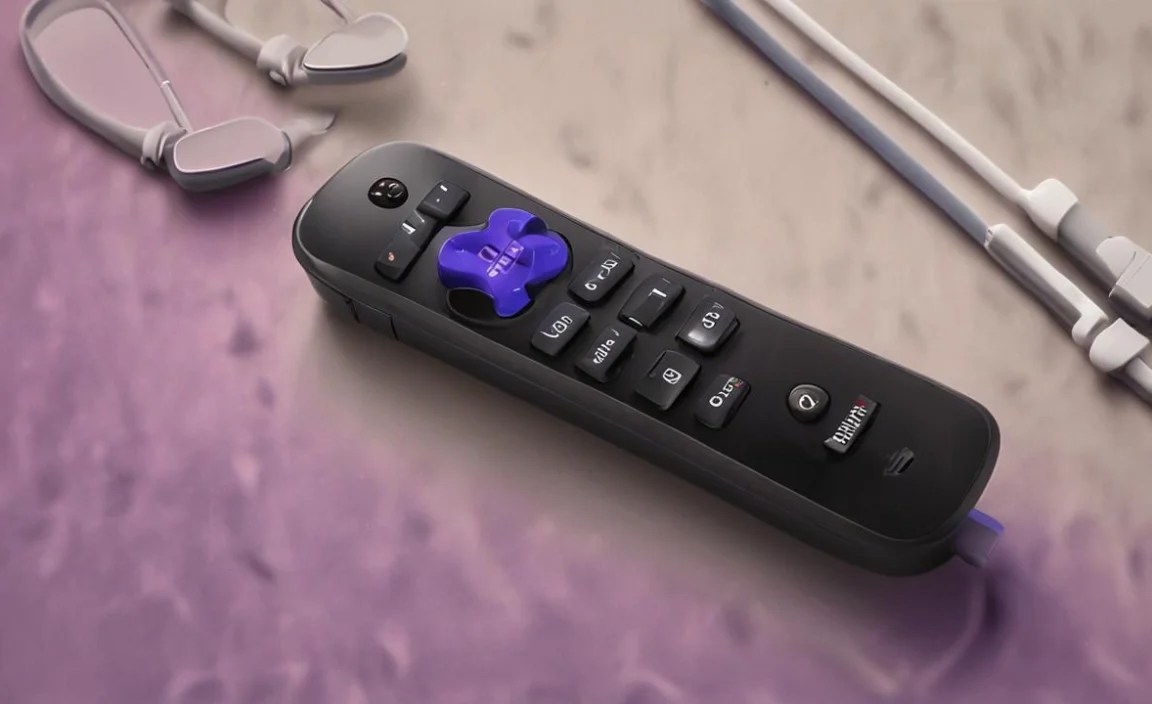
On an enhanced Roku remote that features a headphone jack, you’ll typically find a standard 3.5mm (1/8-inch) audio port. This is the same size port used by most common headphones and earbuds. Look for it on the bottom or side edge of the remote. It’s usually clearly visible and labeled, or its design makes its purpose self-evident.
Roku TV Voice Remotes
Many newer Roku Streambar, Roku Ultra, and Roku TV models come bundled with voice remotes. These are the most likely candidates to include a headphone jack. When you purchase a new Roku device, always check the product description and specifications for mentions of a “headphone jack,” “private listening,” or “audio out” on the remote. This will be your most reliable indicator.
How to Use Your Roku Remote With a Headphone Jack

Using a Roku remote with a headphone jack is wonderfully straightforward. The beauty of this feature is its simplicity, designed for immediate use without complex setup processes. Here’s how to get started:
Step 1: Ensure You Have the Right Remote
First, confirm that your Roku remote actually has a headphone jack. As mentioned, not all do. Look for the 3.5mm port on the remote itself.
Step 2: Connect Your Headphones
Take your standard headphones (with a 3.5mm audio plug) and insert the plug firmly into the headphone jack on the Roku remote. You should feel a slight click as it seats properly.
Step 3: Power On and Select Content
Turn on your Roku TV and navigate to the content you wish to watch or listen to. You can use the remote as you normally would to browse channels, select movies, or start streaming.
Step 3.1: Activate Private Listening (If Necessary)
On most Roku remotes with a headphone jack, the audio automatically switches to your headphones once they are plugged in, and the TV speakers will mute. If this doesn’t happen immediately, there might be a specific button on the remote to activate private listening, or you may need to check your Roku TV’s audio settings. However, this automatic switching is the standard behavior for most models.
Step 4: Adjust Volume
Use the volume up and down buttons on the side of your Roku remote. These buttons will now control the volume of your headphones. You should be able to adjust the sound to a comfortable level for private listening.
Step 5: Enjoy Your Private Viewing Experience
Sit back, relax, and enjoy your show or movie with clear, private audio. You can adjust the volume as needed and even pause or play your content using the remote’s standard playback controls.
Troubleshooting Common Issues
While generally reliable, you might encounter a few minor hiccups. Here’s how to troubleshoot them:
- No Sound in Headphones:
- Ensure the headphone plug is fully inserted into the remote.
- Try a different pair of headphones to rule out headphone malfunction.
- Check the volume on the remote; it might be turned all the way down.
- Restart your Roku device. Sometimes a simple reboot can resolve connectivity issues. Unplug the Roku device from power, wait 30 seconds, and plug it back in.
- Both TV Speakers and Headphones Have Sound:
- This is uncommon but could indicate a remote or Roku software glitch. Ensure your Roku OS is up to date. Go to Settings > System > System update > Check now.
- If your remote has a specific button for private listening, ensure it’s not accidentally activated in reverse or deactivated.
- Audio is Distorted or Choppy:
- This could be due to a faulty headphone cable or interference. Try different headphones.
- Ensure the remote’s battery is sufficient. Low battery can sometimes affect performance.
- Move the remote closer to the Roku device to minimize potential wireless interference.
- Remote Volume Buttons Not Working for Headphones:
- Verify that the remote is recognized by your Roku device. If it’s a simple IR remote, ensure it’s pointed at the Roku. For enhanced remotes, ensure it’s paired correctly.
- Check your Roku TV’s audio settings to ensure external output is correctly configured for headphones.
Choosing the Right Roku Remote With a Headphone Jack

When you’re looking to upgrade, it’s crucial to know which Roku remotes offer this feature. While Roku doesn’t sell “generic headphone jack remotes” as a standalone accessory that works with all Roku devices, the headphone jack is typically integrated into the remotes that come bundled with higher-end Roku devices or specific models.
Bundled Remotes with Higher-End Roku Devices
The most common way to get a Roku remote with a headphone jack is by purchasing a Roku device that includes one. These are typically found with:
- Roku Ultra: This is Roku’s premium streaming player, and its remote almost always features a headphone jack for private listening.
- Roku Streambar and Streambar Pro: These devices combine a soundbar with a streaming player, and their remotes often include the headphone jack.
- Some Roku TV models: Newer, higher-end Roku TVs might come with voice remotes that feature a headphone jack. Check the specific model’s specifications.
What to Look For When Buying
If you are purchasing a new Roku device or looking for an upgrade, here’s what to prioritize:
- Check Product Descriptions: Always read the product details carefully on retail websites or the manufacturer’s site. Look for phrases like “voice remote with headphone jack,” “private listening,” or “3.5mm audio port on remote.”
- Model Numbers: Specific model numbers of remotes are often listed if you’re searching for a replacement. Research these model numbers to confirm they have the headphone jack integrated.
- Third-Party Remotes (Use with Caution): While some third-party universal remotes might claim to control Roku devices and have headphone jacks, compatibility can be hit-or-miss. It’s generally safer and more reliable to stick with official Roku remotes or devices that include them. For example, Roku’s own “Roku Voice Remote Pro” (a rechargeable upgrade for select Roku TVs and players) does NOT have a headphone jack, so be careful with assumptions.
Pros and Cons of Using a Headphone Jack Remote
Like any technology, there are advantages and disadvantages to consider:
Pros:
- Seamless Private Listening: Direct connection, no pairing needed.
- Improved Audio Quality: Delivers sound directly to your ears, often with better clarity than TV speakers.
- Volume Control: Independent headphone volume adjustment.
- Convenience: Eliminates need for separate audio transmitters or complex setups.
- Accessibility: Great for those with hearing impairments.
Cons:
- Limited Availability: Not all Roku remotes have this feature.
- Requires Wired Headphones: You need headphones with a standard 3.5mm jack. Wireless headphones won’t work with the remote’s jack.
- Remote Battery Drain: Powering the headphone output can use more battery than standard remote operation.
- Potential for Tangled Cords: Wired headphones can get tangled.
- Cost: Devices bundled with these remotes can be more expensive.
Roku Remote Headphone Jack vs. Bluetooth Headphones
Many modern headphones are wireless, using Bluetooth technology. While Bluetooth offers freedom from wires, it’s worth comparing it to the direct headphone jack on a Roku remote.
Roku Remote Headphone Jack
- Pros: No pairing required, no lag or latency, direct audio feed, reliable.
- Cons: Requires wired headphones, remote battery drain can be higher.
Bluetooth Headphones (Paired Directly to Roku TV or Device)
Many newer Roku OS versions allow direct Bluetooth pairing with headphones. This is an alternative to the remote’s headphone jack.
- Pros: Works with true wireless earbuds and over-ear Bluetooth headphones, no wires.
- Cons: Can sometimes introduce a slight audio delay (latency) for dialogue sync, requires Bluetooth pairing and can sometimes lose connection, relies on Roku TV/device’s Bluetooth capability and OS version.
Key Distinction: The headphone jack on the remote provides a direct audio output from the remote itself, which then controls your Roku. Bluetooth pairing connects your headphones directly to the Roku streaming device or TV, bypassing the remote for audio output. Both are excellent ways to achieve private listening, but the remote jack is often simpler and guarantees zero lag. For the most up-to-date information on Bluetooth support for your specific Roku device, it’s always a good idea to visit the official Roku accessories page or the support section of their website.
Frequently Asked Questions (FAQ)
Q1: Does every Roku remote have a headphone jack?
No, not every Roku remote comes equipped with a headphone jack. This feature is typically found on the enhanced “point-anywhere” remotes bundled with Roku’s premium streaming devices like the Roku Ultra, Streambar, or some higher-end Roku TV models. Always check the product specifications before purchasing.
Q2: Can I buy a Roku remote with a headphone jack separately for any Roku device?
While Roku occasionally sells replacement remotes, finding one with a headphone jack as a standalone accessory that is guaranteed to work with all Roku devices can be challenging. It’s usually best to ensure the remote is compatible with your specific Roku model or to purchase a Roku device that includes such a remote. Check Roku’s official accessories page for compatible replacement remotes.
Q3: What type of headphones can I use with a Roku remote headphone jack?
You can use any standard headphones or earbuds that have a 3.5mm audio plug. This is the most common connector size for headphones and is compatible with most consumer audio devices.
Q4: Will plugging in headphones automatically mute the TV speakers?
Yes, typically when you plug headphones into a Roku remote with a headphone jack, the Roku system automatically routes the audio to your headphones and mutes the TV’s internal speakers. This is designed to provide seamless private listening without any manual adjustment.
Q5: My headphones aren’t working. What should I do?
First, ensure the headphone plug is fully inserted into the remote. Try a different pair of headphones to see if the issue is with your headphones themselves. Also, check that the volume on the remote isn’t turned all the way down. A simple restart of your Roku device by unplugging it for 30 seconds can also fix minor glitches.
Q6: Can I use Bluetooth headphones with my Roku remote’s headphone jack?
No, the headphone jack on the Roku remote is for wired headphones only. It uses a standard 3.5mm audio connector. If you want to use Bluetooth headphones, you’ll need to pair them directly with your Roku TV or streaming device, provided your device supports Bluetooth audio output.
Q7: Does using the headphone jack drain the remote’s battery faster?
Yes, powering the audio output for headphones requires more energy than standard remote functions. You may find that the remote’s batteries drain slightly faster when you are using the headphone jack regularly. This is often resolved by using rechargeable batteries or ensuring you have fresh ones inserted.
Conclusion
The Roku remote with a headphone jack is more than just a niche accessory; it’s a significant “upgrade” that can profoundly enhance your daily entertainment routine. It brings the simple yet powerful benefit of private, high-fidelity listening directly to your
