
Quick Summary: Discover the optimal and safe decibel (dB) level for your headphones to protect your hearing and enjoy your audio to the fullest. This guide explains what dB means, recommended listening volumes, and how to maintain healthy listening habits for long-term audio pleasure.
Safe DB Level for Headphones: Your Essential Guide to Listening Without Losing Your Hearing
Welcome to Headphone Horizon! We all love getting lost in our favorite music, podcasts, or the immersive soundscape of a movie. But have you ever stopped to think about the volume you’re using? It’s easy to crank it up, especially in noisy environments, but doing so can seriously impact your hearing over time. This guide is here to demystify the concept of decibels (dB) and help you find that sweet spot—a safe dB level for headphones that lets you enjoy crystal-clear audio without risking permanent hearing damage. We’ll walk you through what you need to know in simple terms, so you can listen smarter and keep your ears happy for years to come.
Understanding Decibels (dB): The Language of Sound Volume

Before we dive into safe listening levels, let’s get acquainted with decibels, or dB. Think of dB as the unit we use to measure how loud a sound is. It’s not a simple linear scale like feet or meters; it’s a logarithmic scale. This means that a small increase in decibels actually represents a much larger increase in sound pressure. For instance, a 10 dB increase is perceived as roughly twice as loud to the human ear!
The human ear can perceive a vast range of sound intensities. Sounds as low as the rustling of leaves (around 10 dB) are barely audible, while sounds like a jet engine at close range can reach 140 dB and above. However, even sounds that aren’t immediately painful can cause damage if exposed for extended periods.
What is a “Normal” Conversation?
To give you some context, a typical conversation usually hovers around the 60 dB mark. This is a level most people can sustain for hours without any ill effects. As we move upwards from there, the potential for harm increases significantly.
The Danger Zone: When Volume Becomes a Threat
The World Health Organization (WHO) provides excellent guidelines on safe listening practices. They state that exposure to sounds at or above 85 dB for more than eight hours a day can lead to hearing loss. Importantly, the louder the sound, the shorter the duration of exposure that can cause damage.
Here’s a general idea:
- 85 dB: Safe for up to 8 hours of continuous exposure.
- 88 dB: Safe for only 4 hours.
- 91 dB: Safe for only 2 hours.
- 94 dB: Safe for only 1 hour.
- 100 dB: Safe for only 15 minutes.
- 110 dB: Safe for only 2 minutes.
- 120 dB and above: Can cause immediate damage and pain.
It’s crucial to remember these are cumulative exposures. Listening at 85 dB for four hours and then at 91 dB for two hours means you’ve exceeded safe limits. The key takeaway is that prolonged exposure to even moderately loud sounds can be detrimental.
What is a Safe DB Level for Headphones?

So, what does this mean for your headphones? Generally, the goal is to keep your listening levels below 85 dB for extended periods. Many audiologists and health organizations recommend aiming for around 60-70% of your device’s maximum volume as a safe general guideline. However, it’s important to understand that the actual dB output can vary widely. Factors like the quality of your headphones, the device you’re using (smartphone, computer, dedicated player), and the recording itself all play a role.
Most smartphones and music players have built-in volume limiters, which are a fantastic starting point. These are often set to around 70-80% of the maximum volume, but it’s good practice to check your device’s audio settings. You might be surprised to find them.
The 85 dB Threshold: A Universal Recommendation
The 85 dB threshold is widely cited because it’s the level below which daily, eight-hour noise exposure is generally considered safe for most individuals over a working lifetime. For recreational listening with headphones, it’s a good benchmark to aim for, especially if you listen for extended periods.
Auditory Fatigue: The First Sign of Trouble
One of the first signs that your listening level is too high isn’t pain, but auditory fatigue. This is when your ears feel tired, sounds seem muffled, and you might experience a temporary ringing in your ears (tinnitus). If you experience these symptoms, it’s a clear signal to turn down the volume and give your ears a break. Ignoring these signals can lead to more permanent damage.
How to Measure and Control Your Headphone Volume

Now for the practical part! How do you actually know what dB level you’re listening at, and how can you control it? While precise measurement can be tricky without specialized equipment, there are several reliable methods and strategies you can employ.
Method 1: Using Your Device’s Volume Indicators
Most modern devices (smartphones, tablets, computers) provide a visual or haptic indicator of volume. While not a precise dB meter, they offer a good relative measure. Most users find that listening at around 60-70% of the maximum volume bar feels comfortable and is likely within safe limits for general listening.
Steps:
- Connect your headphones to your audio device.
- Open your music player or audio app.
- Start playing your audio content.
- Gradually increase the volume using your device’s volume controls.
- Stop increasing the volume when the sound is clear, immersive, and pleasant, but not so loud that you feel any discomfort or strain. Typically, this will be somewhere below the maximum level.
- Make a mental note of where this level is on your volume slider. This is your personal “safe zone.”
Method 2: Utilize Built-in Volume Limiters and Health Features
Many devices now come with features designed to protect your hearing. For example, on iOS devices, you can find “Headphone Safety” settings within the Sounds & Haptics menu that can reduce loud audio. Android devices often have similar features, sometimes accessible through the Digital Wellbeing settings or sound settings.
How to Check/Enable Volume Limiters:
- For iOS (iPhone/iPad): Go to Settings > Sounds & Haptics > Headphone Safety. Here you can enable “Reduce Loud Sounds” and set a decibel limit.
- For Android: The exact path varies by manufacturer, but look for settings like “Media volume limiter,” “Hearing protection,” or similar within your main Settings app, often under “Sound” or “Digital Wellbeing.”
These features are invaluable as they provide an automatic safeguard, preventing accidental high-volume playback.
Method 3: Smartphone Apps as Basic Decibel Meters
You can download smartphone apps designed to measure sound levels. While these are generally less accurate than professional equipment, they can give you a rough estimate of the dB level your headphones are producing, especially when held close to the earcup. Search for “Decibel Meter,” “Sound Meter,” or “SPL Meter” in your device’s app store. Remember to use them cautiously and understand their limitations.
Important Note on App Accuracy: These apps rely on your phone’s microphone, which is designed for voice. They don’t account for the acoustic properties of your headphones, so results will be approximate. They are best used for relative comparisons rather than precise dB readings.
Method 4: Listen for Environmental Cues
A good rule of thumb is that if you need to turn your headphones up so loud that they drown out all external noise, they are likely too loud. Ideally, you want to be able to hear your surroundings just enough to be aware of them, especially when walking or cycling for safety. If you can hear conversations happening several feet away while wearing your headphones, they might be set too low, but if you can’t hear someone speaking to you from a few feet away, they are almost certainly too high.
The Six-Hour Rule: A Practical Guideline
A simple, memorable guideline is to follow the “60/60 rule” when listening: listen at no more than 60% of your device’s maximum volume for no more than 60 minutes at a time. After that hour, take a break. This is a great way to build healthy listening habits and prevent long-term damage.
Factors Influencing Safe Listening Levels
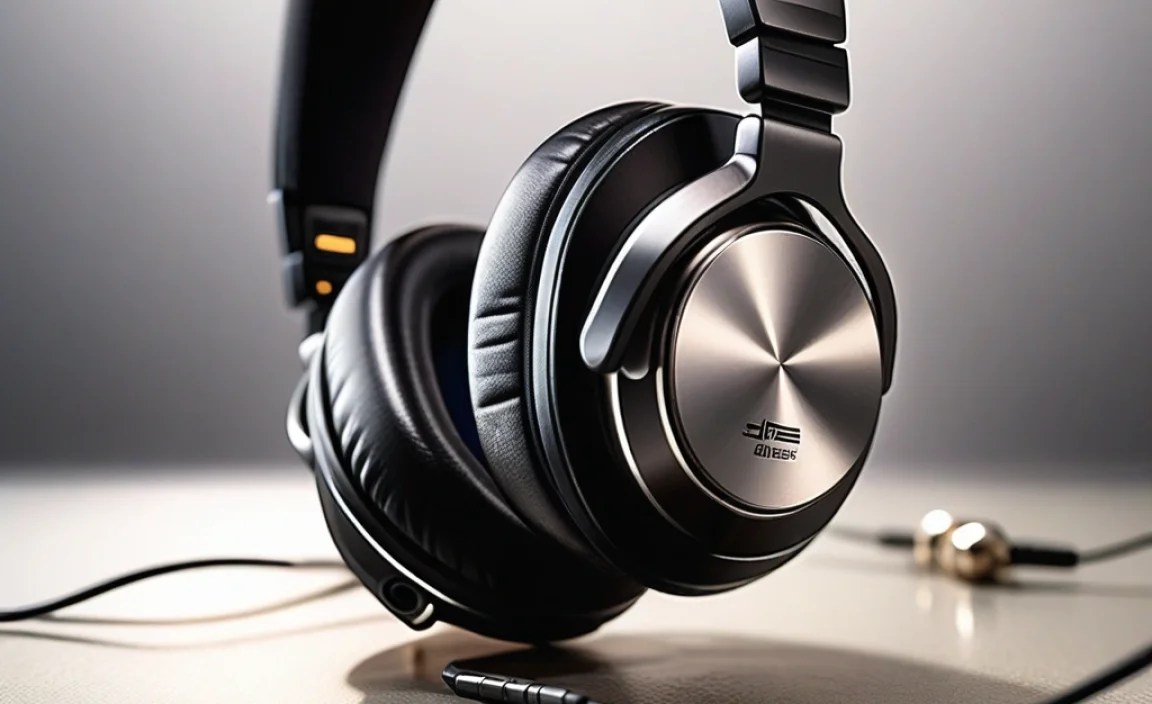
Several factors can influence what constitutes a “safe” dB level for your headphones. It’s not a one-size-fits-all scenario, and understanding these variables can help you make more informed choices.
Headphone Type: Open-back vs. Closed-back
The design of your headphones plays a role in how sound is perceived and isolated.
- Closed-back headphones: These create a seal around your ears, isolating you from external noise. This can be great for immersion but also means you might be tempted to turn the volume up to compensate for perceived quiet when you’re actually in a loud environment.
- Open-back headphones: These allow some sound to leak in and out, creating a more natural soundstage. Because they don’t isolate as well, you’re more likely to be aware of your surroundings, which can naturally encourage lower listening volumes.
Noise Isolation and Active Noise Cancellation (ANC)
Headphones with good passive noise isolation (from their design) or active noise cancellation (ANC) technology are designed to block out external noise. This is fantastic for enjoyment in noisy environments like planes or busy offices, but it also means you might not realize how loud your music is relative to the quiet created by the ANC. Be extra mindful of volume when using these features.
According to the National Institute on Deafness and Other Communication Disorders (NIDCD), noise-induced hearing loss (NIHL) is permanent but preventable. Understanding and managing your listening volume is a key part of prevention.
Listening Environment
The background noise level of your surroundings is a critical factor. In a quiet room, you can comfortably listen at lower volumes. In a crowded train or a bustling café, you’ll naturally need to turn the volume up. The challenge is to turn it up just enough to hear clearly, not so much that you blast your ears.
Individual Hearing Sensitivity
We are all unique, and so is our hearing! Age, genetics, and past exposure to loud noises can all affect your hearing sensitivity. What sounds comfortably loud to one person might be too quiet or too loud for another. Pay attention to how your ears feel and sound—they are your best indicators.
Source Audio Quality
The quality of the audio source itself can affect perceived loudness. Highly compressed audio files might sound louder than uncompressed ones at the same volume setting on your device. Always start with a moderate volume regardless of the audio source.
Recommended Listening Levels: A Quick Reference Table
To make things even simpler, here’s a quick table summarizing recommended listening levels. Treat these as guidelines, and always prioritize what feels comfortable and safe for your ears.
| Sound Level (Approximate) | Duration of Exposure | Notes for Headphone Listening |
|---|---|---|
| 60-70 dB (Whisper to Normal Conversation) | All day | Ideal for extended listening sessions. Provides clarity without risking damage. Likely around 50-70% of max volume on most devices. |
| 75 dB (Garbage Disposal) | Up to 2 hours | Still relatively safe for moderate listening periods. |
| 85 dB (Heavy Traffic, Lawn Mower) | Up to 8 hours | The upper limit for prolonged daily exposure. If your headphones consistently reach this, consider reducing volume or using ANC to achieve clarity at lower levels. |
| 90+ dB (Motorcycle, Power Saw) | Less than 1 hour | Avoid sustained listening at these levels. Trigger for using volume limiters or short listening bursts only. |
| 100+ dB (Jackhammer, Rock Concert) | 15 minutes or less | High risk of immediate damage. Should be avoided for headphone use. |
Note: These dB levels are general benchmarks. Your actual output can vary. Always listen at a comfortable, clear volume that doesn’t cause discomfort.
Building Healthy Listening Habits for Long-Term Hearing Health
Protecting your hearing is a marathon, not a sprint. Developing good habits now will pay dividends for years to come. Consistency is key!
The “10-Minute Rule” for Breaks
For every hour of listening, take a 10-minute break where you don’t listen to anything through headphones. This allows your ears to rest and recover, reducing fatigue.
“Listen at a Safe Volume” Reminders
Set occasional reminders on your phone or calendar to check your listening volume. It only takes a second to adjust. Consider enabling the volume limiter on your phone discussed earlier.
Awareness in Noisy Environments
Be especially vigilant when using headphones in noisy places. If you have to crank the volume to hear your audio, it’s a sign that your headphones might not be suitable for that environment, or that you should consider switching to an ANC model and keeping the volume moderate.
Regular Hearing Checks
If you are concerned about your hearing, or if you regularly listen to music at louder volumes, consider getting a hearing test from an audiologist. Early detection of any issues is crucial.
Educate Yourself and Others
Share what you’ve learned! The more people understand the risks and preventative measures, the better. Resources from organizations like the CDC (Centers for Disease Control and Prevention) offer valuable information on preventing hearing loss.
Common Misconceptions About Headphone Volume
There are a few myths out there about headphone volume that can lead people to be less cautious. Let’s clear them up:
- Myth: “If it doesn’t hurt, it’s not damaging.” The reality is that hearing damage from volume is insidious. It often happens gradually and painlessly. You can be damaging your hearing without feeling any discomfort.
- Myth: “My headphones have a volume limit, so they’re automatically safe.” While volume limiters are a great safety feature, they often set a limit that is still too high for prolonged listening (e.g., 100% of max volume can still be dangerously loud). Always use them in conjunction with your own judgment.
- Myth: “Only loud music at concerts causes hearing damage.” While concerts are a high-risk environment, prolonged, daily exposure to moderately loud sounds through headphones is equally, if not more, damaging for many people.
- Myth: “I’m young, so my hearing is strong and can handle anything.” While younger ears may have more resilience, damage is cumulative. Taking care of your hearing in youth sets the foundation for healthy hearing throughout your life.
Frequently Asked Questions (FAQ)
Q1: What is the absolute maximum safe dB level for headphones?
There isn’t one single “absolute maximum” that applies to everyone in all situations. However, guidelines from organizations like the WHO and CDC suggest that sustained exposure above 85 dB is where risks significantly increase. For recreational listening, aiming to stay below this for long periods is recommended. Listening at 100 dB or higher for even short durations carries a high risk of damage.
Q2: How can I tell if my headphones are too loud without a decibel meter?
Use your ears and common sense! If you feel any discomfort, buzzing, ringing, or your ears feel tired, they’re too loud. If you have to raise your voice significantly to be heard by someone next to you, they’re also too loud. A good indicator is being able to hear a bit of your surroundings while still enjoying clear audio.
Q3: Does volume affect sound quality?
Yes, in a way. At very low volumes, some of the nuances and details in music might become less apparent, which is why many people prefer to listen at moderate levels. However, turning the volume up beyond a certain point doesn’t actually improve the quality; it just increases the loudness and the risk of damage. The “sweet spot” is where you can clearly hear all the details without straining your ears.
Q4: Should I use headphones with Active Noise Cancellation (ANC) to listen at lower volumes?
ANC headphones can be very helpful for listening at lower volumes in
