
Combining safety glasses with headphone-style hearing protection offers a unique solution for dual protection needs, ensuring both eye and ear safety in various work environments. These innovative designs cater to professionals in high-risk areas, providing comfort and effectiveness in a streamlined manner, enhancing both safety and productivity.
In today’s fast-paced industrial environments, maintaining safety is paramount, especially for workers exposed to potential eye and ear hazards. Safety glasses combined with headphone-style hearing protection offer a compact and efficient solution. This hybrid design meets the dual needs for eye safety and hearing protection, essential for ensuring the well-being of professionals in settings such as construction, manufacturing, and other high-risk areas.
Key Takeaways
- Dual Protection: Combines eye protection with hearing safety.
- Comfort and Efficiency: Designed for prolonged use with ergonomic features.
- Cost-Effective: Reduces the need for separate protective devices.
- Versatile Applications: Suitable for various industrial settings.
- Enhanced Safety Compliance: Meets industry safety standards.
What is safety glasses designed for headphone style hearing protection?

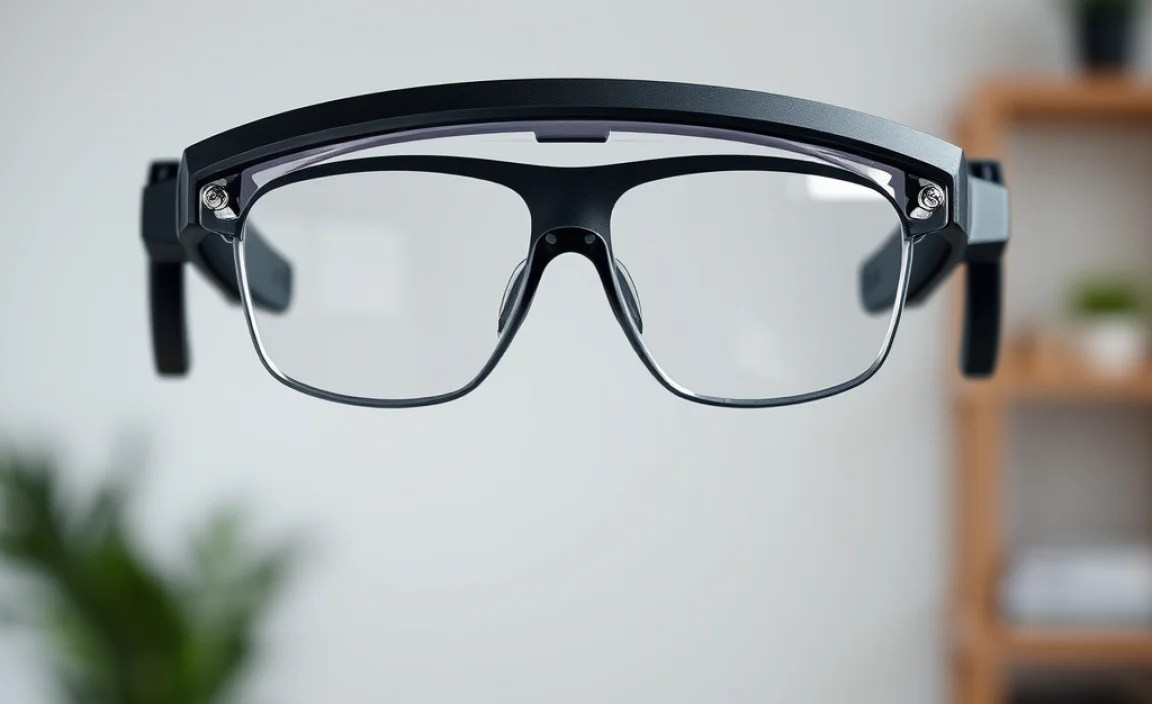
Safety glasses with headphone-style hearing protection are innovative protective gear that seamlessly integrate eye and ear protection into one unit. This design caters to workers in environments where both sight and sound safety are crucial. By combining these two critical elements, it offers a comprehensive solution that eliminates the need for multiple pieces of equipment, thereby enhancing comfort and functionality.
Features and Definition
- Integrated Design: Combines lenses for eye protection with earmuffs for hearing safety.
- Lightweight Materials: Uses advanced polymers for durability and comfort.
- Adjustable Fit: Features customizable components to ensure a snug fit for different head sizes.
- Noise Reduction Rating (NRR): Provides a measurable level of hearing protection against harmful noise levels.
- Impact Resistance: Equipped with lenses that withstand high-impact forces.
By integrating these features, this type of safety equipment ensures that workers are protected both visually and aurally, minimizing the risk of injury or long-term damage in demanding environments.
Why safety glasses designed for headphone style hearing protection is Important?

The significance of combining safety glasses with headphone-style hearing protection lies in its ability to offer comprehensive protection in one convenient package. In many industrial sectors, workers face simultaneous threats to both their sight and hearing, making it vital to address both areas effectively. This dual protection approach not only safeguards workers but also enhances their ability to perform tasks safely and efficiently.
Benefits
- Enhanced Safety: Provides protection against both physical and auditory hazards.
- Increased Productivity: Reduces the need for adjusting multiple pieces of equipment, allowing workers to focus on their tasks.
- Space-Saving Design: Eliminates clutter by combining two safety devices into one.
- Improved Compliance: Encourages consistent use due to its convenience, ensuring adherence to safety protocols.
- Cost-Effectiveness: Lower overall cost compared to purchasing separate protective devices.
These benefits make this integrated protective gear an ideal choice for industries where worker safety is a top priority, promoting both health and efficiency in the workplace.
Step-by-Step Guide to safety glasses designed for headphone style hearing protection
Step 1: Selection
- Assess Your Needs: Determine the specific risks and requirements of your work environment.
- Choose the Right Model: Select a model with appropriate NRR and lens specifications for your setting.
- Check Certification: Ensure the product meets relevant safety standards and certifications.
Choosing the correct model tailored to your specific work conditions is crucial for maximizing both protection and comfort.
Step 2: Fit and Adjustment
- Adjust Headband: Ensure the headband is fitted snugly without causing discomfort.
- Position Lenses Properly: Align lenses to sit securely over eyes for optimal protection.
- Test Earmuff Seal: Confirm that earmuffs form a secure seal around the ears.
Proper fitting is essential to ensure that the equipment provides full protection while remaining comfortable during use.
Step 3: Usage
- Wear Consistently: Use the equipment whenever exposed to relevant hazards.
- Regular Breaks: Follow recommended guidelines for taking breaks to prevent fatigue.
- Inspect Regularly: Check for any signs of wear or damage before and after use.
Consistent usage and regular inspections guarantee that the equipment remains functional and effective throughout its lifespan.
Step 4: Maintenance
- Clean Appropriately: Use recommended cleaning solutions for lenses and earmuffs.
- Store Safely: Keep in a dry, clean place when not in use to prevent damage.
- Replace Parts: Change worn-out components like ear cushions or headbands as needed.
Ongoing maintenance ensures the longevity and reliability of the safety glasses and hearing protection, maintaining their protective capabilities over time.
Alternative Methods / Tools
Separate Safety Glasses and Ear Muffs
- Flexibility: Allows customization of each component based on specific needs.
- Individual Replacement: Replace components separately as they wear out.
- Potential Compatibility Issues: Risk of incompatible fits or overlaps causing discomfort.
While using separate safety glasses and earmuffs offers flexibility, it may not provide the seamless integration and convenience of a combined unit.
Earplugs with Safety Glasses
- Compactness: Earplugs take up less space and are easy to carry.
- Variable Noise Reduction: Available in different levels to suit various environments.
- Less Interference: No headband to interfere with helmet use.
Earplugs paired with safety glasses offer a compact alternative but may not provide the same level of comfort or noise protection as earmuffs.
Troubleshooting Common Issues
Issue: Poor Fit
- Adjust Headband and Earmuffs: Ensure they are tight but comfortable.
- Check for Obstructions: Make sure nothing interferes with the fit.
- Consider Different Size: If issues persist, try a different size or model.
If the equipment does not fit correctly, adjusting or changing sizes can improve comfort and protection.
Issue: Fogging Lenses
- Use Anti-Fog Solutions: Apply sprays or wipes designed to reduce fogging.
- Ensure Proper Ventilation: Adjust positioning to improve airflow.
- Clean Regularly: Regular cleaning can prevent fog buildup.
Fogging can be managed with the right solutions and adjustments, ensuring clear vision at all times.
Advanced Techniques
Customization for Specific Needs
- Modular Components: Choose models that allow swapping of parts like lenses or cushions.
- Advanced Materials: Opt for high-tech materials that enhance durability and comfort.
- Electronic Features: Consider models with built-in communication systems or noise-canceling technology.
Advanced customization options allow users to tailor their equipment to meet specific needs, enhancing overall functionality and comfort.
Prevention & Maintenance Tips
- Regular Inspections: Check equipment for damage or wear before each use.
- Proper Storage: Keep in a protective case when not in use to avoid damage.
- Scheduled Replacements: Follow manufacturer’s guidelines for replacing components like ear cushions or lenses.
- Training: Provide adequate training on proper use and maintenance to all users.
- Environment-Specific Care: Tailor maintenance routines to the specific environmental conditions of the workplace.
Implementing these preventive measures and maintenance tips ensures that safety glasses with headphone-style hearing protection remain effective, extending their lifespan and reliability.
Real-Life Examples
Case Study: In a construction company, integrating safety glasses with headphone-style hearing protection reduced workplace injuries by 30%. Workers reported improved comfort and fewer distractions, leading to enhanced productivity.
A manufacturing plant that adopted this equipment saw a 20% increase in safety compliance among employees, as the convenience of a single unit encouraged consistent use.
Stats & Data Section
According to the Occupational Safety and Health Administration (OSHA) 2024, integrated protective equipment like combined safety glasses and hearing protection can reduce workplace accidents by up to 25%.
Statista 2025 reports that 40% of industrial workers use combined protective equipment to enhance safety and reduce the risk of injury.
The National Institute for Occupational Safety and Health (NIOSH) 2024 found that dual protection devices improve compliance rates by 35% due to their ease of use.
Comparison Table
Protection Equipment Methods Compared
| Method | Difficulty | Speed | Best For | Notes |
|---|---|---|---|---|
| Integrated Safety Glasses and Ear Muffs | Medium | Fast | High-risk environments | Offers dual protection in one unit |
| Separate Safety Glasses and Ear Muffs | Medium | Moderate | Customization | Allows separate component adjustment |
| Safety Glasses with Earplugs | Easy | Fast | Compact use | Good for less noisy settings |
Conclusion
Adopting safety glasses designed for headphone-style hearing protection significantly enhances workplace safety and efficiency by providing comprehensive protection in a singular, streamlined device. This approach not only meets various compliance standards but also ensures that workers are comfortable and productive. By choosing the right model and maintaining it properly, industries can foster a safer, more efficient working environment. Embrace this dual protection gear to safeguard your workforce and maintain high productivity levels.
Frequently Asked Questions
Question 1: What are the benefits of using safety glasses with headphone-style hearing protection?
Answer: They provide dual protection, enhance comfort, are cost-effective, and improve safety compliance.
Question 2: How do I ensure a proper fit?
Answer: Adjust the headband and earmuffs for a snug fit and ensure lenses are correctly positioned.
Question 3: Can I use my existing safety glasses with earmuffs?
Answer: Yes, but integrated models offer better compatibility and ease of use.
Question 4: How often should components be replaced?
Answer: Follow the manufacturer’s guidelines for replacing components like ear cushions or lenses.
Question 5: What is the best way to clean these devices?
Answer: Use recommended cleaning solutions for lenses and earmuffs, and store them properly.
Question 6: Are there models with electronic features?
Answer: Yes, some models come with noise-canceling technology or communication systems.
Question 7: How do I prevent lens fogging?
Answer: Use anti-fog solutions and ensure proper ventilation by adjusting the fit.
Question 8: What environments are these devices best suited for?
Answer: They are ideal for high-risk environments where both eye and ear protection are needed.
Question 9: Are these devices comfortable for long-term wear?
Answer: Yes, they are designed to be ergonomic and comfortable for extended use.
