
Quick Summary: Sensory headphones for adults help manage overstimulation by reducing noise. This guide breaks down what they are, how to choose the right pair for focus or calm, and practical tips for using them effectively. Find peace and concentration with the right sensory headphones.
Sensory Headphones for Adults: Your Essential Guide to Finding Focus and Calm
Hey everyone, Edward Cavitt here from Headphone Horizon! Today, we’re diving into a topic that’s becoming increasingly important for many of us: sensory headphones for adults. In our busy world, finding moments of quiet focus or gentle calm can feel like a luxury. Whether you’re navigating a noisy office, trying to study in a bustling café, or simply seeking a personal oasis at home, sensory headphones offer a fantastic solution. These aren’t your typical music-listening headphones; they’re designed specifically to reduce distracting environmental sounds, creating a calmer auditory experience. Let’s explore what makes them special and how you can find the perfect pair to enhance your daily life. We’ll keep it simple, clear, and absolutely jargon-free, so you can feel confident making a great choice.

What Exactly Are Sensory Headphones for Adults?

At their core, sensory headphones for adults are designed to help individuals manage sensory input, particularly auditory stimuli. For many adults, this means reducing the overwhelming noise of everyday environments that can lead to stress, distraction, or sensory overload. Unlike noise-canceling headphones primarily aimed at enjoying music with minimal interference, sensory headphones focus on creating a quieter, less stimulating soundscape, regardless of whether you’re listening to anything. They work by either passively blocking sound or actively reducing it, providing a sense of calm and improved focus.
Think of them as a personal “quiet zone” you can wear. They are particularly beneficial for adults who are neurodivergent (such as those with Autism Spectrum Disorder or ADHD), experience anxiety, have sensory processing sensitivities, or simply want to concentrate better in noisy surroundings. The goal is to filter out the cacophony of the world, allowing for a more manageable and comfortable sensory experience.
How Do They Work?
Sensory headphones achieve their goal through a couple of primary mechanisms:
- Passive Noise Isolation: This is the most common method. The earcups are designed with dense, thick materials that physically block sound waves from reaching your ears. The snug fit of the earcups against your head creates a seal, much like earplugs, but offering more comfort and coverage. The better the seal and the denser the material, the more passive isolation you’ll get.
- Active Noise Cancellation (ANC): Some sensory headphones incorporate ANC technology. Microphones on the outside of the headphones pick up ambient noise, and then the internal electronics generate an opposite sound wave to cancel out that noise before it reaches your ears. This is particularly effective against constant, low-frequency sounds like airplane engines or office hums.
It’s important to note that the level of sound reduction can vary significantly between different types of sensory headphones. Some aim for complete silence, while others offer a more nuanced approach, allowing certain important sounds through while dampening others. For a deeper dive into the science of sound and how headphones work, resources like those from the American Academy of Audiology can offer valuable insights into how sound impacts our hearing.
Who Can Benefit from Sensory Headphones?

The applications for sensory headphones are broad, extending far beyond niche uses. If you find yourself easily distracted, stressed by noise, or seeking a calmer environment, these headphones might be for you. Here’s a look at some key groups who benefit:
- Individuals with Sensory Processing Disorders (SPD) or Autism Spectrum Disorder (ASD): For those with SPD or ASD, loud or unpredictable noises can be overwhelming and even painful. Sensory headphones create a predictable, muted sound environment, reducing anxiety and meltdowns, and allowing for greater participation in social and daily activities.
- People with ADHD: Distractions are a common challenge for individuals with ADHD. Sensory headphones can help filter out background noise, making it easier to concentrate on tasks, whether at work, school, or home.
- Individuals Experiencing Anxiety or Stress: Loud, sudden, or persistent noises can trigger or exacerbate anxiety. The quiet provided by sensory headphones can be incredibly calming, offering a refuge from stressful auditory environments.
- Students and Professionals: Anyone who needs to focus in a noisy environment—open-plan offices, dorm rooms, libraries, or cafes—can find sensory headphones invaluable for improving concentration and productivity.
- Travelers: Long flights, train rides, or bus journeys can be filled with ambient noise. Sensory headphones can make travel much more comfortable by reducing engine noise, chatter, and other distractions.
- Anyone Seeking Quiet: Simply put, if you value peace and quiet to relax, recharge, or engage in activities like reading or meditation, sensory headphones can provide that much-needed respite.
Types of Sensory Headphones for Adults

When you start looking for sensory headphones, you’ll notice a few different categories that cater to varying needs. Understanding these distinctions will help you narrow down your choices.
1. Passive Noise-Reducing Headphones (Sound Dampening)
These are the most straightforward and often the most affordable option. They rely entirely on their physical construction to block out sound. Imagine them as high-quality ear defenders used at shooting ranges or construction sites, but often designed with more comfort and aesthetics suitable for everyday wear.
- How they work: Thick earcups with dense padding and a tight seal around the ears physically prevent most sound waves from entering.
- Pros:
- No batteries or electronics required.
- Simple to use – just put them on.
- Reliable sound reduction without any distortion.
- Generally more durable.
- Often more affordable.
- Cons:
- Less effective against high-frequency or very loud, sudden noises compared to ANC.
- Can feel bulky or warm.
- May block out helpful sounds like alarms or someone calling your name if the seal is too good.
- Best for: Constant, moderate background noise (e.g., office chatter, general household sounds, distant traffic) and for those who prefer a purely mechanical solution.
2. Active Noise-Canceling (ANC) Headphones
ANC headphones use technology to actively counteract outside noise. This makes them incredibly effective at silencing lower-frequency, constant sounds.
- How they work: External microphones detect ambient noise, and the headphones generate an “anti-noise” signal to cancel it out.
- Pros:
- Excellent at reducing consistent, low-frequency noise (plane engines, HVAC systems, train rumble).
- Can provide a deeper sense of quiet.
- Often come with additional features like Bluetooth connectivity.
- Cons:
- Require batteries or charging.
- Can be more expensive.
- Less effective at blocking sudden, high-frequency noises (like a baby crying or a dog barking).
- The ANC process can sometimes create a slight “pressure” sensation.
- May not be suitable for those who need to be aware of their surroundings for safety.
- Best for: Frequent travelers, commuters, and those working in environments with consistent droning noises.
3. Hybrid/Specialty Sensory Headphones
Some manufacturers create headphones that blend features or are specifically tailored for sensory needs. This might include headphones with adjustable levels of noise reduction, comfortable materials for long wear, or even integrated features for calming sounds.
- Examples include: Headphones with adjustable ANC levels, headphones designed with extra-soft materials for sensitive skin, or even headphones that play white noise or binaural beats internally.
- Pros: Can offer a more customized sensory experience.
- Cons: Might be harder to find and potentially more expensive depending on the features.
Key Features to Consider When Buying
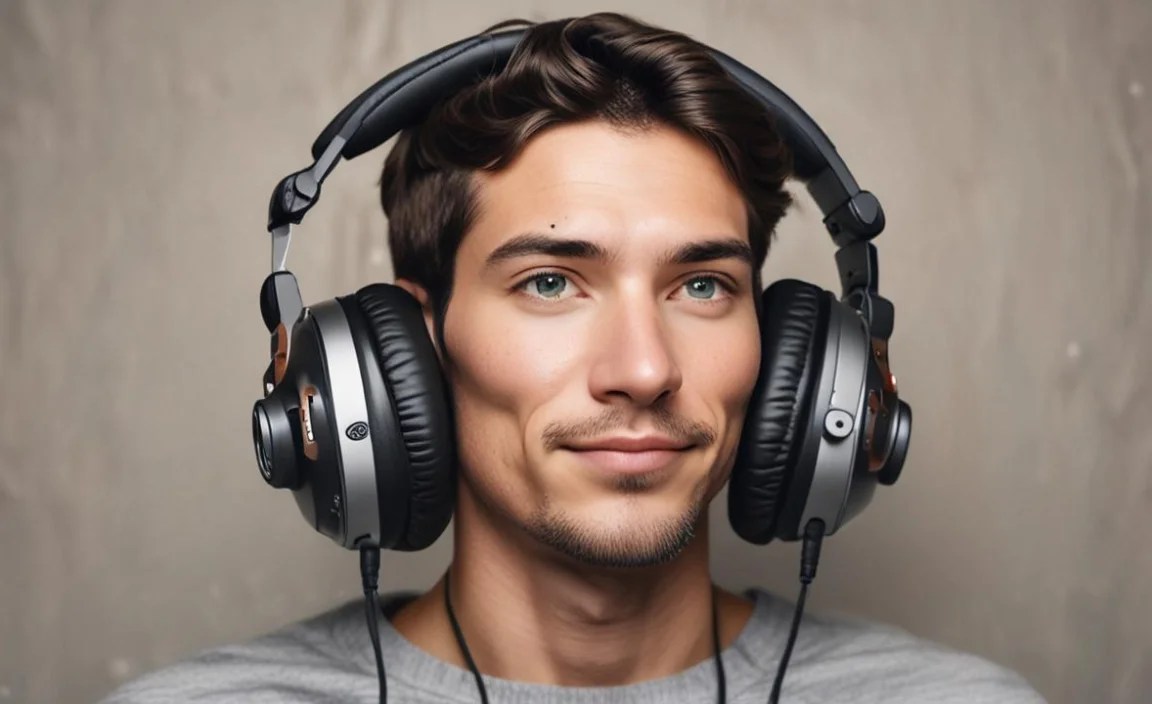
Choosing the right pair of sensory headphones involves looking beyond just “noise reduction.” Here are the crucial features that will make a real difference in your experience:
1. Level of Noise Reduction
This is paramount. Are you looking to simply muffle general chatter, or do you need to create near silence?
- High Reduction: Aim for headphones with thick padding, good passive isolation, and effective ANC if available.
- Moderate Reduction: A comfortable pair with decent passive isolation might be sufficient.
Check product descriptions for Noise Reduction Rating (NRR) if available, although this is more common for industrial ear defenders. For consumer headphones, look for descriptions like “significant noise reduction,” “blocks distracting sounds,” or specific decibel (dB) reduction figures if provided.
2. Comfort and Fit
You’ll likely be wearing these for extended periods, so comfort is non-negotiable.
- Earcups: Look for plush, breathable materials like memory foam covered in soft fabric (e.g., velour or faux leather). Ensure the earcups are large enough to fit completely over your ears without pressing on them.
- Headband: It should be padded and adjustable to fit your head size without being too tight or too loose.
- Weight: Lighter headphones are generally more comfortable for long-term wear.
- Clamping Force: The pressure the headphones exert on your head. Too much force can cause headaches.
3. Material Quality and Durability
Sensory headphones can be an investment. You want them to last.
- Construction: Sturdy plastics and metal components in the headband or hinges often indicate better durability.
- Padding Durability: High-density foam that doesn’t flatten out quickly will maintain its effectiveness and comfort.
4. Portability and Design
Consider where and how you’ll use them.
- Foldable Design: Many headphones fold up neatly for easier storage in a bag.
- Carrying Case: A protective case is a great bonus for travel or storage.
- Aesthetics: While not the primary function, you might prefer a design that looks less like industrial hearing protection and more like stylish everyday wear.
5. Additional Features
Depending on your needs, other features might be useful:
- Adjustable Volume Limiting: Some headphones have a built-in limiter to prevent accidental loud sounds, which is crucial for sensitive individuals.
- Bluetooth Connectivity: If you want to listen to calming music or podcasts while still reducing environmental noise.
- Detachable Cable: For wired headphones, a detachable cable is more durable and easier to replace if damaged.
- Microphone: If you need to take calls without removing the headphones.
Step-by-Step: How to Choose Your Sensory Headphones

Ready to find your perfect pair? Follow these simple steps:
Step 1: Identify Your Primary Need
- Do you need to focus for work/study? Prioritize comfort for long wear and effective reduction of general office chatter or background noise.
- Are you highly sensitive to overstimulation? Look for maximum noise reduction, potentially with softer materials and a gentler fit.
- Does constant droning noise bother you most (e.g., travel, machinery)? ANC technology will be your best friend.
- Do you need a safe, quiet space for relaxation or managing anxiety? Comfort and a significant reduction in all types of noise are key.
Step 2: Determine Your Budget
Sensory headphones can range from $20 for basic passive models to $300+ for high-end ANC options. Setting a budget will help narrow your search significantly.
Step 3: Research Specific Models
Once you know your needs and budget, start looking at popular brands and models. Read reviews specifically from people who use headphones for sensory reasons, not just for listening to music.
Example Comparison Table: Entry-Level vs. Mid-Range Sensory Headphones
| Feature | Entry-Level Passive Models (e.g., basic ear defenders) | Mid-Range Passive/Basic ANC Models |
|---|---|---|
| Noise Reduction Type | Passive only | Passive, potentially basic ANC |
| Comfort | Variable; can sometimes be stiff or warm. | Generally better padding, softer materials, adjustable headband. |
| Effectiveness | Good for moderate, constant noise. | Good to very good for moderate to significant ambient noise. ANC excels at consistent low frequencies. |
| Durability | Can be simple and robust. | Usually good, often better materials. |
| Price Range | $20 – $50 | $50 – $150 |
| Best For | Occasional use, basic noise dampening, budget-conscious. | Regular use, moderate to significant noise, travel (basic ANC). |
Step 4: Check Specifications and Reviews
Pay attention to:
- Decibel Reduction (dB): Higher numbers mean more sound blocked.
- Fit and Weight: Look for mentions of comfort for long wear.
- Material: What are the earcups made of?
- User Feedback: What do other users with similar needs say?
Step 5: Consider Trying Them On (If Possible)
If buying in person, try them on. Even a few minutes can tell you a lot about comfort and how well they seal around your ears. If buying online, check the return policy.
Practical Tips for Using Sensory Headphones Effectively
Once you have your sensory headphones, here’s how to get the most out of them:
1. Proper Fit is Key
Ensure the earcups are positioned correctly over your ears and create a good seal. Adjust the headband for a snug, but not painful, fit. Even a slight gap can significantly reduce their effectiveness.
2. Gradual Introduction
If you’re new to wearing sensory headphones, start with short periods. Wear them for 15-30 minutes at a time in a relatively quiet environment to get accustomed to the feeling. Gradually increase the duration as you feel more comfortable.
3. Understand Their Purpose
Remember, they are primarily for reducing ambient noise. Some may still let through very loud or sudden sounds. They are not a substitute for earplugs in extremely loud environments (like concerts or heavy machinery operation) unless specifically rated for such use.
4. Combine with Other Strategies
Sensory headphones are a powerful tool, but they work best when integrated into a broader self-care or focus strategy.
- Mindfulness and Deep Breathing: Use the quiet time provided by the headphones to practice calming techniques.
- Sensory Breaks: Schedule short breaks to remove the headphones and re-engage with your environment if needed.
- Environmental Adjustments: If possible, also reduce visual clutter or other sensory stressors in your environment.
5. Maintenance for Longevity
Keep your headphones in good condition.
- Cleaning: Wipe down earcups and the headband regularly with a damp cloth. For removable earpads, follow manufacturer instructions for washing or wiping. Avoid harsh chemicals.
- Storage: Store them in a protective case or a safe place where they won’t be crushed or damaged.
- Battery Care (for ANC): If your headphones have ANC, follow the manufacturer’s guidelines for charging and battery maintenance to ensure optimal performance.
When to Use Your Sensory Headphones
There are countless scenarios where sensory headphones can be a game-changer:
- In the Workplace: To focus in open-plan offices, during conference calls when background noise is distracting, or simply to create a personal zone for deep work.
- While Studying: In noisy dorms, libraries, or cafes to concentrate on reading and assignments.
- During Commuting: On buses, trains, or subways to reduce the rumble and chatter, making the journey more peaceful.
- At Home: When family members or roommates are making noise, or during vacuuming, lawn mowing, or home repairs.
- In Public Places: During shopping trips, at appointments, or in busy waiting rooms to manage sensory overload.
- For Relaxation: To enjoy quiet reading time, meditation, or simply to de-stress after a long day.
- During Flights: To significantly reduce engine noise and cabin sounds for a more restful travel experience.
Brands to Explore (Examples)
While I can’
