
Quick Summary: Ready to buy new headphones? This guide breaks down the jargon, explains different styles, and helps you choose the perfect pair for your needs and budget. Learn about fit, sound quality, and features to make a confident and satisfying purchase.
Shop for Headphones: Your Essential Guide
Dreaming of that perfect listening experience? Whether you’re a music aficionado, a podcast devotee, or just need to tune out the world for a bit, a great pair of headphones can make all the difference. But stepping into the world of audio gear can feel a bit overwhelming with all the different types, brands, and fancy technical terms. Don’t worry, I’m Edward Cavitt from Headphone Horizon, and I’m here to guide you through the process. Think of this as your friendly, no-nonsense roadmap to finding headphones that’ll bring a smile to your face with every listen.
Understanding Headphone Types: What’s Right for You?

The first big decision you’ll make is about the style of headphone. Each type has its own pros and cons, and knowing what they are will steer you toward the best fit for your lifestyle.
1. Over-Ear Headphones
These are the ones that completely surround your ears. They tend to offer the most comfort for long listening sessions and, generally, the best sound quality and noise isolation.
- Circumaural: These are the most common over-ear type, with earcups that fully enclose your ears.
- Supra-aural: These sit on your ears, not around them. They are usually smaller and lighter but can sometimes cause discomfort or leak sound.
Pros:
- Excellent comfort for extended wear.
- Often provide superior sound quality and bass response.
- Great passive noise isolation (blocking outside noise).
Cons:
- Can be bulky and less portable.
- May cause ears to get warm.
- Can be expensive for premium models.
2. On-Ear Headphones
As the name suggests, these rest directly on your ears. They’re a middle ground between over-ear and in-ear designs:
Pros:
- More portable than over-ear headphones.
- Lighter and can be more comfortable for some than supra-aural over-ear.
- Allow for some ambient sound, which can be good for awareness.
Cons:
- Can cause ear discomfort after prolonged use.
- Sound isolation is usually not as good as over-ear.
- Sound quality can sometimes be compromised compared to over-ear.
3. In-Ear Headphones (Earbuds/IEMs)
These fit directly into your ear canal. They are the most portable and popular for workouts and on-the-go listening. In-ear monitors (IEMs) are a more professional, high-fidelity version designed for a perfect seal and accurate sound.
Pros:
- Extremely portable and discreet.
- Offer excellent passive noise isolation when sealed properly.
- Great for exercise and active lifestyles.
Cons:
- Fit can be challenging for some; requires trying different ear tip sizes.
- Sound quality can vary greatly; not all earbuds sound amazing.
- Can feel intrusive in the ear canal for some users.
4. True Wireless Earbuds
This is a subcategory of in-ear headphones that have no wires connecting the buds to each other or to your device once paired. They are incredibly convenient.
Pros:
- Ultimate freedom of movement, no wires at all.
- Very compact and come with a charging case for on-the-go power.
Cons:
- Battery life can be a concern for very long listening sessions (though cases help).
- Easy to lose if not stored properly.
- Can be more expensive than wired alternatives.
Key Features to Consider When You Shop for Headphones

Beyond the basic type, several features can significantly impact your listening experience and your decision.
1. Sound Quality
This is, of course, paramount! Sound quality is subjective, but there are general characteristics to look for:
- Balanced Sound: You want a sound profile where bass, mids, and treble are all present and clear without overpowering each other.
- Detail and Clarity: Good headphones reveal nuances in music you might have missed before.
- Soundstage: This refers to how “wide” or “immersive” the sound feels, like you’re in a concert hall rather than just hearing sound come from your head.
Reading reviews from reputable audio sites can help you understand a headphone’s sound signature. For instance, sites like Rtings.com provide detailed objective and subjective measurements.
2. Comfort and Fit
You’ll be wearing these for hours, so comfort is non-negotiable. For over-ear and on-ear headphones, pay attention to:
- Earcups: Are they plush? Do they fully enclose your ears (for over-ear)? What material are they made of (velour, leatherette, leather)?
- Headband: Is it well-padded? Does it apply too much pressure?
- Weight: Lighter is often better for long-term comfort.
For in-ear headphones, the included ear tips are crucial. Most come with several sizes (small, medium, large) and materials (silicone, foam). A good seal is key for both comfort and sound quality.
3. Durability and Build Quality
You want headphones that will last. Look for:
- Materials: Metal components (like aluminum or steel) often indicate better durability than just plastic.
- Hinge Design: If they fold, check how sturdy the hinges are.
- Cable Quality: For wired options, is the cable thick and resistant to tangling? Can it be replaced if it breaks? (Detachable cables are a plus!)
4. Connectivity
How will you connect your headphones? This is especially important for modern devices that might be lacking traditional headphone jacks.
- Wired: Still the most reliable connection with no battery concerns. Common connector is a 3.5mm (1/8-inch) audio jack, but USB-C and Lightning are becoming more prevalent.
- Bluetooth: Wireless convenience. Look for the latest Bluetooth version (e.g., Bluetooth 5.0 or higher) for better range, stability, and battery efficiency. Advanced codecs like aptX or LDAC can also improve audio quality over Bluetooth.
5. Noise Cancellation
This is a game-changer for commuters, travelers, and anyone in noisy environments.
- Active Noise Cancellation (ANC): Uses microphones to detect ambient sound and generate opposing sound waves to cancel it out. It’s incredibly effective for low-frequency constant noises like airplane engines or office hum.
- Passive Noise Isolation: Achieved through the physical design of the headphone – a good seal in your ears or around them.
ANC headphones usually require battery power and can sometimes affect sound quality slightly, but the quiet they provide is often worth it.
6. Battery Life
Crucial for wireless headphones. Check the manufacturer’s stated battery life for both the headphones themselves and the charging case if they are true wireless.
- A good target for true wireless earbuds is 4-6 hours per charge, with the case providing at least 2-3 extra charges.
- Over-ear wireless headphones often offer 20-40 hours or more per charge.
7. Features and Functionality
Consider what else you might need:
- Microphone Quality: If you take calls frequently, a good built-in mic is essential.
- Controls: Are there physical buttons or touch controls? Are they intuitive?
- Water/Sweat Resistance: Important for sports or use in rainy conditions (look for an IP rating, like IPX4).
- Companion App: Some headphones come with apps that allow you to customize EQ, update firmware, or adjust ANC levels.
Navigating Price Points and Budgets

Headphones can range from under $20 to over $1000. Setting a budget is key.
| Price Range | Typical Features & Quality | Best For |
|---|---|---|
| Under $50 | Basic functionality, decent sound for casual listening, wired options are robust. Plastic construction. May lack advanced features like ANC. | Occasional use, budget-conscious students, basic office use. |
| $50 – $150 | Good sound quality, improved comfort and build, reliable Bluetooth, some models may offer basic ANC. A sweet spot for value. | Everyday commuters, music lovers, casual gamers, general use. |
| $150 – $300 | Excellent sound, premium materials, effective ANC, advanced Bluetooth codecs, superior comfort, good microphones. | Audiophiles on a budget, frequent travelers, professionals, serious music enthusiasts. |
| $300+ | Top-tier audio fidelity, cutting-edge noise cancellation, luxurious materials, customizable sound, often specialized for specific use cases (e.g., studio monitoring). | Dedicated audiophiles, professionals, those seeking the absolute best performance. |
Don’t feel pressured to buy the most expensive pair. Often, mid-range options provide the best bang for your buck for everyday listening.
Where to Buy Headphones

You have several options for purchasing headphones, each with its own advantages:
- Online Retailers (Amazon, Best Buy, Crutchfield, etc.):
- Pros: Vast selection, competitive pricing, convenience of home delivery, extensive customer reviews.
- Cons: Cannot try them on before buying, potential for counterfeits (especially on less reputable marketplaces).
- Pros: Direct access to the latest models, sometimes exclusive deals, direct support from the brand.
- Cons: Selection limited to one brand, prices might be higher.
- Pros: Ability to see, feel, and sometimes try on headphones. Get immediate assistance from sales staff.
- Cons: Selection may be limited, potentially higher prices, less convenience than online.
- Pros: Expert advice, ability to demo high-end equipment, curated selection.
- Cons: Can be intimidating for beginners, selection geared towards enthusiasts, prices can be high.
For beginners, starting with major online retailers or electronics stores is often the easiest and most accessible route. Look for reputable sellers to ensure you’re getting genuine products.
Tips Before You Buy: Do Your Homework!
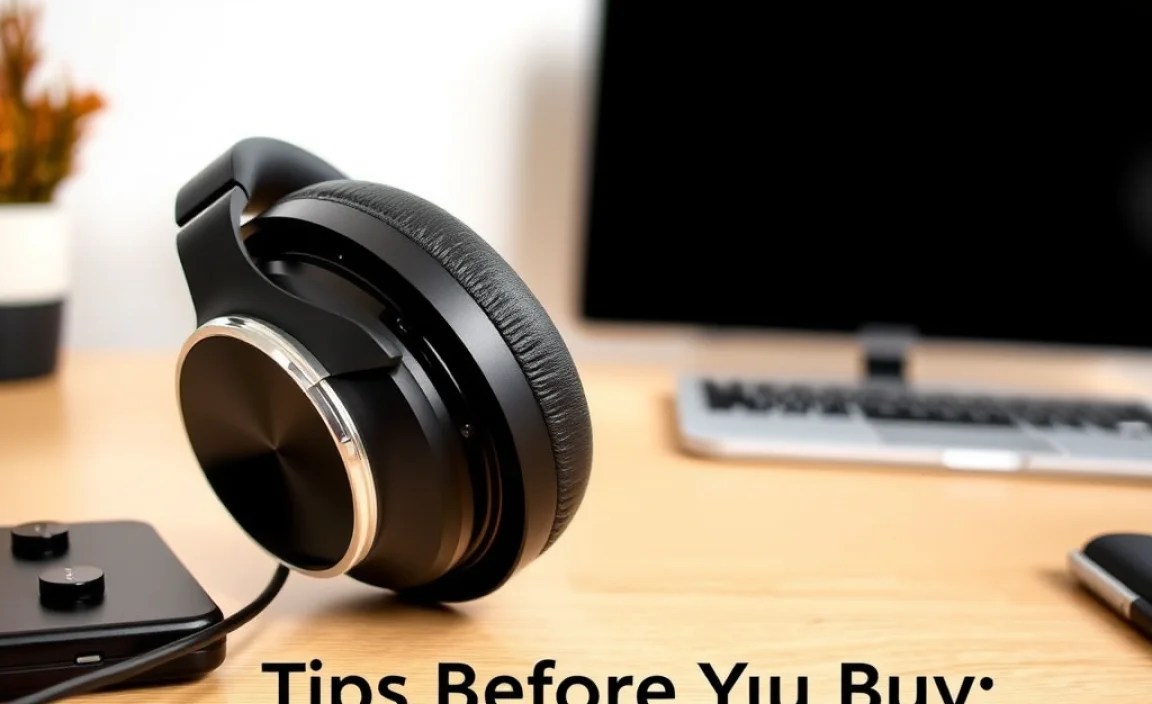
Before you click “add to cart” or head to the store, a little preparation goes a long way.
- Read Reviews: Go beyond the star ratings. Look for in-depth reviews from trusted audio websites and user feedback that mentions your specific use case (e.g., “good for running,” “comfortable for long flights”).
- Watch Video Reviews: Sometimes, visual demonstrations of fit, build quality, and controls are more helpful than written descriptions.
- Identify Your Primary Use Case: Are these for commuting? Working out? Gaming? Critical listening at home? This will heavily influence your ideal type and features.
- Check Return Policies: Especially when buying online, understand the return window and conditions in case they don’t fit or sound right.
- Consider the Ecosystem: If you’re an Apple user, AirPods offer seamless integration. Similarly, Samsung users might benefit from Samsung’s ecosystem. However, don’t let this limit you if another brand offers superior sound or features.
Learning about headphone driver types can also be helpful if you’re delving deeper into sound quality. The two main types are dynamic drivers (common, versatile) and balanced armature drivers (often found in IEMs, known for detail). But for most everyday users, focusing on reviews that describe the listening experience is more practical.
Frequently Asked Questions (FAQ)
Q1: What does “impedance” mean for headphones?
Impedance is a measure of electrical resistance, measured in ohms (Ω). For most modern portable devices (smartphones, laptops), headphones with lower impedance (around 16-32 Ω) are ideal as they require less power to drive them to a comfortable listening volume. Higher impedance headphones (64 Ω and up) usually require a more powerful amplifier to sound their best and are typically used with dedicated audio equipment.
Q2: What are the best headphones for workouts?
For workouts, look for true wireless earbuds or secure-fit on-ear/in-ear headphones. Key features are a stable fit (ear hooks or wingtips can help), sweat and water resistance (check for an IPX rating like IPX4 or higher), and a robust Bluetooth connection. Comfort and ease of use are also important when you’re focused on your activity rather than fiddling with your gear.
Q3: Should I get wired or wireless headphones?
It depends on your priorities. Wired headphones offer superior sound quality potential (without advanced codecs), no battery worries, and are often more affordable for comparable sound. Wireless headphones (especially Bluetooth) offer unparalleled convenience and freedom of movement. For most people nowadays, the convenience of wireless outweighs the minor audio quality differences, but if pristine audio is your absolute top priority, wired is still king.
Q4: What is “latency” and why does it matter for gaming?
Latency refers to the delay between when a sound is produced by your device and when you actually hear it through your headphones. For music and calls, a small amount of latency is usually unnoticeable. However, in gaming or watching videos, high latency can cause audio to be out of sync with the action on screen, which can be very distracting and ruin the immersion. Look for headphones that advertise low latency or use codecs like aptX Low Latency if you’re a mobile gamer.
Q5: How do I know if headphones have good noise cancellation?
Look for headphones specifically advertised with Active Noise Cancellation (ANC). Reputable brands like Sony, Bose, and Apple are known for strong ANC. Reviews are your best friend here; they will often detail how effective the ANC is at blocking different types of noise (e.g., low-frequency hums vs. voices). Remember that ANC requires battery power, and some people find they can subtly affect sound quality.
Q6: What is the difference between earbuds and in-ear monitors (IEMs)?
While both fit in the ear canal, earbuds are typically more general-purpose and designed for casual listening, often with a less precise fit. In-ear monitors (IEMs) are designed for critical listening and often have a much more precise, deep fit to create an excellent seal and deliver highly accurate sound reproduction. They are often favored by musicians for stage monitoring and by audiophiles for their detailed sonic performance.
Conclusion
Shopping for headphones no longer needs to be a daunting task. By understanding the different types, considering the key features that matter most to you, setting a realistic budget, and doing a little research, you’re well on your way to finding a pair that will bring you joy for years to come. Whether you prioritize crystal-clear highs for your classical music, thumping bass for your workout playlist, or peace and quiet during your commute, there’s a perfect pair out there waiting for you. So, take a deep breath, use this guide as your compass, and embark on your exciting journey to discovering your next favorite audio companion. Happy listening!
