
Quick Summary: Finding the right “snug headphones for autism” can dramatically improve sensory comfort. This guide explores key features like noise cancellation, material comfort, and secure fit to help you choose headphones that provide a calming, focused audio experience for individuals with autism.
Snug Headphones For Autism: Essential Comfort
For many individuals with autism, sensory experiences can be overwhelming. Sound, in particular, can be a significant trigger, leading to anxiety or distress. This is where the right pair of headphones can make a world of difference. Not just for listening to music, “snug headphones for autism” serve as a vital tool for sensory regulation, creating a personal sanctuary of calm. They help to filter out overwhelming noise, providing a predictable and comforting auditory environment. In this guide, we’ll dive into what makes headphones truly beneficial for autistic individuals, focusing on comfort, functionality, and how to find the perfect fit for a more peaceful and engaged experience.
Understanding Sensory Needs and Headphones

Sensory processing differences are a core characteristic of autism spectrum disorder (ASD). For some, this means being highly sensitive to certain sounds, textures, or lights. For others, it might mean seeking out sensory input. Loud, unexpected, or prolonged noises can be particularly challenging, leading to meltdowns or shutdowns. This is where headphones can offer a much-needed shield.
The goal of using headphones in this context isn’t necessarily to block out all sound, but rather to manage the auditory input in a controlled and comfortable way. Think of it as creating a personalized sound environment where distracting or overwhelming noises are reduced, allowing for focus, relaxation, or simply a break from sensory overload. The key is to find headphones that are not only effective at managing sound but are also incredibly comfortable to wear for extended periods.
Key Features to Look For in Snug Headphones for Autism

When searching for “snug headphones for autism,” several features stand out as critically important. These go beyond basic audio quality and focus on the user’s comfort and sensory experience.
1. Noise Cancellation vs. Noise Isolation
This is perhaps the most crucial aspect. Understanding the difference between noise cancellation and noise isolation is key to choosing the right headphones.
- Noise Isolation: This is achieved through a good physical seal. Earmuffs that fit snugly around the ears create a barrier against external sounds. This is often a more affordable and straightforward solution.
- Active Noise Cancellation (ANC): ANC technology uses microphones to detect external sounds and then produces an opposing sound wave to cancel them out. This is highly effective for constant, low-frequency noises like engine hums or background chatter.
For individuals with autism, ANC can be particularly beneficial in environments with fluctuating or unpredictable noise levels, such as busy public places or classrooms. However, some people might find the pressure created by ANC technology uncomfortable. It’s a feature to consider based on individual preference.
2. Comfort and Fit: The “Snug” Factor
The term “snug” implies a secure but not tight fit. The materials, weight, and headband design all contribute to overall comfort.
- Earcup Material: Look for soft, breathable materials like plush foam, velour, or memory foam. Avoid anything that feels scratchy, too hot, or causes pressure.
- Headband Padding: A well-padded headband distributes weight evenly, preventing pressure points on the head. Adjustable headbands are essential for a custom fit.
- Clamping Force: This refers to how tightly the headphones grip the head. Too much force can be uncomfortable and even painful. The ideal fit should feel secure enough to stay in place without causing discomfort.
- Weight: Lightweight headphones are generally more comfortable for long-term wear.
Some individuals may have specific tactile sensitivities, making certain materials or the feeling of pressure unbearable. Testing different options or reading reviews focusing on comfort is highly recommended.
3. Sound Quality and Volume Control
While noise management is primary, the sound itself matters. Some individuals might prefer to listen to calming music, white noise, or podcasts.
- Balanced Sound Profile: Avoid headphones with overly harsh treble or boomy bass, which can be fatiguing or jarring. A neutral or slightly warm sound profile is often preferred.
- Volume Limiting: For younger individuals or those prone to sensory overload, headphones with built-in volume limiters can prevent accidental high-volume listening that could be damaging or distressing.
4. Durability and Ease of Use
Headphones, especially those used regularly, need to be robust. Simple controls are also a plus, reducing frustration.
- Build Quality: Sturdy materials and a good design will ensure longevity.
- Simple Controls: Easy-to-access buttons for power, volume, and ANC can make a big difference.
Types of Headphones to Consider

Different headphone styles offer varying levels of comfort and noise management. Here’s a breakdown:
Over-Ear Headphones
These are generally the best option for comfort and noise isolation. They completely enclose the ear, providing a good seal.
Pros:
- Excellent passive noise isolation due to ear coverage.
- Often have more padding and softer materials.
- Can accommodate larger drivers for better sound quality (if desired).
- Less likely to cause pressure on the ear canal compared to in-ear options.
Cons:
- Can be bulkier and heavier.
- May get warm after extended wear.
- Higher clamping force can be an issue for some.
On-Ear Headphones
These rest directly on the ear. They are more compact than over-ear headphones but offer less noise isolation.
Pros:
- More compact and portable than over-ear models.
- Can be less warm than over-ear designs.
Cons:
- Less effective at blocking ambient noise.
- Can sometimes create pressure on the ears.
- May not be as comfortable for long listening sessions.
In-Ear Headphones (Earbuds)
These fit inside the ear canal. While many people find them comfortable, the internal pressure and direct stimulation can be problematic for some with sensory sensitivities.
Pros:
- Very portable and discreet.
- Good noise isolation with a proper seal.
Cons:
- Directly in or on the ear canal can be uncomfortable for some.
- Can feel intrusive to individuals sensitive to tactile input.
- May require frequent adjustment.
For the purpose of finding “snug headphones for autism” focused on comfort and robust noise management, over-ear headphones are generally the preferred choice.
Essential Features in Action: A Practical Comparison
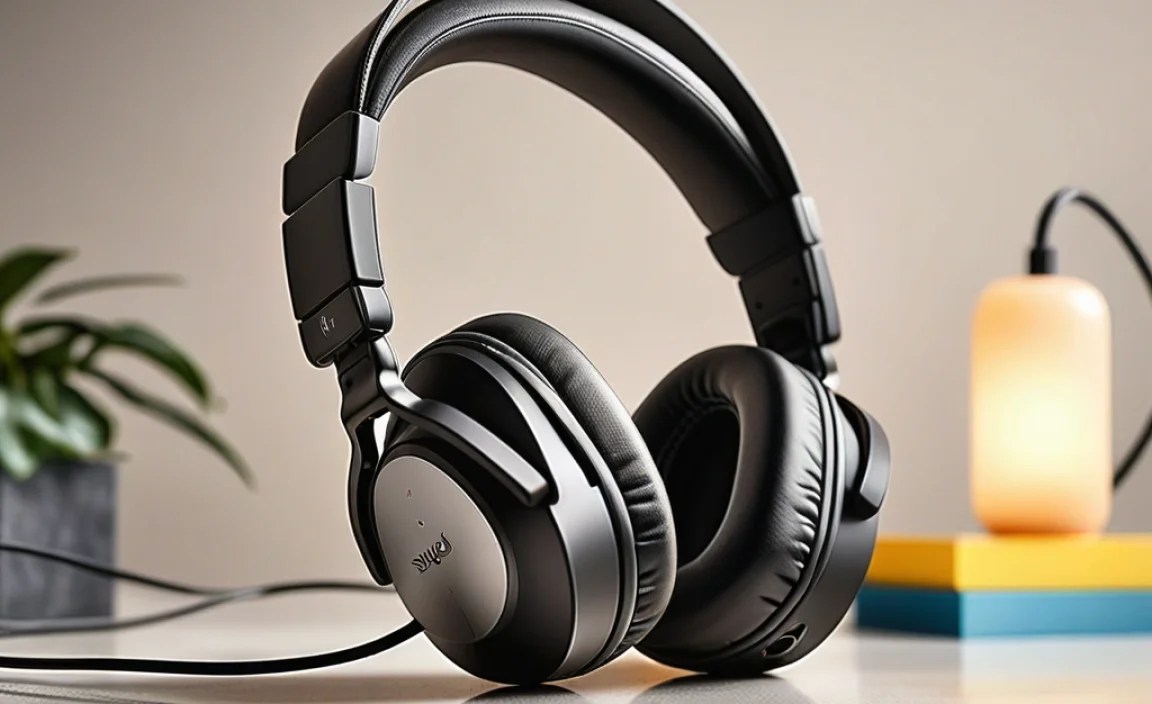
Let’s look at how specific features translate into practical benefits. Consider the following scenario: a trip to a busy shopping mall. An individual with autism might find the cacophony of sounds—chatter, music, beeping scanners—overwhelming. Here’s how different headphone features would help:
- ANC Headphones: These would actively reduce the constant hum of air conditioning and distant conversations, making the environment more manageable. The individual might still hear direct speech, allowing for necessary communication, but the overall sensory input would be significantly less.
- Well-padded, Over-Ear Headphones with Passive Isolation: These would physically block a good portion of the noise. The plush earcups would provide a comforting tactile sensation, and the secure, but not tight, fit would ensure they stay put without causing irritation.
- Headphones with Volume Limiting: If the individual wants to listen to calming music, these headphones would ensure the volume never reaches a distressingly high level, even if the physical buttons are accidentally bumped.
It’s important to note that some individuals might prefer complete silence, while others may want to hear some ambient sounds, albeit at a much lower intensity. This is where the choice between ANC (which can sometimes create a sense of “pressure”) and high-quality passive isolation comes into play.
Top Considerations for Different Environments
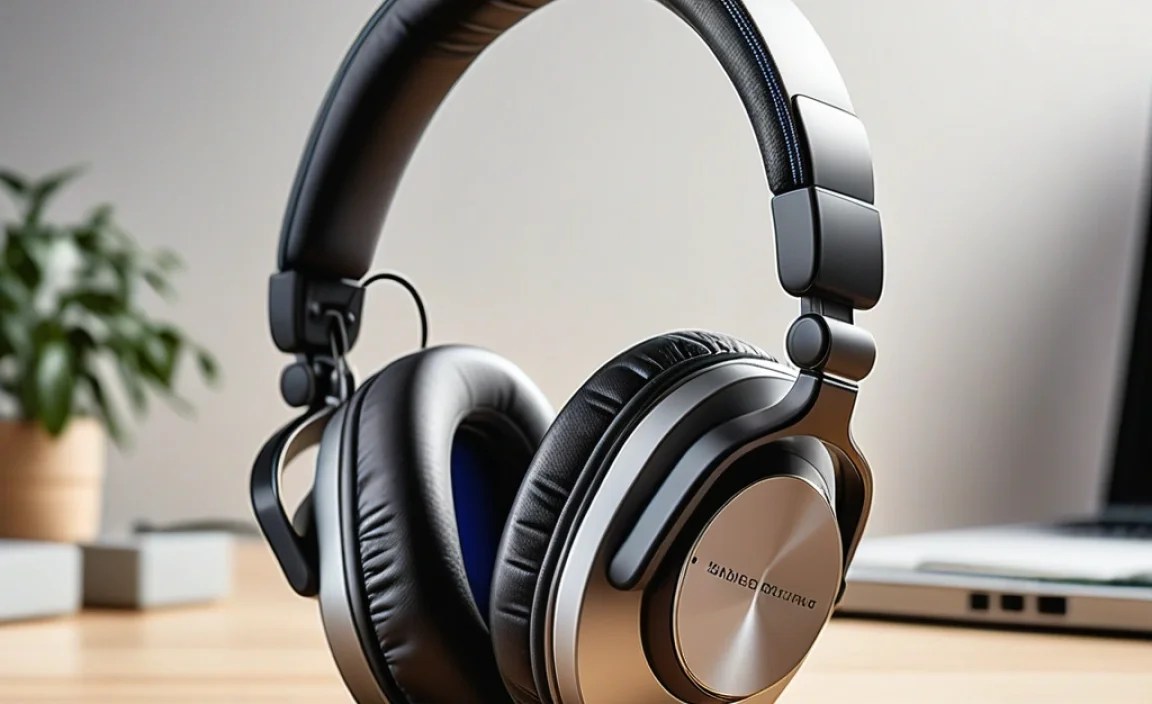
The “best” snug headphones for autism will often depend on the specific environment and the individual’s needs. Let’s break down some common scenarios:
1. For Home and Study
At home, the goal might be to create a quiet space for focus or relaxation. Over-ear headphones with good passive isolation or mild ANC are often ideal.
- Features to prioritize: Comfort for long periods, breathability, and a secure fit.
- Examples: Plush earcups, adjustable padded headbands.
- Consider: Wireless headphones can offer freedom of movement.
2. For Travel and Public Spaces
On planes, trains, buses, or even in busy public areas, noise becomes a major challenge. Active Noise Cancellation (ANC) is often a game-changer here. A sturdy build is also important for portability.
- Features to prioritize: Effective ANC, portability, durability.
- Consider: Foldable designs for easier storage.
- External Link: The Centers for Disease Control and Prevention (CDC) offers valuable insights into living with autism, which can inform choices about sensory accommodations.
3. For School and Therapy
In educational or therapeutic settings, headphones can help individuals focus during lessons or cope with background noise. They should be comfortable enough for daily wear and be non-disruptive.
- Features to prioritize: Comfort, noise reduction that allows for instruction if needed, unobtrusive design.
- Consider: Volume-limiting features for younger students.
- Read Reviews: Look for reviews that specifically mention use by children or in school settings.
Popular Brands and Models (General Guidance)
While specific recommendations can change quickly with new releases, certain brands are known for their commitment to comfort and noise-canceling technology. Always research the latest models and read detailed reviews.
| Brand Example | Potential Strengths for Autism Comfort | Things to Consider/Potential Drawbacks |
|---|---|---|
| Sony | Excellent ANC technology, often comfortable earpads, various price points. | Some models can be pricey; ANC pressure can be noticeable for some users. |
| Bose | Renowned for class-leading ANC, very comfortable earpads, lightweight designs. | Often at the higher end of the price range; ANC might create a slight “cabin pressure” effect for sensitive individuals. |
| Sennheiser | Known for balanced sound and comfortable designs, both wired and wireless options. | ANC might not be as aggressive as Sony or Bose on all models. |
| BeyerDynamic | Often praised for build quality and comfort, especially on open-back models (though these offer less isolation). | Closed-back models are better for isolation; can be pricier. |
| Kid-Friendly Brands (e.g., Puro Sound, LilGadgets) | Designed with safety (volume limits) and comfort for children in mind, often colorful and durable. | ANC might be less advanced than premium adult models; sound quality may be compromised for safety features. |
Remember to always check the specifications and read user reviews, particularly those from individuals who have sensory sensitivities. Websites like Wirecutter, RTINGS.com, and dedicated audio forums can provide in-depth comparisons.
Steps to Finding the Best Snug Headphones
Purchasing headphones can feel like a big decision, especially when comfort and specific sensory needs are involved. Here’s a step-by-step approach:
- Identify Specific Needs:
- What type of sounds are most overwhelming? (e.g., sudden loud noises, constant background hum, human voices)
- What is the primary environment of use? (e.g., home, school, public transport)
- Are there any tactile sensitivities? (e.g., to materials, pressure, heat)
- Is budget a major concern?
- Prioritize Key Features: Based on your needs, decide which features are non-negotiable (e.g., ANC, specific earcup material, volume limiting).
- Research Potential Models:
- Read professional reviews from reputable tech sites.
- Look for user reviews that mention comfort, noise cancellation effectiveness, and suitability for sensory needs.
- Check for information on earcup materials, headband padding, and clamping force.
- Consider Purchasing Options:
- Online Retailers with Good Return Policies: This is often the safest bet. You can try the headphones at home and return them if they don’t meet your needs.
- In-Store Testing: If possible, visit an electronics store and try on headphones. Pay attention to the fit, weight, and immediate comfort. Even if you don’t buy them there, it gives you valuable hands-on experience.
- Test for Comfort:
- Wear the headphones for at least 15-30 minutes.
- Adjust the headband and ensure there are no pressure points.
- Check if your ears get too hot.
- Gently move your head to ensure they stay securely in place without being too tight.
- Evaluate Noise Management:
- If possible, test them in a moderately noisy environment.
- If using ANC, pay attention to how it affects different types of sounds. Does it create an uncomfortable “pressure” or “vacuum” sensation?
- Make Your Decision: Based on your testing and research, choose the pair that best balances comfort, effectiveness, and your specific sensory requirements.
Headphone Maintenance for Longevity and Hygiene
Keeping your headphones clean and in good working order is essential for both comfort and hygiene, especially if they are frequently worn.
Cleaning Your Headphones
- Earpads: If they are removable, gently wash them with mild soap and water, or follow the manufacturer’s instructions. Ensure they are completely dry before reattaching. For non-removable earpads, use a slightly damp cloth with water, avoiding harsh chemicals.
- Headband: Wipe down with a dry or slightly damp microfiber cloth.
- Exterior: Use a dry or lightly damp cloth to wipe down the plastic or metal parts.
- Drivers/Grilles: Use a dry, soft brush (like a clean makeup brush or a specialized headphone brush) to gently remove dust and debris. Be very careful not to push anything into the speaker drivers.
- Cable: Wipe down cables with a dry cloth.
Important Note: Never submerge headphones in water or use abrasive cleaners. Always refer to the manufacturer’s guide for specific cleaning advice for your model.
Storage
- Use the carrying case provided with your headphones to protect them from dust, damage, and moisture when not in use.
- Avoid storing them in places with extreme temperatures.
Battery Care (for wireless headphones)
- Follow the manufacturer’s recommendations for charging.
- Avoid leaving them plugged in for excessively long periods after they are fully charged, although modern batteries have mitigations for this.
Frequently Asked Questions About Snug Headphones for Autism
What is the difference between noise-cancelling and noise-isolating headphones, and which is better for autism?
Noise-isolating headphones physically block sound through a snug fit, like earplugs. Noise-cancelling headphones use technology to actively reduce ambient sounds. For autism, both can be beneficial. Noise isolation is great for a consistent buffer, while active noise cancellation (ANC) excels at reducing distracting background hums. Some individuals find ANC creates an uncomfortable pressure, so it’s best to consider personal preference.
Can headphones help with sensory overload in autistic individuals?
Yes, absolutely. Headphones can act as a sensory tool by reducing overwhelming auditory input, creating a calmer and more predictable environment. This can decrease anxiety and help individuals to regulate their sensory experience, which is crucial for managing sensory overload.
What makes headphones “snug” for someone with autism?
“Snug” means a secure fit that stays in place without being too tight. This involves comfortable, non-irritating earcup materials, a well-padded and adjustable headband, and appropriate clamping force that doesn’t cause pressure points or discomfort during prolonged wear. The goal is a secure, comfortable feel that provides a good seal without being constrictive.
Are over-ear, on-ear, or in-ear headphones best for autistic individuals seeking comfort?
Generally, over-ear headphones are considered the most suitable for comfort and effective noise management for individuals with autism. They fully
