
Quick Summary: Discover top sound cancelling headphones for autism, designed to reduce sensory overload and enhance focus. This guide offers beginner-friendly insights on choosing effective models, understanding key features, and finding a comfortable fit. Make informed decisions to support daily life and well-being.
Proven Sound Cancelling Headphones For Autism: Your Essential Guide

Navigating a world filled with an abundance of sensory input can be challenging, especially for individuals on the autism spectrum. Unpredictable noises, sudden sounds, and constant environmental chatter can lead to overwhelm, anxiety, and difficulty concentrating.
Thankfully, technology offers a supportive solution: sound cancelling headphones. These aren’t just for music lovers; they can be a game-changer for managing sensory sensitivities. In this guide, we’ll explore how sound cancelling headphones work, what to look for when choosing a pair, and highlight some well-regarded options that can make a significant difference in daily life.
Understanding Sound Cancelling Technology
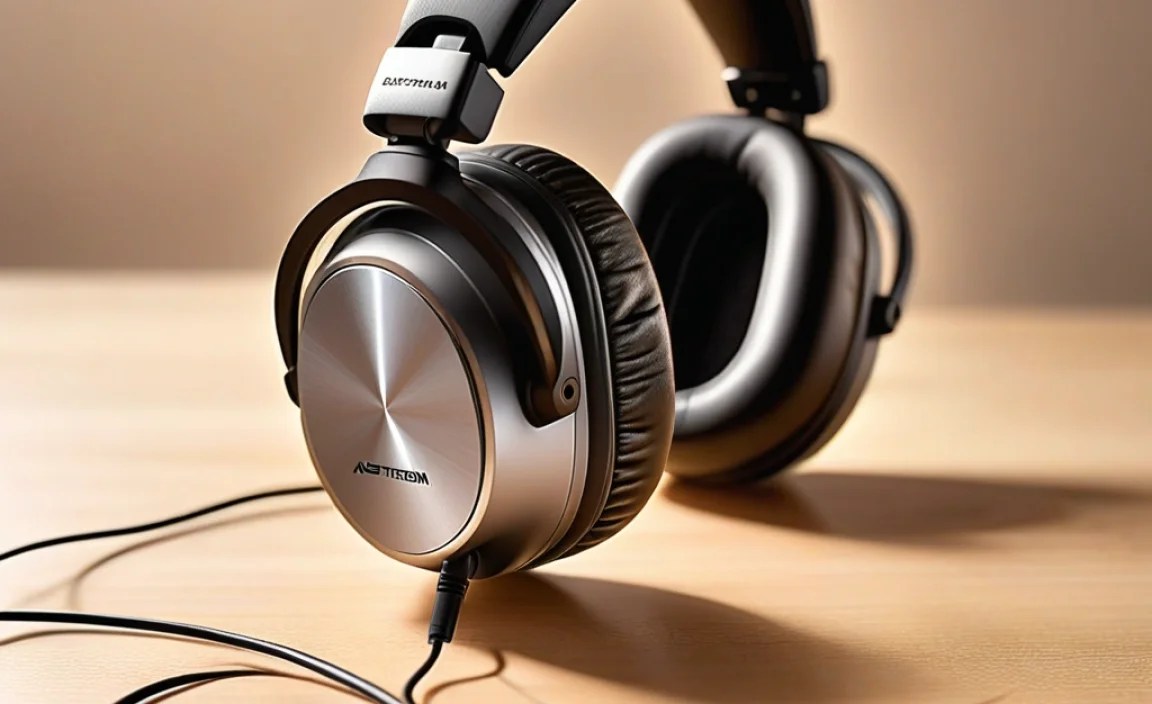
Before diving into specific recommendations, it’s helpful to understand what sound cancelling technology actually does. Essentially, it’s about creating a calmer auditory environment. There are two main types:
Passive Noise Isolation
This is the simpler form. It works by physically blocking out external sounds. Think of it like wearing a thick pair of earmuffs. The way the earcups seal around your ears and the density of the materials used in the headphones do the heavy lifting here. Good passive isolation means a quieter experience even before any electronic wizardry kicks in. This is crucial for consistent effectiveness.
Active Noise Cancellation (ANC)
This is where the “magic” happens. ANC headphones use tiny microphones on the outside to detect ambient sounds. Then, they generate an opposite sound wave – an “anti-noise.” When this anti-noise wave meets the incoming noise wave, they cancel each other out, significantly reducing the perceived sound. This is particularly effective for constant, low-frequency noises like engine hums, air conditioning units, or general background chatter. It creates a quieter space where focus and calm can flourish.
Why Sound Cancelling Headphones Can Help

For individuals with autism, auditory sensitivities can be a significant source of stress. Overstimulation from noise can lead to meltdowns, withdrawal, and a general feeling of being overwhelmed. Sound cancelling headphones can provide:
- Reduced Sensory Overload: By significantly diminishing unwanted background noise, these headphones create a more manageable auditory environment.
- Improved Focus and Concentration: A quieter space can make it easier to concentrate on tasks, conversations, or learning activities without constant distraction.
- Decreased Anxiety: The predictability and reduction of sudden or loud noises can have a calming effect, reducing anxiety in busy or unpredictable settings.
- Enhanced Comfort in Public Spaces: Places like supermarkets, public transport, or busy streets can become less daunting when sensory input is managed.
- Better Sleep and Relaxation: For some, particularly in noisy environments, these headphones can aid in relaxation and improve sleep quality by blocking out disruptive sounds.
It’s important to remember that sound cancelling headphones are not a cure, but rather a tool that can significantly enhance comfort and daily functioning for many. For more information on sensory processing and autism, resources like the Autism Speaks website offer valuable insights.
Choosing the Right Sound Cancelling Headphones: A Step-by-Step Guide

Selecting the perfect pair involves considering several factors. Here’s a breakdown to help you make an informed decision:
Step 1: Prioritize Noise Cancellation Effectiveness
This is paramount. Look for headphones that offer strong ANC capabilities for low-frequency, constant noises. While many headphones advertise ANC, not all are created equal. Reviews often highlight which models excel at silencing a wide range of ambient sounds.
Step 2: Consider Comfort and Fit
This is non-negotiable. Headphones are worn for extended periods, so comfort is key. Factors to consider include:
- Weight: Lighter headphones are generally more comfortable for long wear.
- Earcup Material: Soft, breathable materials like plush memory foam can prevent irritation.
- Clamping Force: The pressure the headphones exert on your head should be snug enough to create a good seal but not so tight that it causes discomfort.
- Adjustability: Headbands that can be adjusted ensure a proper fit for different head sizes.
For younger users, or those particularly sensitive to pressure, over-ear designs that fully encompass the ear are often preferred over on-ear models. Ensure the material is soft and doesn’t cause friction.
Step 3: Evaluate Sound Quality (For When You Want to Hear Something)
While the primary goal is noise cancellation, you might also want to listen to music, audiobooks, or use them for communication. While not the main focus for sensory management, good sound quality means a more pleasant experience when desired.
Step 4: Battery Life Matters
If you rely on ANC for extended periods, battery life is crucial. Look for headphones that offer at least 20-30 hours of playback with ANC enabled. Many also offer quick-charge capabilities, which can be a lifesaver.
Step 5: Durability and Build Quality
Headphones should be built to last. Consider the materials used and the overall construction. For younger users, or those who might be rougher with their gear, a robust build is essential.
Step 6: Ease of Use
Controls should be intuitive and easy to find without looking. Buttons should be distinct enough to be located by touch. Simplicity is often best when sensory processing is a concern.
Step 7: Portability and Storage
Do the headphones fold up? Do they come with a carrying case? If you plan to take them out and about, these features can be very important for protection and convenience.
Top Sound Cancelling Headphones for Autism: Our Recommendations

Based on effectiveness, comfort, and overall user feedback, here are a few categories and specific models known for their ability to help manage auditory sensitivities:
Category 1: Best All-Around ANC Performance
These headphones are renowned for their industry-leading noise cancellation, making them excellent for tackling a wide range of ambient sounds. They often offer a premium experience but come with a higher price tag.
Sony WH-1000XM5
Often cited as the king of ANC, the WH-1000XM5 excels at filtering out background noise. They are lightweight and feature plush earcups for extended comfort. The ANC is highly adaptive, meaning it adjusts to your environment. While they have many features, the core noise-cancelling performance is exceptional.
- Pros: Superb ANC, very comfortable, excellent sound quality, long battery life.
- Cons: Premium price, some users might find the touch controls a bit sensitive initially.
Bose QuietComfort Ultra Headphones
Bose has long been a leader in noise cancellation, and the QuietComfort Ultra continues this legacy. They offer a wonderfully serene listening experience with a comfortable, secure fit ideal for long sessions. The balanced sound profile makes them versatile for various listening needs.
- Pros: World-class noise cancellation, very comfortable for long periods, premium build.
- Cons: High price point, battery life is good but not class-leading anymore.
Category 2: Excellent Value and Performance
These headphones offer strong ANC and comfort without the absolute top-tier price of some premium models. They provide a great balance for everyday use.
Sennheiser ACCENTUM Wireless
Sennheiser is known for its audio quality, and the ACCENTUM Wireless brings robust ANC and impressive battery life to the table at a more accessible price point. They offer great comfort with soft earcups and a well-designed headband.
- Pros: Strong ANC, excellent battery life (up to 50 hours!), comfortable, great Sennheiser sound.
- Cons: ANC isn’t quite as absolute as the very best, build feels a little less premium than top-tier.
Anker Soundcore Space Q45
The Soundcore brand from Anker has been making waves with its feature-rich headphones at affordable prices. The Space Q45 offers adaptive ANC, good comfort, and a very respectable battery life, making it a strong contender for those seeking effective ANC without breaking the bank.
- Pros: Very affordable, good ANC performance for the price, long battery life, comfortable.
- Cons: ANC is not as effective as premium brands, sound quality is good but not audiophile-grade.
Category 3: Designed for Comfort and Simplicity (Often for Younger Users)
For individuals highly sensitive to any pressure or complexity, some brands focus on lightweight, simple designs with effective passive isolation and decent ANC.
B Kids & Teens — Puro Sound Labs BT2200 or similar
Brands like Puro Sound Labs specialize in headphones for children and teens, often featuring volume-limiting technology for hearing protection and a focus on comfort. While some have active noise cancellation, their primary strength is creating a calmer listening experience through good design and passive isolation. Look for models specifically designed for younger users, which often prioritize lighter weight and softer materials.
- Pros: Designed for comfort and safety (volume limiting), often lightweight, good passive noise isolation.
- Cons: ANC might be less powerful than adult-focused models, sound quality may be geared towards clarity over richness.
Important Note: Always check return policies when purchasing, especially if you’re buying for someone else or are unsure about the fit and comfort. What works wonderfully for one person might not be ideal for another.
Key Features to Look For
When comparing different models, consider these specific features:
Comfort Features:
- Plush, Breathable Earcups: Memory foam or protein leather that doesn’t make ears too hot.
- Adjustable Headband: For a custom, secure fit.
- Lightweight Design: Reduces pressure on the head.
- Swiveling Earcups: Allows the headphones to lay flat for easier storage and can improve fit.
Noise Cancellation Features:
- Multiple ANC Modes: Some headphones offer different levels of noise cancellation or ambient sound modes (transparency modes) so you can let certain sounds in when needed.
- Adaptive ANC: Automatically adjusts the level of noise cancellation based on your environment.
- Wind Noise Reduction: Useful for outdoor use.
Convenience Features:
- Long Battery Life: Aim for 20+ hours with ANC on.
- Quick Charging: A few minutes of charging can provide hours of playback.
- Wired Option: A 3.5mm jack allows use even when the battery is dead, or for devices without Bluetooth.
- Multipoint Connectivity: Connect to two devices simultaneously (e.g., phone and laptop).
- Intuitive Controls: Easy-to-use buttons or touch controls.
A Comparison Table: Key Specs
To help visualize the differences, here’s a simplified comparison of some models mentioned:
| Headphone Model | Estimated Price Range | ANC Effectiveness (Subjective Scale: Low-High) |
Comfort Rating (Subjective Scale: Fair-Excellent) |
Battery Life (ANC On) | Primary Benefit |
|---|---|---|---|---|---|
| Sony WH-1000XM5 | $$$ | High | Excellent | ~30 hours | Industry-leading ANC |
| Bose QuietComfort Ultra | $$$ | High | Excellent | ~24 hours | Premium comfort & ANC |
| Sennheiser ACCENTUM Wireless | $$ | Medium-High | Good | ~50 hours | Great value & battery life |
| Anker Soundcore Space Q45 | $ | Medium | Good | ~50 hours | Best budget ANC |
| Puro Sound Labs (example for kids) | $$ | Low-Medium (with passive focus) | Excellent (for young users) | ~20-30 hours | Kid-focused comfort & safety |
Note: Price ranges are relative ($=budget, $$=mid-range, $$$=premium). Battery life can vary based on usage and volume.
Best Practices for Using Sound Cancelling Headphones for Autism
Once you’ve found the right headphones, here are some tips for maximizing their benefit:
- Start Gradually: If you’re new to ANC headphones, start by wearing them for short periods in quiet environments to get accustomed to the sensation.
- Experiment with ANC Levels: If your headphones offer different ANC modes, experiment to find what works best. Sometimes full ANC isn’t necessary and can create its own subtle pressure.
- Use Them Proactively: Don’t wait until you feel overwhelmed. If you know you’re going into a potentially stimulating environment, put your headphones on beforehand.
- Consider “Awareness” Modes: Some headphones have a transparency or ambient sound mode. This allows you to hear important sounds, like announcements or conversations, without removing the headphones entirely. Use this feature cautiously and when appropriate.
- Maintain Them: Keep the earcups clean, store them properly, and follow manufacturer instructions for battery care to ensure longevity.
- They Are a Tool, Not a Crutch: While incredibly helpful, remember that they are one part of a larger sensory regulation strategy. Continue to practice other coping mechanisms and seek professional advice when needed.
Navigating Different Environments with Your Headphones
Sound cancelling headphones can be beneficial in a variety of situations:
- In Public Transport: The drone of engines and general chatter can be significantly reduced, making commutes much more peaceful.
- At School or Work: Minimizing classroom or office distractions can significantly improve focus on learning or tasks.
- Shopping Centers and Supermarkets: These are often very noisy environments. Headphones can make shopping trips far more manageable and less stressful.
- At Home: If you live with others or in a noisy neighborhood, headphones can create a personal sanctuary.
- During Travel: Airplane cabins, train journeys, and even car rides can become much more comfortable.
Frequently Asked Questions (FAQ)
Q1: Are sound cancelling headphones safe for everyday use for individuals with autism?
Generally, yes. The technology is safe and designed to reduce auditory input. However, it’s crucial to ensure the headphones are comfortable, not too tight, and that sound levels are managed appropriately if listening to audio. For children, volume-limiting features are highly recommended. Monitoring for any discomfort is always a good practice.
Q2: Can sound cancelling headphones completely block out all noise?
No, they cannot entirely block out all noise. Active Noise Cancellation (ANC) is most effective against constant, low-frequency sounds like engine hums. Sudden, sharp, or high-frequency noises (like a door slamming or a baby crying) may still be audible, though likely dampened. Passive noise isolation (the physical seal of the earcups) also plays a significant role.
Q3: What’s the difference between noise cancelling and noise isolating headphones?
Noise isolating headphones use a physical barrier to block sound. This is achieved through snug-fitting earcups and dense materials. Noise cancelling headphones use electronic technology (ANC) to actively neutralize sounds, in addition to providing passive isolation. ANC is generally more effective at reducing a wider range of ambient noise, especially consistent sounds.
Q4: Do I need to play audio through the headphones for the noise cancelling to work?
No. Active Noise Cancellation works independently of whether you are playing audio. In fact, many people use noise-cancelling headphones in silence just to create a quieter environment. You can turn ANC on and not play any music or sound.
Q5: How do I choose the right size and fit?
Over-ear headphones that completely enclose the ear are often the most comfortable for extended wear and provide the best passive noise isolation. Look for adjustable headbands and soft, plush earcup materials. If possible, try them on or check reviews specifically mentioning comfort for long sessions. Weight is also a factor; lighter headphones can reduce neck strain.
Q6: What if the noise cancelling makes me feel strange or disoriented?
This can happen to some individuals. The sensation of ANC can be described as a slight “pressure” or a feeling of isolation. If this occurs, try using the headphones for shorter periods, experiment with lower ANC settings if available, or
