
Quick Summary: Prioritize restful nights with noise-cancelling headphones designed for sleep. Discover how they block distractions, the best styles for comfort, key features to consider, and simple tips to enhance your sleep quality. Achieve peaceful slumber and wake up refreshed.
Sound Cancelling Headphones for Sleep: Essential Bliss

Struggling to find quiet in a noisy world, especially when you’re trying to drift off? Whether it’s a partner’s snoring, traffic outside, or simply a mind that won’t switch off, disruptive sounds can steal precious sleep. Imagine sinking into a haven of tranquility, where the world’s clamor fades away, leaving you with nothing but calm. That’s the promise of sound-cancelling headphones for sleep. They’re not just about enjoying your music; they’re about reclaiming your night, promoting deeper rest, and waking up feeling truly revitalized. This guide will help you navigate the world of these sleep-enhancing gadgets, ensuring you find the perfect pair to unlock your essential bliss.
Why Sound Cancelling Headphones are a Sleep Game-Changer

Our bedrooms should be sanctuaries, but for many, they feel more like battlegrounds against noise. Common sleep disruptors include:
- Partner’s snoring or restless sleep
- Street noise (traffic, sirens, neighbors)
- Household sounds (appliances, creaking floors)
- Tinnitus or ringing in the ears
- Anxiety and racing thoughts that amplify background noise
This is where active noise cancellation (ANC) technology shines. Unlike passive noise isolation (which relies on a good seal), ANC uses microphones to detect ambient sound and then generates an opposite sound wave to cancel it out. This creates a remarkably quiet environment, allowing your brain to relax and prepare for sleep. For sleep, the goal isn’t just to block sound but to do so comfortably and without further irritation. Let’s explore how they work their magic.
According to the National Sleep Foundation, consistent, high-quality sleep is crucial for overall health, impacting everything from cognitive function to immune response. Disruptions can lead to fatigue, irritability, and even long-term health issues. Sound cancelling headphones can be a powerful tool in combating these disruptions, offering a personalized quiet zone.
Choosing Your Sleep Sanctuary: Types of Sound Cancelling Headphones

When it comes to selecting sound cancelling headphones for sleep, comfort is king. You’ll be wearing them for extended periods, so bulky or uncomfortable designs are a no-go. Here are the main contenders:
1. Sleepbuds or Earbuds Designed for Sleep
These are often the top choice for many. Designed specifically for sleeping, they are:
- Extremely Small and Lightweight: They sit flush with your ear, minimizing pressure and discomfort when lying on your side.
- Soft and Flexible Materials: Made from silicone or soft plastics to mold comfortably to your ear canal.
- Focus on White Noise/Soothing Sounds: Many offer pre-loaded ambient sounds (like rain, ocean waves, or white noise) that effectively mask sudden noises and promote relaxation, rather than just pure ANC.
- Limited Audio Features: They typically don’t have complex audio controls or high-fidelity music playback, as their primary function is noise masking and sleep induction.
Pros: Unmatched comfort for side-sleepers, very discreet, effective at masking persistent noises with soothing sounds.
Cons: Less versatile for music listening, ANC performance might differ from over-ear models, can be pricey.
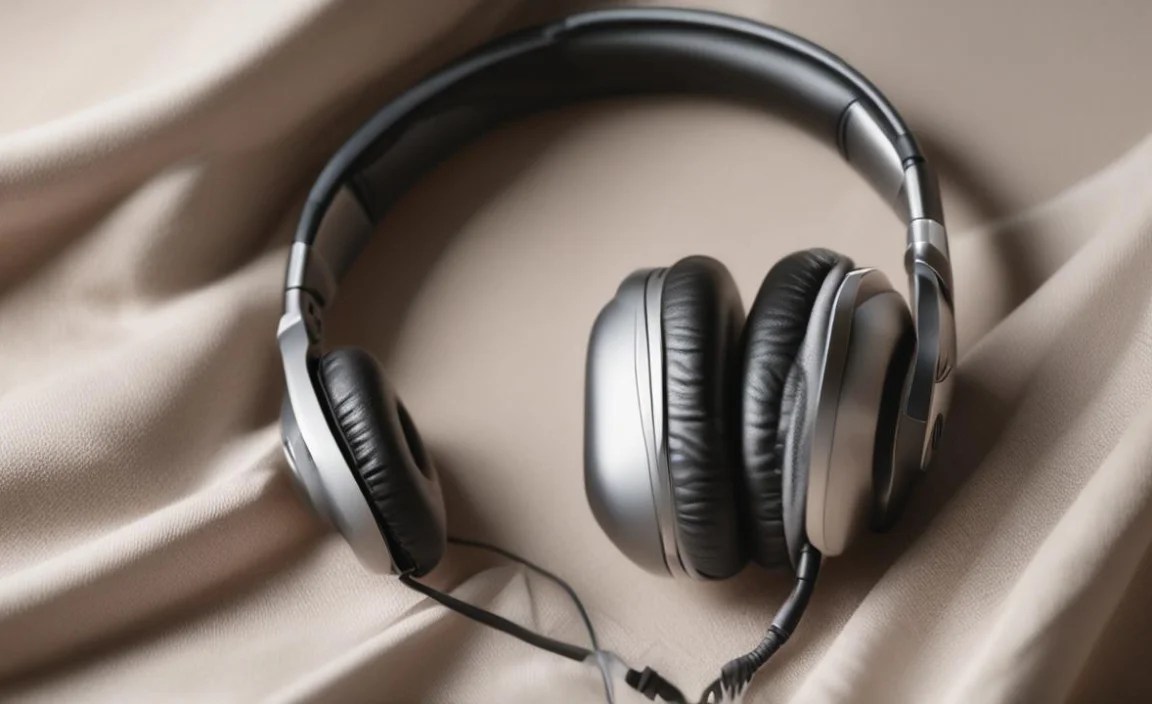
2. Soft Over-Ear Headphones
While traditional over-ear headphones are often too bulky for sleep, some manufacturers have created softer, more pliable versions. These might be ideal if you can’t tolerate anything inside your ear canal.
- Padded Headbands: Designed to be less constrictive.
- Ultra-Soft Earcups: Made from plush, breathable materials to prevent overheating and pressure.
- Lighter Construction: Efforts are made to reduce overall weight.
- Potentially Stronger ANC: Over-ear designs can sometimes offer more robust active noise cancellation.
Pros: Can offer superior ANC, good for those who dislike in-ear devices, might offer better battery life.
Cons: Can still be too bulky for side-sleepers, potential for ear discomfort or overheating, may feel “heavy” when lying down.
3. Soft On-Ear Headphones
These sit directly on your ears rather than enclosing them. They are generally smaller than over-ear headphones but can still cause discomfort for side-sleepers due to the pressure applied directly to the ear.
- Compact Design: More portable than over-ear models.
- Reduced Bulk: Less likely to be as cumbersome as over-ear options.
- Comfort Varies Greatly: Ear pressure can be a significant issue for sleeping.
Pros: Lighter than over-ear, can offer decent noise isolation with ANC.
Cons: Still prone to ear pressure issues for side-sleepers, generally not the preferred option for sleep.
Brands Focusing on Sleep-Friendly Audio

While many brands offer ANC headphones, a few have specifically designed or adapted products for sleep:
| Brand | Notable Sleep-Friendly Models/Features | Primary Focus |
|---|---|---|
| Bose | Bose Sleepbuds™ II (discontinued, but worth mentioning if found) | Comfort and sound masking for sleep |
| QuietOn | QuietOn 3 Series | Advanced ANC in a tiny, comfortable earbud |
| Kokoon | Kokoon Nightbuds | Comfort, sleep tracking, and gentle ANC |
| SoundOff Sleep | Various soft earbud models | Focus on comfort and noise reduction tailored for side-sleepers |
| Other ANC Headphone Brands (Sony, Sennheiser, Apple) | Smaller, lighter ANC earbuds (e.g., Sony WF-1000XM series, AirPods Pro) | General ANC and audio quality, might be usable as sleep aids if comfortable |
It’s important to note that some of these sleep-specific earbuds might not function as regular headphones for music playback but are designed solely to mask noise with soothing sounds. Always check the product specifications carefully.
Key Features to Look For in Sleep Headphones

When you’re shopping for sound cancelling headphones to help you sleep, prioritize these features:
1. Comfort and Fit
This is paramount. Look for:
- Ergonomic Design: Especially crucial for sleep. They should fit snugly but gently, without creating pressure points.
- Soft Materials: Silicone, memory foam, or plush fabric earcups are ideal.
- Lightweight Construction: The less you feel them, the better.
- Secure Fit: They shouldn’t fall out while you toss and turn.
2. Noise Cancellation Technology
ANC is key, but consider how it’s implemented:
- Passive Isolation: A good seal from the earbud or earcup is essential.
- Active Noise Cancellation (ANC): Look for models that specifically target low-frequency, consistent noises like HVAC systems or distant traffic. Some sleep earbuds use “masking tones” which can be more effective than pure ANC for sleep.
- Adjustable ANC Levels: The ability to tweak the cancellation strength can be beneficial.
3. Sound Masking and Ambient Sounds
Many sleep-focused devices don’t just cancel noise; they replace it with calming sounds:
- Variety of Sounds: Options like white noise, pink noise, brown noise, nature sounds, or ambient music can be very effective.
- Soothing Tones: Gentle, repetitive, and non-jarring sounds are best.
- Adjustable Volume: Control over the masking sound’s loudness is a must.
4. Battery Life and Charging
You don’t want your headphones dying mid-night.
- Long Playback Time: Aim for at least 8-10 hours of continuous use.
- Fast Charging: A quick charge can be a lifesaver if you forget to charge them.
- Charging Case: Many earbuds come with a case that provides multiple recharges, extending overall usage time.
5. Durability and Build Quality
Even if they’re comfortable, they need to last.
- Quality Materials: Ensure they feel robust and not flimsy.
- Water/Sweat Resistance: If you tend to sweat at night, this can be a useful feature.
6. Ease of Use
You want to be able to turn them on and off without fumbling in the dark.
- Simple Controls: Easy-to-access buttons or touch controls for basic functions.
- Companion App: Sometimes apps offer more control and features, but ensure they are intuitive.
Setting Up Your Sound Cancelling Headphones for Sleep: A Step-by-Step Guide

Getting the most out of your new sleep companions is simple if you follow a few key steps. Let’s get you set up for a night of undisturbed rest.
Step 1: Unboxing and Initial Charge
When your headphones arrive, the first thing you should do is give them a full charge. This ensures they’ll last through your first night and helps condition the battery.
- Carefully unbox all components: headphones, charging case, charging cable, and any alternative ear tips.
- Connect the charging case to a power source using the provided cable. If your headphones charge directly or have a separate cable, connect those as well.
- Allow them to charge until the indicator lights show a full charge (this might take 1-3 hours depending on the model).
Step 2: Finding the Perfect Fit
This is perhaps the most critical step for sleep comfort. Most sleep earbuds come with multiple sizes of ear tips.
- Try Different Sizes: Experiment with small, medium, and large ear tips to find the ones that create a snug yet comfortable seal in your ear canal without causing soreness.
- Test for a Seal: Gently insert each earbud. You should feel a slight pressure and notice a reduction in ambient noise even before turning any ANC on. If you can easily hear noisy surroundings, the seal isn’t good enough.
- Comfort Check: Wear them around for a few minutes. Lie down on your side if possible to simulate sleeping. Any pinching or discomfort means you need to try a different tip or a different insertion angle.
Step 3: Pairing with Your Device (If Applicable)
If your headphones have companion app features or the ability to play audio, you’ll need to pair them.
- Ensure Bluetooth is enabled on your smartphone or tablet.
- Put your headphones into pairing mode (usually by opening the charging case with the earbuds inside, or holding a button). Consult your headphone’s manual for specific instructions.
- Select your headphones from the list of available Bluetooth devices on your phone.
- Once paired, you can optionally download and set up any companion app.
Step 4: Selecting Your Sleep Sound Profile
This is where the “magic” of sleep enhancement happens.
- For Sleepbuds/Masking Devices: Explore the pre-loaded sound options. Try different sounds like white noise, fan sounds, or nature sounds to see which one best masks the noises that disturb you and helps you relax. Most apps allow you to set timers for these sounds to fade out gradually or play all night.
- For ANC Headphones: If your headphones offer ANC without specific sleep sounds, focus on finding the right ANC level. Some people prefer complete silence, while others find a low hum or white noise generated by the headphones themselves more comforting.
- Volume Control: Crucially, ensure the sound (whether it’s masking or music) is at a comfortable, low volume. You want it to be present enough to mask distractions but not so loud that it keeps you awake.
Step 5: Testing Your Sleep Setup
Before relying on them every night, test them out for a few nights.
- Trial Run: Use them as you normally would before sleep. Listen to your chosen sound or enjoy ANC for about 30 minutes to an hour.
- Assess Comfort: Pay attention to any discomfort that arises during the night. If you wake up with ear pain, adjust the ear tips or try a different pair.
- Evaluate Effectiveness: Note if you slept better, if fewer noises woke you up, or if you fell asleep faster.
Step 6: Establishing a Bedtime Routine
Sound cancelling headphones are a tool, not a magic bullet. They work best when integrated into a healthy sleep routine.
- Consistency is Key: Try to go to bed and wake up around the same time each day, even on weekends.
- Wind-Down Time: Dedicate the hour before bed to relaxing activities – reading, gentle stretching, or listening to calming music (through your headphones, if you like).
- Limit Blue Light: Dim lights and avoid screens (phones, tablets, TVs) in the hour leading up to sleep.
- Create a Dark, Cool Room: Optimal sleep conditions enhance the effectiveness of your noise-cancelling headphones.
Troubleshooting Common Issues
Even the best tech can sometimes present minor challenges. Here’s how to tackle them:
| Issue | Possible Cause | Solution |
|---|---|---|
| Discomfort or Ear Pain | Incorrect ear tip size or material. | Try a different size or type of ear tip. Ensure they are inserted gently, not forced. Some people find earphone wings or hooks help stabilize them. |
| Headphones Falling Out | Poor seal or wrong fit. | Ensure ear tips are the correct size and inserted correctly. Try eartips with a stabilizing “wing” if available. |
| ANC Not Effective | Poor seal, low battery, or noise is too sudden/loud. | Re-seat the ear tips for a better seal. Fully charge the headphones. For very disruptive noises (like a dog barking right next to you), ANC might be less effective than passive isolation. |
| Sound Masking Too Loud or Annoying | Volume set too high, or a sound profile you dislike. | Lower the volume. Experiment with different sound profiles (white noise, pink noise, nature sounds). Some apps let you create custom sound mixes. |
| Connection Issues (Bluetooth) | Headphones not in pairing mode, interference, or device issue. | Turn Bluetooth off and on again on your device. Forget the headphones in your device’s Bluetooth settings and re-pair them. Make sure headphones are fully charged. |
| Short Battery Life | Old battery, high ANC/volume settings, or continuous ANC without sound. | Ensure headphones are fully charged. Reduce ANC intensity if possible. For masking sounds, lower the volume. If the battery degrades significantly, it might be time for replacement. |
When to Consider Professional Help
While sound cancelling headphones can be a fantastic aid, it’s important to recognize when persistent sleep issues might require medical attention. If you experience chronic insomnia, severe sleep apnea symptoms (like loud snoring with pauses in breathing, excessive daytime sleepiness), or significant anxiety that impacts your sleep, please consult a healthcare professional. They can diagnose underlying conditions and recommend appropriate treatments that go beyond noise masking.
The NHS Inform and the National Sleep Foundation offer excellent resources on sleep hygiene and the importance of addressing sleep disorders.
The Impact of Noise on Sleep Quality
Noise pollution is a recognized public health concern. Even if you don’t fully wake up, sudden or persistent noises can disrupt your sleep architecture, pushing you out of deeper, more restorative sleep stages and into lighter ones. This can leave you feeling unrested, regardless of how many hours you spent in bed.
