
Quick Summary: Discover the best sound-dampening headphones designed to provide a calmer sensory experience for individuals with autism. This guide helps you choose comfortable, effective options that minimize distracting noise, promote focus, and offer a sense of peace in overwhelming environments, making everyday outings more manageable and enjoyable.
Proven Sound Proof Headphones for Autism: Finding Your Quiet Zone
Navigating a world full of sounds can be challenging for many, especially for individuals on the autism spectrum. Overstimulation from noise can lead to stress, anxiety, and difficulty concentrating. Fortunately, there’s a growing understanding of how specialized headphones can make a significant difference. These aren’t just any headphones; they’re designed to actively reduce external noise, creating a much-needed sanctuary of calm. In this guide, we’ll explore what makes certain headphones effective for autism, what to look for when choosing them, and provide recommendations to help you find the perfect pair for a more peaceful, engaging life.
Understanding Noise Sensitivity and Autism
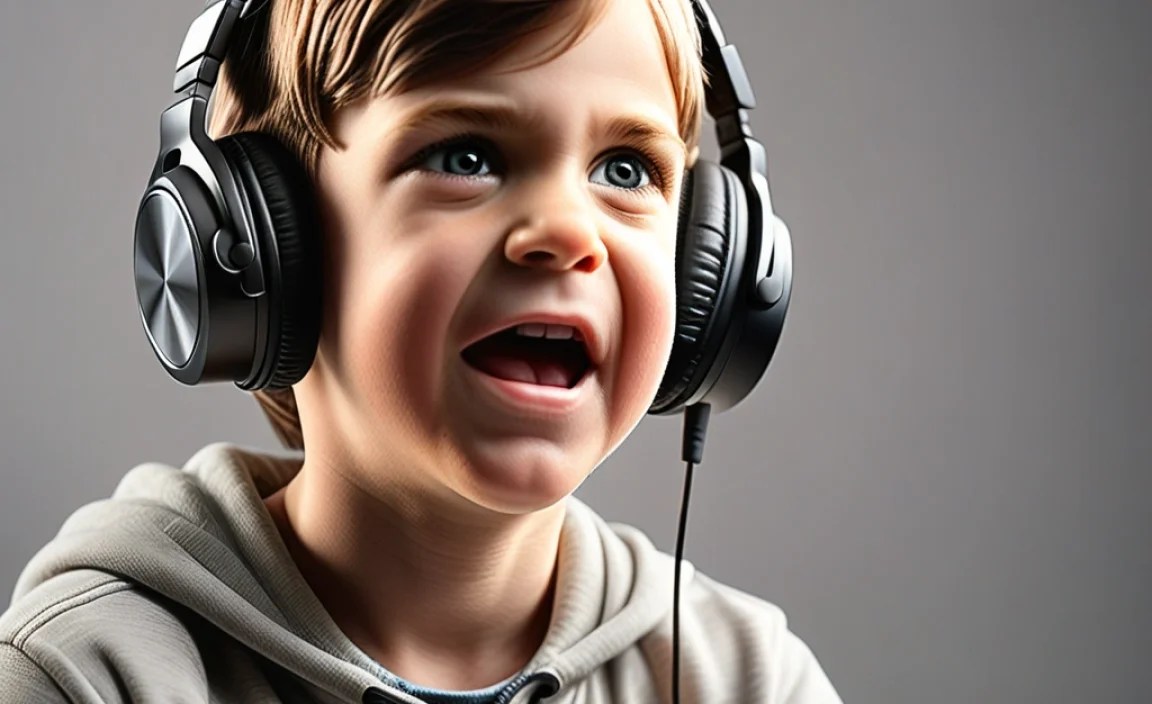
Sensory processing differences are common in individuals with autism. This can mean that everyday sounds, which many neurotypical people might tune out, can be perceived as intensely loud, jarring, or overwhelming. This hypersensitivity to sound, also known as hyperacusis, can impact a person’s ability to function in various environments, from busy stores and classrooms to family gatherings. The goal of “sound-proofing” or, more accurately, sound-dampening headphones is to create a controlled auditory environment.
These headphones work by reducing the intensity of ambient noise without completely blocking out all sound. This allows the wearer to still be aware of their surroundings if necessary, but with a significantly reduced level of sensory input. This can lead to:
- Reduced anxiety and meltdowns
- Improved focus and attention
- Greater comfort in noisy public spaces
- Enhanced ability to engage in activities
- A sense of personal space and control
It’s important to note that “sound proof” is often a colloquial term. True soundproofing, like that found in recording studios, is rare and impractical for personal headphones. Instead, we’re looking for headphones that offer excellent noise reduction and attenuation. Organizations like the Autism Science Foundation offer valuable resources on understanding sensory sensitivities and navigating the challenges associated with autism.
What Makes Headphones “Sound Proof” for Autism? Key Features to Look For

When searching for effective noise-reducing headphones for autism, there are several key features that stand out. These are the elements that contribute to their ability to create a calmer auditory experience.
1. Noise Reduction Rating (NRR)
This is a crucial metric. The NRR, often found on earmuff-style hearing protection, indicates how much sound the product can reduce when worn correctly. A higher NRR means more noise reduction. For general use in moderately noisy environments, an NRR of 18-25 dB can be effective. For much louder environments, an NRR of 26-33 dB might be necessary. It’s important to remember that the NRR is a laboratory measurement and the actual reduction in real-world conditions might be slightly less.
2. Passive Noise Isolation vs. Active Noise Cancellation (ANC)
Understanding the difference is key:
- Passive Noise Isolation: This relies on the physical design of the headphones – the materials used, the seal around the ears, and the density of the earcups. Over-ear headphones typically offer better passive isolation than on-ear or in-ear models because they create a complete seal around the ear.
- Active Noise Cancellation (ANC): This technology uses microphones to detect external sounds and then generates an opposing sound wave to cancel them out. ANC is particularly effective at reducing low-frequency, consistent noises like engine hums or air conditioning. However, it can sometimes introduce a slight pressure sensation and may not be as effective on sudden, sharp noises.
For autism, a combination of excellent passive isolation and effective ANC can be ideal, especially in situations with a mix of noise types. However, for those sensitive to pressure or who need to hear certain sounds, strong passive isolation alone might be preferable.
3. Comfort and Fit
This is arguably as important as the noise reduction capabilities. If headphones are uncomfortable, the wearer might not be able to use them for extended periods, defeating the purpose. Look for:
- Soft, Padded Earcups: Plush, breathable materials like memory foam or soft leather can prevent soreness and irritation.
- Adjustable Headband: A well-padded and easily adjustable headband ensures a secure yet comfortable fit for various head sizes.
- Lightweight Design: Heavy headphones can cause discomfort over time.
- Non-Restrictive Clamping Force: The headphones should feel secure without being overly tight.
4. Durability and Portability
For frequent use, especially by children or teenagers, durability is paramount. The headphones should be able to withstand regular wear and tear. Consider if portability is important – do they fold up easily? Do they come with a carrying case?
5. Sound Quality (for intended use)
While the primary goal is noise reduction, if the headphones will also be used for listening to music or other audio, sound quality matters. However, for pure noise reduction, this might be a secondary concern. Some headphones designed for noise reduction might not have the most audiophile-grade sound, but that’s entirely acceptable if they fulfill their main purpose of creating a calm environment.
Top Picks: Proven Sound ProofING Headphones Popular for Autism Support

Based on user feedback, expert reviews, and features that align with reducing sensory overload, here are some categories and specific examples of headphones that are frequently recommended and proven effective for individuals with autism.
Over-Ear Hearing Protection (Industrial & Recreational)
These are often the most effective for passive noise reduction due to their robust design and strong seals. While designed for loud environments like construction sites or shooting ranges, their high Noise Reduction Ratings (NRR) make them excellent for mitigating overwhelming sounds in everyday life.
Examples:
- 3M Peltor X-Series Earmuffs: Known for their high NRR (up to 30 dB) and comfortable design. They offer excellent protection against a broad range of frequencies.
- Howard Leight Impact Sport/Shooting Earmuffs: While designed to amplify quiet sounds and block loud impulses, some models offer significant passive noise reduction and can be a good option for controlled environments.
- Decibullz Earmuffs: These are notable for their ability to be custom-molded to the wearer’s ears for a superior seal and comfort.
Pros:
- Highest NRR ratings available, offering maximum sound reduction.
- Durable and built for harsh conditions.
- Generally more affordable than high-end ANC headphones.
Cons:
- Can be bulky and may appear less discreet.
- Sound quality for listening to music might be basic.
- May completely block out all sounds, which can be isolating if situational awareness is desired.
Active Noise Cancelling (ANC) Headphones
ANC headphones are popular for their ability to reduce background hums and constant noises, making them great for travel or busy public spaces. They often offer a more “lifestyle” aesthetic and can be used for listening to podcasts, music, or simply for quiet. For individuals with specific sensitivities to low-frequency sounds, ANC can be a game-changer.
Examples:
- Sony WH-1000XM Series (e.g., XM4, XM5): Widely regarded as industry leaders in ANC technology. They offer exceptional noise cancellation, comfortable earcups, and great sound quality.
- Bose QuietComfort Series (e.g., QC45, QuietComfort Ultra): Another top contender for ANC, known for its superb comfort and effective noise blocking.
- Sennheiser Momentum Series: Combines excellent ANC with premium sound and build quality.
Pros:
- Excellent at reducing constant, low-frequency sounds (e.g., traffic, airplane engines).
- Often more comfortable and stylish for everyday wear.
- Tends to have better sound quality if music or audio is a secondary use.
- Some models offer adjustable ANC levels or ambient sound modes.
Cons:
- Can be more expensive.
- May not block out sudden, sharp noises as effectively as high NRR earmuffs.
- Some individuals experience a sensation of pressure from ANC.
- Requires battery power to function (though they usually offer a passive listening mode when off).
Children’s Noise-Cancelling Headphones
For younger individuals, comfort, size, and appearance are crucial. Many brands offer scaled-down versions of adult headphones or specifically designed children’s models that provide good noise reduction while being lightweight and easy to wear.
Examples:
- Kidz Gear Volume Limit Headphones: These focus on safe listening levels and comfort, though their noise reduction might be more basic passive isolation.
- Marpac Yoshino Noise-Cancelling Headphones: Often recommended for their good balance of noise reduction, comfort, and child-friendly design.
- Loop Earplugs (Earplugs as an alternative): While not headphones, Loop earplugs are designed to reduce noise while allowing sound to pass through more naturally, which some younger individuals prefer. They come in various styles and noise reduction levels.
Pros:
- Designed for smaller heads and sensitive ears.
- Often come in bright, appealing colors or designs.
- Lightweight and typically have lower clamping force.
- Some models have built-in volume limiters for hearing protection.
Cons:
- Noise reduction might be less powerful than adult-grade products.
- May not be as durable as industrial-grade earmuffs.
- Outgrown potentially faster.
How to Choose the Right Headphones: A Step-by-Step Approach

Selecting the ideal sound-reducing headphones involves a thoughtful process of considering individual needs, the environments they’ll be used in, and personal preferences. Here’s a step-by-step guide to help you make an informed decision:
Step 1: Identify the Primary Need and Environment
Sit down and think about when and where the headphones will be used most. Is it for:
- School/Classroom: To improve focus during lessons or reduce distractions from classmates.
- Public Outings (Shopping, Errands): To make environments like supermarkets or malls less overwhelming.
- Travel (Car, Bus, Airplane): To manage engine noise and general chatter.
- Home: To create a quiet space away from household noises.
- Specific Events (Festivals, Concerts, Sports Games): To enjoy events without sensory overload.
The typical noise level and type of noise in these environments will steer you towards different types of headphones.
Step 2: Consider the Age and Preferences of the User
A young child will have different needs and preferences than a teenager or an adult. Factors to consider include:
- Size and Fit: Are specialized children’s sizes needed?
- Wearability: Is comfort paramount for extended periods?
- Aesthetics: Do they need to be discreet, or can they be more colorful and expressive?
- Ease of Use: Can the user independently put them on, take them off, and manage them?
Step 3: Evaluate Noise Reduction Capabilities
Based on the environments identified in Step 1, determine the level of noise reduction needed. Refer to the NRR for industrial earmuffs or look for reviews detailing the effectiveness of ANC on consumer headphones.
Noise Sensitivity Levels and Corresponding Features
| Sensitivity Level | Environment Examples | Recommended Headphone Type | Key Features to Prioritize |
|---|---|---|---|
| Mild to Moderate | Quieter offices, libraries, moderate street noise | Good quality ANC headphones or well-sealing passive isolation headphones | Comfortable fit, moderate noise reduction (20-25 dB NRR equivalent or effective ANC) |
| Significant | Busy classrooms, moderate shopping malls, cafes, public transport | High NRR industrial earmuffs or top-tier ANC headphones | Strong passive isolation, effective ANC for consistent hums, high NRR (25-30 dB) |
| Severe | Loud concerts, busy streets, construction zones, auditoriums, events with sudden loud noises | Very high NRR industrial earmuffs | Maximum passive isolation, highest possible NRR (30+ dB), robust build |
Step 4: Prioritize Comfort and Fit
Even the most effective noise-reducing headphones are useless if they are painful or difficult to wear. During your research:
- Read reviews specifically mentioning comfort for long wear.
- Look for features like memory foam earcups, adjustable padded headbands, and lightweight materials.
- If possible, try them on! This is the best way to assess fit and comfort. For online purchases, check return policies.
Step 5: Research Specific Brands and Models
Use the information above and online resources to investigate specific models. Look for reviews from:
- Reputable tech review sites.
- Parenting blogs or autism resources that discuss sensory tools.
- User reviews on retail websites, paying attention to comments about longevity, comfort, and noise reduction effectiveness in real-world scenarios.
The American Speech-Language-Hearing Association (ASHA) provides extensive information on noise and hearing, which can be insightful when understanding sound levels and protection.
Step 6: Consider the Budget
Prices can range from $20 for basic earmuffs to $300+ for premium ANC headphones. Determine what you are willing to spend and find the best option within that range. Often, industrial-grade earmuffs offer the best performance-to-price ratio for pure noise reduction.
Step 7: Make the Purchase and Test
Once you’ve made a decision, purchase the headphones. When they arrive, have the user try them on immediately and in the environments they are intended for. Observe their reaction. Do they seem calmer? More able to focus? Be prepared to make adjustments or consider an exchange if the fit or effectiveness isn’t right.
Tips for Using Noise-Reducing Headphones Effectively
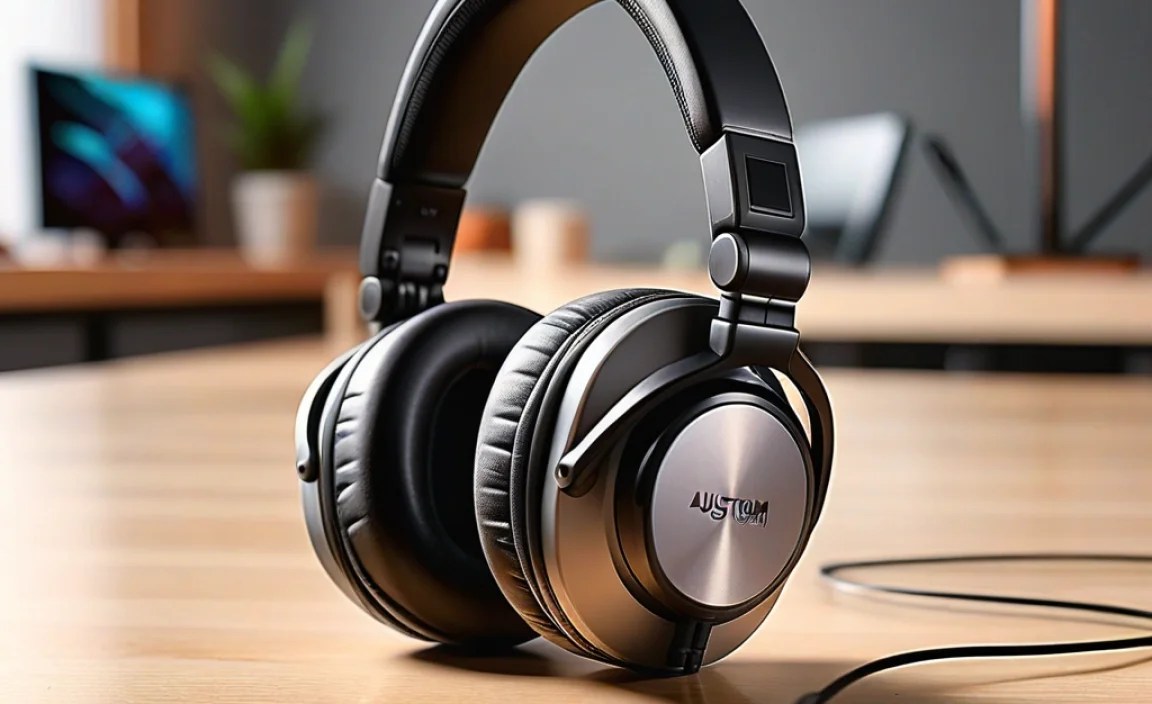
Simply owning the right headphones is only half the battle. Using them effectively can significantly enhance their benefit. Here are some tips:
- Introduce them Gradually: Don’t force the headphones on someone. Start with short periods in a quiet, comfortable setting. Let the user explore them at their own pace.
- Make them Positive: Associate the headphones with positive experiences. Perhaps they are worn during a favorite calming activity or to access a desired outing.
- Model Usage: If appropriate, wear similar headphones yourself during noisy times to show it’s a normal and helpful tool.
- Explain Their Purpose: For verbal individuals, explain how the headphones help by making loud sounds softer and creating a calm space.
- Monitor for Comfort: Even with comfortable headphones, check regularly for signs of overheating, pressure, or general discomfort.
- Teach Maintenance: Show how to clean them and store them to prolong their lifespan.
- Consider a Sensory Diet: Headphones are one tool in a larger sensory regulation plan. They work best when integrated with other strategies.
- Be Aware of Situational Needs: Sometimes, complete noise blocking isn’t ideal if the person needs to hear a direct warning or a specific voice. In such cases, adjustable ANC or headphones with ambient sound modes might be better, or using them strategically for only the most overwhelming periods.
Frequently Asked Questions About Sound Proof Headphones for Autism
Here are answers to some common questions parents and individuals have when seeking noise-reducing solutions.
1. Are “sound proof” headphones really soundproof?
The term “sound proof” is often used loosely. Most headphones offer excellent noise reduction or sound dampening, significantly lowering the volume of external sounds. True soundproofing, like in recording studios, is extremely rare and impractical for personal wearable devices. The goal is to reduce overwhelming noise to a manageable level.
2. Can anyone use these headphones, or are they specifically for individuals with autism?
While highly beneficial for individuals with autism and sensory processing sensitivities, anyone can benefit from noise-reducing headphones. They are popular among travelers, students studying in noisy environments, music lovers, and people working in loud places.
3. What’s the difference between ear defenders and noise-cancelling headphones?
<p
