
Quick Summary: Discover SoundGuys’ top wired headphone recommendations for every budget and need. From immersive audio to everyday comfort, find the perfect pair that delivers exceptional sound without the hassle of charging.
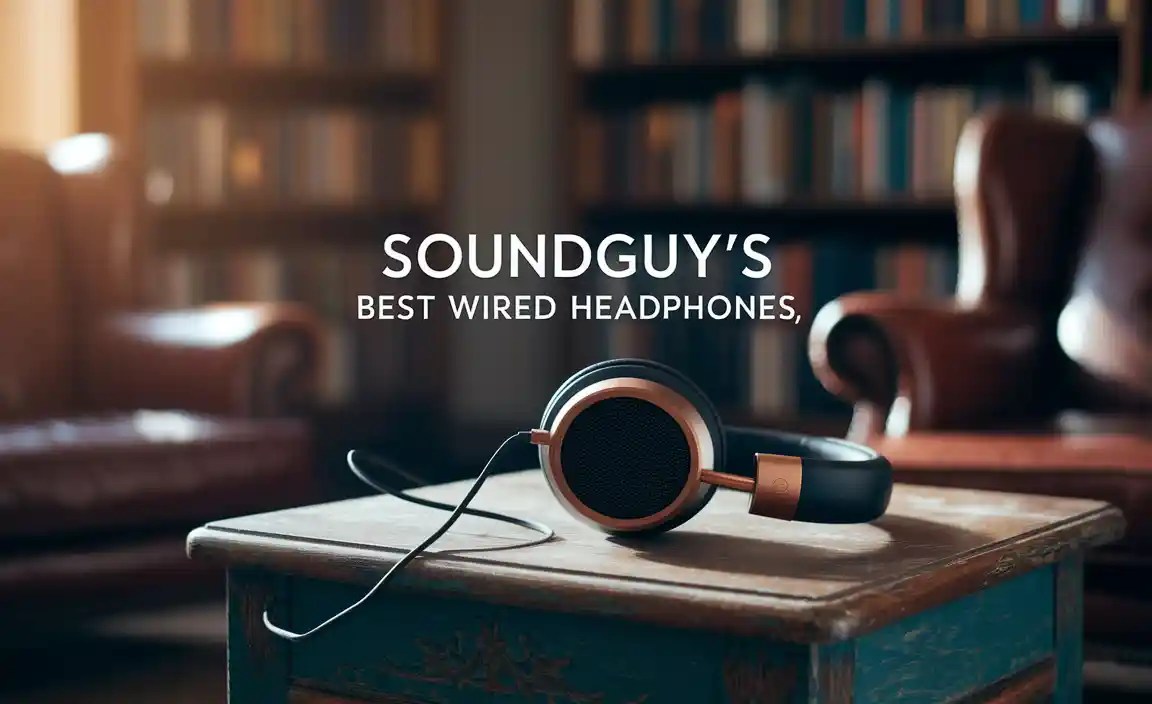
SoundGuys Best Wired Headphones: Essential Picks for Every Listener
Hey everyone, Edward Cavitt here from headphonehorizon! As a fellow audio explorer, I know how exciting (and sometimes overwhelming!) it can be to find the perfect pair of headphones. Wired headphones often fly under the radar in our wireless world, but they still offer a fantastic, reliable listening experience. They’re plug-and-play simple, often deliver superior sound quality for the price, and you never have to worry about battery life! Today, we’re diving into some of the best wired headphones, hand-picked with insights from the trusted folks at SoundGuys. Whether you’re a casual listener, a music aficionado, or someone who just wants clear calls, we’ve got an essential pick for you.
Why Wired Headphones Still Rock

Before we jump into the picks, let’s quickly chat about why wired headphones are still a brilliant choice for so many of us. In a world obsessed with Bluetooth, there’s a unique charm and practical advantage to a good old-fashioned cable. For beginners, this means no pairing frustrations, no low-battery anxiety during that crucial podcast, and often, a more direct and pure audio signal. Plus, you’ll typically get more bang for your buck in terms of sound quality when comparing similarly priced wired and wireless models.
According to SoundGuys, a leading authority in audio reviews, wired connections offer a stable, low-latency audio experience. This is especially important for audiophiles who demand the highest fidelity and for gamers or video editors where any delay can be a deal-breaker. For a deeper dive into the technical advantages, you can explore resources like Rtings.com’s comparison of wired vs. wireless headphones, which highlights the consistent performance of wired options.
The SoundGuys Approach to Testing

The team at SoundGuys employs rigorous testing methodologies to ensure their recommendations are reliable and data-driven. They analyze everything from frequency response and soundstage to comfort and build quality. This means when SoundGuys suggests a headphone, it’s backed by science, making our decision-making process much easier. They believe that the best headphones are not just about specs, but about how they fit into your life and enhance your listening experience.
Their testing environment is anechoic, meaning they can eliminate external noise to focus solely on the headphone’s sound output. They use specialized equipment and software to measure how accurately headphones reproduce sound across the entire audible spectrum. This commitment to objective testing is why many audio enthusiasts trust their curated lists. You can learn more about their testing methodology on their website.
SoundGuys Essential Picks: Wired Wonders

Based on SoundGuys’ extensive research and our own understanding of what makes a great pair of everyday headphones, here are our essential picks. We’ve categorized them to help you find the perfect match for your needs and budget.
For the Immersive Music Lover: Sennheiser HD 660 S2
If you crave a truly captivating audio experience and are willing to invest a bit more for it, the Sennheiser HD 660 S2 is often cited as a top-tier choice. While not cheap, these open-back over-ear headphones are renowned for their exceptional detail, wide soundstage, and neutral, yet engaging, sound profile. They are built for serious listening sessions where you want to dissect every note and nuance in your favorite tracks.
Why it’s a top pick:
- Stunning Clarity: Hear your music like never before with incredible detail and precision.
- Expansive Soundstage: Feels like you’re in the room with the musicians, offering a sense of space and depth.
- Comfortable for Long Sessions: Plush earcups and a well-balanced headband make extended listening a joy.
- Durable Build: Sennheiser is known for quality craftsmanship, meaning these headphones are built to last.
Who is it for? Audiophiles, dedicated music enthusiasts, and anyone looking to upgrade to a flagship listening experience for their home setup.
Price Point: Premium
The Best All-Rounder: Audio-Technica ATH-M50x
A perennial favorite among professionals and enthusiasts alike, the Audio-Technica ATH-M50x consistently earns high marks. These closed-back headphones offer a balanced sound with a slight emphasis on bass, making them versatile for various music genres and for monitoring work. They are also incredibly durable and comfortable for long wear.
Why it’s a top pick:
- Engaging Sound: Delivers a lively sound with good bass response that’s enjoyable for most music.
- Excellent Isolation: The closed-back design does a great job of blocking out external noise, perfect for busy environments.
- Robust Construction: These headphones are built like tanks, ready to withstand daily use.
- Swappable Cables: Comes with multiple cable options (straight and coiled) for different situations.
Who is it for? Musicians, producers, podcasters, commuters, and anyone who wants a reliable, great-sounding pair of headphones for a multitude of uses.
Price Point: Mid-Range
Budget-Friendly Champion: AKG K72
You don’t need to break the bank to get good sound. The AKG K72 are often praised by SoundGuys for their surprising performance at an incredibly accessible price point. These are open-back headphones, offering a more natural and spacious sound than many budget alternatives. They are lightweight and comfortable, making them a fantastic option for casual listening at home or in a quiet office.
Why it’s a top pick:
- Impressive Soundstage for the Price: Offers a wider, more open sound than expected for budget headphones.
- Comfortable and Light: Designed for long listening sessions without fatigue.
- Affordable Quality: Delivers good audio fidelity without a hefty price tag.
- Good for Critical Listening: Their balanced profile makes them suitable for appreciating details in music.
Who is it for? Students, budget-conscious listeners, and anyone looking for a significant audio upgrade without spending a lot of money.
Price Point: Entry-Level/Budget
For the Commuter/Everyday Warrior: Beyerdynamic DT 770 PRO
While labeled “PRO,” the Beyerdynamic DT 770 PRO is a workhorse that many everyday users adore for its durability, comfort, and excellent isolation. These are closed-back headphones, meaning they’re great for blocking out ambient noise, making them ideal for loud environments like offices, public transport, or even just when you need to focus at home.
Why it’s a top pick:
- Superior Noise Isolation: The plush earcups create a seal that keeps outside noise at bay.
- Rugged Durability: Built to withstand the rigors of professional use, meaning they’ll last you ages.
- Comfortable Clamping: Soft velour ear pads and a sturdy headband ensure comfort over long listening periods.
- Detailed Sound: Offers a clear and detailed sound profile, with a slight emphasis on the highs and lows that many find exciting.
Who is it for? Commuters, office workers, gamers, and anyone needing excellent sound isolation and a robust build.
Price Point: Mid-Range
Key Features to Consider (Even for Beginners!)
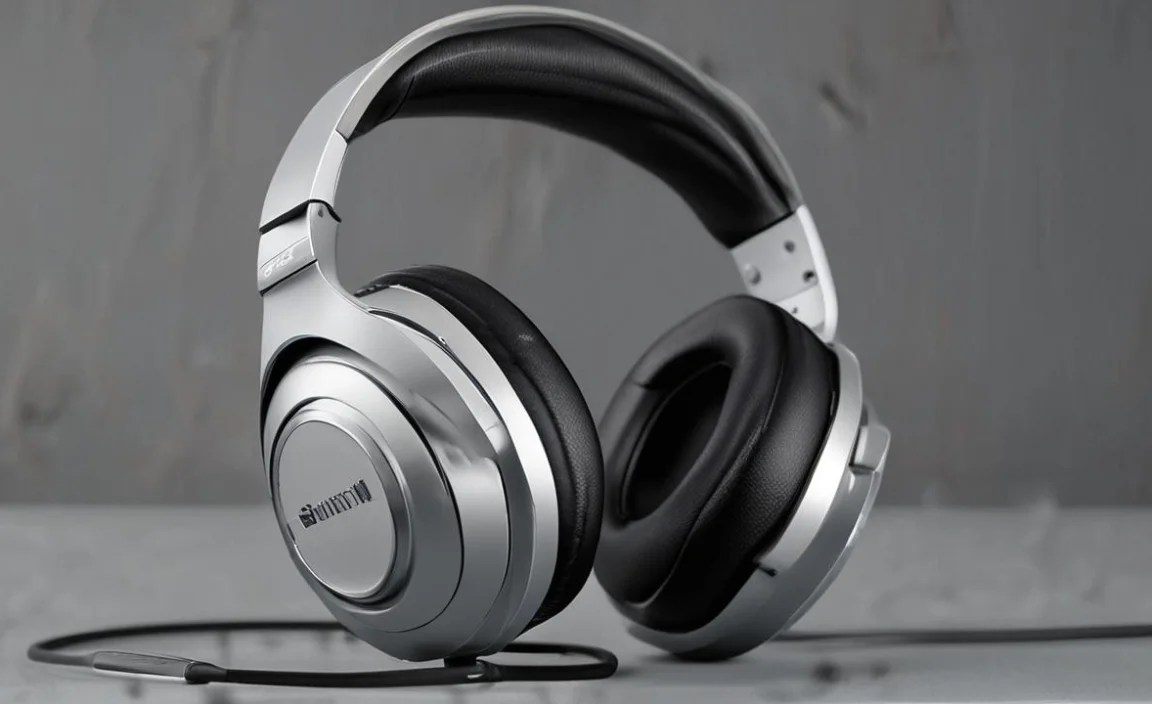
When looking at any of SoundGuys’ recommendations, or when you’re browsing for your own wired headphones, keep these simple features in mind:
1. Driver Type and Size
Think of drivers as the tiny speakers inside your headphones. Larger drivers (typically 40mm or more) can often produce a fuller, more impactful sound, especially in the bass frequencies. However, driver quality and design are more important than just size.
2. Impedance (Ohms)
This might sound technical, but it’s quite straightforward. Impedance measures how much electrical resistance the headphones have. Lower impedance (under 50 ohms) means they’re easier to drive, and most smartphones and laptops can power them well. Higher impedance headphones (over 100 ohms) often require a dedicated headphone amplifier to sound their best, but they can offer superior sound quality if paired correctly.
Here’s a quick guide:
| Speaker Impedance (Ohms) | Likely Source Devices | Notes |
|---|---|---|
| Below 32 Ohms | Smartphones, tablets, laptops, portable music players | Easy to power, great for on-the-go. |
| 32 – 80 Ohms | Smartphones, laptops, some desktop audio setups | Good balance of portability and sound quality. |
| 80 – 250 Ohms | Desktop computers, dedicated audio interfaces, integrated amps | May require a modest headphone amp for optimal volume and clarity. |
| Above 250 Ohms | Dedicated headphone amplifiers, high-end audio systems | Requires significant power; best for dedicated listening stations. |
3. Comfort and Fit
This is crucial! Headphones are useless if they hurt your ears. Look for:
- Over-ear (Circumaural): Cups go around your ears. Generally more comfortable for long periods.
- On-ear (Supra-aural): Cups rest on your ears. Can be less comfortable over time and may leak more sound.
- Earbud: Small units that sit in the ear canal or outer ear.
- Material: Plush padding (like velour) is often more comfortable than faux leather for extended wear.
4. Open-back vs. Closed-back
This refers to the design of the earcups:
- Open-back: Sound can escape out of the back. These tend to offer a more natural, spacious, and airy soundstage. They are great for quiet environments as they leak sound in and out.
- Closed-back: The earcups are solid and seal in the sound. These provide better noise isolation, making them ideal for noisy environments, commuting, or recording where you don’t want sound bleeding into the microphone.
5. Cable Type and Length
For wired headphones, the cable is your lifeline! Consider:
- Detachable vs. Fixed: Detachable cables are a huge plus. If the cable gets damaged or tangled, you can easily replace it.
- Length: Aim for a length that suits your typical use. Too short is annoying; too long can be a tripping hazard or get tangled.
- Straight vs. Coiled: Coiled cables are often used by professionals as they offer a good length when stretched but remain compact when not.
Easy Maintenance for Longevity
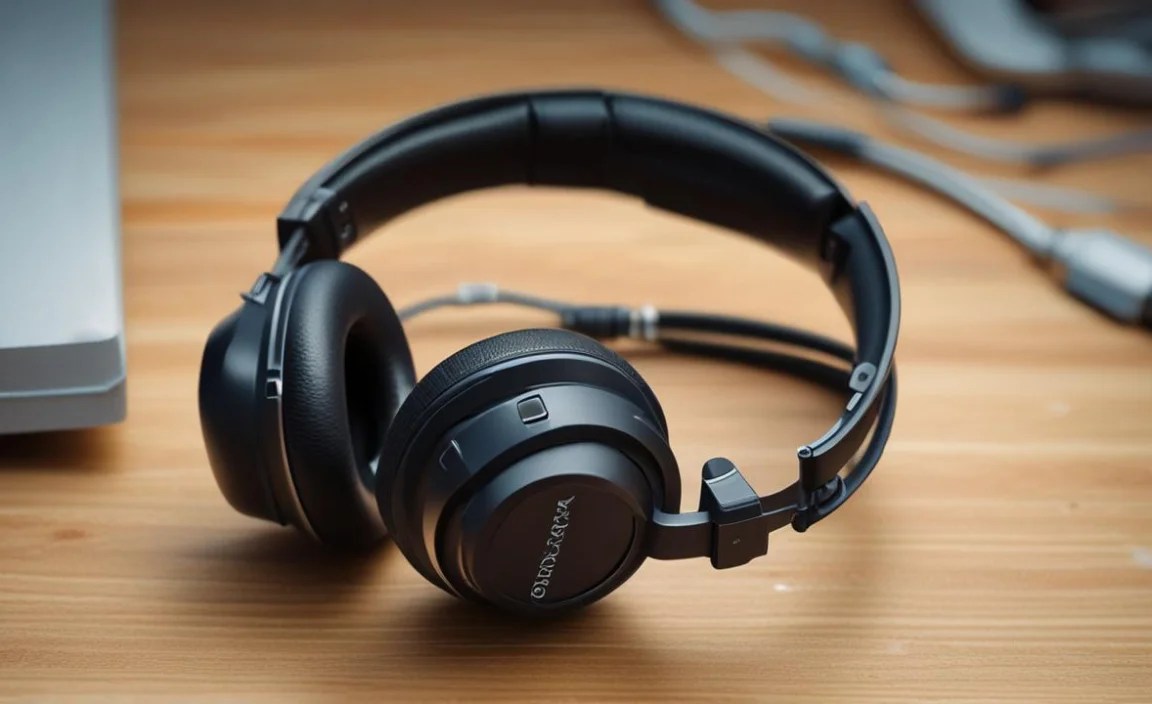
Keeping your wired headphones in tip-top shape is simple! A little care goes a long way in extending their life and ensuring they continue to sound great.
- Clean Earcups Regularly:
- For velour pads: Use a soft brush to remove dust and debris. For deeper cleaning, a slightly damp cloth (water only, very lightly squeezed) can be used, but let them air dry completely before reattaching.
- For leather/faux leather pads: Wipe with a slightly damp cloth. Avoid harsh cleaning chemicals.
- Store Properly: When not in use, store your headphones in a case or on a stand to protect them from dust and accidental damage. Avoid stuffing them into a tight bag with sharp objects.
- Handle the Cable with Care: Avoid yanking the cable directly from the headphone jack. Instead, grasp the plug. Don’t wrap the cable too tightly around the headphones, as this can stress the internal wires.
- Spiral Wrap or Loose Coil: If you need to store the cable, it’s best to wrap it loosely or use a gentle figure-eight motion.
- Check for Damage: Periodically inspect the cable, especially near the connectors, for any signs of fraying or damage.
Troubleshooting Common Wired Headphone Issues
Even the best wired headphones can sometimes act up. Here are a few simple fixes for common problems:
- No Sound in One Ear:
- Check the Connection: Ensure the headphone jack is fully plugged into your device. Try plugging it into a different device to see if the problem persists (this helps determine if it’s the headphones or the source).
- Flex the Plug: Gently wiggle the headphone plug while it’s plugged in. If the sound cuts in and out, the jack on your device or the plug on your headphones might be damaged.
- Clean the Jack: Sometimes, lint or debris can accumulate in the headphone jack of your device. You can carefully clean it using a wooden or plastic toothpick (never metal, which can short circuits) or a puff of compressed air. A guide from iFixit offers good visual examples for cleaning device ports.
- Replace the Cable: If your headphones have a detachable cable, try a spare. This is often the simplest fix if the cable is the culprit.
- Crackling or Static Sound:
- Loose Connection: Re-seat the headphone jack firmly.
- Cable Damage: Inspect the cable for any visible wear or breaks.
- Interference (less common for wired): While usually an issue for wireless, sometimes a faulty ground connection in a device can cause noise.
- Driver Issue: If the above doesn’t help and the sound is consistently crackly, the headphone driver itself might be failing.
- Low Volume:
- Check Volume Levels: Ensure the volume is turned up on both your device and the headphones (if they have an inline volume control).
- Source Device Power: As mentioned in the impedance section, if you have high-impedance headphones, your source device might not have enough power. Try them with a dedicated headphone amplifier.
- Device Settings: Check your device’s audio settings for any equalizer or volume limiting features that might be engaged.
- Distorted Sound:
- Volume Too High: Sometimes, pushing any headphone past its limit can cause distortion. Try lowering the volume.
- Damaged Driver: This is often a sign that a headphone driver is damaged or failing.
- Source Issue: If the distortion only occurs with a specific audio file or app, the issue might be with the source audio itself.
Frequently Asked Questions (FAQ)
Q1: Do I need an amplifier for all wired headphones?
A: Not at all! Most wired headphones designed for everyday use have low impedance (under 50 Ohms) and can be powered perfectly well by your smartphone, laptop, or tablet. Only higher-impedance headphones (typical
