
Quick Summary: This guide demystifies studio headphones for guitarists. Learn why they’re crucial for practice, recording, and mixing, what separates them from regular headphones, and how to choose the best pair for your needs without getting lost in technical jargon. Achieve clearer practice sessions and better recordings with confidence.
Studio Headphones for Guitar: Your Essential Guide to Hearing Every Note
Hey everyone, Edward Cavitt here from headphonehorizon! If you’re a guitarist, you know that hearing your instrument clearly is absolutely key. Whether you’re just jamming in your room, practicing a tricky riff, or diving into recording your masterpiece, the right audio gear makes a world of difference. Today, we’re going to talk about a piece of equipment that might seem a little specialized, but trust me, it’s a game-changer for any guitarist: studio headphones. Forget those bulky, bass-heavy headphones you use for everyday listening. We’re talking about studio headphones, which offer a different perspective – a clear, honest one – on your guitar sound. Let’s break down why they’re so important and how to pick the perfect pair for your guitar journey.
Why Do Guitarists Need Studio Headphones?

It might seem obvious, but there’s more to it than just “hearing yourself play.” Studio headphones offer a specialized listening experience designed for accuracy and detail. They’re not built to make music sound “better” by boosting bass or treble; instead, they aim to reproduce sound as faithfully as possible. This is incredibly important for guitarists for several reasons:
- Accurate Practice: When you practice with studio headphones, you hear your playing exactly as it sounds, without your amplifier coloring the tone. This helps you identify subtle nuances in your technique, finger squeaks, fret buzz, and the true character of your guitar and amp tones. It’s like having a sonic microscope for your playing.
- Effective Learning: When learning new songs or complex solos, you need to hear every little detail. Studio headphones provide the clarity to pick out individual notes, dynamics, and articulations that might be masked by less accurate headphones.
- Recording Clarity: If you’re recording yourself, even with a simple setup, studio headphones are indispensable. They allow you to monitor your performance without the sound of the headphones bleeding into your microphone, ensuring a clean recording. They also let you hear exactly what the microphone is picking up, helping you adjust mic placement or your playing.
- Mixing and Editing: When it comes to mixing your guitar tracks or any other audio, these headphones are your eyes (or ears!) into the sound. They reveal problems like unwanted frequencies, clipping, or inconsistent levels that you might miss with consumer-grade headphones.
- Silent Practice: This is a big one! Studio headphones allow you to practice at any volume, day or night, without disturbing anyone. This is perfect for apartments, late-night sessions, or when you need to focus without external noise.
Studio Headphones vs. Regular Headphones: What’s the Difference?

This is where things can get a little confusing, but don’t worry, I’ll break it down simply. Regular, or “consumer” headphones, are often designed to be fun and exciting to listen to. They tend to boost certain frequencies, typically the bass and sometimes the treble, to make music sound more “energetic” or “punchy.” This can be great for casual listening, but it’s not ideal for critical audio tasks like practicing or recording guitar.
Studio headphones, on the other hand, are built for neutrality. They aim for a “flat frequency response,” meaning they reproduce the sound across the entire audible spectrum (from the lowest bass to the highest treble) as accurately as possible, without emphasizing any particular part of it. Think of it like this:
- Consumer Headphones: Like a restaurant that adds extra salt and spices to every dish. It might taste good initially, but you don’t get to taste the true flavor of the ingredients.
- Studio Headphones: Like a chef who prepares a dish with minimal seasoning, allowing you to taste the pure, natural flavors of the ingredients.
This accuracy is crucial for guitarists because you need to hear your amp’s true tone, your guitar’s natural sound, and any subtle issues in your playing or recordings. A slight boominess in the bass from consumer headphones could mask a muddy mid-range in your amp, for example. A harsh high-end could make your picking sound more aggressive than it really is. Studio headphones cut through this and give you the unvarnished truth.
Types of Studio Headphones for Guitarists

When you start looking at studio headphones, you’ll notice two main types: open-back and closed-back. Each has its own benefits and drawbacks, making them suitable for different situations.
Closed-Back Headphones
Closed-back headphones have earcups that are sealed, preventing sound from leaking out or in. This is their defining feature and leads to several advantages and disadvantages.
Pros of Closed-Back Headphones:
- Excellent Sound Isolation: This is their biggest strength. The sealed design is great for blocking out external noise (like a noisy roommate or traffic) and, more importantly for guitarists, preventing your headphone audio from bleeding into your microphone when recording.
- Enhanced Bass Response: The sealed enclosure can sometimes lead to a more pronounced bass response, which some listeners enjoy, though it’s less “flat” than open-backs.
- Good for Loud Environments: Their isolation makes them suitable for practicing in louder settings or on stage.
Cons of Closed-Back Headphones:
- Can Sound “Boxy” or Less Natural: For some, the sealed design can create a slightly enclosed or “boxy” soundstage and may feel less airy compared to open-backs.
- Build-up of Heat and Pressure: Wearing them for long periods can sometimes lead to ear fatigue or a feeling of pressure.
- Not Ideal for Mixing: While great for recording due to isolation, their sound signature might be less revealing for nuanced mixing decisions compared to open-backs.
Open-Back Headphones
Open-back headphones, as the name suggests, have earcups with vents or grilles that allow air and sound to pass through. This changes how they interact with your ears and the environment.
Pros of Open-Back Headphones:
- Natural and Spacious Soundstage: The open design often leads to a wider, more natural, and “airy” soundstage. It can feel more like listening to speakers in a room, offering a more realistic representation of space and depth.
- Less Ear Fatigue: Because air can circulate, they are generally more comfortable for long listening sessions and less likely to cause ear fatigue or that “plugged-up” feeling.
- Ideal for Mixing and Critical Listening: Their natural sound reproduction makes them a top choice for detailed mixing, mastering, and appreciating subtle sonic details in your guitar playing.
Cons of Open-Back Headphones:
- Poor Sound Isolation: Sound leaks out, meaning others can hear what you’re listening to, and external noise easily gets in. This makes them unsuitable for noisy environments or for recording where mic bleed is a concern.
- Not Suitable for Recording: You absolutely do not want to use open-back headphones when recording with a microphone, as even the softest sounds will leak out and be picked up by the mic.
- Less Bass Impact: They often have a less pronounced bass response compared to closed-backs due to the sound leakage.
Which Type is Right for You?
For most guitarists, especially beginners or those recording at home, closed-back headphones are generally the more versatile and recommended choice. Their ability to isolate sound is crucial for both practice (blocking distractions) and recording (preventing mic bleed). If your primary goal is silent practice, learning songs, or capturing your playing without external interference, closed-back is the way to go.
Open-back headphones are fantastic for critical listening and mixing after you’ve recorded your guitar parts, or if you’re playing in an extremely quiet environment and absolutely never need to worry about sound leakage. Many engineers and producers use both types, switching between them depending on the task.
Key Features to Look For in Studio Headphones for Guitar

Beyond the open vs. closed-back distinction, several other features are important when selecting studio headphones for your guitar journey.
1. Comfort and Fit
You’ll likely be wearing these for extended periods, whether practicing, recording, or mixing. Poor comfort can lead to fatigue and distraction. Look for:
- Earcups: Over-ear (circumaural) headphones that completely encompass your ears are generally more comfortable and provide better isolation than on-ear models.
- Padding: Plush earpads made from materials like velour or soft leather can make a big difference.
- Headband: A well-padded and adjustable headband ensures a secure yet comfortable fit without excessive pressure.
- Weight: Lighter headphones are generally more comfortable for long sessions.
2. Durability and Build Quality
Studio gear needs to be robust. Guitarists can be passionate players, and headphones might get moved around a lot. Look for headphones made with sturdy materials like metal for the headband and reinforced plastics for the earcups. Detachable cables are also a huge plus, as they can be easily replaced if damaged, extending the life of your headphones.
3. Cable Length and Type
The cable is an often-overlooked but critical component. Studio headphones typically come with longer cables (often 3 meters/10 feet or more) to give you freedom of movement. Consider whether you need a straight or coiled cable. Straight cables are common and versatile, while coiled cables can be great for stage use or when you need to stay close to your gear.
Many studio headphones also come with a detachable cable. This is a significant advantage:
- Easy Replacement: If the cable gets damaged, you don’t need to buy new headphones; just a new cable.
- Versatility: Some headphones come with multiple cable options, allowing you to switch between straight and coiled, or different lengths, depending on your needs.
Pay attention to the connectors. Most headphones use a standard 3.5mm (1/8-inch) mini-jack, but they often include a screw-on 1/4-inch (6.35mm) adapter for connecting to amplifiers, audio interfaces, or mixers. Ensure you have the right connector for your gear.
4. Impedance (Ohms) and Sensitivity
This is where it gets a little technical, but it’s important for understanding how your headphones will perform with your gear. Don’t let the numbers scare you!
Impedance (Ohms, Ω):
Impedance refers to the electrical resistance of the headphones. It’s measured in Ohms (Ω).
- Low Impedance (e.g., 16-32 Ω): These headphones are easier to drive, meaning they require less power from your source device. They will generally sound louder when plugged directly into a phone, laptop, or basic audio interface.
- High Impedance (e.g., 250 Ω or more): These headphones require more power to reach optimal listening levels. They might sound too quiet or lack bass impact when plugged into basic devices. They often benefit greatly from a dedicated headphone amplifier, which provides the necessary power. High-impedance headphones can sometimes offer clearer sound and better dynamics when properly driven.
For guitarists practicing at home with an audio interface or amp headphone jack: Low to medium impedance (32-80 Ω) is usually ideal. High-impedance headphones (250 Ω+) are best suited for dedicated studio environments with proper amplification.
Sensitivity (dB/mW or dB/V):
Sensitivity indicates how loud the headphones play with a given amount of power. A higher sensitivity means the headphones will be louder with the same input power.
- Higher Sensitivity: Easier for devices to drive, will generally be louder.
- Lower Sensitivity: Might require more power to achieve a good volume.
When choosing, it’s often a balance between impedance and sensitivity. A lower impedance headphone with decent sensitivity is usually a safe bet for general use without additional amplification.
5. Sound Signature (Frequency Response)
As discussed, studio headphones aim for a flat frequency response. This means they deliver sound across the spectrum without artificial boosts. While a perfectly flat line on a graph is theoretical, good studio headphones will be very close. This allows you to:
- Hear the true character of your amp and guitar settings.
- Identify problematic frequencies in your playing or tone.
- Make informed decisions when recording and mixing.
Look for headphones marketed as “flat response” or “neutral.” Avoid anything described as “enhanced bass” or “boosted highs” if accuracy is your goal.
Table: Open-Back vs. Closed-Back for Guitarists
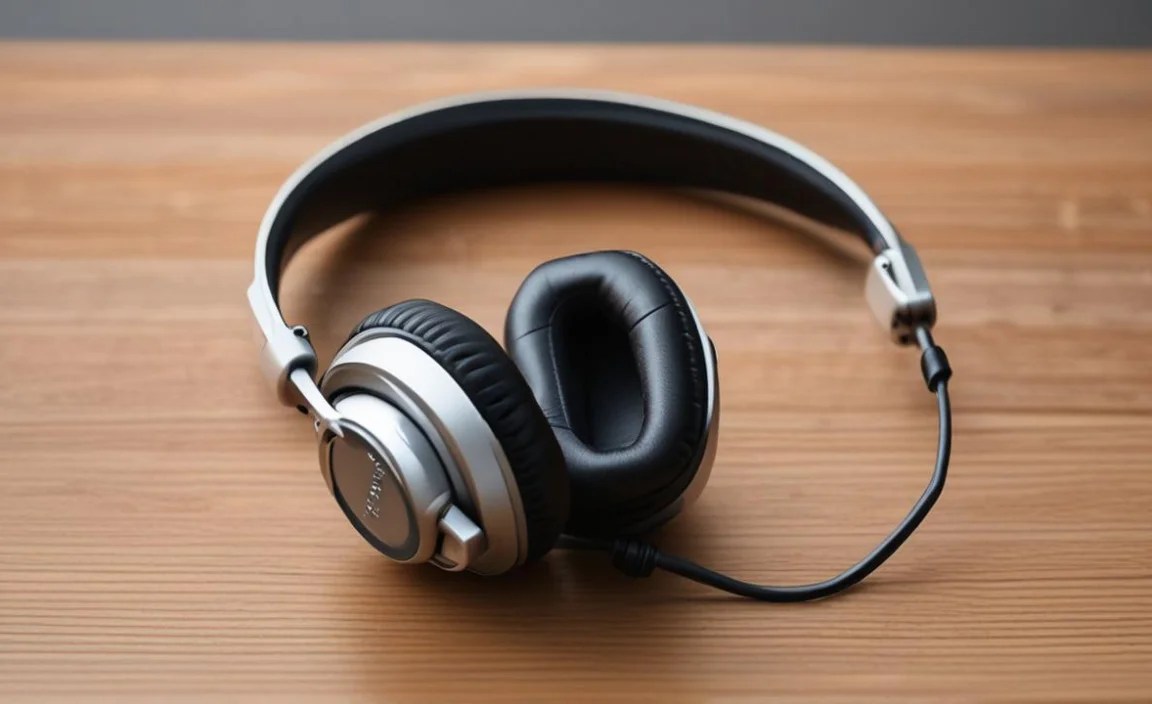
To quickly recap the core differences and their implications for guitarists, here’s a handy table:
| Feature | Closed-Back Headphones | Open-Back Headphones |
|---|---|---|
| Sound Isolation | High (Excellent for recording & noisy environments) | Low (Sound leaks in/out; poor for recording) |
| Soundstage/Airiness | Can be less spacious, sometimes “boxy” | Very natural, wide, and airy |
| Bass Response | Often more pronounced/punchy | Generally more balanced, less boosted |
| Comfort (Long Sessions) | Can cause heat/pressure for some | Generally more comfortable, less fatiguing |
| Best For Guitarists | Practicing, recording, monitoring, general use in any environment | Critical listening, mixing (after recording), practicing in very quiet, isolated spaces |
| Mic Bleed Risk | Very Low | Very High (Avoid for recording!) |
Popular Studio Headphone Recommendations for Guitarists (Budget-Friendly to Mid-Range)

It’s tough to give specific recommendations without knowing everyone’s exact budget and needs, but here are a few highly regarded and often recommended studio headphones that are great for guitarists, covering a range of price points. These are known for their reliability, neutrality, and comfort.
- Audio-Technica ATH-M-Series (e.g., ATH-M40x, ATH-M50x): The ATH-M50x is legendary in the audio world. While it has a slightly more consumer-friendly tuning for some, its closed-back design, excellent isolation, durability, and comfortable fit make it a superb choice for guitarists. The M40x is even flatter and more neutral, often preferred by those seeking ultimate accuracy. They are robust, foldable, and come with detachable cables.
- Shure SRH Series (e.g., SRH440, SRH840): Shure is a name synonymous with professional audio. Their SRH headphones offer great clarity and a balanced sound profile. The SRH440 is a fantastic entry-level option for neutral sound, while the SRH840 steps up in build quality and detail. Both are closed-back and provide good isolation.
- Sennheiser HD 280 Pro: Another workhorse in the studio world, the HD 280 Pro is a closed-back headphone known for its exceptional sound isolation and a relatively flat, detailed sound. They are built like tanks and are very comfortable for long sessions. They perform excellently for their price point.
- Beyerdynamic DT 770 PRO: The DT 770 PRO is a classic closed-back studio headphone. It’s available in different impedance versions (32, 80, and 250 Ohms), allowing you to choose based on your gear. It offers a detailed sound with good bass, excellent comfort, and legendary durability. The higher impedance versions will benefit from a bit more power but offer superb clarity.
When choosing, I always recommend reading reviews specific to guitarists or home recording, and if possible, trying them on for comfort. A good pair should feel like an extension of your ears, not a burden.
How to Connect Your Studio Headphones for Guitar
Connecting your studio headphones is usually straightforward. The method depends on what you’re using to amplify or record your guitar.
1. Connecting to an Amplifier with a Headphone Jack
Many guitar amplifiers, especially practice amps and some larger models, have a dedicated headphone output. This is the simplest connection:
- Locate the Headphone Jack: It’s usually a 1/4-inch (6.35mm) socket on the front or back panel of your amp, often labeled “Phones,” “Headphones,” or with a headphone icon.
- Connect Your Headphones: If your headphones have a 3.5mm (1/8-inch)
