
Tube headphone amplifiers offer a rich, warm sound that many audiophiles prefer over solid-state models. This guide explores why they’re considered the best, outlining benefits, usage tips, and comparisons to help you make an informed purchasing decision.
Tube headphone amplifiers, also known simply as tube amps, are specialized amplifiers used to drive headphones. They are valued for their ability to produce a warm, natural sound that many audiophiles find appealing. Understanding the complexities and benefits of tube headphone amps can greatly enhance your audio experience, making this topic essential for music lovers and sound engineers alike.
Key Takeaways
– **Warm Sound Quality**: Tube amps deliver a rich, warm sound that many prefer over digital alternatives.
– **Customizable Sound**: Tube rolling allows users to change the sound profile to suit personal preferences.
– **High Impedance Matching**: Tube amps excel at driving high-impedance headphones, improving overall sound quality.
– **Aesthetic Appeal**: The glow of tubes provides a unique, vintage aesthetic that appeals to many users.
– **Enhanced Audio Experience**: For serious listeners, tube amps can significantly enhance the depth and detail of music.
What is tube headphone amps best?

Tube headphone amplifiers are audio devices that use vacuum tubes to amplify the sound signal driving headphones. Unlike solid-state amplifiers that use transistors, tube amps are known for their distinctive warm and rich sound profile. They are often favored by audiophiles who enjoy a more natural audio reproduction with a touch of nostalgia.
Causes / Definition
– **Vacuum Tubes**: The core component of these amplifiers, which are responsible for their unique sound characteristics.
– **Sound Distortion**: Tube amps intentionally introduce harmonic distortion that enhances sound warmth.
– **Tube Rolling**: This process allows users to swap tubes to tailor the sound to their liking.
– **DIY Customization**: Many models support modifications, providing enthusiasts the opportunity to tweak performance.
– **Impedance Matching**: They are particularly effective at powering high-impedance headphones which require more power for optimal performance.
In summary, tube headphone amps are renowned for their distinctive sound quality and personalization options. They cater to audiophiles seeking a specific auditory experience.
Why tube headphone amps best is Important?

Understanding the importance of tube headphone amps involves recognizing their impact on the listening experience. These amps can transform audio quality, turning listening sessions into immersive experiences. Their ability to reproduce sound with warmth and depth is unparalleled, making them a significant component in high-fidelity audio systems.
Benefits
– **Rich Sound Quality**: Provides a warmer, more natural sound compared to solid-state amplifiers.
– **Enhanced Musicality**: Introduces pleasing distortion that makes music sound more engaging.
– **Aesthetic and Nostalgia**: The visual appeal of glowing tubes adds a vintage charm.
– **Greater Engagement**: Allows users to be more involved in their audio equipment through tube rolling and customization.
– **Superior Performance with High Impedance Headphones**: Improved drive capability for demanding headphones.
In essence, tube headphone amps elevate the listening experience by combining superior sound quality with user engagement and visual appeal.
Step-by-Step Guide to tube headphone amps best
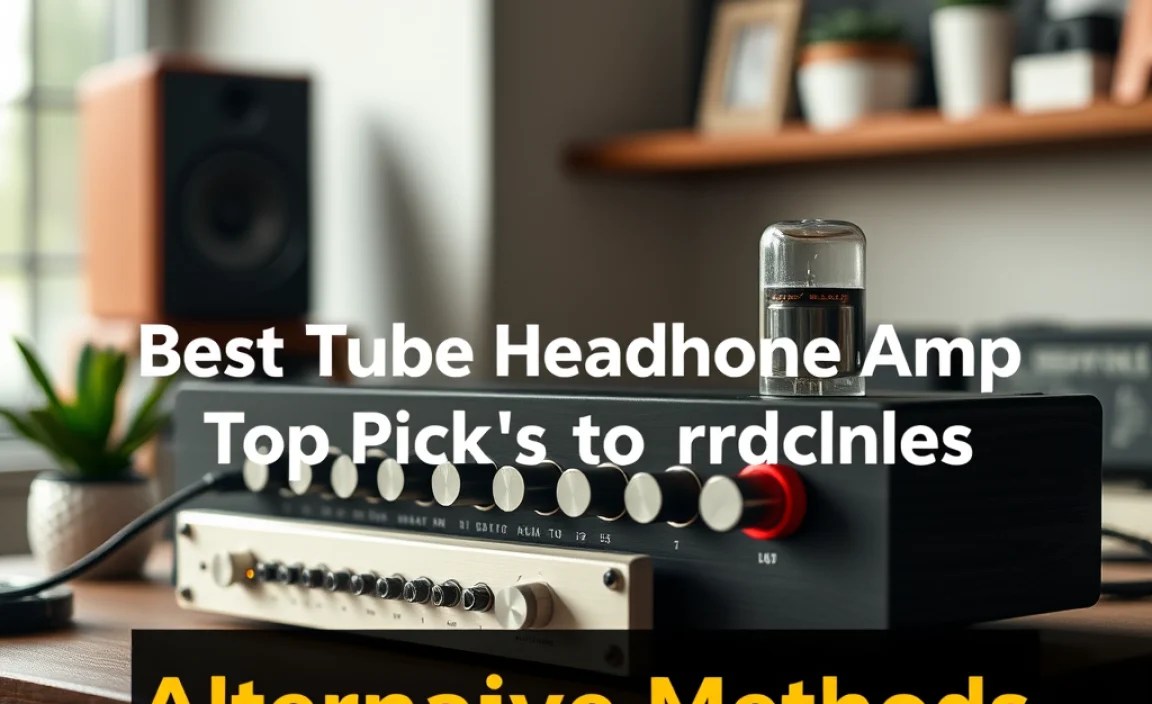
Step 1: Selecting the Right Tube Amp
– **Research**: Identify models that fit your budget and audio needs.
– **Reviews**: Read user reviews for real-world insights.
– **Specifications**: Focus on power output and impedance compatibility.
Choosing the right tube amp involves understanding your own audio preferences and matching them with the technical specifications of the amp.
Step 2: Setting Up Your Tube Amp
– **Placement**: Ensure proper ventilation around the amplifier.
– **Connection**: Use quality cables to connect your headphones.
– **Power**: Always use a surge protector to safeguard the device.
Proper setup is crucial for achieving the best performance and ensuring the longevity of your tube amp.
Step 3: Experimenting with Tube Rolling
– **Research Tubes**: Understand the different types of tubes available.
– **Purchase**: Buy from reputable sellers for quality assurance.
– **Installation**: Carefully remove and replace tubes, following manufacturer instructions.
Tube rolling is a fascinating process that allows you to tailor the sound of your amp to your liking by changing the tubes.
Step 4: Maintaining Your Tube Amp
– **Regular Cleaning**: Dust the amp and tubes periodically.
– **Tube Replacement**: Change tubes when they start to wear out.
– **Technical Checks**: Regularly check for unusual noises or performance issues.
Maintenance ensures that your tube amp continues to deliver superior sound quality over time.
Alternative Methods / Tools
Solid-State Headphone Amplifiers
– **Efficiency**: Generally more efficient and generate less heat.
– **Maintenance**: Require less maintenance than tube amps.
– **Price**: Often more affordable than tube amps.
While solid-state amplifiers offer a different sound profile and operational simplicity, many audiophiles prefer the warmth and depth provided by tube amps.
Hybrid Headphone Amplifiers
– **Combination**: Use both tube and solid-state technologies.
– **Versatility**: Offer a balance between sound warmth and efficiency.
– **Customization**: Less customizable in terms of tube rolling.
Hybrid amps can be a suitable alternative for those who want the warmth of tubes with the efficiency of solid-state components.
Troubleshooting Common Issues
Issue: Distorted Sound
– **Check Connections**: Ensure all connections are secure.
– **Inspect Tubes**: Replace worn-out or damaged tubes.
– **Volume Levels**: Avoid maximum volume settings to prevent distortion.
Distorted sound often results from faulty connections or aging tubes, requiring regular checks and maintenance.
Issue: Overheating
– **Ventilation**: Ensure the amp is placed in a well-ventilated area.
– **Cooling**: Consider using external fans if necessary.
– **Power Supply**: Use a stable power source to avoid overheating.
Overheating can damage your amp and tubes, so it’s important to manage heat effectively through proper placement and power management.
Advanced Techniques
For those looking to optimize their tube amp performance, there are several advanced techniques to explore:
– **Clean Install**: Regularly clean the internals to prevent dust build-up.
– **Tube Matching**: Use matched tubes for consistent performance.
– **Component Upgrades**: Replace capacitors and resistors for better sound clarity.
Advanced techniques can push the limits of what your tube amp can do, providing enhanced audio clarity and performance.
Prevention & Maintenance Tips
Regular maintenance is key to keeping your tube headphone amp in optimal condition. Follow these tips:
– **Routine Checks**: Regularly inspect tubes and connections.
– **Dusting**: Keep the amp free from dust to avoid overheating.
– **Power Management**: Ensure stable power to prevent surges.
By adhering to a strict maintenance schedule, you can enjoy your tube amp for years with consistent performance.
Driver Update Methods Compared
| Method | Difficulty | Speed | Best For | Notes |
|---|---|---|---|---|
| Manual Update | High | Slow | Experienced Users | Requires technical knowledge |
| Automatic Software | Low | Fast | Beginners | User-friendly interface |
| Professional Service | Medium | Variable | All Users | Can be costly |
Conclusion
Whether you’re an audiophile or a newcomer to high-fidelity audio, tube headphone amplifiers offer a unique experience with their warm and rich sound. By selecting the right model, experimenting with tube rolling, and maintaining your equipment properly, you can enjoy an unparalleled listening experience. Consider exploring different models and techniques to find the setup that best suits your audio preferences.
Frequently Asked Questions
Question 1: What Are Tube Headphone Amps?
Answer: **Tube headphone amps are audio amplifiers that use vacuum tubes to boost sound signals for headphones, providing a warm and rich audio experience.**
Question 2: How Do Tube Amps Differ from Solid-State Amps?
Answer: **Tube amps use vacuum tubes for sound amplification, offering a warmer sound, while solid-state amps use transistors, often delivering a more precise sound.**
Question 3: Can I Use Tube Amps with Any Headphones?
Answer: **Yes, but they are especially beneficial for high-impedance headphones, which require more power to drive.**
Question 4: What Is Tube Rolling?
Answer: **Tube rolling involves swapping out the tubes in an amp to alter the sound profile, allowing for customization.**
Question 5: Are Tube Amps More Expensive?
Answer: **Generally, yes, due to their specialized components and superior sound quality.**
Question 6: How Often Should Tubes Be Replaced?
Answer: **Typically, tubes should be replaced every 1-2 years, depending on usage and condition.**
Question 7: Is Maintenance Difficult for Tube Amps?
Answer: **Maintenance involves regular cleaning and occasional tube replacement, which can be easily managed with basic knowledge.**
Question 8: Do Tube Amps Consume More Power?
Answer: **Yes, they tend to consume more power and produce heat, requiring proper ventilation.**
Question 9: What Is the Appeal of Tube Amps?
Answer: **Their warm sound, aesthetic appeal, and the nostalgia of vintage audio technology attract many users.**
