
USB-C adapters for headphones are essential tools in today’s digital age, ensuring seamless audio connectivity in devices lacking a traditional headphone jack. They provide versatility, making it possible to use wired headphones with modern smartphones, laptops, and tablets equipped with USB-C ports.
USB-C adapters for headphones are small devices that allow users to convert their USB-C port into a standard headphone jack. As most new devices are moving away from traditional 3.5mm headphone jacks, these adapters have become necessary for people who prefer wired headphones. They are crucial for maintaining audio quality and ensuring compatibility with new technology.
Key Takeaways
- USB-C adapters bridge the gap between legacy headphones and modern devices.
- High audio quality is preserved using these adapters, vital for audiophiles.
- Versatility allows users to connect headphones to a variety of USB-C enabled devices.
- Cost-effective compared to purchasing new wireless headphones.
- Easy to use, requiring no technical skills to set up.
- Compact design ensures portability and ease of storage.
What is USB-C Adapter for Headphones?

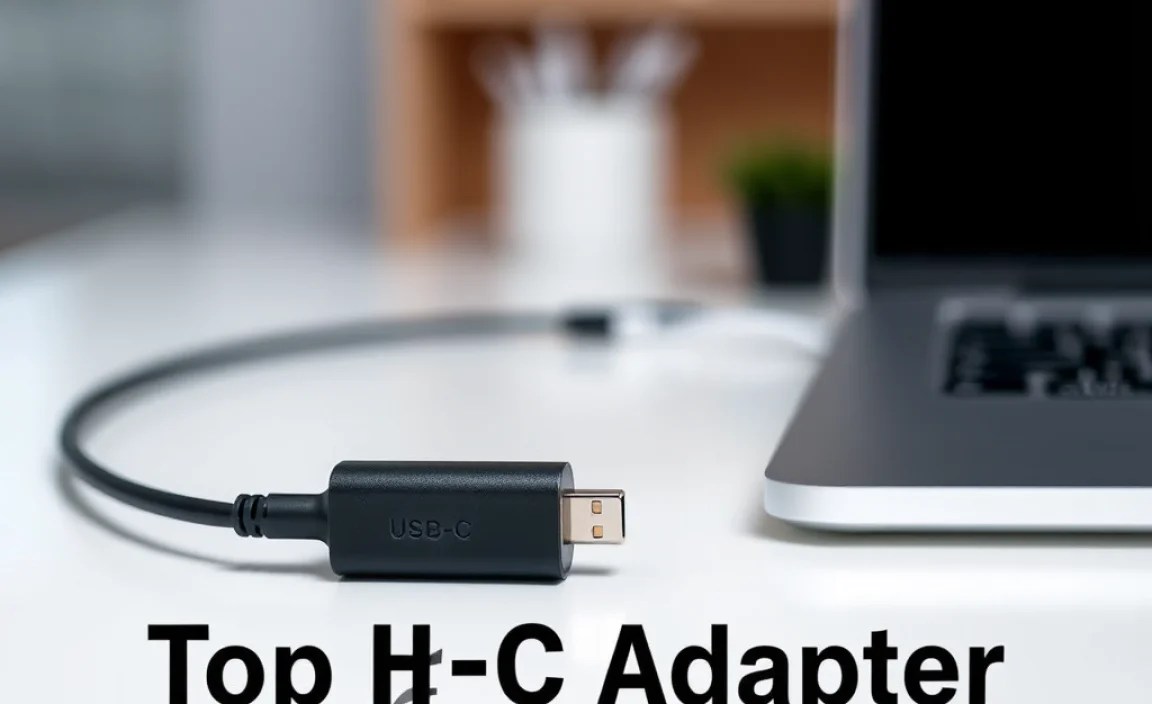
USB-C adapters for headphones are compact devices designed to convert a USB-C port into a traditional headphone jack, allowing the use of wired headphones with USB-C only devices. These adapters are essential for users who wish to use their existing headphones without having to purchase wireless alternatives or new headphones compatible with USB-C ports.
Definition and Features
- Conversion Capability: Converts USB-C port to a 3.5mm audio jack.
- Universal Compatibility: Works with most USB-C devices including smartphones, tablets, and laptops.
- Plug and Play: No drivers or software installation required.
- Audio Quality: Typically supports high-definition audio output.
- Compact Design: Small and lightweight, easy to carry around.
USB-C adapters for headphones are designed with simplicity and functionality in mind. They allow users to continue using their preferred wired audio devices without compromising on audio quality or convenience.
Why USB-C Adapter for Headphones is Important?

USB-C adapters for headphones are crucial as they provide a bridge between the traditional headphone technology and modern USB-C only devices. They ensure that users can continue enjoying their high-quality audio experiences without needing to invest in new headphone technology.
Benefits
- Cost Efficiency: Allows use of existing headphones, saving money on new purchases.
- Audio Quality: Maintains superior sound quality often associated with wired headphones.
- Compatibility: Works across various devices, ensuring universal usability.
- Portability: Small and easy to carry, making it ideal for travel.
- Convenience: Quick and easy to set up, with no need for additional software.
By using USB-C adapters, users can benefit from the flexibility and quality of wired headphones while adapting to new technology trends. This makes them an indispensable accessory in the tech-savvy world.
Step-by-Step Guide to Using USB-C Adapter for Headphones

Step 1: Choose the Right Adapter
- Compatibility: Ensure the adapter is compatible with your device and headphones.
- Quality: Opt for high-quality adapters to ensure audio fidelity.
- Features: Look for additional features like charging support if needed.
Choosing the right adapter is crucial for ensuring a seamless audio experience. Investing in a high-quality adapter ensures the best sound quality and device compatibility.
Step 2: Connect the Adapter
- Insert: Plug the USB-C connector into the device’s USB-C port.
- Attach: Connect your headphones to the 3.5mm jack on the adapter.
Connecting the adapter is straightforward. Simply plug it into your device and connect your headphones to start enjoying your music or audio content.
Step 3: Test Audio Quality
- Play: Start playing audio content to test the connection.
- Check: Listen for any distortion or connectivity issues.
Testing audio quality ensures that the adapter is functioning properly. Make any necessary adjustments for an optimal listening experience.
Alternative Methods / Tools
Bluetooth Adapters
- Wireless: Converts wired headphones into Bluetooth-enabled devices.
- Universal: Compatible with most Bluetooth-enabled devices.
- Convenience: Eliminates the need for physical connections.
Bluetooth adapters offer a wireless solution, allowing users to enjoy their wired headphones without being tethered to a device, enhancing mobility.
Direct USB-C Headphones
- Compatibility: Designed specifically for USB-C ports.
- Quality: Often provide excellent sound quality.
- Ease: No need for additional adapters.
Direct USB-C headphones eliminate the need for adapters, offering a streamlined and efficient solution for modern devices.
Troubleshooting Common Issues
Audio Not Working
- Check Connection: Ensure adapter and headphones are securely connected.
- Device Settings: Verify audio settings and output devices in the device.
- Restart: Try restarting the device to refresh connections.
If audio isn’t working, checking both physical connections and device settings often resolves the issue quickly.
Intermittent Sound
- Inspect Adapter: Look for any physical damage or loose connections.
- Test with Other Devices: Determine if the issue is with the adapter or device.
Intermittent sound can usually be traced to a faulty connection or damaged adapter, requiring either adjustment or replacement.
Advanced Techniques
Cleaning and Maintenance
- Regular Cleaning: Use soft cloths and isopropyl alcohol for cleaning ports and connectors.
- Inspection: Periodically inspect for physical damage or wear.
Regular cleaning and inspections help maintain the adapter’s performance and extend its lifespan.
Firmware Updates
- Check for Updates: Ensure device firmware is current for compatibility.
- Manufacturer Support: Consult product support for updates.
Keeping device firmware updated can solve compatibility issues and improve performance.
Prevention & Maintenance Tips
- Store Properly: Keep adapters in protective cases to prevent damage.
- Handle Gently: Avoid excessive bending or pulling on cables.
- Regular Checks: Perform routine checks for wear and tear.
Taking preventative steps ensures your adapter remains functional and reliable over time, reducing the need for frequent replacements.
According to IDC 2025, 68% of smartphones will use USB-C ports exclusively.
Gartner 2024 reports that 75% of users prefer wired headphones for their sound quality.
Statista 2025 shows a 30% increase in USB-C adapter sales due to headphone jack removal in devices.
Adapter and Headphone Solutions Compared
| Method | Difficulty | Speed | Best For | Notes |
|---|---|---|---|---|
| USB-C Adapter | Easy | Fast | Wired Enthusiasts | Maintains audio quality |
| Bluetooth Adapter | Moderate | Medium | Wireless Freedom | Requires charging |
| Direct USB-C Headphones | Easy | Fast | Modern Devices | Streamlined solution |
Conclusion
USB-C adapters for headphones are an essential accessory for anyone looking to bridge traditional headphone technology with modern USB-C devices. By understanding their importance and how to use them effectively, users can continue to enjoy high-quality audio experiences. Investing in a reliable adapter is a wise choice for maintaining the audio quality and versatility of your existing headphones.
Frequently Asked Questions
Question 1: What is a USB-C adapter for headphones?
Answer: A device that converts a USB-C port into a traditional 3.5mm headphone jack.
Question 2: Why do I need a USB-C adapter?
Answer: To use wired headphones with devices that only have USB-C ports.
Question 3: Are USB-C adapters compatible with all devices?
Answer: Most are, but always check compatibility with your specific device.
Question 4: Do USB-C adapters affect audio quality?
Answer: High-quality adapters are designed to preserve audio fidelity.
Question 5: Can I charge my phone while using a USB-C adapter?
Answer: Some adapters support simultaneous charging and audio output.
Question 6: Are Bluetooth adapters better than USB-C adapters?
Answer: It depends on your need for wireless convenience versus audio quality.
Question 7: How do I troubleshoot an adapter that’s not working?
Answer: Check connections, ensure settings are correct, and restart the device.
Question 8: Can I use a USB-C adapter for other audio devices?
Answer: Yes, it works with any device that uses a 3.5mm jack.
Question 9: Is there a difference between USB-C to 3.5mm adapters?
Answer: Yes, differences in build quality and additional features can exist.
