
Quick Summary: Choosing wired headphones for school offers reliable audio and uninterrupted learning. This guide focuses on durability, comfort, sound quality, and essential features that enhance your study experience, ensuring you pick the perfect pair without breaking the bank or getting lost in tech jargon.
Wired Headphones for School: Your Essential Guide to Uninterrupted Learning
Hey everyone, Edward Cavitt here from headphonehorizon! As students, we’re always looking for ways to make learning more engaging and efficient. Whether you’re diving deep into online lectures, focusing on that crucial study playlist, or just need a quiet moment on a busy campus, a good pair of headphones can be your best friend. Among all the options out there, wired headphones for school offer a fantastic blend of reliability, consistent performance, and affordability. They’re the unsung heroes of productive study sessions, never needing a charge and always ready to go. This guide is all about helping you navigate the world of wired headphones, so you can find a pair that not only sounds great but also stands up to the demands of student life. Let’s get you set up for success!
Why Wired Headphones Still Rule for Students

In a world buzzing with wireless technology, you might wonder, “Why bother with wires?” Well, for students, wired headphones offer some significant advantages that are hard to ignore. They’re dependable, straightforward, and often deliver excellent audio quality for the price. Plus, no charging means no unexpected dead headphones right before a big lecture or a crucial study session. This reliability is a huge plus when you’re juggling classes, assignments, and extracurriculars.
Think about it:
- No Battery Anxiety: Your wired headphones are always ready to go. No need to remember to charge them the night before.
- Stable Connection: Unlike Bluetooth, which can sometimes have dropouts or pairing issues, a wired connection is remarkably stable. This is crucial for online classes or important audio-visual material.
- Superior Sound Quality (Often): For the same price point, wired headphones typically offer better audio fidelity than their wireless counterparts. This means clearer lectures and richer music for your study breaks.
- Durability: Many wired headphones are built with robust materials designed to withstand the bumps and strains of being tossed into a backpack.
- Cost-Effective: Generally, you can get a very high-quality pair of wired headphones for a lower price than a comparable wireless model.
Key Features to Look For in School Headphones

Finding the right pair of wired headphones for school isn’t just about picking the cheapest option. It’s about finding a balance of features that will serve you well throughout your academic journey. Let’s break down what really matters:
1. Comfort is King (or Queen!)
You’ll be wearing these for extended periods – during lectures, study sessions, or even just chilling in the library. So, comfort is paramount. Look for headphones with:
- Padded Earcups: Soft, plush earcups that don’t create excessive pressure points will make a huge difference. Materials like memory foam or soft leatherette are great.
- Adjustable Headband: A band that can be easily adjusted ensures a snug but comfortable fit for various head sizes.
- Lightweight Design: Heavy headphones can cause fatigue. Opt for something that feels light and doesn’t strain your neck.
- Over-Ear vs. On-Ear vs. In-Ear:
- Over-Ear (Circumaural): These cups completely surround your ears, offering excellent comfort and passive noise isolation. They tend to be bulkier.
- On-Ear (Supra-aural): These rest on your ears. They’re usually more compact than over-ear models but can sometimes press too hard if not well-padded.
- In-Ear (Earbuds): These go inside your ear canal. They are the most portable and discreet, but some people find them uncomfortable for long listening sessions. For school, models with multiple ear tip sizes are a must for a good fit and seal.
2. Durability for the Daily Grind
Student life can be rough on gear. Your headphones will likely get shoved into backpacks, pulled out in a hurry, and perhaps even tangled. Choose headphones known for their robust build:
- Sturdy Materials: Look for strong plastics, reinforced joints, and a flexible but resilient headband. Metal accents can add durability.
- Kevlar-Reinforced Cables: Some higher-quality wired headphones feature cables that are reinforced, making them more resistant to fraying and damage from repeated bending or pulling.
- L-Shaped Connector: An L-shaped audio jack is less likely to snag on things and break compared to a straight plug.
- Replaceable Cables: If you can find headphones with a detachable cable, that’s a huge bonus! If the cable gets damaged, you can simply replace it without having to buy a whole new pair of headphones. Brands like Audio-Technica and some V-MODA models offer this.
3. Sound Quality That Doesn’t Disappoint
While you don’t necessarily need audiophile-grade sound for lectures, good clarity is essential. For music and focused study, however, a balanced sound profile is much more enjoyable.
- Clear Mids: This is where vocals and most instruments sit. Clear mids ensure lectures are easy to understand and music sounds natural.
- Balanced Bass: You want bass that adds depth without overpowering the rest of the sound. Too much boomy bass can be distracting.
- Crisp Highs: Clear highs contribute to overall detail without sounding harsh or sibilant.
- Avoid Overly Bass-Heavy or Treble-Focused Sound: While some prefer these, a neutral or balanced sound is generally best for long listening sessions and a variety of content.
4. Noise Isolation and Cancellation
A noisy dorm, a bustling common area, or a chatty bus can make concentrating a challenge. Headphones can help create your personal bubble:
- Passive Noise Isolation: This is achieved through the physical design of the headphones – mainly a good seal from over-ear or in-ear designs. It’s effective at blocking out ambient chatter and background hum.
- Active Noise Cancellation (ANC): Some premium wired headphones offer ANC. This technology uses microphones to detect external noise and generate an opposing sound wave to cancel it out. It’s fantastic for travel or extremely noisy environments but adds to the cost and requires a battery for the ANC function itself. For most students, good passive isolation is sufficient and more reliable.
5. Microphone Quality for Online Classes
If you participate in online classes, video calls, or need to record yourself, an integrated microphone is a must. Look for headphones that offer:
- Clear Voice Capture: Test the microphone if possible, or read reviews specifically mentioning mic quality. You don’t want classmates or instructors straining to hear you.
- Inline Controls with Mic: Many headphones have a small control module on the cable featuring volume controls, play/pause, and a microphone.
- Detachable Boom Mic: For more serious needs like online gaming or podcasting (though less common for general school use), some headphones offer a detachable boom microphone for superior voice clarity.
6. Connectivity and Cable Length
The standard 3.5mm audio jack is ubiquitous. However, consider:
- Cable Length: A cable that’s too short can be frustrating if your device isn’t right next to you. Too long, and it can become a tangled nuisance. Aim for around 1.2 to 1.5 meters (4-5 feet) for general use.
- Single-Sided vs. Dual-Sided Cables:
- Dual-Sided: The cable splits into two, one going to each earcup. This is common for over-ear headphones.
- Single-Sided (Y-Cable): The cable runs up one side and connects to both earcups, often from the left earcup. This can be less cumbersome.
Types of Wired Headphones for School

To help you narrow down your choices, let’s look at the main categories of wired headphones suitable for a student lifestyle:
1. Durable On-Ear Headphones
These are often a great all-rounder. They sit on the ear, offering a balance between portability and sound. Many are built with rugged materials. Brands like Sony and JBL often have sturdy, budget-friendly on-ear options.
- Pros: Compact, relatively durable, decent sound, often affordable.
- Cons: Can be less comfortable for very long wear due to ear pressure; passive noise isolation can be less effective than over-ear.
2. Comfortable Over-Ear Headphones
These are your go-to for immersive sound and excellent comfort during long study sessions or library visits. They fully enclose your ears, providing good passive noise isolation. Look for models with plush earcups and a padded headband. Brands like Audio-Technica, Sennheiser, and even some offerings from Skullcandy can be excellent choices.
- Pros: Superior comfort, excellent passive noise isolation, often better sound quality.
- Cons: Bulkier and less portable than on-ear or in-ear models.
3. Versatile In-Ear Headphones (Earbuds)
For ultimate portability and discretion, in-ear headphones are hard to beat. They fit inside the ear canal, creating a seal that blocks out noise and delivers sound directly. Look for models with multiple ear tip sizes to ensure a secure and comfortable fit. Apple’s EarPods (though often bundled, they are a good baseline example) and offerings from JVC, Sennheiser, and Audio-Technica are worth considering for their clarity and comfort.
- Pros: Highly portable, discreet, good passive noise isolation with a proper seal, often affordable.
- Cons: Some find them uncomfortable for extended wear; sound quality can vary widely, especially in cheaper models.
4. Study-Focused Noise-Canceling Headphones
If your study environment is exceptionally loud, or you do a lot of traveling between home and campus, wired ANC headphones could be a worthwhile investment. Some brands offer wired versions of their popular ANC lines, such as Bose or Sony, ensuring you don’t have to worry about Bluetooth battery life, though the ANC will still require power.
- Pros: Superior noise reduction, can significantly enhance focus in loud environments.
- Cons: More expensive, ANC feature requires a battery.
Choosing Your Perfect Pair: A Step-by-Step Approach

Ready to find your ideal wired headphones for school? Follow these steps:
Step 1: Define Your Budget
Wired headphones range from under $20 to over $200. For most students, a solid, reliable pair can be found between $30 and $100. Decide how much you’re willing to spend before you start looking.
Step 2: Consider Your Primary Use Case
Will you be primarily in quiet libraries, noisy lecture halls, or busy cafes? Do you need them for online classes? Your environment and activities will dictate whether you prioritize passive isolation, comfort, or microphone quality.
Step 3: Decide on the Form Factor
Based on your comfort preferences and portability needs, choose between over-ear, on-ear, or in-ear headphones.
Step 4: Research Brands and Models Known for Durability
Look for brands that have a reputation for making reliable audio gear. Read reviews from other students or tech reviewers who focus on build quality. Some brands consistently praised for durability include Audio-Technica, Sennheiser, and Beyerdynamic, though they often sit at the higher end of a student budget.
Step 5: Prioritize Comfort Features
When looking at specific models, pay close attention to descriptions of earcup padding, headband adjustability, and the weight of the headphones. If possible, try them on in a store.
Step 6: Check Sound Quality Ratings and Reviews
Don’t just trust marketing buzzwords. Look for reviews that describe the sound profile in plain language. Do reviewers mention clear vocals? Is the bass balanced? For academic use, clarity is often more important than a booming bass.
Step 7: Evaluate Microphone and Inline Controls
If online interaction is key, actively seek out headphones with a clear microphone. Check that inline controls (volume, play/pause) are intuitive and functional.
Step 8: Read User Reviews (Focus on Longevity and Student Use)
See what other students are saying. Do their headphones last a semester? Two years? Are they comfortable for all-day wear? Are there common reliability issues?
Recommended Features & Specifications Comparison
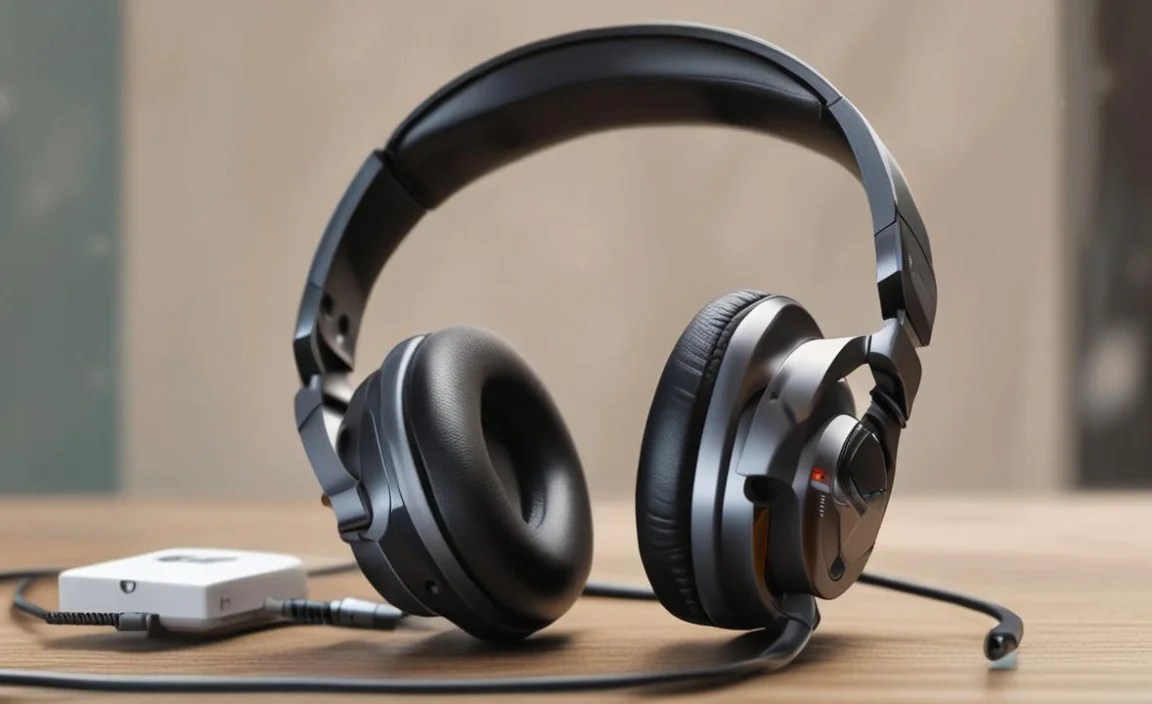
To make your decision easier, here’s a comparison table showcasing how different headphone types might stack up for school use:
| Feature | Durable On-Ear Headphones | Comfortable Over-Ear Headphones | Versatile In-Ear Headphones |
|---|---|---|---|
| Portability | Good | Moderate (Bulkier) | Excellent |
| Comfort (Long Sessions) | Moderate | Excellent | Varies (depends on fit) |
| Passive Noise Isolation | Good | Very Good to Excellent | Good to Excellent (with seal) |
| Sound Quality Potential | Good | Very Good to Excellent | Fair to Good |
| Durability Potential | Good | Good | Moderate (cable is key) |
| Microphone Integration | Common | Common | Very Common |
| Typical Price Range (USD) | $30 – $80 |
