
Quick Summary: Ditch the battery worries and tangled cords! This guide helps you choose and use the best wired headphones for your workouts. Discover comfortable fits, durable designs, and key features to keep your music pumping, from the gym to the trail, ensuring a reliable and enjoyable exercise experience.
Wired Headphones for Working Out: Your Essential Guide
Hey there, audio adventurers! Edward Cavitt from Headphone Horizon here. If your workout means jamming to your favorite tunes, you know how important good headphones are. While wireless options are popular, there’s a special kind of reliability that comes with wired headphones, especially when you’re pushing your limits. No charging needed, no Bluetooth pairing headaches – just pure, uninterrupted sound. This guide is designed to make picking the right wired headphones for your sweat sessions simple and stress-free. We’ll cover everything from finding a secure fit to understanding what makes them workout-proof, so you can focus on your fitness, not your gear.
Why Choose Wired Headphones for Your Workouts?

In a world buzzing with Bluetooth and truly wireless earbuds, wired headphones might seem a bit old-school. But for workouts, they still pack a punch for several compelling reasons:
- No Charging Hassles: Your music stops when your phone (or music player) dies, not because your headphones ran out of juice. This is a lifesaver for long runs or multi-hour gym sessions.
- Unwavering Connection: Forget about dropouts, skipping, or re-pairing. A wired connection is stable and dependable, meaning your soundtrack stays consistent.
- Generally More Affordable: While high-end wired options exist, you can often find excellent performing wired headphones at a lower price point than their wireless counterparts.
- Less Prone to Damage (in some ways): Fewer electronics and no batteries can sometimes mean less to go wrong when exposed to sweat or accidental impacts.
- No Latency Issues: You won’t experience any delay between what you see and what you hear, which is great for workouts with synchronized audio cues or videos.
However, we can’t ignore the most common drawback: the cord. But fear not! We’ll explore how to manage this and find designs that minimize annoyance.
Key Features to Look For in Workout Wired Headphones

Not all wired headphones are created equal, especially when they need to withstand the rigors of physical activity. Here’s what to prioritize:
1. Secure and Comfortable Fit
This is paramount. Headphones that fall out mid-stride or dig into your ears are not only annoying but can be dangerous. Look for:
- Ear Hooks/Wingtips: Many sport-focused wired earbuds feature flexible hooks that go over or around your ear, providing excellent stability. Some also include small silicone “wings” that nestle into the conch of your ear.
- Multiple Eartip Sizes: A good seal is crucial for both comfort and sound quality. Ensure the headphones come with a variety of silicone or foam eartips so you can find the perfect fit for your ear canal.
- Lightweight Design: Heavy headphones can shift and become uncomfortable during movement. Opt for models that feel light in your ears.
2. Durability and Sweat Resistance
Your headphones will inevitably come into contact with sweat, and possibly rain. Look for:
- IP (Ingress Protection) Rating: This is a standardized measure of how well a device is protected against solids (like dust) and liquids. For workouts, aim for at least an IPX4 rating, which means they are protected against splashes of water from any direction. Higher ratings (IPX5, IPX7) offer even greater protection against sweat and rain. You can find more details on IP ratings from organizations like the International Electrotechnical Commission (IEC).
- Robust Construction: Check reviews for comments on material quality. Flexible, durable plastics and reinforced cables are good signs.
3. Cable Management
The cord is the main challenge with wired headphones. Consider:
- Short Cable Options: Some sport earbuds come with shorter cables that are less likely to snag or get in the way.
- Flat Cables: These tend to be less prone to tangling than round cables.
- Clip or Fastening System: Some headphones include a small clip to attach the cable to your clothing, keeping it secure and out of the way.
4. Sound Quality
While you might not need audiophile-grade sound for a spin class, good sound can significantly boost your motivation. Look for:
- Balanced Sound Profile: You want clear mids for vocals, punchy bass to drive your rhythm, and crisp highs for detail.
- Clear Mids and Highs: Especially important for podcasts or audiobooks if you listen to those during workouts.
5. In-line Controls and Microphone
Convenience is key when you’re on the move. Features like:
- Volume Controls: Adjust your music volume without having to pull out your phone.
- Play/Pause/Skip Buttons: Manage your music on the fly.
- Microphone: Take calls between sets or during a cool-down.
Types of Wired Headphones for Workouts

When choosing wired headphones for exercise, you’ll primarily encounter these styles:
In-Ear Monitors (IEMs) / Earbuds
These are the most popular choice for athletes. They fit directly into your ear canal, offering a secure fit (when designed properly for sports) and good noise isolation. For workouts, look for sport-specific IEMs with ear hooks or wingtips.
On-Ear Headphones
These rest on your ears but don’t cover them completely. They can be comfortable for some, but they tend to be larger, heavier, and can slip off during intense activity. Sweat can also be an issue as the earcups can trap moisture.
Over-Ear Headphones
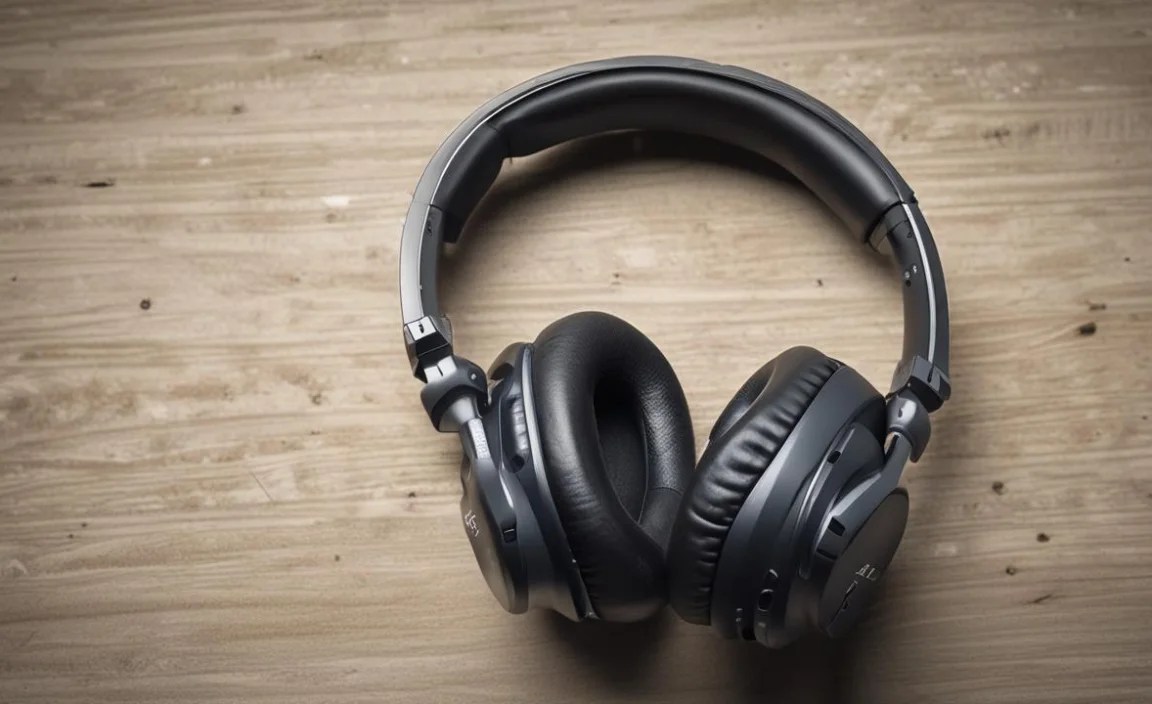
These completely enclose your ears. While offering the best immersion and sound quality for many, they are generally too bulky, hot, and prone to slipping for most workout scenarios. They are best suited for very low-impact activities like stretching or if you’re in a controlled gym environment and moving very little.
For the vast majority of active individuals, in-ear monitors (IEMs) or earbuds designed for sport will be your best bet due to their secure fit, compact size, and sweat resistance.
Choosing Your Perfect Pair: A Step-by-Step Approach

Ready to find those ideal workout companions? Follow these steps:
Step 1: Define Your Activity
What kind of workouts will you be doing? This will influence your priorities.
- Running/Cycling/HIIT: Prioritize a super-secure fit, sweat resistance (IPX4+), and minimal cable interference.
- Weightlifting/Gym Sessions: A secure fit is still important, but cable management might be slightly less critical if you’re staying in one place. Comfort during longer sessions becomes more important.
- Yoga/Pilates/Stretching: Comfort and sound quality might take precedence. A less aggressive fit is acceptable, but you still want them to stay put.
Step 2: Set Your Budget
Wired headphones for workouts can range from budget-friendly options under $20 to premium models over $100. Determine how much you’re willing to spend. Remember, more expensive doesn’t always mean better for your specific needs; focused features are key.
Step 3: Prioritize Fit Features
Go back to the features discussed earlier (ear hooks, wingtips, multiple eartips) and decide which are non-negotiable for you. Read reviews specifically mentioning how well the headphones stay in during intense movement.
Step 4: Check for Sweat Resistance
Ensure the IP rating meets your needs. If you sweat heavily or exercise outdoors in unpredictable weather, aim for IPX5 or higher. For most gym-goers, IPX4 is a solid baseline.
Step 5: Consider Cable Length and Management
Are you sensitive to cables? Look for shorter cables or those with clips. If your device is usually pocketed, a standard length might be fine, but consider how the cable will lay against your body.
Step 6: Read Reviews and Compare Models
Once you have a shortlist of features, it’s time to research. Look for:
- Reputable Brands Known for Sport Audio: Brands like Jabra, Anker (Soundcore), Bose (though often more wireless focused now), Sennheiser, and specialized audio companies often have good options.
- User Reviews: Pay close attention to what other users say about fit, durability, and sound during workouts.
- Professional Reviews: Tech websites and audio blogs can offer detailed insights into performance and build quality.
To help you get started, here’s a comparison of common feature sets:
| Feature | Sports Earbuds (Wired) | Standard Earbuds (Wired) | On-Ear Headphones (Wired) |
|---|---|---|---|
| Fit Security | High (with ear hooks/wings) | Medium (depends on eartips) | Medium (can slip) |
| Sweat Resistance | Often good (IPX4+) | Variable, often low | Variable, can be poor due to pads |
| Portability | Excellent | Excellent | Good |
| Cable Interference | Managed well with design | Can be an issue | Can be an issue |
| Sound Isolation | Good to Excellent | Good to Excellent | Medium |
| Ideal For | Running, HIIT, Gym, Cycling | General listening, light activity | Gym, light cardio (if secure) |
Step 7: Make Your Purchase
Once you’ve done your homework, it’s time to buy! Consider purchasing from retailers with good return policies, just in case the fit isn’t quite right for your unique ears.
Tips for Using Wired Headphones During Your Workout
Even with the best headphones, a little technique can go a long way to ensure a frustration-free experience.
Taming the Cable
This is where most people struggle. Here are some effective methods:
- The “Behind the Head” Wrap: For earbuds, loop the cable behind your head. This can help prevent tugs from pulling them out of your ears.
- Clothing Clip: If your headphones didn’t come with one, a small alligator clip or binder clip attached to your shirt collar or waistband can secure the cable.
- Armband/Pocketing: Keep your music device in a secure pocket or armband. This limits movement of the cable and reduces the chance of snagging.
- Tidy Up Excess Cable: If you have a lot of slack, loop it neatly and secure it with a velcro tie or a hair tie.
Maintaining Your Headphones
Regular care will extend the life of your workout headphones:
- Wipe Down After Each Use: Use a soft, dry cloth to wipe away sweat from the earbuds and cable. For tougher grime, a slightly damp cloth (water only) or an electronic cleaning wipe can be used, but ensure they are dry before storing.
- Clean Eartips: Remove eartips periodically and wash them with mild soap and water. Ensure they are completely dry before reattaching.
- Inspect the Cable: Regularly check the cable for any signs of fraying or damage, especially near the connectors.
- Store Properly: Avoid storing them bunched up in a gym bag. Use a small pouch or wrap them loosely to prevent kinks and damage.
Safety First!
When exercising outdoors, always be aware of your surroundings. Lower your volume or remove one earbud when necessary:
- Listen to Traffic: When running or cycling near roads, ensure you can hear important sounds like car horns, sirens, and bicycle bells.
- Be Aware of Pedestrians and Cyclists: On trails or shared paths, you need to hear people approaching from behind.
- Environmental Sounds: In areas with wildlife or other hazards, maintain situational awareness.
For guidance on safe listening levels, the National Institute on Deafness and Other Communication Disorders (NIDCD) provides valuable information on preventing noise-induced hearing loss. A good rule of thumb is the 60/60 rule: listen at no more than 60% of the maximum volume for no more than 60 minutes at a time.
Troubleshooting Common Issues
Even the best gear can act up sometimes. Here are solutions to common problems:
Issue: One Earbud Not Working
Solutions:
- Check the connection at the headphone jack. Ensure it’s fully inserted.
- Try the headphones with a different device to see if the issue persists.
- Inspect the cable for any visible damage.
- Clean the headphone jack on your device.
- Try wiggling the cable near the jack; if sound returns intermittently, the cable might be damaged.
Issue: Low Volume
Solutions:
- Ensure your device’s volume is turned up sufficiently.
- Make sure the eartips are creating a good seal in your ears. A poor seal can dramatically reduce perceived volume and bass.
- Clean any debris from the speaker mesh on the earbuds.
- Check if any audio enhancement or volume limiting settings are enabled on your device.
Issue: Static or Crackling Sound
Solutions:
- This often indicates a damaged cable or a loose connection. Gently move the cable around to see if the static changes or stops.
- Ensure the headphone jack is clean on both your headphones and your device.
- If the issue persists, it’s likely a sign of internal cable damage.
Issue: Earbuds Keep Falling Out
Solutions:
- Experiment with the different eartip sizes provided.
- Ensure you are using the correct ear fitment (e.g., ear hooks are properly positioned around your ears).
- Try foam eartips, which can sometimes offer a more secure grip than silicone.
- Consider a different model designed with more aggressive sport features if this one consistently fails to stay put.
Frequently Asked Questions (FAQ)
Q1: Are wired headphones better than wireless for workouts?
For workouts, wired headphones offer superior reliability in terms of connection stability and battery life. They don’t require charging and won’t suffer from Bluetooth dropouts. However, wireless headphones offer greater freedom of movement. The “better” choice often comes down to personal preference and the specific demands of your activity.
Q2: How do I stop my wired workout earbuds from falling out?
The key is a secure fit. Ensure you’re using the correct eartip size for a snug seal. Many sport earbuds also come with ear hooks or wingtips designed to grip your ears during movement. Experiment with how you orient the cable, such as looping it behind your head and clipping it to your shirt.
Q3: What does the IPX rating mean for sweat resistance?
An IP rating (Ingress Protection) indicates how well a device is protected against foreign objects (like dust) and moisture. For workouts, you’ll see ratings like IPX4, IPX5, or IPX7. An IPX4 rating means the headphones can withstand splashes from any direction, which is generally sufficient for sweat. Higher ratings offer even more protection against water.
Q4: Can I use regular wired earbuds for running?
You can, but they might not be ideal. Standard earbuds might not fit securely enough and can be prone to falling out. They also may not have adequate sweat resistance. Sport-specific wired earbuds are designed with these challenges in mind. If you do use regular earbuds, be sure they fit snugly, and be mindful of sweat buildup.
Q5: How do I clean wired headphones used for exercising?
After each workout, wipe the earbuds and cable with a dry, soft cloth to remove sweat and dirt. For more thorough cleaning, remove the eartips and wash them gently with mild soap and water, ensuring they are fully dry before reatt
