
Quick Summary: Discover the best wireless noise-cancelling headphones to enjoy your audio without distractions. This guide helps beginners understand key features, choose the perfect pair for their needs, and enjoy immersive sound effortlessly.
Hey everyone, Edward Cavitt here from headphonehorizon! Ever feel like the world’s volume knob is just a little too high? Whether you’re trying to focus on a podcast during your commute, lose yourself in a favorite album, or simply find a moment of peace on a busy flight, unwanted noise can really get in the way. That’s where the magic of wireless noise-cancelling headphones comes in. They’re like your personal mute button for the outside world, letting you dive deep into pure sound. If you’re new to this amazing tech, don’t worry! I’m here to break down exactly what to look for and how to find the perfect pair to make your listening experience truly essential.
Why Wireless Noise-Cancelling Headphones Are a Game-Changer

Imagine this: you’re on a bustling train, trying to listen to an audiobook, but all you hear is the rumble of the tracks and chatter around you. Suddenly, you slip on a pair of wireless noise-cancelling headphones, and… silence. Not absolute silence, but a significant reduction in that distracting background hum.
This technology analyzes the ambient noise and creates an opposite sound wave to effectively cancel it out. It’s like having a quiet oasis wherever you go. For anyone who travels frequently, works in a noisy environment, or simply wants to escape into their audio, these headphones are not just a luxury – they’re essential.
The “wireless” aspect adds another layer of freedom. No more tangled cords to worry about. You can move freely, dance like no one’s watching (even if they are!), or just enjoy the convenience of not being tethered to your device. It’s a seamless integration of fantastic sound and everyday practicality. This guide will walk you through everything you need to know to make an informed decision.
Understanding the Core Features: What to Look For

When you first start looking at wireless noise-cancelling headphones, it can seem a bit overwhelming with all the tech talk. But don’t sweat it! Let’s break down the most important things to keep an eye on:
Active Noise Cancellation (ANC) Levels
This is the star of the show. ANC works by using microphones to detect ambient sounds and then generates an “anti-sound” wave to cancel them out. Not all ANC is created equal, though. Some headphones offer:
- Adaptive ANC: This is the smartest kind. It automatically adjusts the level of noise cancellation based on your surroundings.
- Adjustable ANC: Some headphones let you manually choose the intensity of the noise cancellation, so you can dial it up or down as needed.
- Transparency/Ambient Mode: This is the opposite of ANC. It uses the microphones to let you hear your surroundings without taking off your headphones. Great for quick conversations or hearing announcements.
Sound Quality
Even with the best ANC, if the sound itself isn’t great, what’s the point? Look for headphones that offer clear highs, rich mids, and balanced bass. Many brands use specific audio codecs (like aptX or LDAC) for better wireless audio quality, but for everyday listening, most modern wireless headphones offer a pleasing experience. Consider what kind of music you listen to most and if you prefer a more neutral or a bass-heavy sound profile.
Comfort and Fit
You’re going to be wearing these for extended periods, so comfort is paramount. Think about:
- Earcup Material: Plush memory foam, soft leatherette, or breathable fabric can make a big difference.
- Headband Padding: Ensure it’s comfortable and doesn’t create pressure points.
- Weight: Lighter headphones tend to be more comfortable for long sessions.
- Clamping Force: The headphones should be snug enough to stay on but not so tight that they cause discomfort.
Battery Life
This is crucial for wireless headphones. Most good pairs offer anywhere from 20 to 40 hours of playback on a single charge with ANC on. Some even offer quick charging, giving you several hours of listening from just a few minutes of charging. Look for a battery life that suits your lifestyle – if you’re a frequent traveler, you’ll want those longer battery figures!
Connectivity and Controls
Most wireless headphones use Bluetooth. Look for the latest Bluetooth version (like 5.0 or higher) for a more stable connection and better power efficiency. Controls can be physical buttons or touch-sensitive panels on the earcups. Many headphones also have companion apps that allow you to customize EQ settings, ANC levels, and button functions.
Step-by-Step Guide: Choosing Your Perfect Pair
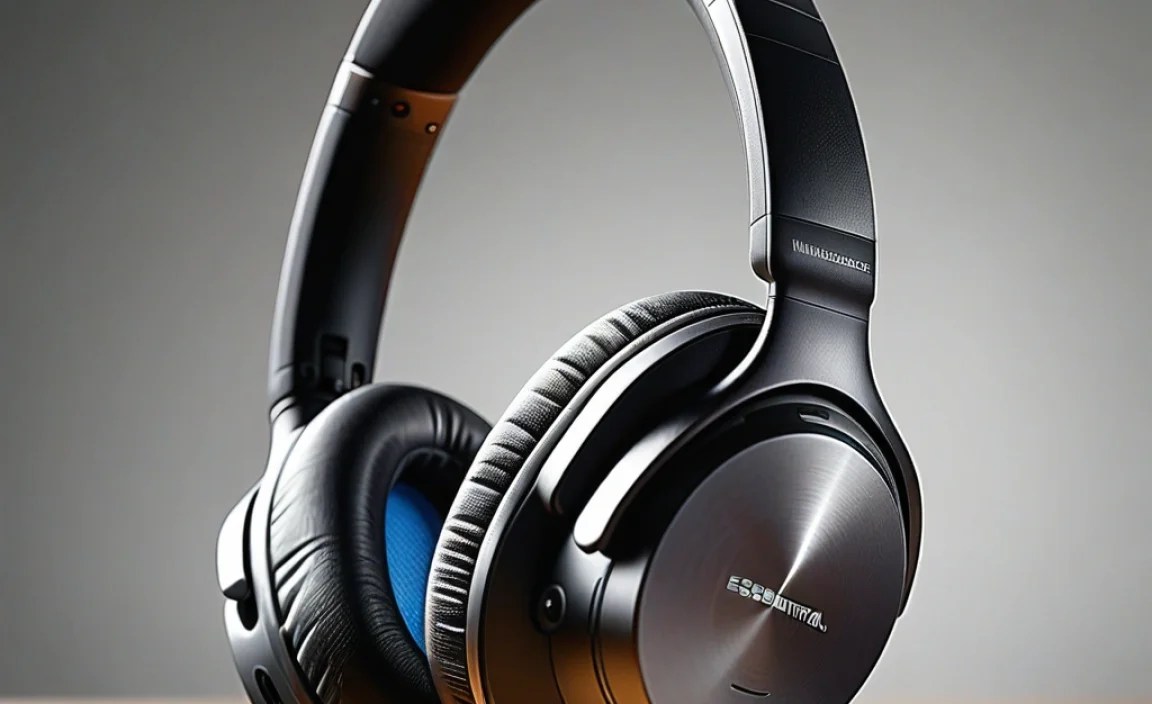
Ready to find your sonic sanctuary? Let’s walk through the process:
Step 1: Define Your Primary Use Case
Before you even start browsing, ask yourself: “What will I use these headphones for most often?”
- Commuting/Travel: You’ll want excellent ANC to block out engine noise, chatter, and general din. Comfort and long battery life are also key.
- Work/Study: Focus is the goal here. Strong ANC to minimize distractions in a busy office or library, and good microphone quality if you take calls.
- Home Listening: While ANC is still great, sound quality might take a higher priority if you’re not battling external noise constantly. Comfort for long sessions is a must.
- Fitness: For workouts, look for headphones that are sweat-resistant and have a secure fit. Active noise cancellation might be less important, and transparency mode could be more useful.
Step 2: Set Your Budget
Wireless noise-cancelling headphones range from budget-friendly options to premium models that cost several hundred dollars. Generally:
- Entry-Level ($50 – $150): You can find decent ANC and respectable sound quality, but don’t expect top-tier performance in either.
- Mid-Range ($150 – $300): This is where many of the best value options lie, offering a great balance of effective ANC, good sound, and comfort.
- Premium ($300+): These usually boast the most advanced ANC, superior sound fidelity, premium materials, and often more features.
Step 3: Research Top Brands and Models
Once you know your needs and budget, it’s time to explore. Some of the most reputable brands in the wireless noise-cancelling headphone space include:
- Sony: Consistently praised for industry-leading ANC and excellent sound quality.
- Bose: A long-time leader known for its comfortable design and effective, natural-sounding noise cancellation.
- Sennheiser: Renowned for audiophile-grade sound, often with robust ANC.
- Apple: AirPods Max offer superb integration for Apple users and strong ANC. AirPods Pro are a great TWS (True Wireless Stereo) option.
- Sennheiser: Renowned for audiophile-grade sound, often with robust ANC.
- Sennheiser: Renowned for audiophile-grade sound, often with robust ANC.
- Sennheiser: Renowned for audiophile-grade sound, often with robust ANC.
- Jabra: Known for durable designs, good call quality, and solid ANC.
- Skullcandy: Often offers a more budget-friendly entry with stylish designs and decent ANC.
Look for reviews from trusted tech sites and also consumer reviews to get a well-rounded picture. Websites like Rtings.com (which provides in-depth, objective reviews and comparisons of headphones) and publications like Consumer Reports can be invaluable resources.
Step 4: Compare Key Specifications
Now, let’s get specific. Here’s a comparison table of some popular categories. Remember that models and specs change, so always check the latest versions!
| Feature | Entry-Level Examples | Mid-Range Champions | Premium Picks |
|---|---|---|---|
| ANC Effectiveness | Good for low-frequency hums (e.g., engine noise). | Excellent, handles a wide range of sounds effectively. | Industry-leading, near-silent experience for most sounds. |
| Sound Quality | Pleasant, but can lack detail or be bass-heavy. | Clear, balanced, good detail across frequencies. | Audiophile-grade, nuanced, accurate. |
| Battery Life (ANC On) | 15-25 hours | 25-40 hours | 30-40 hours with advanced features. |
| Comfort | Decent, but materials might feel less premium. | Very comfortable, plush earcups, good weight distribution. | Exceptional comfort, premium materials, superior ergonomics. |
| Microphone Quality | Basic, can struggle in noisy environments. | Good, reliable for most calls. | Excellent, excellent noise reduction for voice. |
Step 5: Prioritize Comfort and Fit (Try Before You Buy If Possible!)
This step is crucial. If headphones aren’t comfortable, you won’t want to wear them, no matter how good the sound or ANC. If you can, visit an electronics store and try on a few different models. Pay attention to:
- Do the earcups completely surround your ears (over-ear) or sit on them (on-ear)? Over-ear is generally more comfortable for long listening sessions.
- Is the headband padded and adjustable?
- Do they squeeze your head too much or feel too loose?
- Are the materials soft and breathable?
If you’re buying online, check the return policy. Many retailers offer a generous return window, allowing you to try them at home in your own environment.
Step 6: Check Connectivity and Controls
Ensure the headphones support Bluetooth multipoint, which allows you to connect to two devices simultaneously (e.g., your phone and laptop). This is incredibly useful for switching between calls and music. Also, familiarize yourself with how the controls work – are they intuitive for you?
Step 7: Read Reviews and Watch Video Comparisons
Now that you’ve narrowed down your choices, dive into in-depth reviews and video comparisons. Look for reviews that specifically test:
- ANC performance in various environments.
- Sound profiles for different music genres.
- Call quality in noisy and quiet settings.
- Battery life under real-world conditions.
- Comfort over extended listening periods.
Seeing and hearing (through reviewers’ descriptions) how headphones perform in real-world scenarios can be incredibly helpful.
Beyond the Basics: Advanced Features and Considerations
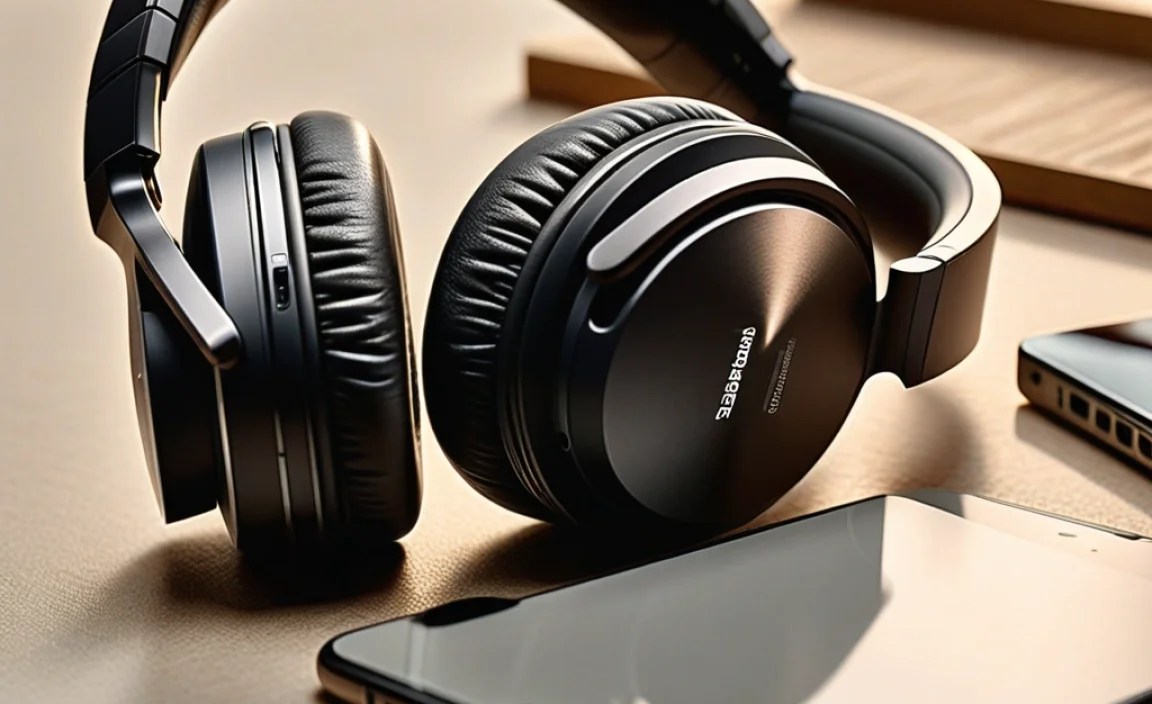
Once you’ve got the fundamentals down, you might want to consider these additional goodies that can elevate your headphone experience:
Water and Sweat Resistance (IP Rating)
If you plan on using your headphones for workouts or in humid environments, look for an IP rating. An IPX4 rating, for example, means they can withstand splashes of water from any direction. While not all noise-cancelling headphones are designed for intense workouts, checking this can give you peace of mind for everyday use.
Voice Assistant Integration
Many headphones come with built-in support for voice assistants like Google Assistant, Siri, or Alexa. This allows you to control your music, get directions, send messages, and more, all with voice commands.
Companion Apps and Customization
Most major brands offer dedicated apps for their headphones. These apps are fantastic for:
- Adjusting the intensity of Active Noise Cancellation.
- Customizing the equalizer (EQ) to tailor the sound to your preferences.
- Updating firmware for new features and bug fixes.
- Managing Bluetooth connections and multipoint settings.
- Customizing touch control functions.
Codec Support (For the Audio Enthusiast)
For those who are really particular about wireless audio fidelity, codecs matter. Bluetooth transmits audio as compressed data. Different codecs offer different levels of compression and therefore, different sound quality.
- SBC/AAC: Standard codecs, widely compatible. AAC is what Apple devices use for good quality.
- aptX/aptX HD/aptX Adaptive: Qualcomm’s codecs, often found on Android devices, offering higher quality than SBC.
- LDAC: Sony’s high-resolution audio codec, capable of transmitting much more data for near-wired quality, but requires compatible devices.
For most beginners, focusing on the overall sound quality described in reviews is more important than diving deep into codec specifics, as modern implementations of standard codecs are already very good.
Essential Maintenance for Longevity
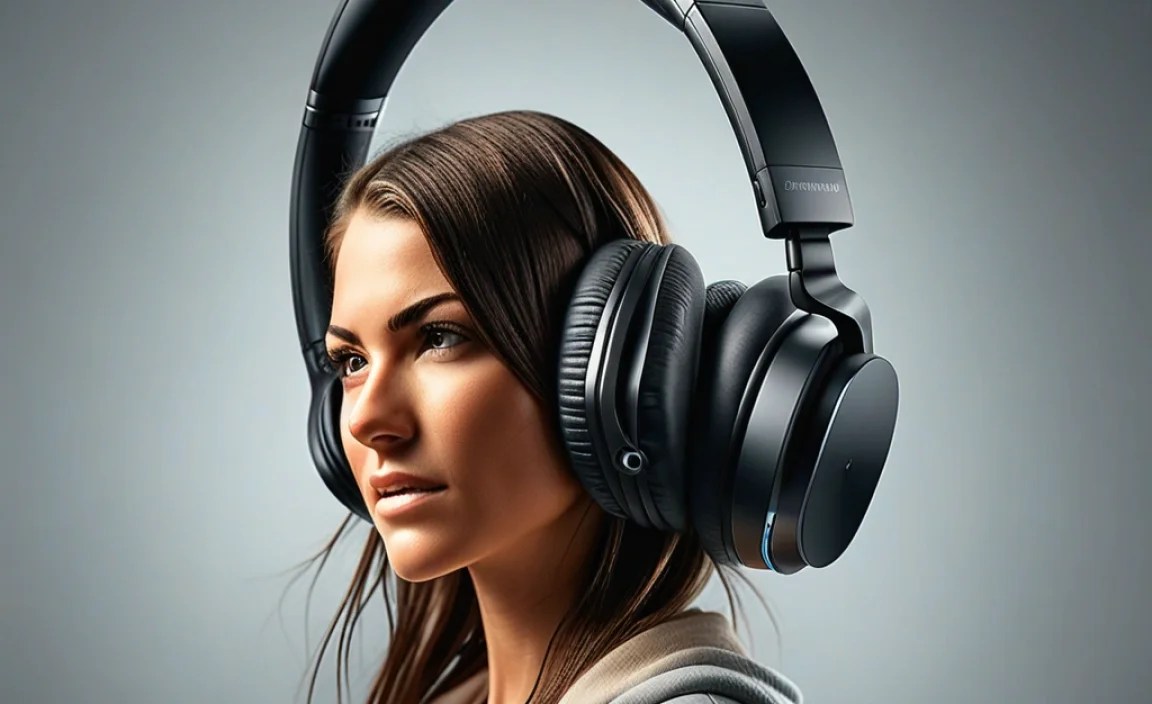
Just like any piece of gear, a little care goes a long way in keeping your wireless noise-cancelling headphones sounding great and lasting for years.
Cleaning Your Headphones
This helps maintain sound quality and hygiene.
- Earcups and Headband: Use a slightly damp, soft, lint-free cloth. For tough spots, you can use mild soap and water, but ensure the cloth is only slightly damp and never let water seep into the drivers. If you have removable earpads (common on over-ear headphones), you can often wash them according to manufacturer instructions – usually by hand with mild soap and water, then air-drying completely.
- Grills and Ports: Use a dry, soft brush (like a clean toothbrush or a makeup brush) to gently remove dust and debris from speaker grills and charging ports. Never use liquids here.
- Exterior Casing: A simple wipe with a soft, dry cloth is usually sufficient.
Storing Your Headphones
Proper storage prevents damage:
- Use the Included Case: Most premium headphones come with a protective carrying case. Always use it when traveling.
- Avoid Extreme Temperatures: Don’t leave your headphones in a hot car or a freezing environment.
- Keep Them Away from Liquids and Dust: Store them in a dry place when not in use.
Battery Care
While modern lithium-ion batteries are quite robust, here are a few tips:
- Avoid Complete Drains: Try not to let the battery fully die regularly.
- Don’t Overcharge Constantly: Modern devices have overcharge protection, but it’s generally good practice to unplug them once fully charged, especially if leaving them plugged in for days on end.
- Charge with Quality Equipment: Use the provided charging cable and a reputable power adapter.
Frequently Asked Questions (FAQ)
Q1: What does “Active Noise Cancellation” actually do?
A1: Active Noise Cancellation (ANC) uses tiny microphones to listen to the sounds around you. It then creates an opposite sound wave to cancel out most of that ambient noise, making it quieter for you to hear your music, podcasts, or just enjoy the silence.
Q2: Are all wireless noise-cancelling headphones good for phone calls?
A2: Not necessarily. While many have good microphones, some are better than others, especially in noisy environments. If call quality is important, look for models that specifically mention advanced microphone systems for voice clarity in their descriptions or reviews.
Q3: How long should my wireless noise-cancelling headphones last on a single charge?
A3: Battery life varies, but most popular wireless noise-cancelling headphones offer between 20 to 40 hours of playback with ANC turned on. Some can last even longer. Check the product specifications for precise figures.
Q4: Can I use my wireless noise-cancelling headphones while they are charging?
A4: Typically, yes. Most headphones allow you to listen to them while they are plugged in and charging, although some very old or basic models might not support this. It’s convenient for long listening sessions where you might run out of battery.
Q5: Do I need special software to use wireless noise-cancelling headphones?
A5: No! For basic listening, you just need a device with Bluetooth. Many headphones come with companion apps that offer extra customization (like EQ or ANC levels), but these are usually optional and not required for them to function. You can find more information on Bluetooth technology and its uses from resources like the official Bluetooth website.
