
Ready to level up your gaming? This guide to the wireless gaming headphones best choices will help you discover options that offer freedom, immersive sound, and clear communication without the tangle of wires. We break down what to look for, key features, and how to find your perfect audio companion for an unbeatable gaming experience.
Hey everyone, Edward Cavitt here from headphonehorizon! For many of us, gaming is more than just a pastime; it’s a way to connect, compete, and get lost in incredible worlds. And let’s be honest, nothing throws you out of that immersive experience faster than a tangled wire or a sudden loss of sound. That’s where the magic of wireless gaming headphones comes in.
They offer the freedom to move, the clarity to hear every footstep, and the convenience that truly elevates your gameplay. But with so many options out there, how do you pick the wireless gaming headphones best suited for you? Don’t worry, I’m here to make that choice simple and stress-free!
Why Go Wireless for Your Gaming Setup?
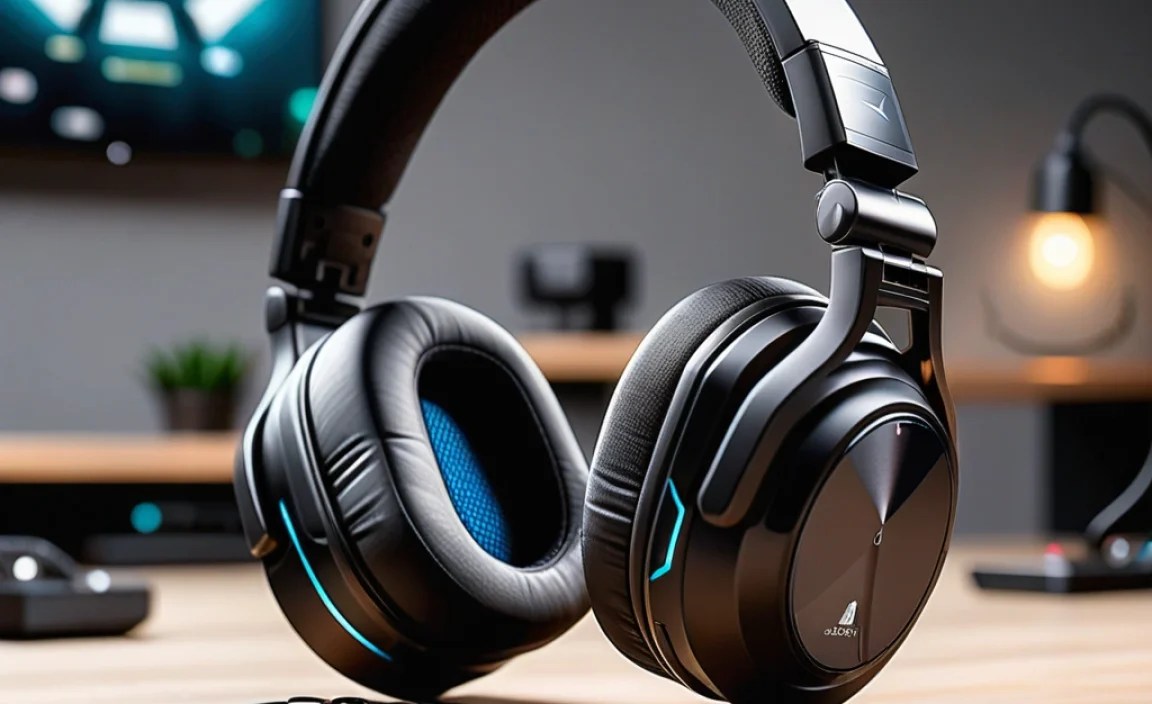
The appeal of wireless gaming headphones is pretty straightforward: no more tripping over cords, no more limited range, and a cleaner, more organized gaming space. But beyond the convenience, modern wireless technology brings a host of benefits that directly impact your gaming performance and enjoyment.
We’re talking about ultra-low latency (meaning your audio syncs perfectly with the on-screen action), superior comfort for those marathon gaming sessions, and sophisticated audio profiles that can give you a competitive edge. For anyone looking to fully immerse themselves in the game, or even enhance their communication with teammates, the jump to wireless is a significant upgrade.
Understanding the Key Features of Wireless Gaming Headphones

When you’re looking for the wireless gaming headphones best for your needs, several key features stand out. These are the building blocks of a great gaming audio experience:
1. Wireless Connectivity: The Backbone of Freedom
This is the most obvious feature, but it’s worth understanding the different types:
- 2.4GHz Wireless: This is the most common and, for gamers, usually the best option. It uses a USB dongle that plugs into your PC or console. It offers a robust, low-latency connection, which is crucial for gaming where milliseconds matter. Think of it as a dedicated, high-speed lane for your audio.
- Bluetooth: While convenient for general use and connecting to mobile devices, standard Bluetooth can sometimes have noticeable lag (latency). Some newer Bluetooth versions and headphones are better, with low-latency codecs (like aptX Low Latency), but for serious gaming, 2.4GHz is often preferred.
2. Audio Quality and Immersion: Hear Every Detail
This is where the magic happens. You want headphones that don’t just reproduce sound but bring your game world to life.
- Driver Size: Larger drivers (typically 40mm to 50mm) generally produce a fuller, more powerful sound with better bass response.
- Frequency Response: This indicates the range of sounds the headphones can produce. A wider range (e.g., 20Hz – 20kHz) is standard, but look for headphones that emphasize clarity in mid and high frequencies for clear dialogue and precise sound cues.
- Surround Sound: Many gaming headphones boast virtual surround sound technologies (like Dolby Atmos, DTS Headphone:X, or proprietary 7.1 solutions). This can simulate sound coming from different directions, helping you pinpoint enemy locations. Note that the effectiveness can vary per headset and game.
3. Microphone Quality: Your Voice, Crystal Clear
If you play multiplayer games, a good microphone is non-negotiable for effective team communication. Look for:
- Clear Voice Pickup: The mic should capture your voice without excessive background noise.
- Noise Cancellation: Many gaming mics have built-in noise cancellation to filter out keyboard clicks, fan noise, or ambient room sounds.
- Detachable or Retractable Mics: Often a nice feature for when you’re using the headphones for other purposes or just want them out of the way.
4. Comfort and Design: For Long Gaming Sessions
You’ll be wearing these for extended periods, so comfort is paramount.
- Earcup Material: Plush memory foam or breathable fabric can make a huge difference in comfort, preventing heat buildup and pressure.
- Headband Adjustability: A well-padded and adjustable headband ensures a good fit without feeling too tight.
- Weight: Lighter headphones are generally more comfortable over long sessions.
- Build Quality: Durable materials mean your investment will last.
5. Battery Life: Powering Your Wins
Nobody wants their headset to die mid-match. Check the advertised battery life. Most good wireless gaming headphones offer anywhere from 15 to 30+ hours on a single charge. Some also support quick charging, which can be a lifesaver.
6. Compatibility: What Devices Will It Work With?
Ensure the headphones are compatible with your primary gaming platform(s) – PC, PlayStation, Xbox, Nintendo Switch, or even mobile devices. Some wireless dongles are plug-and-play with multiple platforms, while others are specific.
How to Choose Your Perfect Wireless Gaming Headphones: A Step-by-Step Guide

Let’s walk through the process of selecting the wireless gaming headphones best suited for your gaming style and budget. Think of this as your personal checklist!
Step 1: Define Your Budget
Wireless gaming headphones range from around $50 to over $300. Knowing your budget upfront will help you narrow down your options significantly. For a good balance of features, performance, and comfort, many users find their sweet spot in the $100-$200 range.
Step 2: Prioritize Your Needs
What’s most important to you?
- Sound Immersion: If you’re all about feeling every explosion and subtle environmental cue, focus on audio quality and surround sound.
- Competitive Edge: For esports or competitive play, low latency and a clear microphone are top priorities.
- Comfort: If you game for hours on end, comfort features like memory foam earcups and a lightweight design are essential.
- Multi-Platform Use: If you switch between PC and console often, look for versatile connectivity options.
Step 3: Research Connection Types
As discussed, 2.4GHz wireless with a USB dongle is generally king for low-latency gaming. If you need to connect to multiple devices easily, including phones without dedicated dongles, consider models that offer both 2.4GHz and Bluetooth. For a deeper dive into connection speeds and reliability, resources like How-To Geek’s guide on wireless headphones offer excellent insights into the underlying technologies.
Step 4: Read Reviews and Watch Comparisons
Once you have a few models in mind, dive into professional reviews and user feedback. Look for common themes regarding audio performance, microphone clarity, comfort, and battery life. Videos can be particularly helpful for seeing the headphones in action and getting a feel for their size and build.
Step 5: Consider Compatibility with Your Devices
Double-check that the headphones and their included dongle or wireless technology will work seamlessly with your gaming system. For instance, some Xbox wireless headsets connect directly to the console without a dongle, while others require a USB adapter for PC use.
Top Features to Look For in Gaming Headsets (A Quick Checklist)

Here’s a handy table to quickly compare key features when you’re browsing:
| Feature | Ideal for Gamers Seeking | What to Look For |
|---|---|---|
| Wireless Connectivity | Zero lag, freedom of movement | 2.4GHz USB Dongle (low latency); Check Bluetooth version for mobile needs |
| Audio Fidelity | Immersive sound, precise audio cues | Large drivers (40-50mm), clear highs/mids, impactful lows, virtual surround options |
| Microphone Clarity | Clear team communication, minimal background noise | Noise-canceling, good pickup pattern, mute switch |
| Comfort & Design | Long gaming sessions without fatigue | Memory foam earcups, adjustable padded headband, lightweight build |
| Battery Life | Uninterrupted gameplay | Advertised hours (15-30+ is good), quick charge support |
| Platform Compatibility | Seamless connection to all your gaming devices | Check headset specs for PC, PS, Xbox, Switch compatibility |
Wireless Gaming Headphone Buyer’s Guide: What to Expect at Different Price Points
The wireless gaming headphones best for you often depends on your investment. Here’s a general breakdown:
Budget-Friendly ($50 – $100)
At this price, you can expect respectable sound quality, decent comfort, and reliable 2.4GHz wireless. Microphones might be serviceable but less refined. Battery life is usually good. These are excellent entry points for those new to wireless gaming.
Mid-Range ($100 – $200)
As you move into this segment, expect significant improvements. Better audio drivers for richer sound, more comfortable and durable materials, advanced microphone technology with noise cancellation, and longer battery life. Virtual surround sound features become more common and effective here. This is a sweet spot for most casual to enthusiast gamers.
Premium ($200+)
In the premium tier, you’re getting the best of the best. Top-tier audio drivers, high-fidelity wireless with near-zero latency, incredibly comfortable and premium materials (like leather, cooling fabrics), advanced microphone arrays, and extended, rapid charging battery life. These often feature the most sophisticated virtual surround sound and superior build quality.
Popular Wireless Gaming Headphone Technologies to Know
Beyond the basics, certain technologies often appear in higher-end or specific headsets. Understanding them can help you make a more informed choice:
- DTS Headphone:X v2.0: A popular virtual surround sound technology known for its immersive 7.1 channel and rich, deep 3D audio experience. It’s designed to be highly accurate, helping gamers discern the direction, distance, and origin of sounds.
- Dolby Atmos for Headphones: This offers a more object-based audio experience, meaning sound can be placed and moved precisely around you in 3D space, not just around a 7.1 channel setup. It’s available on PC and Xbox and is often a paid feature that requires software activation, but the immersion can be phenomenal.
- 2.4GHz RF Dongles: These are the workhorses. They create a direct, high-bandwidth, low-latency link between the headset and your device, ensuring that game audio is delivered almost instantaneously.
- KleerNet Technology: Some manufacturers use their proprietary wireless protocols (similar to 2.4GHz RF) designed for uncompressed, high-fidelity audio with minimal latency.
For more on audio technologies and their impact, the Audiology World website offers detailed, though more technical, explanations of sound reproduction principles that apply to any speaker, including those in headphones.
Putting Your Wireless Gaming Headphones to the Test
Once you’ve made your purchase, here’s how to ensure you’re getting the most out of them:
- Charge Them Fully: Always start with a full charge for uninterrupted gaming.
- Install Software/Drivers: Many headsets come with companion software that allows you to customize EQ settings, microphone levels, and surround sound profiles. Don’t skip this step!
- Test the Microphone: Use in-game voice chat or a voice recorder app to test your mic’s clarity and adjust settings as needed.
- Experiment with Surround Sound: Try different virtual surround sound settings or turn it off completely to see what you prefer for different games. Some games have native support for certain surround technologies, which can be even better.
- Adjust EQ Settings: Tweak the equalizer to boost bass for explosions, enhance mids for dialogue, or sharpen highs for footsteps, depending on your preference.
Troubleshooting Common Wireless Headphone Issues
Even the best gear can sometimes act up. Here are quick fixes for common problems:
- No Sound:
- Ensure the headset is powered on and charged.
- Check that it’s selected as the correct audio output device in your system’s sound settings.
- Reconnect the wireless dongle or re-pair via Bluetooth.
- Try a different USB port or device.
- Audio Lag/Stuttering:
- Ensure you are within the optimal range of the wireless dongle.
- Minimize interference from other wireless devices (microwaves, other 2.4GHz devices).
- Update headset firmware or drivers.
- Microphone Not Working:
- Verify the mic is not muted (physical button or software).
- Check that the microphone is selected as the input device in your system settings
- Ensure the mic is properly connected (if detachable) or not obstructed.
- Poor Battery Life:
- Ensure the headset is fully charged initially.
- Reduce brightness on any LED lights.
- Check if background audio or active noise cancellation (if applicable) is draining power faster.
Frequently Asked Questions (FAQ)
Q1: Is wireless latency really an issue for gaming?
For most wireless gaming headphones using 2.4GHz technology, latency is extremely low, often imperceptible to the human ear. This is significantly better than standard Bluetooth, which can have noticeable delay. For competitive gaming where split-second reactions matter, a 2.4GHz connection is usually considered the best choice.
Q2: Can I use my wireless gaming headphones with my phone?
It depends on the headphones. If they have Bluetooth connectivity in addition to their 2.4GHz dongle, you can typically connect them to your phone. If they only use a proprietary 2.4GHz dongle, they will likely only work with devices that have a compatible USB port.
Q3: How do I know if my wireless headphones are compatible with Xbox Series X/S or PS5?
Always check the product specifications. Some headsets come with a USB dongle that works with both PC and PlayStation. For Xbox, some headsets offer direct wireless connection to the console, while others might require a USB adapter or utilize Bluetooth (which is less common for primary gaming on Xbox). PC compatibility is generally very good across the board with USB dongles.
Q4: Do I need to buy a separate headset adapter for my console?
For wireless headsets, this is usually built into the headset itself or provided as a USB dongle that plugs into the console. You generally don’t need to buy an additional adapter unless the headset specifically states otherwise, or if you’re trying to use a Bluetooth headset with older consoles that don’t support it natively.
Q5: What does “virtual surround sound” mean for gaming?
Virtual surround sound simulates the effect of having multiple speakers around you, creating a 3D soundscape. This can help you pinpoint enemy locations by hearing footsteps or gunfire from different directions. While it’s not true surround sound, technologies like Dolby Atmos and DTS Headphone:X offer a convincing and often advantageous effect for gamers.
Q6: How important is microphone quality compared to audio quality for gaming headsets?
Both are crucial, but their importance can vary based on your gaming habits. If you play a lot of team-based multiplayer games, a clear, noise-canceling microphone is vital for effective communication. If you’re a solo player or prefer text chat, then audio fidelity and immersion might take priority. For competitive play, both are equally important for strategy and coordination.
Q7: Can I use these headphones for music or movies, not just gaming?
Absolutely! While designed with gaming in mind, most good wireless gaming headphones offer excellent audio quality that translates well to listening to music or watching movies. You might even find that their enhanced bass and clear sound detail make these other media more enjoyable. You can often adjust EQ settings to tailor the sound for music if the default gaming profile isn’t quite
