
Quick Summary: Elevate your Xbox gaming with a wireless headphone! Enjoy immersive sound, freedom of movement, and crystal-clear communication without tangled wires. This guide breaks down how to choose and set up the perfect wireless headset for an essential gaming upgrade.
Hey everyone, Edward Cavitt here from headphonehorizon! Ever find yourself tangled in a mess of wires while battling it out in your favorite Xbox game? Or maybe you’ve struggled to hear crucial in-game audio cues that could mean the difference between victory and defeat? A wireless headphone for Xbox is more than just a convenience; it’s a game-changer. It frees you from the constraints of cords, allowing you to lean back, move around, and truly immerse yourself in the game’s world. Plus, clear communication with teammates is a must, and wireless headsets make that seamless. If you’re looking to level up your gaming experience, ditching the wires is one of the smartest, easiest upgrades you can make.
Why Go Wireless with Your Xbox Headset?
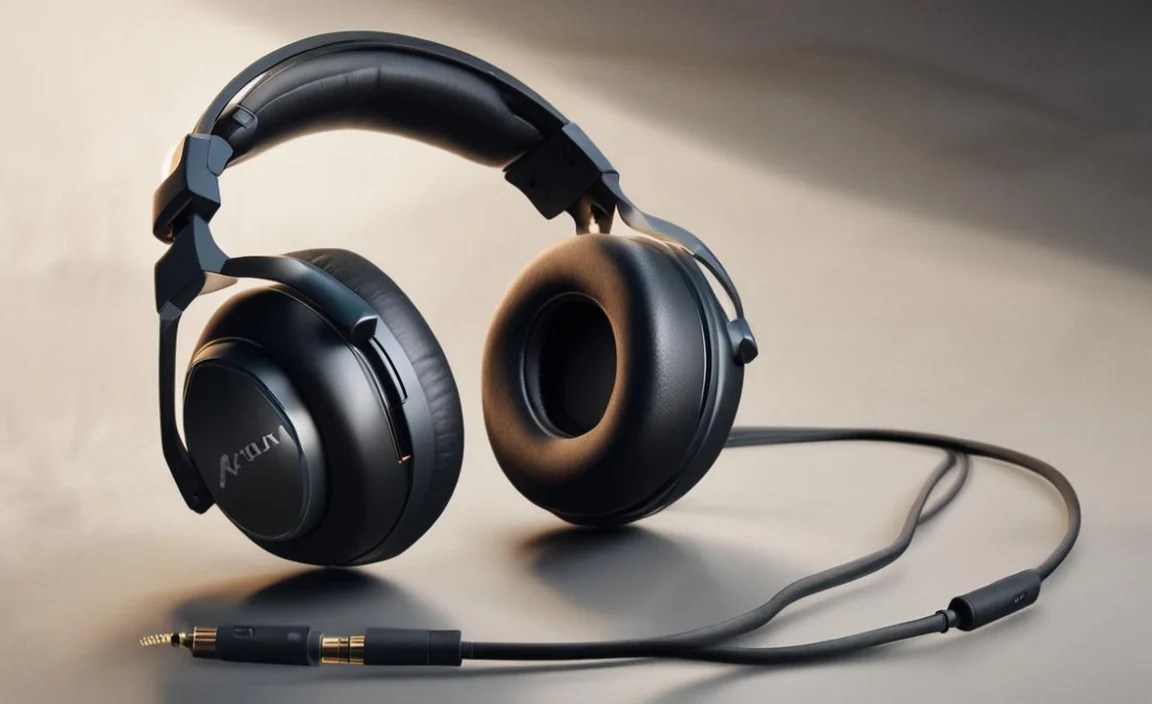
Let’s be honest, wires can be a real buzzkill. They limit your movement, get snagged on furniture, and can even be a tripping hazard. With a wireless headset, you gain unparalleled freedom. Imagine being able to grab a drink or answer the door without disconnecting your audio, all while staying fully immersed in your game. That freedom translates to a more comfortable and engaging gaming session, especially for those longer playtimes.
Unleash True Immersion
One of the biggest draws of a good wireless headset is the immersive audio experience. High-quality drivers can bring the game world to life with rich soundscapes, pinpoint directional audio, and powerful bass. Hearing the footsteps of an approaching enemy or the roar of an engine can dramatically enhance your gameplay and enjoyment. Wireless technology ensures that these crucial audio details reach your ears without interruption or delay.
Crystal-Clear Communication
Multiplayer gaming is all about teamwork, and effective communication is key. A wireless Xbox headset with a good microphone means your squadmates will hear you loud and clear, and you’ll be able to coordinate strategies effortlessly. No more shouting across the room or muffled, crackly comms. Seamless voice chat allows for precise callouts, leading to better teamwork and more wins.
Comfort and Convenience
Beyond the audio and communication benefits, wireless headsets are simply more comfortable. The absence of a cable means no more wrestling with tangled wires or worrying about where to plug them in. You can position yourself perfectly on the couch, move freely, and generally enjoy a more relaxed and focused gaming environment. Many wireless models also offer plush earcups and adjustable headbands for extended wear.
Choosing the Right Wireless Headphone for Xbox

With so many options out there, picking the perfect wireless headset for your Xbox can feel a bit overwhelming. Don’t worry, we’ll break down the key things to consider:
Connectivity Options: How Does it Connect?
This is the most crucial factor when choosing a wireless headset for your Xbox. There are generally two main ways wireless headsets connect to an Xbox console:
- Xbox Wireless (Proprietary): These headsets connect directly to your Xbox console using Microsoft’s own wireless protocol. It’s similar to how your Xbox controller connects – no extra dongles needed! Just pair the headset, and you’re good to go. This is often the most seamless and reliable method for Xbox.
- 3.5mm Audio Jack with Wireless Dongle: Some headsets use a USB wireless dongle that plugs into your Xbox. This dongle creates its own connection. While they might offer broader compatibility with other devices (like PCs), they require an extra port and the dongle itself. Some even use a combination, offering both direct Xbox Wireless and a dongle option.
Always check the product description to confirm its compatibility. Headsets specifically marketed as “Xbox Wireless” will connect directly without issues. For other wireless headsets, verify if they use a USB dongle that’s compatible with Xbox consoles or if they rely on Bluetooth (which is generally NOT supported for direct Xbox audio streaming).
Audio Quality: What Will You Hear?
This is where personal preference and budget come into play. You want a headset that delivers sound faithfully, whether it’s the delicate rustle of leaves or the intense explosion of a grenade.
- Drivers: These are the speakers inside the earcups. Larger drivers (e.g., 50mm) often produce a richer, more powerful sound.
- Frequency Response: This indicates the range of sounds the headset can reproduce, typically measured in Hz. A wider range (e.g., 20Hz–20kHz) generally means more detail across bass, mids, and highs.
- Surround Sound: Many gaming headsets offer virtual surround sound (like Dolby Atmos or DTS Headphone:X). This can give you a competitive edge by helping you locate enemies based on sound direction. You might need to purchase a license for some virtual surround sound features separately through the Xbox store. Learn more about spatial audio at Microsoft’s Xbox Accessories page.
Microphone Quality: Can They Hear You?
If you play multiplayer games, a clear microphone is non-negotiable. Look for:
- Noise Cancellation: Helps filter out background noise so your teammates only hear your voice.
- Flip-to-Mute: A convenient feature where flipping the microphone up mutes it.
- Detachable Microphone: Useful if you primarily use the headset for single-player games or listening to music and want a cleaner look.
Comfort and Design
You’ll be wearing this for hours, so comfort is key!
- Earcups: Over-ear designs are generally preferred for gaming as they completely cup your ears, providing better isolation and comfort. Materials like memory foam and breathable fabric can make a big difference.
- Weight: A lighter headset will be less fatiguing over long sessions.
- Adjustability: Ensure the headband is adjustable to fit your head size comfortably.
Battery Life
This is a significant advantage of wireless. Most good wireless Xbox headsets offer anywhere from 15 to 40+ hours of battery life on a single charge. Consider how long your typical gaming sessions are and choose a headset that can keep up.
Budget
Wireless headsets for Xbox can range from under $50 to well over $300. Generally, you’ll get better build quality, superior audio, and more advanced features with higher price points. Determine your budget beforehand to narrow down your options.
Setting Up Your Wireless Headset for Xbox
Getting your new wireless headset connected to your Xbox is usually straightforward, especially if you’ve chosen an “Xbox Wireless” model. Here’s a general rundown:
Step 1: Charge Your Headset
Before you do anything else, ensure your headset is fully charged. Most wireless headsets come with a USB-C or micro-USB cable for charging. Plug it into your Xbox, a wall adapter, or a PC. Check the headset’s indicator light — it usually signifies charging status.
Step 2: Pairing the Headset
The pairing process varies slightly depending on the headset type:
For Xbox Wireless Certified Headsets:
- Turn on your Xbox console.
- Turn on your wireless headset by pressing and holding its power button.
- Press the pairing button on your Xbox console. This button is usually located on the front of the console, near the power button. The Xbox button on the console will start to flash.
- Press and hold the pairing button on your headset. This button is often located on the earcup or a discreet location on the headset. The headset’s power or pairing light will usually flash rapidly.
- Wait for the connection. The Xbox button on your controller and the indicator light on your headset should become solid when they are successfully paired. The headset’s LED will too.
For Headsets Using a USB Dongle:
- Turn on your Xbox console.
- Plug the USB wireless dongle that came with your headset into one of the USB ports on your Xbox.
- Turn on your wireless headset.
- Ensure the dongle and headset are paired. Some dongles come pre-paired. If not, there might be a small pairing button on the dongle and headset you need to press simultaneously. Consult your headset’s manual for specific instructions.
- Confirm connection. The headset should automatically connect to the dongle.
Step 3: Adjusting Volume and Chat Mixer
Once connected, you’ll want to fine-tune your audio settings within the Xbox interface:
- Press the Xbox button on your controller to open the guide.
- Navigate to the Audio settings (often found under the speaker icon or within System > Volume & audio output).
- Here you can:
- Adjust Master Volume: Control the overall sound level.
- Balance Game Audio and Chat Audio: This is the “Chat Mixer” setting. You can prioritize game sound, chat sound, or find a balance in between. Many headsets have physical controls for this on the earcup.
- Headset Format: Select your preferred audio format, such as Windows Sonic for Headphones, Dolby Atmos for Headphones, or DTS Headphone:X for Headphones. You may need to download and purchase these from the Xbox store if you want to use them.
Step 4: Microphone Monitoring Settings
This feature, also known as “sidetone,” allows you to hear your own voice through the headset. This can prevent you from shouting too loudly. You can usually adjust its intensity or turn it off in the Xbox’s audio settings.
Step 5: Firmware Updates
Like any tech, wireless headsets can benefit from firmware updates that improve performance or fix bugs. Check the headset manufacturer’s website or companion app (if available) for instructions on how to update your headset’s firmware, often done via a USB connection to a PC.
Top Wireless Headsets for Xbox (General Recommendations)
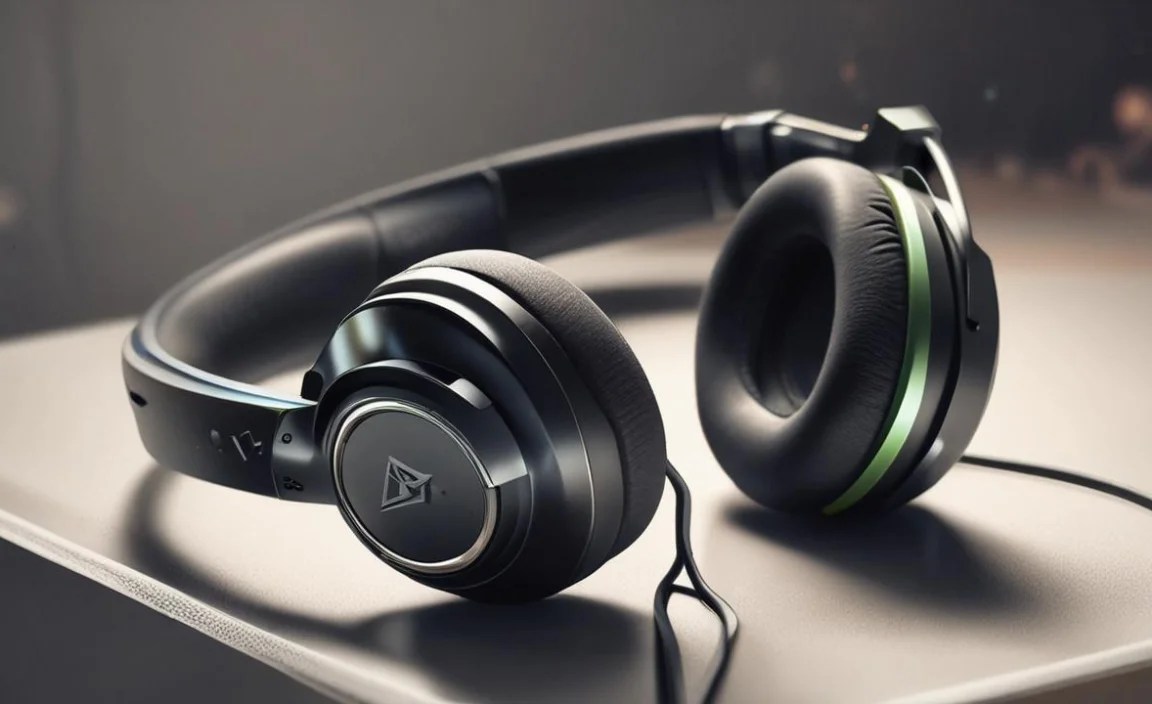
While specific models change, here are a few types of headsets and popular brands known for their Xbox wireless capabilities, offering a range of features and price points. Note: Always check the latest model reviews and Xbox compatibility before purchasing.
Entry-Level (Under $100)
- Product Type: Often feature good, basic audio and microphone quality. May use USB dongles or connect directly via Xbox Wireless. Battery life is usually solid for the price.
- Common Brands: Turtle Beach Recon series, HyperX Cloud series.
Mid-Range ($100 – $200)
- Product Type: Expect better build quality, more comfortable earcups, superior audio drivers, and often longer battery life. Many will offer advanced features like adjustable mic monitoring and customizable EQ settings via companion apps.
- Common Brands: SteelSeries Arctis series, Astro A-series, Razer Kaira series.
Premium ($200+)
- Product Type: Top-tier audio fidelity, advanced surround sound technologies, premium materials for ultimate comfort, longer battery life, and potentially features like Bluetooth multipoint connectivity (connecting to your phone simultaneously).
- Common Brands: SteelSeries Arctis Nova Pro Wireless, Astro A50 Wireless, Bang & Olufsen Beoplay Portal.
Here’s a quick comparison table for some hypothetical popular models:
| Feature | Example Model A (Mid-Range) | Example Model B (Premium) |
|---|---|---|
| Connectivity | Xbox Wireless + USB Dongle | Xbox Wireless + Bluetooth |
| Driver Size | 50mm | 40mm |
| Battery Life | 25 Hours | 30 Hours |
| Mic Quality | Clear & Detachable | Retractable with Noise Cancellation |
| Surround Sound | Windows Sonic & Limited Dolby Atmos support | Full Dolby Atmos & DTS:X Support |
| Comfort | Memory Foam Earcups | Plush Leatherette Earcups, Balanced Weight |
| Price Range | $150 | $300 |
Troubleshooting Common Issues
Even the best tech can sometimes be a bit finicky. Here are a few common issues and how to fix them:
No Sound
- Ensure the headset is powered on and charged.
- Check that the headset is properly paired and selected as the audio output device in Xbox settings.
- If using a dongle, try unplugging and replugging it.
- Test the headset on another device (like a PC or phone) to see if it’s a headset issue or an Xbox issue.
Microphone Not Working
- Verify the microphone is not muted (check physical mute button or flip-to-mute function).
- In Xbox Audio settings, ensure the microphone is enabled and not set to “Mute Console Voice” or similar.
- If you have a detachable mic, ensure it’s securely plugged in.
- Try re-pairing the headset.
Crackling or Static
- Ensure you are within the recommended wireless range of your Xbox. Obstructions like walls can interfere.
- Check for interference from other wireless devices (e.g., routers, microwaves). Try moving your Xbox or headset slightly.
- If using a USB dongle, try a different USB port.
- Update your headset’s firmware if an update is available.
Headset Not Charging
- Try a different USB cable and power source.
- Ensure the charging port on the headset is clean and free of debris.
- Try charging the headset while the Xbox is fully powered off (not in Rest Mode).
Frequently Asked Questions (FAQ)
Q1: Can any wireless headset work with my Xbox Series X/S or Xbox One?
A1: Not all wireless headsets are compatible. For seamless connection, look for headsets specifically labeled “Xbox Wireless Certified.” Other wireless headsets might work using a USB dongle, but Bluetooth headsets generally do NOT work for game audio on Xbox consoles.
Q2: Do I need a special adapter for wireless headphones on Xbox?
A2: If you purchase an “Xbox Wireless Certified” headset, no adapter is needed – it connects directly. If you buy a headset that uses a USB dongle, that dongle acts as the connection device, plugging directly into the Xbox’s USB port.
Q3: How far can I go from my Xbox with a wireless headset?
A3: This varies by headset, but typically, Xbox Wireless headsets offer around 30 feet (about 9-10 meters) of range. Obstacles like walls can reduce this range. Dongle-based headsets may have similar or slightly less range.
Q4: Can I use my Xbox wireless headset with my PC at the same time?
A4: This depends on the headset. Some premium headsets (like the SteelSeries Arctis Nova Pro Wireless or Bang & Olufsen Portal) offer Bluetooth, allowing you to connect to your Xbox (via Xbox Wireless) and your PC (via Bluetooth) simultaneously. Basic Xbox Wireless headsets may require re-pairing to your PC if your PC has an Xbox Wireless Adapter.
Q5: Do I need to pay for Dolby Atmos or DTS:X for my Xbox headset?
A5: Yes, while many headsets support these formats, you usually need to purchase a license for Dolby Atmos for Headphones or DTS Headphone:X for Headphones through the Microsoft Store on your Xbox. Windows Sonic for Headphones is a free spatial audio option available on Xbox.
Q6: How do I update the firmware on my Xbox wireless headset?
A6: Most manufacturers provide a companion PC application or software. You’ll typically connect your headset to your PC via USB, open the software, and follow the on-screen prompts to check for and install any available firmware updates. Refer to your headset’s manual for specifics.
You can find more information on Microsoft’s official Xbox Wireless Headset support page.
Conclusion: Hear the Difference, Feel the Freedom
Upgrading to a wireless headphone for your Xbox is one of the most satisfying improvements you can make to your gaming setup. It’s not just about convenience; it’s about unlocking a more immersive, comfortable, and connected gaming experience. Whether you’re planning epic raids with friends, sneaking through treacherous environments in a single-player adventure
