
Discover the best wireless Bluetooth headphones to elevate your listening experience. This guide breaks down key features, helps you choose the perfect pair for your needs, and offers simple tips for setup and maintenance, ensuring you get reliable, high-quality sound without the hassle.
Wireless Headphones Bluetooth Best: Proven Essential for Everyday Listening

Welcome to headphonehorizon! Today, we’re diving into the exciting world of wireless Bluetooth headphones. Gone are the days of tangled cords limiting your movement. These amazing gadgets offer freedom, convenience, and incredible sound quality, making them an absolute essential for music lovers, busy professionals, and anyone who enjoys a seamless audio experience.
Whether you’re commuting, working out, or just relaxing at home, the right pair of wireless headphones can truly transform your day. But with so many options out there, how do you choose the “best” for you? Don’t worry, that’s exactly what we’re here to explore!
We’ll guide you through the essential features to look for, explain common jargon in plain English, and help you make a confident decision that fits your lifestyle and budget. Get ready to unlock a world of hassle-free, brilliant sound!
Why Wireless Bluetooth Headphones Are a Game-Changer

The magic of wireless Bluetooth headphones lies in their ability to connect to your devices without any physical cables. This means unparalleled freedom of movement, whether you’re juggling work calls, hitting the gym, or simply enjoying your favorite playlist while doing chores.
The technology has advanced incredibly, offering rich audio fidelity that rivals traditional wired setups. Plus, many models come with features like active noise cancellation, long battery life, and intuitive controls, making them incredibly user-friendly and versatile.
Essential Features to Consider When Buying
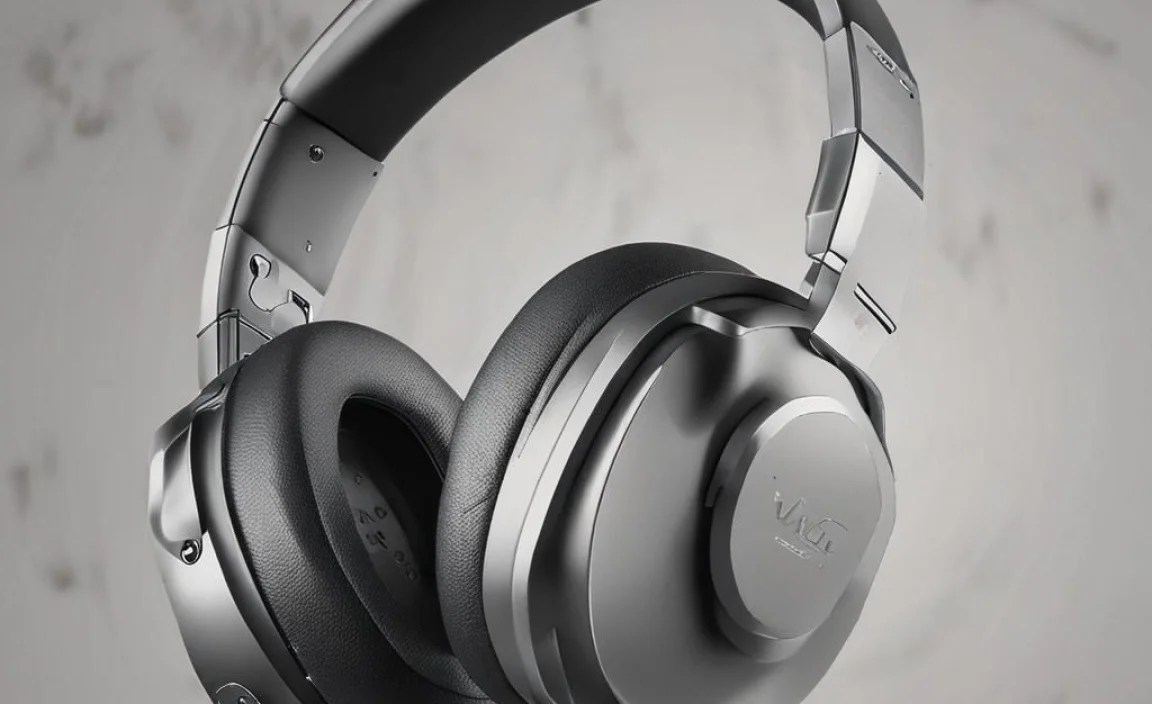
Choosing the right wireless Bluetooth headphones can feel a bit overwhelming at first, but focusing on a few key features will simplify the process. Think of these as your “must-have” checklist:
1. Sound Quality: The Heart of the Experience
This is probably the most important aspect for any headphone. Look for headphones that offer clear highs, rich mids, and a satisfying bass. Some headphones have customizable EQ settings through their companion apps, allowing you to tweak the sound to your personal preference. Don’t be afraid to read reviews that specifically comment on sound profiles.
2. Comfort and Fit: For All-Day Wear
If you plan on wearing your headphones for extended periods, comfort is paramount. Consider the type of headphone:
- Over-ear headphones: These completely cover your ears and often provide the best comfort and sound isolation. Look for plush earcups and an adjustable headband.
- On-ear headphones: These rest on your ears. They can be lighter but might cause pressure for some users over time.
- In-ear headphones (earbuds): These fit inside your ear canal, offering a compact and portable solution. Ensure they come with multiple ear tip sizes for a secure and comfortable fit.
3. Battery Life: Powering Your Day
Wireless headphones rely on batteries, so their longevity is crucial. Most headphones will list their playtime on a single charge. Consider how long you typically use headphones between charges and look for models that meet or exceed your needs. Many also feature quick charging capabilities, giving you hours of playback from just a few minutes of charging.
4. Connectivity and Bluetooth Version: The Link to Your Device
Bluetooth technology has different versions, and newer versions generally offer better range, stability, and power efficiency. Look for Bluetooth 5.0 or higher for the best performance. Also, consider if the headphones support multi-point pairing, which allows you to connect to two devices simultaneously (e.g., your phone and laptop).
5. Durability and Build Quality: Investing for the Long Run
Think about where you’ll be using your headphones. If they’ll be subjected to sweat during workouts or the rigors of travel, look for sturdy materials and potentially water resistance ratings (like IPX ratings). A solid build quality means your headphones will last longer.
6. Noise Cancellation: Your Personal Sound Bubble
Active Noise Cancellation (ANC) technology uses microphones to detect ambient noise and then cancels it out with opposing sound waves. This is fantastic for noisy environments like airplanes, busy offices, or public transport. Some headphones also offer transparency modes, which allow you to hear your surroundings without taking them off.
7. Microphone Quality: For Calls and Voice Commands
If you plan on using your headphones for phone calls or interacting with voice assistants, the microphone quality is important. Look for headphones with clear voice pickup, and some even boast advanced noise-reduction technology for microphones to ensure your voice is heard distinctly.
Choosing the Right Type for Your Lifestyle

The “best” wireless Bluetooth headphones are incredibly subjective and depend heavily on how you intend to use them. Here’s a breakdown to help you align features with your daily routine:
For the Active Lifestyle:
If you’re hitting the gym, cycling, or running, you’ll want something secure, sweat-resistant, and possibly with a good ambient sound mode so you can stay aware of your surroundings.
- Key Features: Secure fit (ear hooks, wingtips), IPX water/sweat resistance, good battery life, awareness modes.
- Recommended Types: True wireless earbuds, some sport-focused over-ear models.
For the Commuter/Traveler:
Your priority here is likely noise cancellation to create a peaceful journey, comfort for long wear, and good battery life to last through trips.
- Key Features: Excellent Active Noise Cancellation (ANC), comfortable earcups (over-ear or well-fitting earbuds), long battery life, compact carrying case.
- Recommended Types: Over-ear ANC headphones, high-quality noise-canceling earbuds.
For the Office/Work-from-Home Professional:
Clarity for calls and the ability to block out distractions are key. Multi-point connectivity can also be a lifesaver.
- Key Features: Clear microphone, effective ANC (optional but helpful), long battery life, comfortable for long sessions, multi-point pairing.
- Recommended Types: Over-ear headphones, comfortable on-ear or earbuds with good mic quality.
For the Audiophile (Budget-Conscious):
While top-tier audiophile gear can be wired, many wireless options now offer excellent fidelity. Look for support for high-quality Bluetooth codecs like aptX HD or LDAC.
- Key Features: Support for high-resolution audio codecs (aptX HD, LDAC), well-tuned drivers, comfortable fit for critical listening.
- Recommended Types: High-end over-ear or premium earbuds.
Step-by-Step Guide: Connecting Your Wireless Headphones

Connecting your new wireless Bluetooth headphones is usually a straightforward process. Here’s how it typically works:
Step 1: Charge Your Headphones
Before you begin, ensure your headphones are adequately charged. Most come with a USB cable for charging. Refer to your headphone’s manual for specific charging times and indicators.
Step 2: Put Your Headphones in Pairing Mode
This is the most crucial step and varies by model. Usually, you’ll need to press and hold a power or Bluetooth button for a few seconds until an indicator light flashes (often blue or red/blue) or you hear an audio cue like “pairing.” Consult your headphone’s manual if you’re unsure.
Step 3: Enable Bluetooth on Your Device
On Smartphones/Tablets (iOS/Android):
- Go to “Settings.”
- Tap on “Bluetooth.”
- Toggle Bluetooth ON.
On Laptops/Computers (Windows/macOS):
- Windows: Go to Settings > Devices > Bluetooth & other devices. Toggle Bluetooth ON.
- macOS: Go to System Preferences > Bluetooth. Ensure Bluetooth is ON.
Step 4: Select Your Headphones from the Device List
Your device will scan for available Bluetooth devices. Look for the name of your headphones in the list that appears. It might be the brand name or a specific model number. For example, “Sony WH-1000XM5” or “Apple AirPods Pro.”
- Tap or click on the name of your headphones to initiate the connection.
- You might be prompted to confirm a pairing request or enter a passcode (often “0000” or “1234” if not automatically confirmed, though most modern devices and headphones handle this automatically).
Step 5: Confirm Connection
Once connected, your device will usually indicate that the headphones are paired, and you’ll likely hear a confirmation sound from the headphones themselves (e.g., “connected”). The indicator light on the headphones may also change, often turning solid or slowly pulsing.
Step 6: Test the Sound
Play some music or a video on your device to ensure the audio is coming through your new wireless headphones correctly.
Troubleshooting Common Bluetooth Connection Issues
While Bluetooth is generally robust, occasionally you might run into a hiccup. Here’s how to tackle common problems:
- Headphones Not Appearing in Device List: Ensure your headphones are indeed in pairing mode. Try turning Bluetooth off and then back on on your device. Restart both your headphones and your device.
- Connection Drops Frequently: Move closer to your device. Obstructions like walls can interfere. Low battery on either device can also cause issues. Ensure you are using a compatible Bluetooth version.
- No Sound After Connecting: Check the volume on both your headphones and your device. Ensure your headphones are selected as the audio output device in your device’s sound settings. Try disconnecting and reconnecting.
- One Earcup Not Working (for stereo headphones): This could be a connection issue or a hardware problem. Try resetting your headphones (check your manual for instructions). If the problem persists, it might require professional attention.
For more detailed troubleshooting, always refer to the user manual for your specific headphone model. Reputable manufacturers often provide extensive support online, including FAQs and firmware updates.
Maintaining Your Wireless Headphones for Longevity
To get the most out of your investment and keep your wireless Bluetooth headphones sounding great, a little maintenance goes a long way. Here are some practical tips:
Regular Cleaning
Dust and earwax can accumulate over time, affecting sound quality and hygiene. Gently clean the earcups and any exposed mesh with a dry, soft cloth. For earbuds, use a dry cotton swab to carefully clean the speaker grilles.
- Important: Never use liquids or harsh cleaning agents directly on the headphones, as this can damage the electronics and materials.
Proper Storage
When not in use, store your headphones in a cool, dry place. If your headphones came with a carrying case, use it! This protects them from accidental bumps, scratches, and dust. Avoid leaving them in direct sunlight or extreme temperatures, which can degrade battery life and warp materials.
Battery Care
To prolong battery health:
- Avoid fully depleting the battery regularly.
- Don’t leave them charging for excessively long periods once fully charged (most modern devices have protection for this, but it’s good practice).
- Store them with a partial charge if you won’t be using them for an extended period (e.g., several months).
The U.S. Department of Energy provides excellent resources on battery care for various technologies, which can offer general insights.
Software Updates
Many high-end wireless headphones receive firmware updates through companion apps. These updates can improve performance, fix bugs, and sometimes even add new features. Check your headphone manufacturer’s app regularly for available updates.
Top Wireless Bluetooth Headphone Technologies to Know
The world of audio technology is constantly evolving. Here are a few key terms and technologies that often appear when discussing wireless headphones:*
| Technology | What it Means | Why it Matters |
|---|---|---|
| Bluetooth Codecs | These are encoding schemes that determine how audio data is compressed and transmitted wirelessly. | Higher-quality codecs (like aptX HD, LDAC) can provide audio closer to CD quality over Bluetooth, especially if your source device also supports them. Standard SBC is widely compatible but may have lower fidelity. |
| Active Noise Cancellation (ANC) | Uses microphones to detect ambient sound and generates inverse sound waves to cancel it out. | Significantly reduces background noise, making it ideal for travel, commuting, or noisy environments, allowing you to focus on your audio or enjoy quietude. |
| Transparency Mode (Ambient Sound) | Uses external microphones to allow outside sounds to be heard clearly without removing the headphones. | Enhances safety and awareness when needed (e.g., listening for announcements, traffic, or conversations) without interrupting your listening session. |
| Multi-Point Pairing | Allows headphones to connect to and switch between two Bluetooth devices simultaneously. | Extremely convenient for users who switch between a laptop for work and a smartphone for calls or music. |
| IPX Rating (Ingress Protection) | A standard that indicates the level of protection against dust and water. (e.g., IPX4 means protection against splashing water). | Crucial for sports headphones or those used in potentially wet environments, indicating their resilience to sweat and rain. |
Frequently Asked Questions (FAQ)
Q1: How do I know if my wireless headphones are compatible with my device?
Most wireless headphones use the standard Bluetooth protocol, which is built into virtually all modern smartphones, tablets, laptops, and computers. As long as your device has Bluetooth capability (most released in the last 10-15 years do), your headphones should be compatible. For advanced features or higher-quality audio codecs, check if both your device and headphones support the same ones.
Q2: What is the difference between true wireless earbuds and regular wireless earbuds?
True wireless earbuds (like Apple AirPods or Samsung Galaxy Buds) have no wires at all – each earbud is independent. Regular wireless earbuds still have wires connecting them, often to a neckband or simply connecting the two buds behind your head. True wireless offers maximum freedom but may have slightly shorter battery life per bud and require charging in their case. Regular wireless earbuds often have a continuous battery life connected by the wire/neckband and can be more secure for some activities.
Q3: How long should I expect my wireless headphone battery to last?
Battery life varies significantly by type and model. In-ear wireless earbuds might offer 3-8 hours per charge, with their charging cases providing multiple extra charges for a total of 15-30+ hours. Over-ear Bluetooth headphones typically offer 15-40+ hours of playback on a single charge, depending on whether ANC is active. Always check the manufacturer’s specifications for the most accurate estimates.
Q4: Can I use my Bluetooth headphones for gaming?
Yes, you can use Bluetooth headphones for gaming, but there’s a caveat: latency. Bluetooth transmission can sometimes introduce a slight delay between the action on screen and the sound you hear. For competitive or highly immersive gaming where precise audio cues are critical, many gamers prefer to use wired headphones or wireless gaming headsets that use proprietary low-latency wireless connections. However, for casual gaming, Bluetooth headphones are perfectly adequate.
For more information on audio latency, RTINGS.com provides excellent technical breakdowns on Bluetooth audio lag.
Q5: How do I pair my headphones to a second device?
To pair with a second device, you’ll typically need to put your headphones back into pairing mode. This often involves turning them off, then holding the power or Bluetooth button until the pairing indicator flashes again. Once in pairing mode, go to the Bluetooth settings on your second device and select your headphones from the list. If your headphones support multi-point pairing, they should seamlessly switch between the two connected devices as audio sources.
Q6: Are expensive wireless headphones always better?
While higher-end headphones generally offer superior build quality, advanced features like better ANC, more refined sound, and longer battery life, “better” is subjective. You can find excellent wireless Bluetooth headphones at various price points. It’s crucial to identify your priorities (sound quality, comfort, ANC, battery life) and then find the best option that fits within your budget. Many mid-range models offer fantastic value.
Conclusion: Your Journey to Better Wireless Audio Starts Here
Navigating the world of wireless Bluetooth headphones might have seemed complex at first, but hopefully, this guide has demystified the process. By understanding the key features—
