
Quick Summary: Enhance your car audio experience with wireless headphones! This guide covers choosing, connecting, and safely using wireless headphones in your vehicle for clearer calls and immersive music without distracting the driver. Learn essential tips for a smoother, safer drive.
Wireless Headphones for Car: Your Essential Guide to Seamless Audio
Hey everyone, Edward Cavitt here from headphonehorizon! Ever wished you could enjoy your favorite podcast or take a crystal-clear phone call from your car without a tangled mess of wires or that slightly muffled sound? Wireless headphones are a fantastic way to upgrade your in-car audio experience. They offer freedom, clarity, and a more personal listening bubble. Whether you’re a commuter, on a long road trip, or just want better sound quality during your drive, this guide is for you. We’ll dive into what makes wireless headphones great for your car, how to pick the right pair, and some important safety and connection tips to keep you focused on the road.
Why Consider Wireless Headphones for Your Car?

The traditional car stereo system is great, but it has its limitations. Wires can be cumbersome, especially when trying to answer calls or adjust volume while driving. Wireless headphones solve these issues, offering a range of benefits:
- Clearer Calls: Many wireless headphones come with built-in microphones that offer superior noise cancellation compared to your car’s standard microphone. This means your voice will be much clearer to the person on the other end, even with road noise.
- Personalized Listening Experience: You can immerse yourself in your music or podcast without disturbing other passengers, or enjoy your own entertainment while someone else is in the car.
- Reduced Cabling Clutter: No more fumbling with aux cords or dealing with them getting tangled. This keeps your car’s interior tidy and reduces distractions.
- Convenience: Many headphones offer intuitive controls for playback, volume, and call management directly on the earcup or earbuds, allowing for easy adjustments without taking your eyes off the road for too long.
- Noise Cancellation: Active Noise Cancellation (ANC) headphones can be a game-changer for noisy commutes, helping to block out engine hum, traffic sounds, and other distractions, letting you focus on your audio or the road.
Choosing the Right Wireless Headphones for Your Car

Not all wireless headphones are created equal, and what works perfectly for your home gym might not be ideal for your car. Here’s what to look for:
Bluetooth Connectivity: The Backbone of Wireless
The vast majority of wireless headphones use Bluetooth technology. When choosing, consider the Bluetooth version:
- Bluetooth 5.0 and Later: These newer versions offer better stability, longer range, and improved power efficiency. This means fewer dropouts and a more reliable connection to your car’s infotainment system or your smartphone.
- Multipoint Pairing: This is a highly valuable feature for car use. Multipoint allows your headphones to connect to two devices simultaneously. For example, you can be connected to your car’s Bluetooth for calls and to your phone for music. If a call comes in on your phone while you’re listening to the radio via Bluetooth, the headphones will seamlessly switch to the call.
Comfort and Fit
You’ll likely be wearing these headphones for extended periods, so comfort is paramount. Consider:
- Over-Ear vs. On-Ear vs. In-Ear (Earbuds):
- Over-Ear: These offer excellent comfort and passive noise isolation, fully enclosing your ears. They can sometimes be bulky and might cause ears to get warm on long drives.
- On-Ear: Lighter than over-ear, these rest on your ears. They provide a good balance of comfort and portability but might not offer as good noise isolation.
- In-Ear (Earbuds): The most portable option. Look for models with various ear tip sizes for a secure and comfortable fit. They are discreet and great for drivers who prefer not to have anything bulky over their ears.
- Cushioning and Materials: Soft earpads and adjustable headbands contribute to long-term comfort.
Microphone Quality for Calls
The primary reason many people use headphones in their car is for hands-free calls. Look for headphones with:
- Clear Voice Microphones: Brands often highlight their microphone technology, mentioning noise reduction or voice isolation. Reading reviews that specifically mention call quality in noisy environments is crucial.
- Multiple Microphones: Many higher-end headphones use multiple microphones to isolate your voice and reduce background noise.
Battery Life
Ensure the headphones have enough battery life to last your longest drives. Most modern wireless headphones offer anywhere from 15 to 40+ hours of playback on a single charge. Consider models with fast charging capabilities for quick top-ups.
Durability and Build Quality
Your headphones will be used in a vehicle environment, which can be unpredictable. Opt for headphones made with sturdy materials that can withstand daily use.
Features to Enhance Your Driving Experience
- Active Noise Cancellation (ANC): Excellent for blocking out road noise, making it easier to hear calls or music at lower volumes.
- Transparency Mode (Ambient Sound Mode): This feature allows you to hear your surroundings without removing your headphones. It’s vital for safety, letting you hear important alerts like emergency sirens or your GPS voice prompts clearly.
- Voice Assistant Integration: Access to Siri, Google Assistant, or Alexa can be useful for hands-free control of navigation, music, or sending messages.
Connecting Wireless Headphones to Your Car

Connecting your wireless headphones to your car’s system or your phone while in the car is usually a straightforward process:
Step 1: Prepare Your Headphones
- Ensure your headphones are fully charged.
- Turn on your headphones and put them into pairing mode. This is usually done by pressing and holding the power button or a dedicated Bluetooth button until a light flashes or you hear an audio cue. Consult your headphone’s manual if you’re unsure.
Step 2: Enable Bluetooth on Your Source Device
This could be your car’s infotainment system or your smartphone.
Connecting to Your Smartphone (Most Common Method):
- Open your smartphone’s Settings.
- Tap on “Bluetooth.”
- Make sure Bluetooth is toggled ON.
- Your phone will scan for available devices.
- Your headphones should appear in the list of available devices. Tap their name to pair.
- You may see a confirmation prompt or need to enter a PIN (usually 0000 or 1234, but check your headphone manual).
- Once paired, they should show as “Connected.”
Connecting to Your Car’s Infotainment System:
This process varies significantly by car model. Generally, you’ll:
- Navigate to your car’s Bluetooth or Phone settings menu on the infotainment screen.
- Select “Add Device,” “Pair New Device,” or a similar option.
- Your car will then search for Bluetooth devices.
- Put your headphones in pairing mode.
- Your headphones should appear as an option on your car’s screen. Select them.
- Follow any on-screen prompts for confirmation.
Note: Most modern cars allow you to stream audio and take calls via Bluetooth. If your car is older and lacks built-in Bluetooth, you will connect your headphones directly to your smartphone and then use your smartphone’s connection for audio and calls.
Step 3: Test the Connection
- Play some music or make a short test call to ensure both audio playback and microphone functions are working correctly.
- Adjust volume levels on both your headphones and your car’s system (if applicable) for optimal clarity.
Safety First: Using Wireless Headphones While Driving
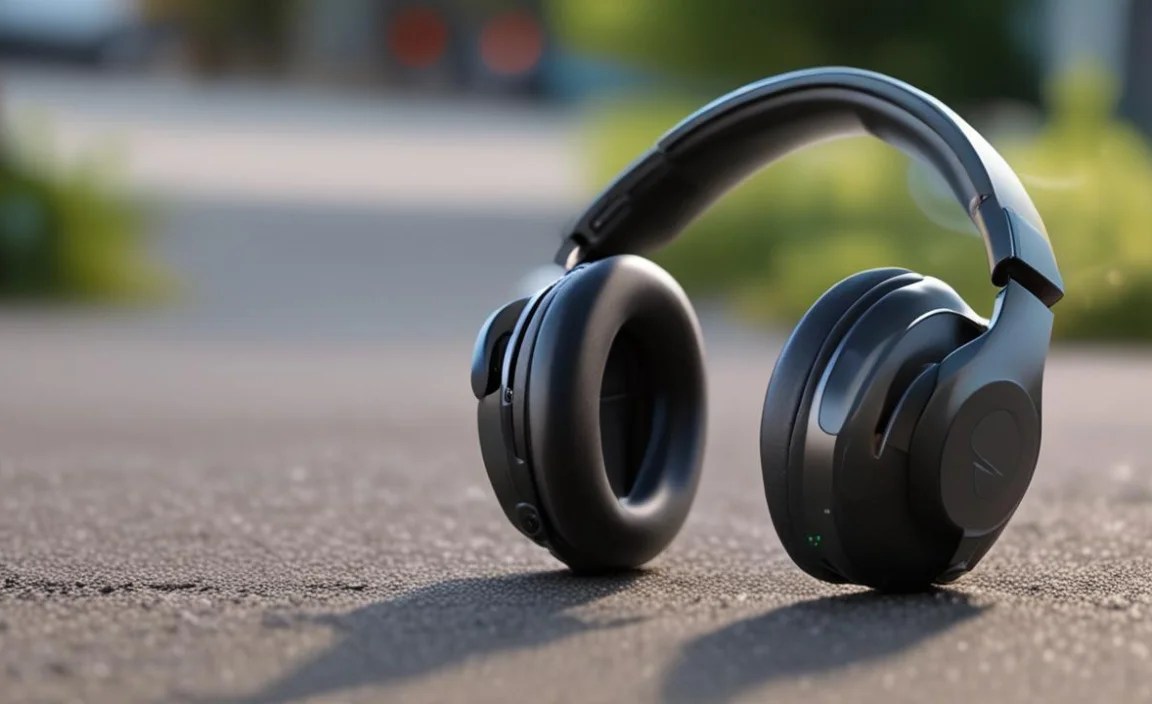
While wireless headphones offer convenience, safety must always be your top priority. Driving requires your full attention. Here’s how to use them responsibly:
Understand Your Local Laws
Regulations regarding headphone use while driving vary by location. Some areas prohibit any headphone use, while others only restrict it if it prevents you from hearing emergency sirens. Always check your local laws and regulations to ensure compliance. For instance, the National Highway Traffic Safety Administration (NHTSA) emphasizes that no technology is completely distraction-free, even hands-free systems.
Prioritize Transparency Mode
If your headphones have a transparency or ambient sound mode, use it! This allows you to hear important external sounds like sirens, horns, or the “thump” of a pothole you might otherwise miss. This is particularly crucial if you’re using earbuds or noise-isolating headphones.
Minimize Adjustments
Set up your music or audiobook and place your call before you start driving or while safely parked. Avoid fiddling with headphone controls, phone menus, or car settings while the vehicle is in motion. If an adjustment is necessary, pull over to a safe location first.
Single Earphone Use
In jurisdictions where using both headphones is restricted, or if you simply want to be more aware of your surroundings, consider using only one earphone. This can help you maintain better situational awareness.
Focus on the Road
The primary purpose of driving is to operate the vehicle safely. If you find that any audio content or phone conversation is distracting you from the task of driving, it’s time to turn it off or pull over.
Troubleshooting Common Connection Issues
Occasionally, you might encounter a hiccup with your wireless headphones. Here are some common problems and their solutions:
Issue: Headphones Won’t Connect
- Ensure Pairing Mode: Double-check that your headphones are in pairing mode.
- Check Bluetooth on Source: Make sure Bluetooth is enabled on your phone or car system.
- Distance: Ensure your headphones are close to the device you’re trying to pair with.
- Restart Devices: Turn off Bluetooth on your phone/car and your headphones, then turn them back on and try pairing again.
- Forget Device: On your phone or car system, “forget” the headphones from the list of paired devices and then try to pair them as a new device.
- Device Limit: Some older car systems have a limit on the number of devices they can remember. Try removing an old device.
Issue: Intermittent Audio Dropouts or Stuttering
- Signal Interference: Other wireless devices (Wi-Fi, other Bluetooth devices) can interfere. Try to minimize these.
- Distance: Ensure you are within the optimal Bluetooth range (usually up to 30 feet, but closer is better).
- Obstructions: Physical objects between your device and headphones can weaken the signal.
- Low Battery: A low battery on either the headphones or the source device can cause instability.
- Software Updates: Check for firmware updates for your headphones and software updates for your phone or car’s infotainment system.
Issue: Poor Microphone Quality During Calls
- Check Microphone Placement: Ensure the microphone isn’t covered by your hand or clothing.
- Background Noise: Minimize ambient noise as much as possible. Use ANC if available.
- App Permissions: On your smartphone, ensure the app you’re using has permission to access the microphone.
- Test Different Scenarios: Try a call in a quieter environment to see if the issue persists.
Issue: Headphones Won’t Charge
- Check Cables and Ports: Ensure the charging cable is securely plugged into both the headphones and the power source. Try a different USB port or charger.
- Clean Contacts: Gently clean the charging contacts on the headphones and the charging case (if applicable) with a dry, lint-free cloth.
Recommended Features at a Glance
Here’s a quick comparison of features to consider:
| Feature | Importance for Car Use | “Must-Have” for Most Users | “Nice-to-Have” |
|---|---|---|---|
| Bluetooth Version (5.0+) | High – for stable, efficient connection | Yes | – |
| Multipoint Pairing | Very High – seamless switching between devices | Yes, for heavy multi-device users | Recommended |
| Microphone Quality | Essential – for clear calls | Yes | – |
| Comfort & Fit | High – for long drives | Yes | – |
| Battery Life (20+ hours) | Med-High – avoid mid-trip charges | Recommended | – |
| Active Noise Cancellation (ANC) | Med-High – reduces road noise | Recommended | Yes |
| Transparency Mode | High – critical for safety awareness | Yes | – |
| Durable Build | Med-High – car environment | Recommended | – |
Popular Wireless Headphone Types for Car Use: Pros & Cons
Let’s break down the common categories you’ll find:
| Type | Pros for Car Use | Cons for Car Use |
|---|---|---|
| True Wireless Earbuds (e.g., AirPods, Galaxy Buds) | Extremely portable, discreet, no wires at all. Often have good transparency modes. Easy storage. | Can be easy to lose. Battery life can be shorter per charge (rely on case). Fit might be an issue for some. Mic quality varies greatly. |
| Wireless Neckband Earbuds (e.g., Sony WI-series) | Earbuds attached by a flexible neckband. Harder to lose than true wireless. Often good battery life. Mic quality can be better than some earbuds. | The neckband can sometimes be felt or bounce. Not fully wireless. |
| On-Ear Wireless Headphones (e.g., Beats Solo, Sony WH-CH series) | Good balance of comfort and portability. Less ear fatigue than over-ear for some. Can offer good mic quality. | Don’t fully enclose ear, so less passive noise isolation. Can press on ears uncomfortably for some over long periods. |
| Over-Ear Wireless Headphones (e.g., Bose QuietComfort, Sony WH-1000XM series) | Superior comfort and passive noise isolation. Often excellent ANC. Best sound quality and microphone performance. | Bulkiest and heaviest. Can make ears warm. Take up more space in the car. Price point is often higher. |
Frequently Asked Questions (FAQ)
Q1: Can I use wireless headphones for GPS navigation audio in my car?
Absolutely! Most smartphones will route GPS audio through connected Bluetooth headphones. This is a great way to get clear directions without relying on your car’s often-subpar speakers or a loud radio.
Q2: Will using wireless headphones drain my car’s battery?
No, your wireless headphones connect to your smartphone or the car’s infotainment system via Bluetooth and draw minimal power from that connection. They are powered by their own internal rechargeable battery and do not directly draw power from your car’s battery once paired.
Q3: How do I make sure my headphones are safe and won’t fall out while driving?
For earbuds, ensure you’re using the correct-sized ear tips to get a snug, secure fit. For on-ear and over-ear headphones, make sure the headband is adjusted properly for a stable fit. Avoid adjusting them while in motion. If they feel loose, it’s best to pull over to secure them.
Q4: What’s the difference between Active Noise Cancellation (ANC) and Passive Noise Isolation?
Passive Noise Isolation is achieved through the physical design of the headphones—how well they seal around your ears (earbuds) or cover your ears (over-ear) to block out ambient sound. Active Noise Cancellation (ANC) uses microphones to detect external noise and then generates opposing sound waves to cancel it out electronically. ANC is generally more effective at reducing low-frequency, consistent noises like engine hum or airplane engines.
