
Summary: Ditch the tangled wires and embrace freedom with wireless headphones for your PC. This guide makes connecting and enjoying high-quality audio effortless, whether you’re gaming, working, or just listening to music. We’ll cover setup, common issues, and how to choose the right pair for your needs.
Wireless Headphones for PC: Essential, Effortless Audio Freedom
Tired of getting snagged by headphone cords? Or perhaps you’re looking to upgrade your PC audio experience with the convenience of no wires. Wireless headphones for your PC offer a remarkable blend of comfort, flexibility, and excellent sound quality, transforming how you interact with your computer for everything from intense gaming sessions to crucial video calls and your favorite playlists. Investing in a good pair of wireless headphones can significantly enhance productivity and entertainment, freeing you from the limitations of physical cables. This guide is designed to make the transition to wireless as smooth and straightforward as possible, ensuring you can enjoy your audio without any fuss.
Why Go Wireless with Your PC Headphones?

The allure of wireless headphones for your PC is undeniable. The primary benefit is, of course, freedom of movement. You can get up, stretch, grab a drink, or step away from your desk without interrupting your audio. This is particularly valuable for gamers who need to react quickly or for professionals who are constantly on the move during long work-from-home days. Beyond this, wireless technology has advanced dramatically, offering sound quality that rivals, and sometimes surpasses, wired options. Battery life is generally excellent, and the ease of use makes them incredibly accessible for everyone, regardless of technical skill.
Key Advantages
- Freedom of Movement: No more cable tangles or restricted reach.
- Enhanced Comfort: Less clutter around your workspace.
- Improved Aesthetics: A cleaner, more organized desk setup.
- Versatility: Many models can be used with multiple devices (phones, tablets) simultaneously.
- Modern Technology: Latest Bluetooth codecs and transmission technologies offer great sound.
Understanding Wireless Connections: Bluetooth vs. RF Dongles

When looking for wireless headphones for your PC, you’ll primarily encounter two connection methods: Bluetooth and RF (Radio Frequency) dongles. Each has its strengths and is suited for different user needs, especially if you’re asking, “Are there wireless headphones for PC without Bluetooth?
1. Bluetooth Headphones
Bluetooth is the most common wireless standard found in nearly all modern devices. For PC use, your computer will need to have built-in Bluetooth or you’ll need a small USB Bluetooth adapter. These headphones are highly versatile and can often connect to your phone and PC at the same time, allowing for seamless switching between devices. They are great for general listening, video calls, and casual gaming.
Pros of Bluetooth:
- Widely compatible with most modern PCs and devices.
- No extra dongle needed if your PC has built-in Bluetooth.
- Often supports multi-device pairing.
- Good for general audio and communication.
Cons of Bluetooth:
- Can sometimes have slight audio latency (delay), which might affect competitive gaming.
- Sound quality can vary depending on the Bluetooth codec used (e.g., SBC, AAC, aptX).
- May require pairing and unpairing if connecting to a new device.
2. RF Dongle Headphones
RF dongle headsets connect via a dedicated USB transmitter (dongle). These are often favored by gamers and audiophiles for their reliable, low-latency connection. The dongle plugs into a USB port on your PC, and the headphones are pre-paired with it, offering a simple plug-and-play experience. This is the solution for those specifically looking for wireless headphones for PC without Bluetooth, as they bypass Bluetooth entirely.
Pros of RF Dongle:
- Extremely low latency, ideal for gaming and watching videos.
- Generally offers a more stable and robust connection.
- Simple plug-and-play setup, no complex pairing required.
- Can sometimes offer better audio range and less interference.
Cons of RF Dongle:
- Requires a dedicated USB port for the dongle.
- Typically less versatile; not usually compatible with smartphones/tablets without dedicated adapters.
- Might be slightly more expensive.
When to Choose Which:
If your PC has Bluetooth and you primarily use your headphones for general listening, video calls, or casual gaming, standard Bluetooth headphones are a great, versatile choice. If you’re a serious gamer or a professional who needs the absolute lowest delay and a rock-solid connection, an RF dongle headset is likely your best bet. Many gaming headsets offer both options for maximum flexibility.
Setting Up Your Wireless Headphones: A Step-by-Step Guide

Getting your new wireless headphones connected to your PC is typically a breeze. Here’s how to do it for both types of connections.
Connecting Bluetooth Headphones
First, ensure your PC has Bluetooth capabilities. Most modern laptops do, but you might need a USB Bluetooth adapter for older desktops. You can check this by going to your PC’s Settings > Devices > Bluetooth & other devices.
- Put Headphones in Pairing Mode: This usually involves pressing and holding a specific button (often the power button) for a few seconds until an LED light flashes or you hear an audio cue indicating it’s ready to pair.
- Enable Bluetooth on PC: Go to Settings > Devices > Bluetooth & other devices and toggle Bluetooth ON.
- Add Device: Click “Add Bluetooth or other device” and select “Bluetooth.”
- Select Your Headphones: Your headphones should appear in the list of available devices. Click on their name to connect.
- Confirm Connection: Once connected, you’ll see a confirmation message, and your headphones should now be listed under “Audio” devices. You might need to select them as your default playback device in the Sound settings.
Connecting RF Dongle Headphones
This is typically the easiest setup. The headset and its dongle are usually pre-paired right out of the box.
- Plug in the Dongle: Insert the USB RF dongle into an available USB port on your PC.
- Power On Headphones: Turn on your wireless headphones.
- Automatic Connection: The headphones should automatically detect and connect to the dongle. You’ll usually hear a confirmation sound or see an indicator light change.
- Set as Default Device: Windows will typically recognize the headset and set it as the default audio output. If not, go to Sound settings and manually select it.
Choosing the Right Wireless Headphones for Your PC

With so many options available, selecting the perfect pair can feel overwhelming. Consider these key factors to make an informed decision.
1. Intended Use:
- Gaming: Look for low latency (RF dongle or low-latency Bluetooth codecs like aptX LL). Comfort for long sessions and good microphone quality are also crucial.
- Work/Calls: Prioritize clear microphone audio, comfort, and long battery life. Noise cancellation can be a bonus for focus.
- Music/Media: Sound quality is paramount. Look for good drivers, support for high-fidelity audio codecs (like LDAC or aptX HD), and comfortable earcup designs for extended listening.
2. Connection Type:
As discussed, decide between Bluetooth for versatility or an RF dongle for performance in gaming and minimal latency. Some headsets offer both.
3. Comfort and Fit:
Over-ear, on-ear, or in-ear? For PC use, over-ear headphones are generally the most comfortable for extended periods, offering better immersion and passive noise isolation. Ensure the earcups are well-padded and the headband adjustable.
4. Battery Life:
Most wireless headphones offer anywhere from 15 to 50+ hours of playtime on a single charge. Consider how often you’re willing to charge them. Many also support quick charging.
5. Sound Quality and Features:
Look at driver size, supported audio codecs, and reviews focusing on audio performance. Features like active noise cancellation (ANC), environmental noise cancellation (for mics), and spatial audio can enhance your experience.
6. Microphone Quality:
If you’ll be on frequent calls or coordinating with teammates, a clear, crisp microphone is essential. Look for reviews that specifically test microphone performance.
Quick Troubleshooting Tips for Common Issues
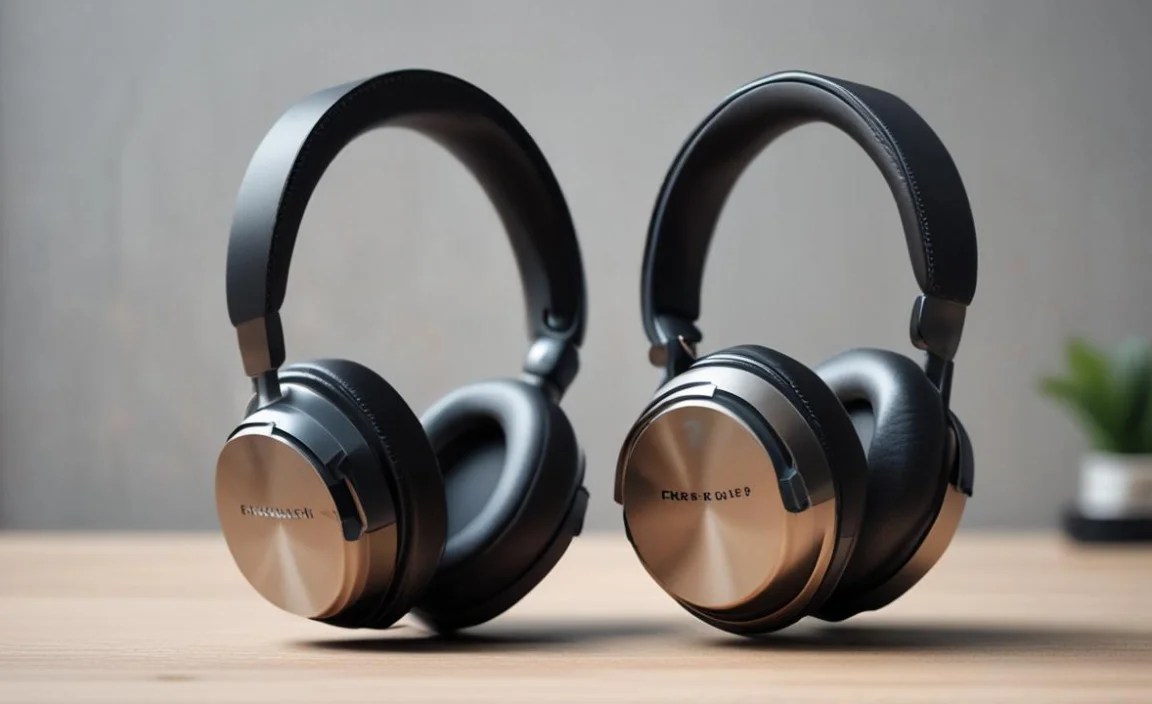
Even the best wireless headphones can sometimes throw a minor hiccup. Here are solutions to common problems:
1. Headphones Not Connecting
- Bluetooth: Ensure headphones are in pairing mode and discoverable. Restart both headphones and PC. Forget the device in your PC’s Bluetooth settings and try pairing again. Check with your PC manufacturer for Bluetooth driver updates.
- RF Dongle: Ensure the dongle is securely plugged in. Try a different USB port. Some dongle headsets have a re-pairing button on the dongle and headset; consult your manual.
2. Audio Cutting Out or Choppy
- Distance: Move closer to your PC. Walls and other electronic devices can interfere.
- Interference: Other wireless devices (microwaves, Wi-Fi routers) can cause interference. Try moving away from them or switching to a 5GHz Wi-Fi channel if possible.
- Battery Level: Low battery can sometimes cause connection issues. Charge your headphones.
3. No Microphone Sound on Calls
- Default Device: Go to Sound settings in Windows and ensure your wireless headset’s microphone is selected as the default recording device.
- Mute Button: Check if there’s a physical mute button on the headphones or headset cable (if applicable) that might be engaged.
- App Permissions: For specific apps (like Zoom or Discord), ensure they have permission to access your microphone. This is usually in the app’s settings or Windows Privacy settings (Settings > Privacy > Microphone).
4. Audio Only Playing Through One Ear
- Balance Settings: In Windows Sound settings, check the audio balance for your headphones to ensure it’s centered.
- Mono Audio Setting: Ensure Windows’ “Mono audio” setting is turned OFF, as this can combine stereo channels and might cause issues if a channel is faulty.
- Connection Reset: Turn headphones off and on again. For Bluetooth, unpair and re-pair. For RF, unplug and re-plug the dongle.
Maintaining Your Wireless Headphones

To keep your wireless headphones performing at their best and lasting longer, a little care goes a long way.
1. Keep Them Charged:
Avoid letting the battery completely drain too often. Most manufacturers suggest charging when the battery is low (around 10-20%). Lithium-ion batteries (common in modern headphones) degrade more slowly when kept within a moderate charge range.
