
Wireless headphones with the best microphone combine audio excellence with superior voice clarity, making them essential for seamless communication and immersive audio experiences. Whether for professional calls, gaming, or personal use, these headphones enhance both sound quality and speaking clarity.
Wireless headphones equipped with high-quality microphones have become essential in today’s fast-paced world. These devices offer unparalleled convenience and versatility, making them a staple for professionals, gamers, and casual users alike. A good microphone ensures clear communication, which is crucial for virtual meetings, online gaming, and voice-activated tasks. In this article, we will explore the features that define the best microphones in wireless headphones, their benefits, and how to select the right pair for your needs.
Key Takeaways
– **High-quality microphones** in wireless headphones ensure clear voice transmission.
– **Noise-canceling technology** is crucial for minimizing background noise.
– **Battery life** is an essential factor in choosing wireless headphones.
– **Compatibility** with various devices enhances user experience.
– **Comfort and design** influence long-term usability.
– **Price and value** should align with the features offered.
– **Brand reputation** can indicate quality and reliability.
What is Wireless Headphones with Best Microphone?

Wireless headphones with the best microphones are designed to deliver superior audio quality alongside exceptional voice clarity. These headphones integrate advanced microphone technologies to capture and transmit clear audio, making them ideal for various applications.
Features of High-Quality Microphones
– **Noise cancellation**: Reduces background sounds, ensuring clear voice transmission.
– **Multiple microphones**: Some models use multiple mics to better capture voice and filter out noise.
– **Voice isolation**: Focuses on capturing the user’s voice while minimizing other sounds.
– **Wide frequency response**: Ensures accurate voice reproduction.
– **Low distortion levels**: Maintains clarity and prevents voice distortion.
High-quality microphones in wireless headphones feature noise cancellation, multiple microphones for enhanced clarity, and voice isolation technology to focus on the user’s voice. These features ensure that users can communicate clearly, even in noisy environments.
Why Wireless Headphones with Best Microphone is Important?
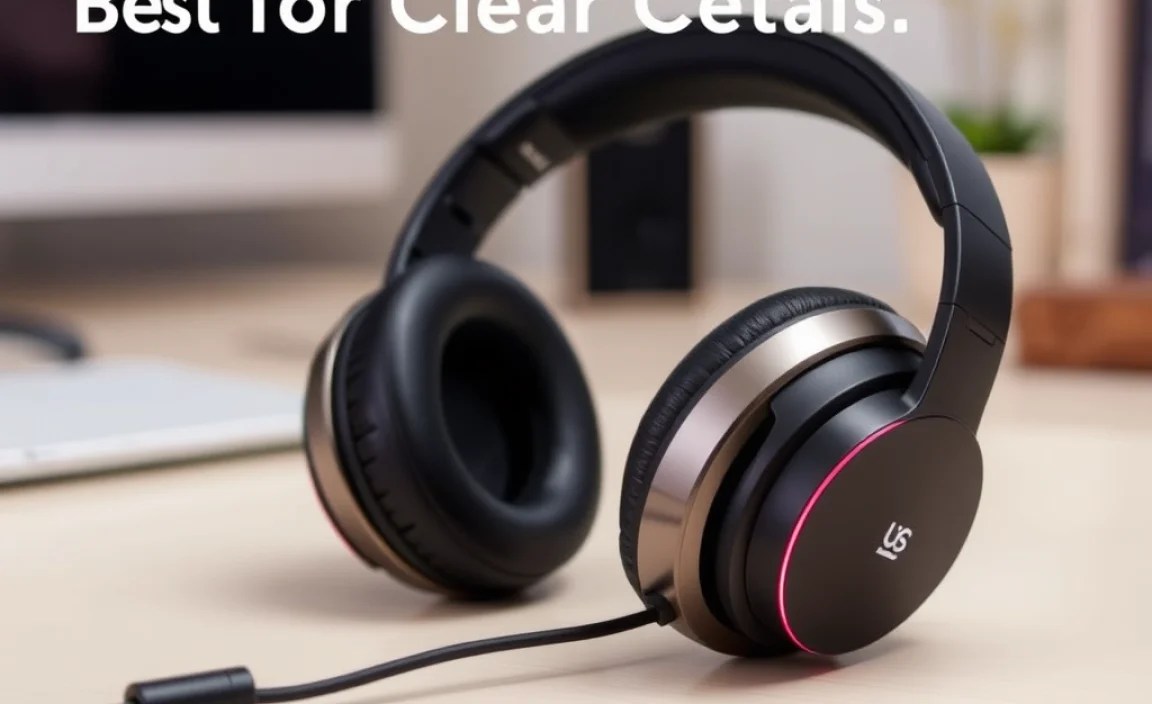
Wireless headphones with top-notch microphones are crucial for effective communication in both professional and personal settings. They offer a seamless user experience by combining convenience, mobility, and excellent audio quality.
Benefits of High-Quality Microphones in Wireless Headphones
– **Improved communication**: Clear audio transmission enhances virtual meetings and phone calls.
– **Versatility**: Suitable for various tasks, from gaming to professional calls.
– **Convenience**: Wireless design offers freedom of movement without cable constraints.
– **Enhanced user experience**: Superior sound quality and comfort for prolonged use.
– **Noise reduction**: Minimizes background noise for clearer conversations.
The best wireless headphones with excellent microphones improve communication, provide versatility for different applications, and offer a convenient and comfortable listening experience. Noise reduction features further enhance the clarity of conversations, even in noisy environments.
Step-by-Step Guide to Wireless Headphones with Best Microphone
Step 1: Identify Your Needs
– **Determine usage**: Assess whether you need headphones for work, gaming, or casual use.
– **Consider environment**: Evaluate if you’ll use them in noisy or quiet settings.
– **Review compatibility**: Ensure they work with your devices (PC, smartphone, gaming console).
Understanding your specific needs will help you select the right pair of wireless headphones with a high-quality microphone. Consider the intended use and compatibility with your devices.
Step 2: Research Features and Brands
– **Read reviews**: Check online reviews for user experiences and expert opinions.
– **Compare models**: Look for headphones with noise cancellation and voice isolation.
– **Consider brand reputation**: Trusted brands often offer better quality and support.
Researching features and comparing different brands will guide you to the best wireless headphones. Trusted brands with positive reviews typically provide reliable products.
Step 3: Set a Budget
– **Determine price range**: Decide how much you’re willing to spend.
– **Weigh features vs. cost**: Ensure you’re getting value for your money.
– **Look for deals**: Check for discounts or bundle offers.
Setting a budget helps narrow down your options and ensures you get the best value. Consider features relative to cost and look for deals to maximize your investment.
Step 4: Test Before Buying
– **Try on for comfort**: Ensure they’re comfortable for long periods.
– **Check microphone clarity**: Test voice quality in a noisy environment.
– **Evaluate sound quality**: Listen to music or voice samples to judge audio performance.
Testing headphones before purchasing ensures they meet your comfort and performance expectations. Evaluate both microphone clarity and overall sound quality in different environments.
Alternative Methods / Tools
Using External Microphones with Headphones
– **Plug-and-play models**: Easy to set up and use with existing headphones.
– **High-fidelity audio**: Often provide better sound quality than built-in mics.
– **Flexibility**: Can be used with multiple devices.
Using an external microphone with headphones can enhance voice quality, offering flexibility and potentially better audio performance compared to built-in microphones.
Apps for Enhanced Audio Quality
– **Voice-enhancing apps**: Improve audio quality through software adjustments.
– **Noise reduction apps**: Filter out background noise for clearer communication.
– **Equalizer apps**: Customize sound settings for optimal performance.
Audio enhancement apps can improve sound quality without investing in new hardware. These apps offer noise reduction and customizable sound settings for a better listening experience.
Troubleshooting Common Issues
Microphone Not Working
– **Check connections**: Ensure the headphones are properly paired with the device.
– **Update firmware**: Keep headphones firmware up to date for optimal performance.
– **Test on another device**: Determine if the issue is with the headphones or the device.
If your microphone is not working, checking connections and updating firmware can resolve the issue. Testing the headphones on another device will help identify if the problem is device-specific.
Audio Distortion
– **Reduce volume**: High volume can cause distortion.
– **Check for interference**: Other devices may interfere with Bluetooth signals.
– **Reset headphones**: Sometimes a simple reset can fix audio issues.
Audio distortion can often be resolved by reducing the volume, checking for interference, and resetting the headphones. Ensuring a clear Bluetooth connection is maintained can also help.
Advanced Techniques
Advanced techniques for optimizing the performance of wireless headphones with microphones include performing a clean installation of firmware updates, rolling back to previous versions if recent updates cause issues, and optimizing settings such as equalizer and noise cancellation for specific environments.
Prevention & Maintenance Tips
Regular maintenance and proper care are crucial to extend the lifespan of your wireless headphones. Regular checks, cleaning the microphones to prevent debris buildup, and ensuring that the firmware is up to date will keep the headphones in optimal condition. Additionally, storing them in a protective case and avoiding exposure to extreme temperatures will prevent damage.
Driver Update Methods Compared
| Method | Difficulty | Speed | Best For | Notes |
|---|---|---|---|---|
| Manual | High | Slow | Tech-savvy users | Requires time and patience |
| Automatic Software | Low | Fast | General users | Easy and efficient |
| Manufacturer’s Website | Medium | Variable | Specific brand users | Ensure correct drivers |
Conclusion
Choosing wireless headphones with the best microphone involves understanding your needs, researching features, and comparing options. By following the steps outlined, you can find a pair that offers both superior sound quality and exceptional microphone performance. Regular maintenance and troubleshooting will ensure long-lasting performance and satisfaction.
Frequently Asked Questions
Question 1: What Makes a Microphone in Wireless Headphones Good?
Answer: A good microphone provides clear voice transmission, noise cancellation, and accurate sound reproduction.
Question 2: Can I Use Wireless Headphones with All Devices?
Answer: Yes, most wireless headphones are compatible with devices supporting Bluetooth connectivity.
Question 3: Do All Wireless Headphones Have Noise-Canceling Mics?
Answer: Not all, but many models offer noise-canceling microphones for clearer audio.
Question 4: How Can I Improve Microphone Quality on My Headphones?
Answer: Ensure firmware is updated, reduce interference, and consider using apps for audio enhancement.
Question 5: Are Expensive Wireless Headphones Worth It?
Answer: They often offer better sound quality, features, and build quality, but it’s essential to weigh cost against benefits.
Question 6: How Long Do Wireless Headphones Last?
Answer: With proper maintenance, they can last several years, but battery life may diminish over time.
Question 7: Can External Microphones Work with Wireless Headphones?
Answer: Yes, external microphones can be paired with headphones for enhanced audio capture.
Question 8: How Do I Ensure My Headphones’ Microphone is Working?
Answer: Test on various devices and environments, and update the firmware if needed.
Question 9: What Are the Key Features to Look for in Wireless Headphones?
Answer: Consider noise cancellation, battery life, comfort, and compatibility with your devices.
