
Quick Summary: Finding wireless headphones that stay put during workouts is key. This guide explores key features like ear hooks, secure ear tips, and IP ratings for sweat resistance. We’ll help you choose headphones that offer a proven, comfortable fit for all your exercise routines, ensuring uninterrupted audio and a focus on your performance.
Wireless Headphones for Working Out: Your Proven Fit Guide
Getting your workout soundtrack to stay in place is almost as important as the music itself, right? Loose earbuds bouncing around or falling out mid-run can be a serious buzzkill. If you’re tired of constantly readjusting your audio gear while you’re trying to push your limits, you’ve come to the right place. At Headphone Horizon, we understand that a reliable fit is non-negotiable for active listeners. This guide is all about finding those wireless headphones that are practically glued to your ears, no matter how intense your training gets. We’ll break down what makes a pair of workout buds truly stick, covering the essential features to look for, from innovative ear tip designs to robust ear hooks and sweat-proofing technology. Get ready to discover headphones that move with you, not against you, so you can focus on crushing your fitness goals.
Why a Proven Fit Matters for Your Workout Headphones

When you’re breaking a sweat, whether you’re hitting the pavement for a 5k, lifting weights, or flowing through a yoga sequence, your headphones need to be more than just great-sounding. They need to be dependable. A “proven fit” means headphones designed to stay securely in your ears throughout your physical activity. This isn’t just about comfort; it’s about performance and safety. Constantly fumbling to put earbuds back in can disrupt your rhythm, break your concentration, and even lead to dropped devices. Furthermore, ill-fitting headphones can cause discomfort, ear fatigue, and in some cases, even minor ear irritation from repeated adjustments. For those engaging in high-impact activities like running or jumping, a secure fit is crucial to prevent the headphones from falling out and potentially causing injury or damage.
Beyond just staying put, a good fit also plays a significant role in sound quality and noise isolation. When earbuds seal effectively in your ear canal, they create a natural barrier against ambient noise, allowing you to experience your music or podcasts more immersively. This enhanced seal can also improve bass response, giving your tunes that punchy, energetic feel perfect for motivation. For safety, especially when exercising outdoors, being able to clearly hear your audio without being completely cut off from your surroundings is important. A well-fitting headphone allows for optimal audio levels without overcompensating for external noise, contributing to a safer and more enjoyable workout experience.
Key Features for Workout-Ready Wireless Headphones
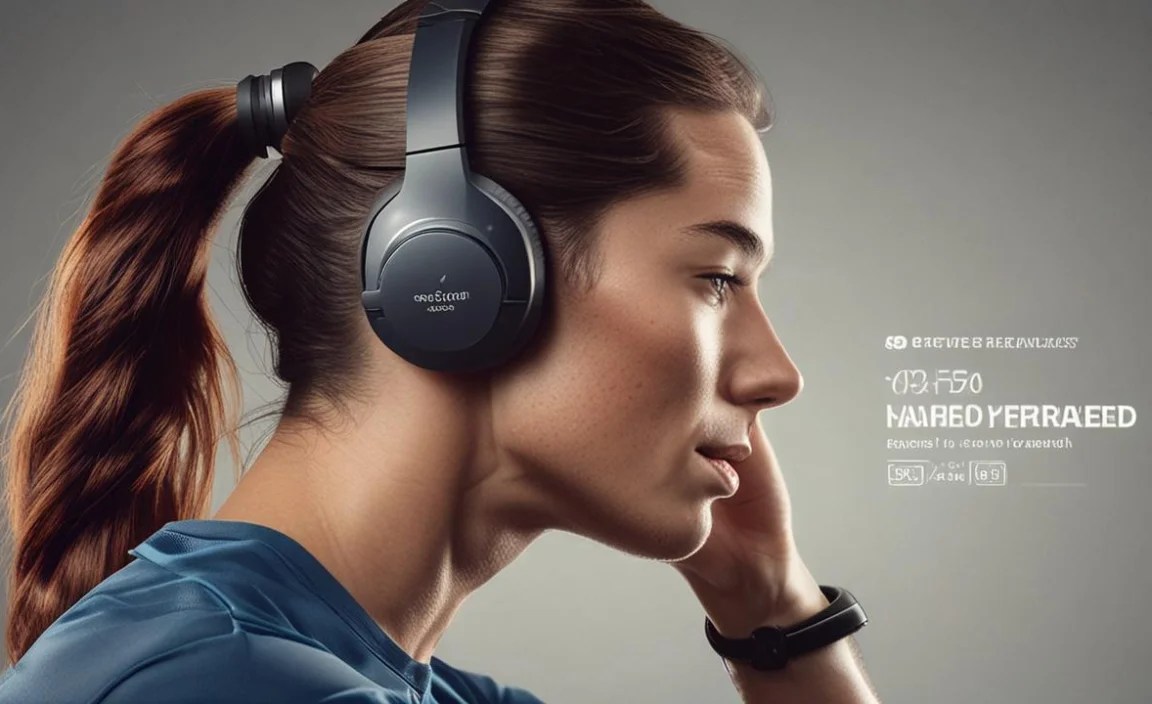
When shopping for wireless headphones designed for exercise, several key features contribute to that all-important “proven fit.” These are the elements that prevent slippage, ensure comfort during extended wear, and withstand the rigors of physical activity. Let’s dive into what to look for:
Secure Fit Mechanisms
This is the heart of a proven workout fit. Manufacturers employ various designs to ensure their headphones stay put. Understanding these can help you make an informed choice:
- Ear Hooks (Ear-wings): These are flexible fins or loops that attach to the earbud and tuck into the concha (the bowl-shaped part) of your ear. They provide an extra anchor point, making them incredibly secure for high-intensity activities. Models like the Jabra Elite Active series often feature this.
- Winged Ear Tips: Similar to ear hooks but often a bit more subtle, these have small, wing-like protrusions on the ear tips themselves that help them nestle more securely in the ear.
- Multiple Ear Tip Sizes and Materials: This is fundamental for any in-ear headphone, but especially for workouts. Most good workout buds come with several sizes (S, M, L) of silicone tips. Some premium models even offer foam tips, which can provide a more custom, pliable seal that expands to fit the unique contours of your ear canal, offering superior grip and passive noise isolation. Look for brands that emphasize this variety.
- Comply Foam Tips: These are aftermarket tips made of memory foam that molds to your ear. They offer an exceptionally secure and comfortable fit, and many brands offer them directly or are compatible with them. Check out Comply Foam’s official website for more details on their technology.
- In-Ear Design vs. True Wireless Pods: While some neckband-style wireless headphones can be quite secure, true wireless earbuds with good ear tip options tend to offer the most freedom of movement and a secure fit for most activities. Over-ear headphones can also be secure, but they might be too warm or bulky for some intense workouts.
Durability and Sweat/Water Resistance (IP Ratings)
Workouts mean sweat, and sometimes even a splash of rain. Your headphones need to be built to handle moisture. This is where IP (Ingress Protection) ratings come in:
- Understanding IP Ratings: An IP rating consists of two digits. The first digit generally refers to protection against solid objects (like dust), and the second refers to protection against liquids.
- What to Look For: For workout headphones, you’ll want at least an IPX4 rating, which means they are protected against splashes of water from any direction. Higher ratings like IPX5 (protected against water jets), or IPX7 (can be submerged in water up to 1 meter for 30 minutes) offer even greater peace of mind. Many top-tier workout earbuds boast IPX4 or higher.
- Why it Matters: Sweat can corrode electronics over time and cause performance issues. A good IP rating signifies that the manufacturers have designed the headphones with seals and materials to resist these damaging elements, prolonging their life and ensuring reliable performance.
Comfort for Extended Wear
Even the most secure headphones are useless if they become painful after an hour of use. Comfort is subjective but crucial for long workouts or multi-session days:
- Weight: Lighter earbuds generally cause less fatigue. True wireless earbuds are typically very light.
- Ergonomics: The shape of the earbud itself matters. Many workout-focused buds are designed with a slightly angled nozzle or a contoured body to fit more naturally within the ear’s anatomy.
- Material of Ear Tips: As mentioned, silicone is standard and offers good grip. Foam tips can be softer and conform better, leading to less pressure and a more comfortable seal for many individuals.
- Pressure Points: Pay attention to how the headphones sit in your ear. Do they press too hard anywhere? This is where trying different ear tip sizes becomes paramount.
Connectivity and Battery Life
While not directly related to “fit,” these features contribute to a seamless workout experience, allowing you to focus on performance rather than fiddling with your tech:
- Stable Bluetooth Connection: Look for headphones with the latest Bluetooth version (e.g., Bluetooth 5.0 or higher) for a more stable and energy-efficient connection. This means fewer dropouts and a more reliable audio stream.
- Long Battery Life: For longer workouts or travel days, headphones with extended playback time per charge are ideal. Consider models that offer a good number of recharges from their carrying case.
- Quick Charging: Some earbuds offer a quick charge feature – just a few minutes in the case can give you an hour or more of playback, perfect for those times you forget to charge them overnight.
Best Wireless Headphone Types for Working Out

Not all headphone designs are created equal when it comes to fitness. Here’s a breakdown of the most popular and effective types for an active lifestyle:
True Wireless Earbuds (TWS)
These are the tiny, completely wire-free buds that sit directly in your ear. They’ve become the dominant force in the personal audio market, and for good reason, especially for workouts. Their compact size, lack of wires, and reliance on secure-fitting ear tips make them incredibly versatile.
- Pros:
- Ultimate freedom of movement, no wires to snag or tangl
- Very discreet and lightweight
- Charging case provides multiple recharges on the go
- Often come with excellent sweat and water resistance ratings
- Cons:
- Can be easier to lose if not stored properly or if they fall out unexpectedly
- Battery life per bud is generally shorter than neckband styles (though the case compensates)
- Fit is heavily dependent on quality ear tips
Neckband Wireless Headphones
These feature two earbuds connected by a band that rests around your neck. The band often houses the battery and Bluetooth receiver.
- Pros:
- Secure and difficult to lose due to the neckband
- Often have longer battery life than individual true wireless buds
- Earbuds can be magnetically attached to the band to prevent loss and often turn off automatically
- Generally less expensive than high-end true wireless options
- Cons:
- The neckband can sometimes bounce or chafe during intense activity
- Less discreet than true wireless earbuds
- Wires from the band to the earbuds can still be a minor annoyance
Wireless On-Ear / Over-Ear Headphones
These cover your ears but lack a connecting wire. While often praised for comfort and sound quality in casual listening, their suitability for workouts varies greatly.
- Pros:
- Can provide excellent sound quality and active noise cancellation (ANC)
- Secure fit for some users, especially with adjustable headbands and snug earcups
- Less risk of losing them compared to small earbuds
- Cons:
- Can get very hot and sweaty during strenuous workouts
- Bulkier and less portable
- May not stay secure during vigorous, head-shaking movements
- IP ratings on these are often lower, making them less ideal for heavy sweat
For most people seeking a “proven fit” for working out, especially for activities involving movement, true wireless earbuds with robust ear tip options and secure-fit mechanisms (like ear hooks) are the gold standard. Neckband styles are a solid alternative if losing small earbuds is a major concern.
Top Brands Known for Workout Headphone Fit

Several brands have built solid reputations for creating wireless headphones that excel in fitness scenarios, prioritizing secure fit, durability, and performance. While specific models change, these brands consistently deliver:
| Brand | Key Strengths for Workout Fit | Typical Features to Look For |
|---|---|---|
| Jabra | Exceptional secure fit with active lifestyle focus; robust build. | Sport models often feature wing-tips or ear hooks, excellent IP ratings (IP55/IP57), good sound isolation. |
| Beats by Dre | Known for secure ear hooks and robust design, popular in athletic communities. | Models like Powerbeats Pro have adjustable ear hooks, good sweat resistance, dynamic sound. |
| Jaybird | Dedicated to sports and fitness, often featuring customizable fit options and durability. | Customizable ear tips, wind-noise reduction, high IP ratings, often with sporty aesthetics. |
| Bose | Comfort and secure fit with innovative ear tip designs; often blend performance and durability. | StayHear™ Max tips on their Sport Earbuds are designed to fit securely and comfortably. Good sweat resistance. |
| Anker (Soundcore) | Offers great value with surprisingly good fit and durability for the price. | Many models include multiple ear tip sizes and wings. Look for their “Sport” or “Aura” branded earbuds for better sweat resistance. |
| Shokz (formerly AfterShokz) | Bone conduction technology means they don’t go in your ear, offering a unique and secure fit for runners and cyclists wanting situational awareness. | Open-ear design, IP ratings, secure headband. Excellent for outdoor activities where hearing surroundings is vital. |
Step-by-Step Guide: Finding Your Perfect Workout Headphone Fit

Ready to ditch the slipping earbuds? Follow these steps to land the perfect pair:
Step 1: Identify Your Primary Workout Activities
The intensity and type of your workouts will significantly influence the best fit. Be honest with yourself!
- High-Impact (Running, HIIT, Jumping): You need the most secure option. Look for true wireless earbuds with ear hooks or a very snug ear tip seal. Bone conduction can also be ideal here for safety.
- Medium-Impact (Gym, Cycling, Moderate Cardio): Secure ear tips are usually sufficient. Ear hooks offer extra confidence. Neckband styles can also work well.
- Low-Impact (Yoga, Walking, Stretching): Comfort is paramount, but a decent seal is still beneficial. Most true wireless earbuds with good standard tips will suffice, but a more secure option is never a bad idea.
Step 2: Prioritize Secure Fit Mechanisms
Based on your activity, decide which fit features are non-negotiable. Do you NEED ear hooks? Or is a really good set of silicone/foam tips enough?
- Must-Haves: Ear Hooks, Winged Tips, or Foam Ear Tips.
- Recommended: Multiple Silicone Ear Tip Sizes.
Remember, no two ears are identical. What feels secure for one person might not for another. This is where reading reviews focusing on fit for similar activities becomes crucial.
Step 3: Check the IP Rating
Don’t underestimate sweat. A minimum of IPX4 is usually recommended for any workout. If you sweat profusely or train in varied weather, aim for IPX5 or higher.
Example Scenario: If you primarily run outdoors in unpredictable weather, prioritize an IPX5 rating or higher.
Step 4: Read Reviews Focusing on Fit and Durability
This is where you’ll find real-world insights. Look for reviews that specifically mention:
- How well the headphones stay in during vigorous exercise.
- If the ear tips are comfortable for long periods.
- Experiences with sweat and water resistance.
- Comparisons to other workout headphone models regarding fit.
Websites like Rtings.com, CNET, and SoundGuys offer in-depth reviews with detailed testing, including fit and durability. Independent headphone enthusiast blogs can also provide valuable user perspectives.
Step 5: Consider Trying Them On (If Possible)
This is the ideal, though often difficult, scenario. Some larger electronics retailers allow you to try on headphones, or have generous return policies that let you test them at home. Be sure to check the store’s policy on trying on earbuds for hygiene reasons.
Step 6: Experiment with Included Ear Tips
When you get your new headphones, don’t just use the medium tips because they’re there. Take the time to try out all the included sizes and materials. A proper seal for audio and stability is paramount.
- Start with the size that feels most comfortable without forcing.
- Insert the earbud gently into your ear canal. Many earbuds have a slight twist to secure them.
- Gently tug on the wire (if applicable) or lightly shake your head. Do they feel like they’ll stay?
- If they feel loose, try a smaller tip. If they feel like they’re pushing your ear uncomfortably or don’t go in far enough, try a larger tip.
- For foam tips, compress them tightly before insertion, hold them in place as they expand, and then test the fit.
Step 7: Be Prepared to Invest in Aftermarket Tips (Optional)
If the included tips aren’t quite cutting it, consider purchasing premium aftermarket ear tips. Brands like Comply (foam) or SpinFit (silicone) offer various designs that can provide a more customized and secure fit for many earbud models. Ensure the tips are compatible with your specific headphone model.
User Scenarios: Finding Your Ideal Fit
Let’s look at how different users might approach finding their perfect workout headphones:
| User Type | Primary Workout | Key Fit Needs | Recommended Headphone Type | Top Features to Seek |
|---|---|---|---|---|
| The Marathon Runner | Road Running, Long Distance | Extreme security, comfort for hours, situational awareness. | True Wireless Earbuds (with hooks) OR Shokz (Bone Conduction) | Ear hooks, IPX5+, multiple tip sizes, ambient sound mode (for TWS), reflective elements. |
| The Gym Rat | Weightlifting, HIIT, Cardio Machines | Solid lock-in, sweat-proofing, good bass for motivation. | True Wireless Earbuds (with wings or secure tips) | Winged tips, IPX4+, secure ear canal seal, robust construction. |
| The Yoga Enthusiast | Yoga, Pilates, Stretching | Lightweight, comfortable for extended wear, minimal intrusion. | True Wireless Earbuds (comfortable, well-fitting tips) | Ergonomic shape, soft silicone or foam tips, good passive noise isolation. |
| The Cyclist | Road Cycling, Stationary Bike | Secure fit that won’t dislodge with helmet, situational awareness is critical. | Shokz (Bone Conduction) OR True Wireless Earbuds (with wingtips/hooks and ambient mode) | Open-ear design (Shokz), IPX4+, secure fit, low wind noise profile. |
Maintaining Your Workout Headphones for Longevity
Even headphones with a proven fit need care. Proper maintenance ensures they keep performing optimally and smelling fresh!
Daily Cleaning
- Ear Tips: After each workout, remove the ear tips and wipe them clean with a damp cloth (use water or a mild, alcohol-free disinfectant wipe). Ensure they are completely dry before reattaching.
- Earbud Body: Gently wipe down the earbuds with a soft, dry, or slightly damp cloth. Pay attention to any crevices where sweat might accumulate.
- Charging Case: Wipe the exterior of the case regularly with a dry cloth. Clean the charging contacts inside the case periodically with a dry cotton swab to ensure a good connection.
Deeper Cleaning (Weekly/Bi-Weekly)
- For Silicone Tips: Wash them with mild soap and water, rinse thoroughly, and let them air dry completely.
- For Foam Tips: Generally, foam tips should not be washed with water, as it can degrade the material. Many recommendations suggest gently wiping them with a dry cloth or a specialized foam cleaner if available. Some sources say a very lightly damp cloth is okay, but dry is usually best. Check the manufacturer’s recommendations.
- Mesh Grilles: Use a dry, soft brush (like a clean toothbrush or a specialized headphone cleaning tool) to gently remove any debris from the speaker grilles. Be very careful not to push anything into the grille.
Storage
- Always store your wireless headphones in their charging case when not in use.
- Keep the case in a cool, dry place, away from direct sunlight or extreme temperatures.
- Avoid storing them in damp gym bags for extended periods.
Charging Best Practices
To maximize battery health:
- Avoid leaving headphones plugged in to charge for excessively long periods after they are already full, though most modern devices have protection against overcharging.
- Try not to let the battery completely drain too often.
For more detailed information on ear health and headphone hygiene, the National Institute on Deafness and Other Communication Disorders (NIDCD) offers valuable guidance on hearing health and safety.
FAQ: Your Workout Headphone Fit Questions Answered
Here are some common questions people have when seeking the perfect fit for their workout wireless headphones:
Q1: My earbuds keep falling out, even with the right size tips. What else can I do?
A: If standard tips aren’t enough, look for earbuds with ear hooks or wingtips that nestle into the ear’s contours. You can also consider aftermarket accessories like ear hooks that attach to your existing earbuds or specialized foam ear tips (like Comply) which expand to create a more secure, custom seal.
Q2: How important is the IP rating for workout headphones?
A: It’s very important! An IP rating, especially IPX4 or higher, indicates the headphones are designed to withstand sweat and splashes. This protects them from damage and ensures they continue to function reliably during your workouts. For intense sweating, IPX5 or more is recommended.
Q3: Can I use my regular wireless earbuds for working out?
A: You can, but they might not offer the best fit or durability for exercise. Regular earbuds may not stay secure during vigorous movement and might not have adequate sweat resistance, potentially shortening their lifespan. True workout-specific models are designed with these challenges in mind.
Q4: How do I know if foam ear tips are better for me than silicone?
A: Foam tips offer a more pliable and conforming fit, which can create a better seal and enhance passive noise isolation. They are often preferred by those who find silicone tips uncomfortable or prone to slipping, especially with heavy sweating, as they can absorb moisture and expand to the ear’s shape.
Q5: What’s the difference between winged ear tips and ear hooks?
A: Winged ear tips are small fins integrated into the earbud itself that tuck into the folds of your ear. Ear hooks (or ear wings) are more pronounced, often flexible, loops that wrap around the outer rim of your ear for a very secure hold. Ear hooks generally offer a more robust and secure fit for very active users.
Q6: My ears hurt after wearing earbuds for my workout. What does this mean?
A: Ear discomfort can be caused by a few things: too much pressure from the ear tip, the wrong size tip (either too big or too small), or the earbud’s shape not fitting your ear canal well. Try different sizes and types of ear tips, including foam options. Ensure you’re not forcing the earbuds into your ears.
Q7: Are bone conduction headphones a good option for workouts?
A: Yes, especially for outdoor activities like running or cycling where situational awareness is crucial. Bone conduction headphones transmit sound through your cheekbones, leaving your ear canal open to hear your surroundings. They offer a very secure fit as they don’t go inside the ear.
Conclusion: Your Workout Soundtrack, Locked In
Finding wireless headphones that provide a truly “proven fit” for your workouts is about more than just great sound; it’s about reliability, comfort, and the freedom to focus on your performance. By understanding the key features like secure ear hooks and wingtips, various ear tip materials and sizes, and robust IP ratings for sweat resistance, you’re well-equipped to make an informed decision. Whether you opt for the ultimate freedom of true wireless earbuds, the dependable security of neckband styles, or the unique advantages of bone conduction, the goal remains the same: audio that stays put, so you can push your limits.
Don’t underestimate the power of experimenting with ear tip sizes and materials – it’s often the simplest solution to a persistent fit problem. And remember, a little regular maintenance will go a long way in ensuring your workout companions remain in top condition, day after energetic day. Here’s to uninterrupted playlists, comfortable sessions, and achieving your fitness goals with outstanding sound every step of the way!
