
Unlock the full potential of your wireless Turtle Beach headphones on Xbox One with these essential tips. Learn about setup, sound customization, optimal performance, and basic troubleshooting for an immersive gaming experience. Perfect for beginners, this guide makes enjoying your audio seamless and stress-free.
Wireless Turtle Beach Headphones for Xbox One: Essential Tips for the Best Gaming Audio

Hey there, fellow gamers and sound enthusiasts! Edward Cavitt here from headphonehorizon. So, you’ve just snagged a pair of wireless Turtle Beach headphones for your Xbox One and you’re ready to dive into epic gaming worlds with crystal-clear audio. That’s fantastic!
But sometimes, getting that perfect connection and sound can feel a little like solving a boss-level puzzle. Don’t worry, I’m here to help.
In this guide, we’ll break down everything you need to know to get your wireless Turtle Beach headphones working like a dream on your Xbox One, ensuring every explosion, whisper, and soundtrack note hits you just right. Let’s make your gaming audio the best it can be, without any technical headaches.
Getting Started: Unboxing and Initial Setup
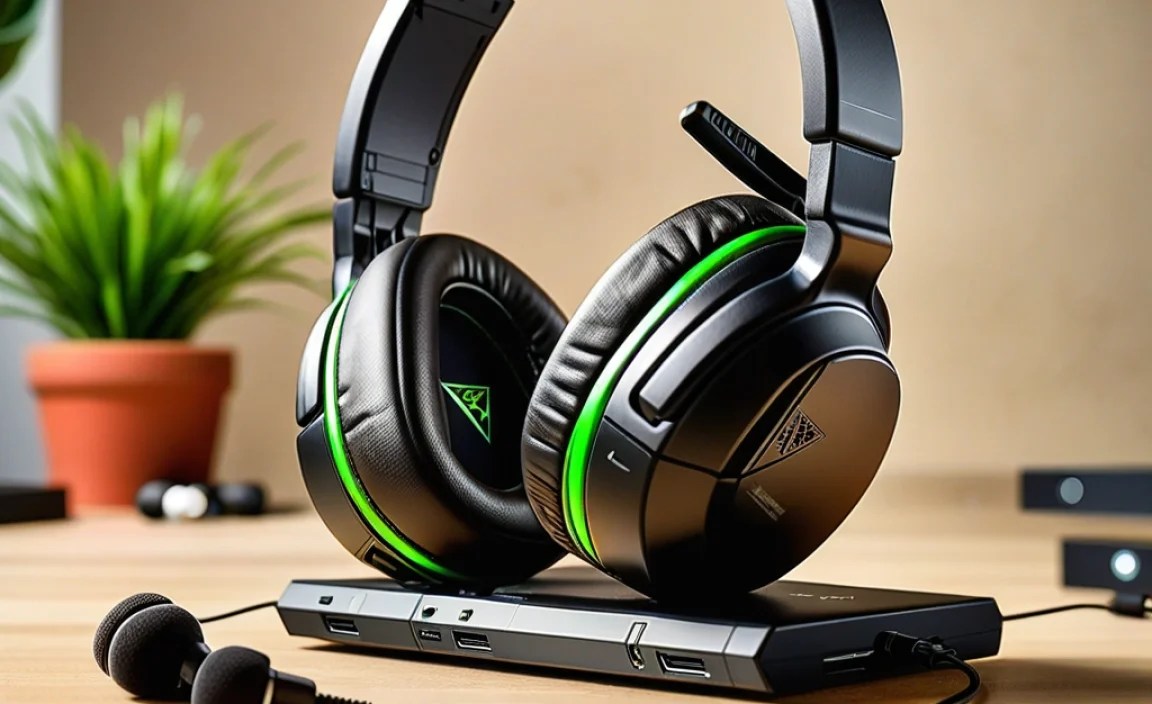
The thrill of a new piece of tech is always exciting, isn’t it? Unboxing your wireless Turtle Beach headphones is just the first step to an enhanced audio experience. Most modern wireless Turtle Beach headsets for Xbox One use a USB transmitter or connect directly via Bluetooth, making the setup process surprisingly straightforward. Here’s what you typically need to do:
What’s in the Box? (And What You Might Need)
Before you connect anything, take a moment to check the contents of your box. You’ll usually find:
- Your wireless Turtle Beach headset
- A USB transmitter (sometimes called a dongle or adapter)
- A charging cable (usually USB-C or Micro-USB)
- An audio cable (for wired connections or chat monitoring, if applicable)
- A quick start guide or manual
For initial setup, you’ll primarily need your Xbox One console and the components mentioned above. Ensure your Xbox One has an available USB port. If your headset uses Bluetooth, make sure your Xbox One console is updated, as older versions might have limited Bluetooth audio support. For the most seamless experience with Turtle Beach, the USB transmitter is usually the way to go.
Connecting Your Wireless Turtle Beach Headphones
Method 1: Using the USB Transmitter (Most Common & Recommended)
This is the most common and generally the most reliable method for wireless communication between your Turtle Beach headset and your Xbox One. It typically provides a stable connection with low latency, which is crucial for gaming.
- Charge Your Headset: Before you begin, it’s a good idea to fully charge your wireless Turtle Beach headphones. Plug the charging cable into the headset and a USB power source (like your Xbox One or a wall adapter). The charging indicator light will usually change color or turn off when fully charged.
- Plug in the USB Transmitter: Locate an available USB port on your Xbox One console. Insert the USB transmitter from your Turtle Beach headset into this port. The Xbox One should automatically detect the transmitter and install any necessary drivers. You might see a notification on your screen.
- Turn on Your Headset: Power on your Turtle Beach headphones by pressing and holding the power button. The headset and the USB transmitter should automatically pair. A steady light on both the headset and the transmitter usually indicates a successful connection.
- Configure Audio Settings on Xbox One: Navigate to your Xbox One’s settings menu. You’ll want to ensure your audio output is correctly set up. Go to Settings > General > Volume & audio output.
- Set Headset Audio: Under the “Headset audio” section, select “Headset format” and choose “Windows Sonic for Headphones” or “Dolby Atmos for Headphones” if you have it purchased (check the Microsoft Store for compatibility and purchase). For “Headset chat mixer,” you can set it based on your preference – “Chat/Game” is a balanced default. Ensure “Headset mic monitoring” is on if you want to hear your own voice in-game.
- Set Speaker Audio: For “Speaker audio,” select “HDMI audio” or “Optical audio” depending on your setup. Make sure “Chat audio” is set to “Headset” (this might seem obvious, but it guarantees chat goes to your headphones).
Method 2: Bluetooth Connection (Less Common for Turtle Beach Gaming Headsets)
While some newer Turtle Beach models might offer Bluetooth, it’s less common for primary gaming connections on Xbox One due to potential latency issues. However, if yours supports it and you prefer to free up a USB port, here’s how you might do it:
- Enable Pairing Mode: Put your Turtle Beach headset into Bluetooth pairing mode. This usually involves holding down the power button or a dedicated Bluetooth button for several seconds until an indicator light flashes rapidly.
- Access Xbox One Bluetooth Settings: On your Xbox One, go to Settings > Devices & accessories > (your controller)> Pair a headset. Alternatively, for console-wide Bluetooth discovery, you might need to look for an option within the main settings under “Devices” or “Accessories” that enables Bluetooth search.
- Connect to Your Headset: Your Xbox One should scan for nearby Bluetooth devices. Select your Turtle Beach headset from the list when it appears and follow any on-screen prompts to complete the pairing process.
- Configure Audio Settings: Once paired, you may still need to adjust your audio output settings on the Xbox One as described in Step 5 and 6 of the USB transmitter method, ensuring your Bluetooth headset is recognized for both game and chat audio.
Note: Bluetooth audio on Xbox One can sometimes be less stable or introduce noticeable lag compared to USB transmission. Always check your specific Turtle Beach model’s manual for exact pairing instructions.
Optimizing Your Sound: Turtle Beach Software and Xbox One Settings
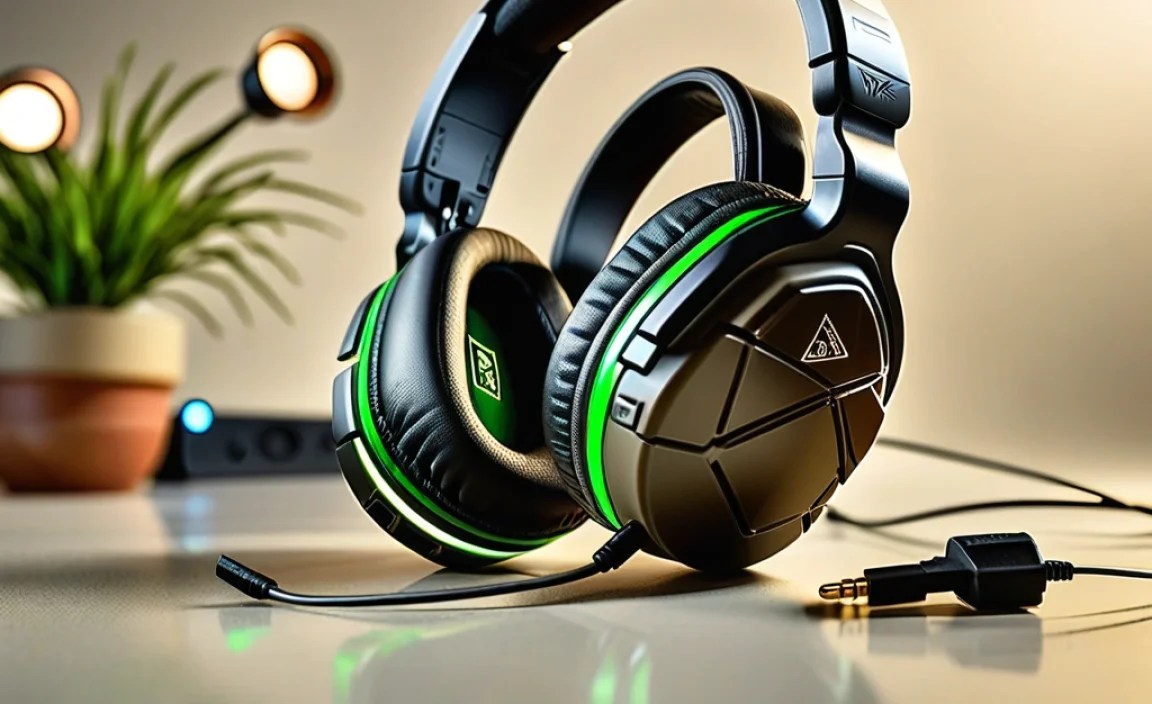
Getting connected is only half the battle. To truly immerse yourself, you’ll want to fine-tune your audio. Turtle Beach often provides features to customize your sound profiles, and your Xbox One has its own audio enhancements. Let’s explore them.
Understanding Turtle Beach Audio Presets
Many Turtle Beach headsets come with built-in audio presets designed for different types of games and media. These presets often alter the equalization (EQ) to emphasize certain sounds – like footsteps in an FPS, or bass in a music-heavy game. Common presets include:
- Superhuman Hearing: Boosts quieter sounds like enemy footsteps and reloads, giving you a competitive edge.
- Bass Boost: Enhances low-frequency sounds for a more powerful, impactful experience.
- Bass & Treble Boost: Adds punch to bass and clarity to higher frequencies.
- Vocal Boost: Makes in-game chat and dialogue clearer.
You can usually cycle through these presets by pressing a dedicated button on the headset or by using the accompanying Turtle Beach audio hub software (if your model supports it, often via PC or mobile app). Experiment with each preset in different games to find what works best for you.
Leveraging Xbox One’s Audio Enhancements
Your Xbox One also offers powerful audio settings that can complement your headset’s features. Remember the path: Settings > General > Volume & audio output.
- Headset Format: As mentioned, options like Windows Sonic for Headphones and Dolby Atmos for Headphones (requires separate purchase from the Microsoft Store) can provide virtual surround sound. This creates a more expansive audio environment, making it easier to pinpoint the direction of in-game sounds. Try each to see which you prefer.
- Headset Chat Mixer: This is your best friend for balancing game audio and voice chat. If your teammates are too loud, slide it towards “Game.” If the game is drowning out your friends, slide it towards “Chat.” Finding the sweet spot is key to effective communication.
- Mic Monitoring: This essential feature allows you to hear your own voice through the headset. It helps prevent you from shouting and ensures your mic is properly picking up your voice. You can usually adjust the level of mic monitoring in your headset’s controls or in the Turtle Beach software.
Maintaining Optimal Performance: Battery Life and Connection Stability
To keep the gaming going, maintaining your headset’s battery and connection is vital. A dead battery or a dropped signal at a crucial moment can be frustrating. Here’s how to keep everything running smoothly.
Battery Care for Wireless Headsets
Wireless headphones rely on their battery, so proper care ensures longevity and reliable playtime.
- Charge Regularly: Many users find it best to charge their headset after each gaming session or at least every few days. This prevents the battery from sitting at critically low levels for extended periods, which can degrade its capacity over time. Always use the provided charging cable or a high-quality replacement.
- Avoid Overcharging (Generally): Modern lithium-ion batteries have built-in protection to prevent overcharging. However, leaving a headset plugged in for days on end when already at 100% isn’t ideal and can, in theory, contribute to some minor degradation over the very long term. It’s generally safe, but unplugging it once charged when you remember is just good practice.
- Storage: If you plan to store your headset for an extended period (weeks or months), it’s recommended to charge it to around 50-60% capacity. Storing batteries at very high or very low charge levels for long durations can negatively impact their health. Keep it in a cool, dry place, ideally in its original packaging or a protective case.
- Check Battery Indicator: Most headsets have an LED indicator or an on-screen icon (via software or Xbox dashboard) that shows battery status. Be mindful of these indicators to know when to plug in.
Ensuring a Stable Wireless Connection
The magic of wireless is convenience, but it relies on a clean signal. Here’s how to minimize interference and maintain a strong connection:
- Minimize Distance: Keep your headset relatively close to the USB transmitter or your Xbox One. While most wireless headsets have a decent range (e.g., 30-40 feet), performance typically degrades at the outer limits. Walls and other dense materials can also obstruct the signal.
- Reduce Interference: Other wireless devices can interfere with your headset’s signal. Common culprits include microwaves, Wi-Fi routers (especially 2.4GHz bands), Bluetooth devices, and even other wireless gaming peripherals. If you experience dropouts, try moving away from these devices or temporarily turning them off. You can learn more about radio frequency interference on the Federal Communications Commission (FCC) website.
- Update Firmware: Some advanced Turtle Beach headsets can have their firmware updated via a connected PC or mobile app. These updates often include improvements to connection stability and performance. Check the Turtle Beach website for your specific model’s support page.
- Reposition Transmitter: If using a USB transmitter, try plugging it into a different USB port on your console. Sometimes, one port might have less interference than another. You can also try using a short USB extension cable to position the transmitter away from the console itself.
Troubleshooting Common Issues
Even with the best gear, occasional hiccups can occur. Don’t let a small problem stop your gaming fun! Here are some common issues and their simple solutions.
| Issue | Potential Solution(s) |
|---|---|
| No Audio Output |
|
| No Microphone Input / Chat Issues |
li& |
