
Quick Summary: This guide demystifies wired headphones for your Samsung tablet. Learn what to look for, how to connect them easily, common troubleshooting steps, and simple maintenance tips to ensure you enjoy clear, uninterrupted audio for music, calls, and more.
Wired Headphones for Your Samsung Tablet: The Essential Audio Companion

Hey there, fellow audio adventurers! Edward Cavitt here from headphonehorizon. You’ve got that awesome Samsung tablet, perfect for streaming your favorite tunes, diving into podcasts, or even joining important video calls. But to truly immerse yourself in sound, a good pair of wired headphones is your secret weapon. Forget the charging hassle and Bluetooth pairing woes – wired connections offer pure, reliable audio fidelity. This guide is your friendly roadmap to picking, using, and caring for wired headphones with your Samsung tablet, making sure every listening experience is top-notch, no matter your tech comfort level. Let’s get your sound sorted!
Why Wired Headphones Still Rock for Your Samsung Tablet
In a world buzzing with wireless everything, you might wonder if wired headphones are still relevant. For your Samsung tablet, the answer is a resounding yes! They offer a direct, stable connection that often translates to superior sound quality without lag. Plus, no batteries to worry about means they’re always ready when you are. Whether you’re a student needing a quiet study space, a music lover craving every note, or someone who just wants a reliable audio experience without fuss, wired headphones are a fantastic, fuss-free choice.
Key Benefits of Wired Headphones
- Unwavering Reliability: No interference, no dropped connections, just pure audio.
- Superior Sound Quality: Often deliver richer, more detailed sound without compression.
- Zero Latency: Perfect for watching videos or playing games where timing is crucial.
- No Charging Required: They draw power directly from your tablet, so they’re always ready.
- Cost-Effective: Generally more affordable for comparable sound quality.
Choosing the Right Wired Headphones: What to Look For

Navigating the world of headphones can feel a bit like a maze, but when it comes to wired options for your Samsung tablet, we can simplify it. The most crucial factor is the connector. Most modern Samsung tablets use a USB-C port for charging and data, and this is also where your audio will come out if there’s no dedicated headphone jack. Some older models might still have a 3.5mm audio jack.
Understanding Connectors: USB-C vs. 3.5mm
This is where things can get a little specific, depending on your Samsung tablet model. Let’s break it down:
The 3.5mm Headphone Jack: A Familiar Friend
If your tablet has a circular port labeled with a headphone icon, you likely have a 3.5mm audio jack. This has been the standard for decades and is incredibly versatile. If your tablet has this, you can use almost any standard wired headphones with a 3.5mm plug. They are generally straightforward and offer a reliable audio output.
USB-C Audio: The Modern Standard
Many newer Samsung tablets have ditched the 3.5mm jack in favor of USB-C for all connectivity, including audio. This means you’ll need headphones with a USB-C connector, or you’ll need a USB-C to 3.5mm adapter if you want to use your old favorite 3.5mm headphones. USB-C audio can offer digital audio output, which can be beneficial for sound quality. It’s important to ensure the USB-C headphones you choose are indeed designed for audio output, as not all USB-C accessories are created equal.
Deciphering Audio Features
Beyond the plug, consider these features:
- Driver Size: Larger drivers (typically 40mm or more) often produce a fuller, more powerful sound with better bass. Smaller drivers might be found in more compact or earbud-style headphones.
- Frequency Response: This indicates the range of sound frequencies a headphone can reproduce. A wider range (e.g., 20Hz – 20kHz) means it can produce deeper bass and higher treble. Most human hearing falls within this range.
- Impedance: Measured in ohms (Ω), impedance affects how much power the headphones need to produce a certain volume. For mobile devices like tablets, headphones with lower impedance (around 16-32 Ω) are usually ideal, as they don’t drain the battery as quickly and can be driven to sufficient volume by the tablet’s internal amplifier.
- Comfort and Fit: This is crucial for long listening sessions. Look for comfortable earcups (over-ear or on-ear) or secure-fitting earbuds. Adjustable headbands and soft padding make a big difference.
- Microphone and Controls: Many wired headphones come with an in-line microphone and controls for play/pause, volume adjustment, and call management. This is incredibly convenient for tablet use.
Connecting Your Wired Headphones: A Simple Process
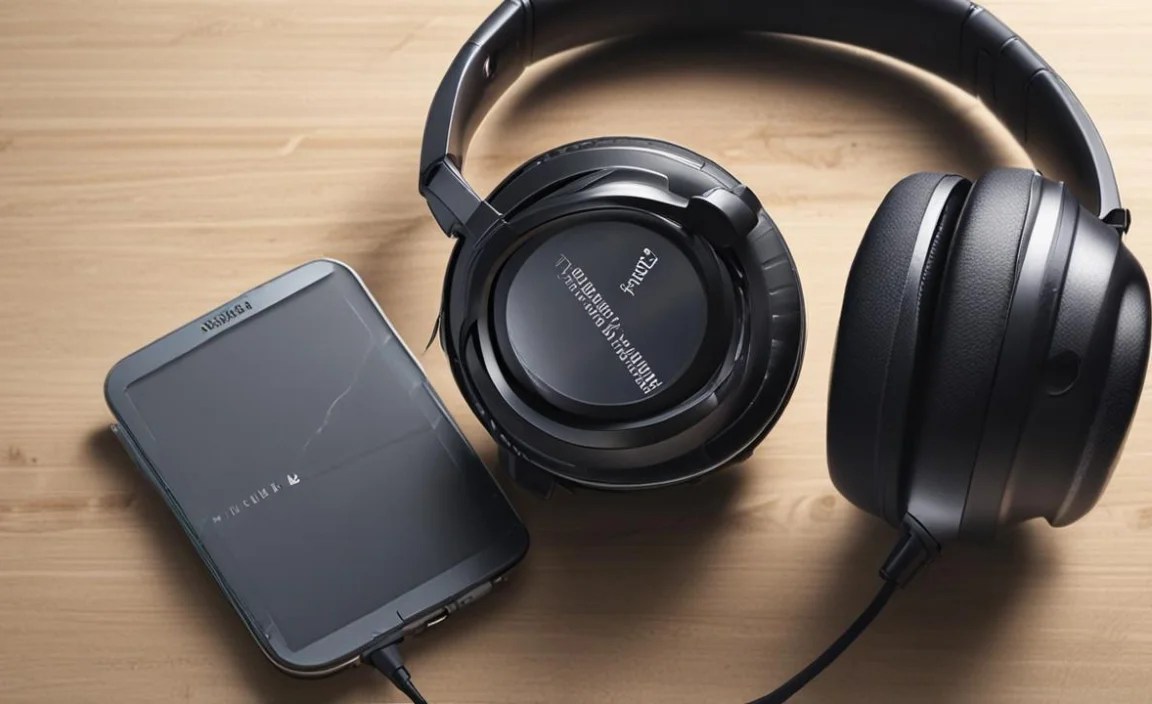
Connecting wired headphones to your Samsung tablet is usually as simple as plug-and-play. Here’s how:
For Tablets with a 3.5mm Headphone Jack
- Locate the 3.5mm headphone jack on your Samsung tablet. It’s usually found on the top, bottom, or side edge.
- Take your wired headphones and firmly insert the 3.5mm plug into the jack. You should feel a slight click or resistance when it’s fully seated.
- Your tablet should automatically detect the headphones and switch audio output to them. You might see a headphone icon appear in the notification bar.
- Test the audio by playing music, a video, or making a call. Adjust the volume using the tablet’s volume buttons or the in-line controls on your headphones, if available.
For Tablets with USB-C Audio (and no 3.5mm jack)
- Ensure your headphones have a USB-C connector.
- Locate the USB-C port on your Samsung tablet.
- Firmly insert the USB-C plug of your headphones into the tablet’s USB-C port.
- Your tablet should recognize the USB-C headphones and route audio through them. Similar to 3.5mm, a notification icon might appear.
- If you’re using a USB-C to 3.5mm adapter, plug the adapter into your tablet’s USB-C port, then plug your 3.5mm headphones into the adapter. The process then follows the 3.5mm jack method.
- Play some audio to confirm the connection and adjust volume as needed.
Tip: If your tablet doesn’t automatically switch audio, check your tablet’s sound settings. You might need to manually select the connected headphones as the audio output device. For USB-C headphones, ensure they are compatible with your specific tablet model, as some devices might have compatibility nuances.
Troubleshooting Common Wired Headphone Issues
Even the best wired headphones can sometimes act up. Don’t worry, most issues with your Samsung tablet are easily fixable. Here are some common problems and their solutions:
Issue 1: No Sound / Low Volume
- Check the Connection: Ensure the headphone plug is fully inserted into the tablet’s port (either 3.5mm or USB-C). Try unplugging and re-plugging.
- Volume Levels: Double-check that the volume on your tablet is turned up and not muted. Also, ensure any in-line volume controls on the headphones are also turned up.
- Restart Your Tablet: A simple restart can often resolve temporary software glitches that might be preventing audio output.
- Test Another Device: Try plugging your headphones into a different device (like a phone or computer) to see if they work there. If they don’t, the headphones themselves might be the issue.
- Test Other Headphones: If possible, try a different pair of headphones with your Samsung tablet. If another pair works, your original headphones might be faulty or incompatible.
Issue 2: Sound Only in One Ear
- Inspect the Plug: Look for any visible damage or debris on the headphone plug. A bent pin or dirt in the port can cause this.
- Check the Cable: Gently wiggle the cable near the plug and where it connects to the earcup. If the sound cuts in and out, there might be a break in the internal wiring.
- Clean the Port: Use a dry, soft brush (like a new toothbrush or a can of compressed air) to gently clean any dust or lint from the headphone jack or USB-C port on your tablet. Be very gentle!
Issue 3: Static or Crackling Sound
- Connection Quality: Ensure a firm connection. Loose plugs are a common culprit.
- Interference: While less common with wired connections, try moving away from other electronic devices that might cause interference.
- Cable Damage: Inspect the cable for any kinks, cuts, or fraying. Damaged cables can lead to static.
- Source Audio Quality: Sometimes, the issue isn’t the headphones but the audio file or stream itself. Try a different song or video.
Issue 4: Microphone Not Working
- Permissions: For apps that use the microphone (like video calls or voice recorders), ensure you’ve granted the app permission to access the microphone in your tablet’s settings. Go to Settings > Apps > [App Name] > Permissions.
- Correct Port Usage: Some USB-C headphones have separate microphones. Ensure your headphones are designed to transmit microphone audio through the USB-C connection.
- In-Line Mic Obstruction: If your headphones have an in-line microphone, ensure it’s not blocked by clothing or debris.
When to Seek Professional Help: If you’ve tried these steps and are still experiencing problems, or if the headphones themselves appear physically damaged, it might be time to consider repairing or replacing them. For issues with your tablet’s ports, consider contacting Samsung support or a certified repair service.
Maintaining Your Wired Headphones for Longevity
A little care goes a long way in ensuring your wired headphones sound great and last for years. Here’s how to keep them in top shape:
Essential Maintenance Tips
- Keep Them Clean:
- Earcups/Earbuds: Gently wipe down earcups or earbuds with a slightly damp, soft cloth. For removable earpads, consider a mild soap and water solution, ensuring they are completely dry before reattaching.
- Grilles: Use a dry, soft brush or compressed air to gently remove any debris from the speaker grilles. Avoid pushing anything into the grille.
- Cables: Wipe the cables with a dry cloth to remove dirt and oil.
- Proper Storage:
- Avoid Tangling: Don’t just stuff them in your bag. Gently coil the cable in a figure-eight or loop pattern, securing it with a velcro strap or a dedicated headphone case.
- Protect Them: Store them in a protective case or pouch when not in use. This prevents damage from pressure, impacts, and lint.
- Avoid Extreme Temperatures: Don’t leave your headphones in direct sunlight, a hot car, or freezing conditions, as extreme temperatures can damage the materials.
- Handle with Care:
- Pull by the Plug: Always unplug headphones by gripping the plug itself, not by yanking the cable. This prevents strain on the internal wires.
- Avoid Sharp Bends: Don’t wrap the cable too tightly around sharp edges or store them with the cable sharply bent, as this can damage the internal conductors.
Cleaning Your Samsung Tablet’s Ports
A clean port ensures a good connection. If you suspect dust or lint is an issue for your tablet’s headphone jack or USB-C port:
- Power Off: Ensure your tablet is powered off or at least airplane mode is on to prevent accidental engagement.
- Use Compressed Air: Hold the can upright and use short bursts of compressed air to blow out any loose debris from the port. Keep the nozzle a safe distance away.
- Gentle Brushing: For stubborn debris, you can use a small, dry, non-metallic brush (like a clean, soft toothbrush or a specialized electronics cleaning brush). Gently sweep debris out of the port.
- Avoid Liquids: Never insert cotton swabs, toothpicks, or liquids directly into the port, as this can cause damage or leave behind fibers.
For more on keeping your devices clean and functioning, see helpful tips from official sources like Samsung’s support pages or general consumer electronics maintenance guides.
Brands and Features to Consider
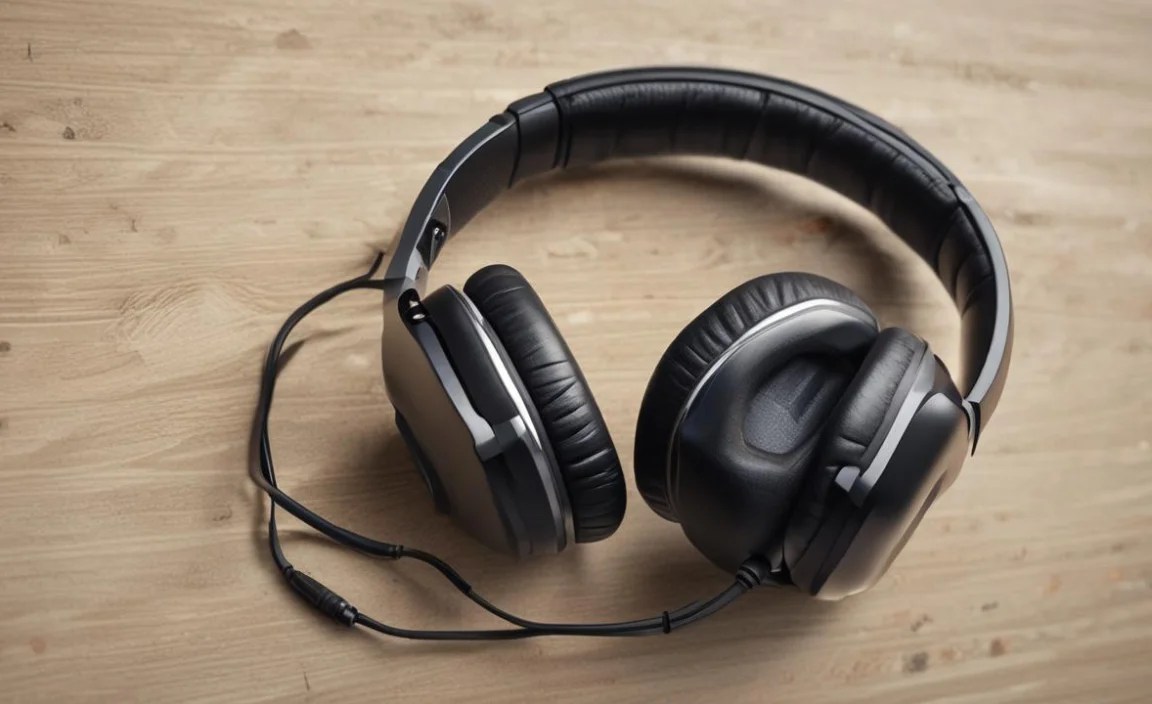
When looking for wired headphones specifically for your Samsung tablet, several brands consistently offer great quality and value. Here’s a look at some categories and what makes them stand out:
Popular Brands and Their Strengths
| Brand | Typical Strengths | Consider if… |
|---|---|---|
| Audio-Technica | Excellent sound quality, balanced audio, durability. Often a great choice for music enthusiasts. | You prioritize clear, accurate sound reproduction and are willing to invest a bit more for quality. |
| Sony | Wide range of options from affordable to premium, good bass response, comfort, and often stylish designs. | You want a reliable all-rounder with good sound and a comfortable fit, suitable for various genres. |
| Sennheiser | Renowned for clarity, detail, and natural sound reproduction. Excellent for critical listening. | You are a discerning listener who values a highly detailed and true-to-life audio experience. |
| JBL | Known for punchy bass, vibrant sound, and robust build quality. Great for energetic music and casual listening. | You enjoy music with a strong beat and want headphones that can handle diverse genres with enthusiasm. |
| Anker (Soundcore) | Offers great value for money, good sound quality for the price, and often includes microphones and controls. | You’re on a budget but don’t want to compromise too much on sound quality and functionality. |
| Samsung (Official) | Guaranteed compatibility with your tablet, often designed with USB-C audio, and can offer good, integrated features. | You want the absolute simplest plug-and-play experience and assurance of official compatibility. |
Feature Checklist for Your Purchase
Before you buy, run through this quick checklist:
- Does it have the right connector (USB-C or 3.5mm, or do you need an adapter)?
- Is the impedance suitable for mobile devices (generally 16-32 Ω)?
- Does it have an in-line microphone and controls if you need them for calls or playback?
- What is the user feedback regarding comfort and durability?
- Does the frequency response meet your listening preferences (e.g., more bass, balanced)?
- What is the return policy or warranty, just in case?
Frequently Asked Questions (FAQ)
Q1: Can I use any wired headphones with my Samsung tablet?
Generally, yes, as long as the connector matches your tablet’s port (USB-C or 3.5mm). Some very high-impedance headphones might not get loud enough from a tablet’s direct output, but for most everyday listening, standard headphones work fine.
Q2: Do I need a special adapter for USB-C headphones on my Samsung tablet?
If your tablet has a USB-C port and your headphones also have a USB-C plug, you should be able to connect them directly. If you have traditional 3.5mm headphones and your tablet only has a USB-C port, you’ll need a USB-C to 3.5mm adapter.
Q3: My tablet isn’t recognizing my wired headphones. What should I do?
First, ensure the plug is fully inserted. Try restarting your tablet. Check your tablet’s sound settings to see if headphones are recognized or if you need to manually select them. If using USB-C headphones, confirm they are designed for audio output and are compatible with your tablet model.
Q4: How do I clean the headphone jack on my Samsung tablet?
Be very gentle! Power off your tablet. Use a can of compressed air to blow out debris. If needed, use a dry, soft, non-metallic brush. Avoid inserting anything metallic or liquid into the port.
