
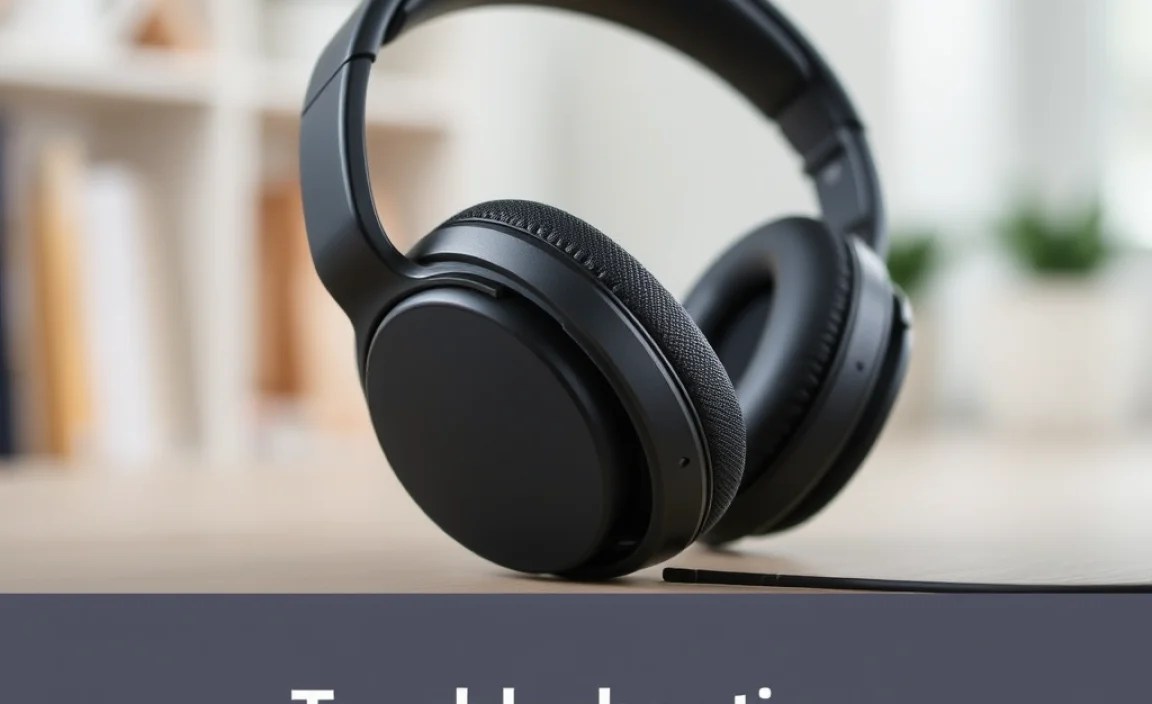
The best kids’ wireless headphones offer a combination of safety features, sound quality, and comfort, ensuring that children enjoy an optimal audio experience while parents have peace of mind.
Wireless headphones for kids are more than just a fancy tech accessory; they ensure children enjoy their audio content safely and comfortably. With advanced features designed for young ears, these headphones help protect against volume-induced hearing damage. They also offer freedom of movement, making them ideal for young users. With an array of options available, choosing the best pair requires understanding specific features and benefits.
Key Takeaways
- Volume Limiting: Essential for protecting children’s ears from high decibel levels.
- Comfort Features: Lightweight design and cushioned ear pads for extended use.
- Durability: Sturdy construction to withstand rough handling.
- Bluetooth Connectivity: Allows hassle-free wireless setup.
- Battery Life: Long-lasting power for uninterrupted use.
- Parental Controls: Additional safety through app-based settings.
These key features ensure both child enjoyment and parental peace of mind, making the selection of wireless headphones for kids a thoughtful process.
What is Best Kids Wireless Headphones?

Kids’ wireless headphones are designed to cater specifically to children, ensuring both safety and quality. They are built to withstand the wear and tear from kids, with features like volume limitation to prevent hearing damage and easy connectivity through Bluetooth. Choosing the right pair involves understanding the specific needs and features that make them stand out.
Key Features of Kids Wireless Headphones
- Volume Limiting: Ensures audio does not exceed recommended levels for children.
- Durability: Made with robust materials to endure rough handling.
- Comfort: Soft ear cushions and adjustable headbands for a snug fit.
- Bluetooth Connectivity: Seamless connection with devices minus the tangling wires.
- Battery Life: Long-lasting playtime to keep kids entertained without frequent recharges.
Kids’ wireless headphones are thoughtfully designed to cater to young users, focusing on protecting their hearing and ensuring comfort during extended use.
Why Best Kids Wireless Headphones is Important?

Wireless headphones for children are crucial as they combine safety with the freedom of wireless technology. They ensure young ears are protected and provide flexibility for movement without the hassles of cables. Understanding their importance helps in making informed decisions for child safety and enjoyment.
Benefits of Kids Wireless Headphones
- Safety: Volume limiting features protect delicate hearing.
- Convenience: Wireless design allows for movement without cable restrictions.
- Enhanced Experience: Helps in immersive learning and enjoyment of educational content.
- Durability: Built to withstand the typical wear and tear caused by children.
- Portability: Lightweight and foldable designs make them travel-friendly.
Choosing wireless headphones for kids provides benefits that cater to both the child’s enjoyment and the parent’s peace of mind by ensuring safety and convenience.
Step-by-Step Guide to Best Kids Wireless Headphones

Step 1: Determine the Right Features
- Assess Need: Determine the primary use—music, learning, gaming.
- Volume Limit: Ensure headphones have a safe volume cap.
- Durability: Check for materials that withstand rough handling.
Identifying the necessary features based on your child’s needs helps in narrowing down the options effectively.
Step 2: Set a Budget
- Price Range: Determine how much you are willing to spend.
- Quality vs. Cost: Balance between affordable and high-quality features.
Setting a budget allows you to focus on models that provide the best value for your money.
Step 3: Compare Brands and Models
- Research: Explore reputable brands known for quality kids’ headphones.
- User Reviews: Check feedback from other parents for insights.
- Feature Comparison: Compare based on safety, comfort, and durability.
Comparing different models and brands helps ensure that you choose a pair that fits your child’s needs and your standards.
Step 4: Evaluate Connectivity Options
- Bluetooth Range: Check for stable connectivity range suitable for home use.
- Compatibility: Ensure headphones are compatible with your child’s devices.
Evaluating connectivity options ensures that the headphones will work seamlessly with your existing devices.
Step 5: Consider Additional Features
- Parental Controls: Look for headphones with app-based settings.
- Microphone: Consider if a built-in mic is needed for online learning.
Additional features can significantly enhance the utility of the headphones, making them more versatile for various uses.
Alternative Methods / Tools
Wired Headphones
- Cost-Effective: Generally cheaper than wireless options.
- No Battery Concerns: No need to charge, always ready for use.
While wired headphones are a more budget-friendly option, they lack the freedom and flexibility of wireless technology.
Bone-Conduction Headphones
- Safe Listening: Do not block ear canal, allowing ambient sound awareness.
- Unique Technology: Transmits sound through cheekbones.
Bone-conduction headphones offer a unique listening experience but may not provide the sound quality of traditional headphones.
Troubleshooting Common Issues
Connection Problems
- Re-Pair Device: Remove and reconnect the headphones.
- Check Range: Ensure the device is within the Bluetooth range.
Resolving connectivity issues often involves re-pairing devices and ensuring proper range and compatibility.
Sound Quality Issues
- Check Source: Ensure the audio file or stream is of good quality.
- Firmware Update: Update headphone software if available.
Improving sound quality involves checking both the audio source quality and keeping device firmware up-to-date.
Advanced Techniques
Firmware Updates
- Regular Checks: Look for firmware updates from the manufacturer.
- Enhance Performance: Updates can improve connectivity and sound quality.
Keeping the headphones’ firmware updated ensures optimal performance and can resolve minor issues.
Sound Optimization
- Use Equalizer Apps: Customize sound settings for better audio experience.
- Adjust Device Settings: Fine-tune audio settings on the streaming device.
Optimizing sound through software adjustments can significantly enhance the listening experience for kids.
Prevention & Maintenance Tips
- Regular Cleaning: Wipe down headphones with a damp cloth to keep them clean.
- Store Properly: Use a carrying case to protect them from damage.
- Check for Damage: Regularly inspect for any wear and tear.
Regular maintenance and proper storage can greatly extend the lifespan of kids’ wireless headphones.
According to NIDCD 2024, approximately 15% of children aged 6-19 have some level of hearing loss due to high volume exposure.
Pew Research Center 2025 found that 65% of parents prefer wireless headphones for their children due to safety features.
The CDC 2025 reports that prolonged exposure to loud sounds is a leading cause of hearing impairment in children.
Comparison of Wireless vs. Wired Kids Headphones
| Type | Difficulty | Speed | Best For | Notes |
|---|---|---|---|---|
| Wireless | Medium | Quick Setup | Active kids | Offers freedom of movement |
| Wired | Easy | Instant Use | Budget-conscious parents | No charging needed |
Conclusion
Investing in the best kids’ wireless headphones is a wise decision to ensure the safety and enjoyment of your child’s audio experience. By considering factors such as volume limiting, durability, and comfort, you can make an informed choice that balances quality and cost-effectiveness. Always remember, the right pair enhances learning and entertainment while safeguarding young ears.
Frequently Asked Questions
Question 1: What Features Should I Look for in Kids’ Wireless Headphones?
Answer: Look for volume limiting, comfort, durability, and Bluetooth connectivity.
Question 2: Are Wireless Headphones Safe for Kids?
Answer: Yes, when equipped with volume-limiting features to protect hearing.
Question 3: How Can I Ensure the Headphones Fit My Child Properly?
Answer: Choose models with adjustable headbands and padded ear cups.
Question 4: What is the Ideal Battery Life for Kids’ Wireless Headphones?
Answer: Ideally, seek 8-12 hours of battery life for uninterrupted use.
Question 5: Can Kids Use Wireless Headphones for Online Learning?
Answer: Yes, look for models with a built-in microphone for clear communication.
Question 6: How Do I Maintain My Child’s Headphones?
Answer: Regularly clean and store them in a protective case to extend lifespan.
Question 7: Are There Alternatives to Wireless Headphones for Kids?
Answer: Yes, consider wired headphones or bone-conduction models for different needs.
Question 8: Do Wireless Headphones Work with All Devices?
Answer: Most work with Bluetooth-enabled devices; check compatibility before purchasing.
Question 9: How Can I Troubleshoot Connection Issues?
Answer: Re-pair the device and ensure it is within Bluetooth range for a stable connection.
