
Discover the best studio headphones that won’t break the bank! This guide explains what to look for, recommends excellent budget-friendly options, and helps you find amazing value for clear, accurate sound, whether for music creation or critical listening.
Best Studio Headphones Cheap: Proven Value for Every Listener

Hey audio adventurers, Edward Cavitt here from headphonehorizon! Diving into the world of studio headphones can feel a bit like deciphering a secret code, especially when you’re mindful of your budget. You want that crisp, honest sound that helps you hear every detail in your music, but the price tags can sometimes make your wallet do a quick exit. The good news?
You absolutely can find fantastic studio headphones that deliver proven value without costing a fortune. Whether you’re a budding producer, a dedicated music lover, or just someone who appreciates clear audio, this guide is your friendly roadmap to finding your perfect affordable sonic companion. Let’s explore what really matters and uncover some gems!
Why “Cheap” Doesn’t Mean “Bad” for Studio Headphones

The term “cheap” often gets a bad rap, conjuring images of flimsy build quality and muddy sound. However, when it comes to studio headphones, particularly in the beginner-friendly and budget-conscious categories, “cheap” really translates to “great value.”
This means you’re getting excellent performance and features for your money, rather than paying a premium for marketing hype or extra bells and whistles you might not need.
The goal of studio headphones is accuracy – to reproduce sound as truthfully as possible, without coloring it. Many affordable models excel at this, making them perfect not just for recording and mixing, but for anyone who wants to hear their favorite tracks with newfound clarity.
Think of it like this: a painter doesn’t need the most expensive, brand-new brush to create a masterpiece, but they do need a brush that holds its shape and applies paint evenly. Similarly, a budget-friendly studio headphone needs to accurately present sound, and many do this with remarkable skill.
The innovation in audio technology means that what was once considered high-end is now accessible at much lower price points. Companies are constantly refining their designs and materials, bringing higher fidelity to more people.
What to Look For in Affordable Studio Headphones

Before we jump into specific recommendations, let’s equip you with the knowledge to make an informed decision. Understanding these key features will help you identify true value:
1. Sound Signature (Neutrality is Key)
- The Goal: Studio headphones aim for a neutral or flat frequency response. This means they don’t artificially boost bass or treble.
- Why it Matters: If you’re mixing music, a neutral sound helps you make accurate decisions. For listening, it reveals the true sound of your recordings, uncolored by exaggerated frequencies.
- Beginner Tip: Avoid headphones marketed with “extra bass” or “super crisp highs” if you want studio accuracy.
2. Open-Back vs. Closed-Back Design
- Closed-Back Headphones: These have a solid casing that encloses the earcups.
- Pros: Excellent sound isolation (prevents ambient noise from entering and your music from leaking out), great for recording vocals or instruments where sound leakage would be a problem.
- Cons: Can sometimes sound a bit more “stifled” or less spacious than open-backs, can cause listener fatigue over long sessions due to heat buildup.
- Open-Back Headphones: These have perforated or grated earcups, allowing air and sound to pass through.
- Pros: Often provide a wider, more natural soundstage (perceived sense of space and imaging), generally more comfortable for extended listening sessions as they breathe better.
- Cons: Little to no sound isolation – sound leaks out and in, making them unsuitable for recording in noisy environments or in public.
For most beginners focused on listening or mixing at home where noise isn’t a factor, open-backs can offer a more immersive experience. If you need to block out the world or prevent your audio from being heard by others, closed-backs are your go-to.
3. Comfort and Fit
You’ll likely be wearing these for extended periods, so comfort is paramount.
- Earcup Material: Look for plush padding (velour or soft leatherette) that doesn’t create too much pressure.
- Headband: It should be well-padded and adjustable to fit your head securely but gently.
- Weight: Lighter headphones are generally more comfortable for long sessions.
4. Build Quality and Durability
Even on a budget, you want headphones that feel solid and are built to last. Check reviews for common complaints about creaking plastic or easily breaking parts. Metal components, while sometimes increasing cost, often signify better durability.
5. Impedance and Sensitivity
- Impedance (Ohms, Ω): This measures electrical resistance. Lower impedance (under 50 Ω) is ideal for direct connection to computers, smartphones, and most audio interfaces without needing a dedicated amplifier. Higher impedance headphones (over 100 Ω) generally require an amplifier to reach adequate listening volumes and perform optimally.
- Sensitivity (dB/mW): This indicates how loud the headphones get with a given amount of power. Higher sensitivity means they’ll play louder with less power.
- Beginner Recommendation: Stick to headphones with lower impedance (below 50 Ω) and decent sensitivity for hassle-free use right out of the box.
6. Connector Type and Cable
- Detachable Cable: A huge plus! If the cable frays or breaks, you can easily replace it instead of the entire headphone.
- Connector: Most studio headphones use a standard 3.5mm (1/8-inch) connector for broad compatibility, often with a screw-on 1/4-inch (6.35mm) adapter for larger audio equipment.
- Cable Length: Longer cables (around 10 feet / 3 meters) are generally better for studio use, giving you freedom to move.
Top Picks: Best Studio Headphones Cheap (Proven Value)

Now for the exciting part! Based on extensive research and common recommendations from the audio community, here are some of the best studio headphones you can find that offer exceptional value for their price. These are frequently lauded for their performance that punches well above their weight class.
I’ve categorized them slightly to help you decide based on your primary need (though many perform well in multiple areas).
Best All-Around Value (Closed-Back)
When you need a balance of decent sound, isolation, and affordability, these are often the first to come up.
Audio-Technica ATH-M40x
While slightly above the absolute “cheapest,” the ATH-M40x is often found at prices that represent incredible value, especially when compared to its siblings or competitors. It’s the most neutral and studio-focused of the M-series, offering a very honest sound representation.
- Sound: Flat frequency response, clear mids, detailed highs, and controlled bass. Excellent for critical listening and mixing.
- Comfort: Decent. Earcups are replaceable and swivel for a good seal. Can feel a bit snug for some with larger ears.
- Build: Robust, professional construction with durable materials.
- Features: Detachable cable (two included: straight and coiled), foldable design for portability, comes with a carrying pouch. Impedance is 35 Ohms, making them easy to drive.
Why it’s a proven value: It offers a sound profile very close to more expensive monitors, with a build quality that stands up to regular use. It’s a workhorse for many home studios.
Best for Immersive Listening (Open-Back)
If you crave a spacious, natural soundstage for enjoying music or uncolored mixing at home, open-backs shine.
Sennheiser HD 559
The successor to the beloved HD 558, the HD 559 offers a significant step up in soundstage and detail for its price point within the Sennheiser lineup. It’s a fantastic performer for its cost.
- Sound: Wide and natural soundstage, clear and articulate mids, smooth highs, and a balanced bass that doesn’t overpower. Very natural and pleasing to listen to for extended periods.
- Comfort: Excellent! Plush earcups and a lightweight design make them a joy to wear for hours.
- Build: Decent, typical of Sennheiser’s consumer-grade open-backs. Mostly plastic, but feels well-put-together.
- Features: Non-detachable cable (though some DIY mods exist), comfortable one-year warranty for peace of mind. Impedance is 50 Ohms, easily driven by most devices.
Why it’s a proven value: Delivers an open and airy listening experience that rivals headphones costing much more, coupled with exceptional comfort. It’s a great entry into open-back enjoyment.
The Absolute Budget King (Closed-Back)
When budget is the absolute top priority, and you need something that still performs respectably.
Samson SR850
This is the legendary king of budget studio headphones. It often gets recommended for its surprisingly good sound quality considering its extremely low price. It also has some semi-open characteristics that give it a nice soundstage for a non-open-back design.
- Sound: Surprisingly detailed for the price, with a decent soundstage that feels wider than many other closed-backs in this bracket. Bass is present but can be a bit loose; mids and highs are clear enough for basic mixing and enjoyable listening.
- Comfort: The self-adjusting headband is a unique feature that can be hit or miss, but generally provides a secure fit. Earcups are comfortable for shorter to medium sessions.
- Build: Primarily plastic, it feels adequate for the price. Not tank-like, but functional.
- Features: Non-detachable cable is a drawback, but at this price, it’s understandable. Impedance is 32 Ohms, very easy to drive.
Why it’s a proven value: It’s almost impossible to find a headphone with this level of sonic performance for less. It’s a fantastic starting point for anyone dipping their toes into audio production or seeking a more honest sound on a shoestring budget. For more information on audio quality, you can check out resources like Rtings.com’s headphone measurement database, which details frequency responses and other technical aspects for many models.
Another Strong Contender (Excellent for Music Lovers)
If you want a headphone that’s great for enjoying music accurately but also capable of basic studio work, this one gets a lot of love.
AKG K92
AKG is known for its studio heritage, and the K92 is their entry-level offering that brings a touch of their pro sound to the masses without a high price. It’s a closed-back design offering good isolation.
- Sound: Balanced and clear sound with a pleasant, slightly warm signature. Good detail retrieval and a pleasing, natural response. They are easy to listen to for long durations without fatigue.
- Comfort: Lightweight with well-padded earcups. The auto-adjusting headband is similar to the Samson SR850s and generally comfortable.
- Build: Solid build for the price point, featuring a stylish, professional look.
- Features: Non-detachable cable, but it’s quite long (around 9.8 feet / 3 meters). Impedance is 32 Ohms, so easily powered by any device.
Why it’s a proven value: Offers a sophisticated sound profile and a comfortable fit that belies its budget-friendly cost. It’s versatile enough for both casual listening from your phone and basic home studio tasks.
Quick Comparison Table
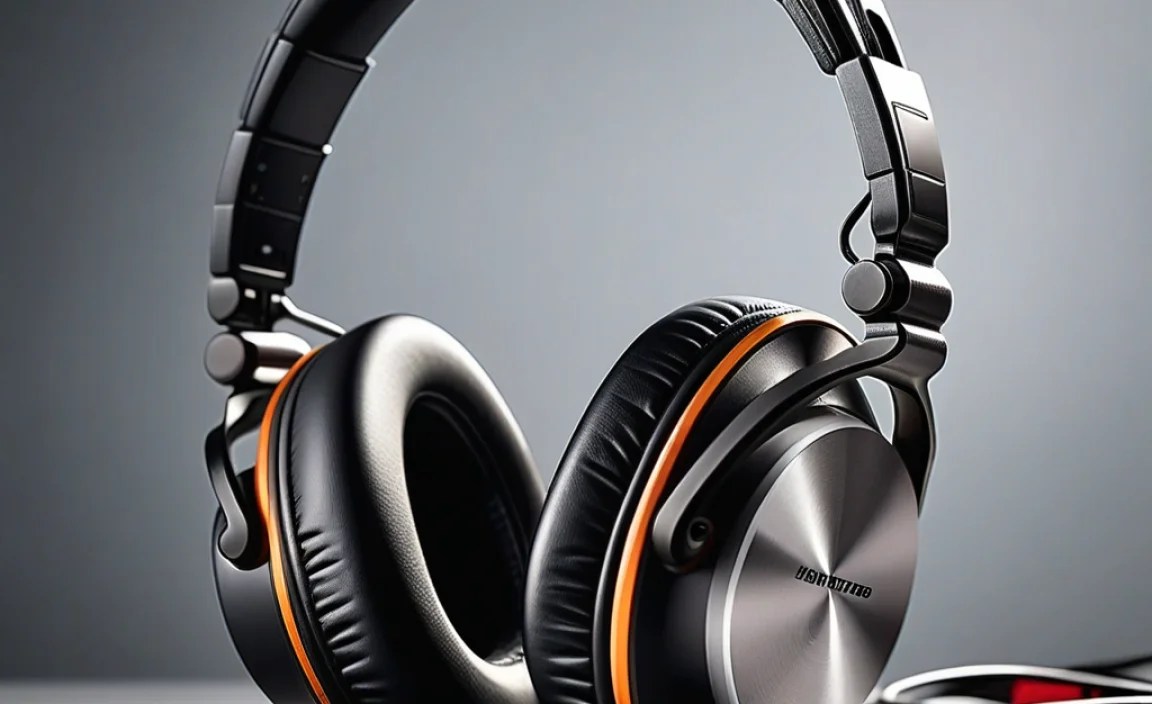
To help you visualize the differences, here’s a quick look at some key specs and characteristics for the models discussed:
| Model | Type | Impedance (Ω) | Soundstage | Isolation | Comfort | Detachable Cable | Approx. Price Range (USD) |
|---|---|---|---|---|---|---|---|
| Audio-Technica ATH-M40x | Closed-Back | 35 | Moderate | Good | Good | Yes | $100 – $130 |
| Sennheiser HD 559 | Open-Back | 50 | Wide & Natural | Poor | Excellent | No | $120 – $150 |
| Samson SR850 | Semi-Open (can lean closed) | 32 | Surprisingly Wide | Fair | Good | No | $40 – $60 |
| AKG K92 | Closed-Back | 32 | Moderate | Good | Good | No | $50 – $70 |
Note: Prices are approximate and can fluctuate based on sales, retailers, and region. Always shop around for the best deal!
How to Get the Most Out of Your Budget Studio Headphones
Finding great headphones is only half the battle. Here’s how to ensure you’re getting the best experience:
1. Invest in Your Source
Even the best headphones can sound mediocre if the audio source is poor. Consistently use high-quality audio files (FLAC, WAV) or streaming services set to their highest quality. If you’re using a computer, try to plug directly into the motherboard’s audio output or, ideally, a USB audio interface. For mobile devices, a decent DAC (Digital-to-Analog Converter) dongle can make surprising improvements.
2. Proper Fit is Crucial
Ensure the headphones create a good seal around your ears (for closed-backs) or sit comfortably (for open-backs). Adjust the headband so they feel secure but not tight. A poor fit can negatively impact bass response and overall sound clarity.
3. Give Them a Chance to “Warm Up”
Some headphones, especially at lower price points, can sound a bit stiff out of the box. Playing music through them for a few hours (run-in or burn-in) can sometimes subtly smooth out their sound. This is more about your ears getting used to them and any tiny manufacturing residues settling than a drastic sonic change, but it doesn’t hurt!
4. Listen at Reasonable Volumes
Studio headphones are designed to reveal detail, not to blast your eardrums. Listening at moderate volumes will protect your hearing and allow you to accurately perceive the nuances of your audio. For context, the National Institute on Deafness and Other Communication Disorders (NIDCD) recommends limiting exposure to noise above 85 decibels.
5. Keep Them Clean
Earwax and skin oils can accumulate, affecting sound and hygiene. Gently wipe down the earcups regularly with a slightly damp cloth (water only, or a very mild soap if necessary, then wiped clean with plain water). For velour earpads, a soft brush can help remove dust.
Maintaining Your Affordable Studio Headphones
These budget-friendly gems are often more robust than they look, but a little care goes a long way:
- Store them properly: If they came with a case or pouch, use it! If not, find a safe place where they won’t get crushed.
- Handle cables with care: Don’t yank on the cable to disconnect. Coil them loosely, avoiding tight bends at the connector.
- Replace worn earpads: If the padding flattens or becomes uncomfortable, look for replacement earpads. This can breathe new life into older headphones and improve comfort and seal.
- Protect from moisture: Never expose your headphones to rain or excessive moisture.
Frequently Asked Questions (FAQ)
1. Can I use these “cheap” studio headphones for everyday listening?
Absolutely! In fact, many
