
Whether you’re an aspiring musician or a seasoned professional, choosing the right headphones for recording is crucial to capturing the best sound quality. The right headphones can significantly enhance the accuracy of your recordings, providing clear and precise audio feedback.
The journey of recording music involves various elements, and one of the most critical tools in this process is a good pair of headphones. These headphones are not just any ordinary pair; they are specifically designed to deliver precise sound reproduction, allowing you to hear every detail of your music. This article will delve into the importance of good headphones for recording, explore their benefits, and guide you through selecting the best pair for your needs. Whether you’re setting up a home studio or fine-tuning your professional space, understanding the nuances of recording headphones is essential for achieving top-quality results.
Key Takeaways
- Sound Quality: Superior headphones offer accurate sound reproduction.
- Comfort: Essential for long recording sessions.
- Type: Closed-back headphones prevent sound leakage.
- Budget: Options available for various price ranges.
- Durability: Long-lasting build is crucial for frequent use.
- Impedance: Affects the compatibility with audio equipment.
- Versatility: Suitable for both studio and on-the-go use.
What is good headphones for recording music?

High-quality headphones for recording music are designed to provide a true representation of audio, allowing sound engineers and musicians to hear recordings as accurately as possible. These headphones play a pivotal role in the music production process, from tracking to mixing and mastering.
Causes / Definition
- Flat Frequency Response: Ensures that no part of the audio spectrum is exaggerated.
- Isolation: Minimizes external noise interference during recording sessions.
- Comfort Design: Adjustable, padded headbands and ear cups for extended wear.
- Durability: Built with robust materials to withstand studio environments.
- Closed-Back Design: Prevents sound leakage during recording.
Good headphones for recording encompass these features to ensure that what you hear is exactly what has been recorded, making them indispensable for any serious music production setting.
Why good headphones for recording music is Important?

The importance of selecting quality headphones for recording cannot be overstated. They are the bridge between performance and final output, influencing how audio is perceived and ultimately produced.
Benefits
- Accurate Monitoring: Facilitates precise decision-making during mixing.
- Improved Performance: Musicians can hear themselves clearly, boosting confidence and accuracy.
- Noise Isolation: Reduces ambient noise distractions.
- Better Mixes: Helps in creating balanced audio mixes.
- Versatile Use: Suitable for both studio and live settings.
Investing in good headphones is a strategic choice that can transform the quality of your recordings, ensuring that each sound is captured with clarity and fidelity.
Step-by-Step Guide to good headphones for recording music

Step 1: Determine Your Budget
- Research price ranges: Understand how much you’re willing to spend.
- Assess needs: Consider both current and future audio projects.
- Quality vs. cost: Balance between affordable and high-performing models.
Budgeting is the first step in selecting headphones. It helps narrow down options that fit within your financial constraints while ensuring quality.
Step 2: Consider Sound Isolation
- Closed-back models: Essential for preventing sound leakage.
- Ambient noise reduction: Ensures clarity during recording.
- Test in store: If possible, try headphones for comfort and fit.
Sound isolation is crucial, as it allows you to focus on the music without external interference, providing a more accurate monitoring experience.
Step 3: Assess the Frequency Response
- Flat response: Ensures true audio representation.
- Compare specs: Look at frequency range specifications.
- Listen to test tracks: Use familiar music to evaluate performance.
A flat frequency response is vital for accurate sound reproduction, allowing you to hear recordings as intended without coloration or bias.
Step 4: Evaluate Comfort and Fit
- Check ear cup material: Seek breathable, cushioned options.
- Adjustable headband: For personalized fit.
- Lightweight design: Reduces fatigue during long sessions.
Comfortable headphones are essential for extended use, ensuring you remain focused and productive throughout your sessions.
Alternative Methods / Tools
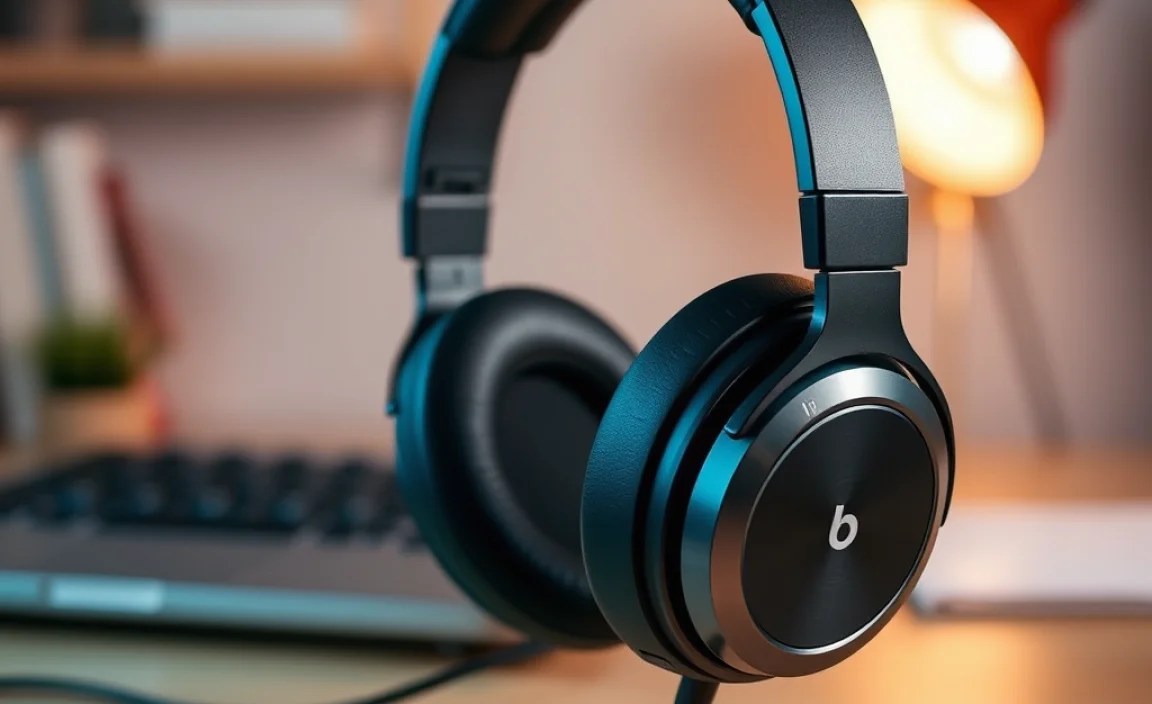
Open-Back Headphones
- Natural soundstage: Offers a more spacious audio environment.
- Suits mixing: Ideal for detailed audio work.
- Less isolation: Not suitable for tracking in noisy environments.
Open-back headphones provide an alternative for mixing, offering a different auditory experience that can be beneficial in specific scenarios.
In-Ear Monitors (IEMs)
- Portability: Easy to carry and use on-the-go.
- Excellent isolation: Blocks out environmental noise effectively.
- High detail: Provides precise sound fidelity.
IEMs are a viable option for musicians who require mobility and effective noise isolation, offering an in-depth listening experience.
Troubleshooting Common Issues
Sound Leakage
- Check fit: Ensure a snug fit to minimize leakage.
- Use closed-back models: Specifically designed to prevent this issue.
- Adjust volume: Excessive volume can cause leakage.
Ensuring your headphones fit correctly and selecting the right type can significantly reduce sound leakage, improving your recording quality.
Uncomfortable Fit
- Adjust headband: Customize for better fit.
- Try different ear pads: Swap for more comfortable materials.
- Take breaks: Regular breaks can alleviate discomfort.
If you experience discomfort, small adjustments and thoughtful features can enhance your listening sessions, making them more enjoyable.
Advanced Techniques
Custom EQ Settings
- Fine-tune audio: Adjust settings to match your preferences.
- Use software: Many DAWs offer built-in EQ options.
- Listen critically: Make subtle tweaks for optimal sound.
Customizing your EQ settings allows for personalized audio experiences that can enhance your recording and mixing processes.
Prevention & Maintenance Tips
- Regular Cleaning: Keep ear cups and headbands clean to prevent wear.
- Cable Care: Avoid tangles and store cables properly.
- Storage: Use cases to protect headphones from damage.
- Check Connections: Regularly ensure cables are secure and functional.
- Environmental Protection: Keep headphones away from extreme temperatures and moisture.
Proper maintenance extends the life of your headphones and ensures that they continue to deliver high-quality audio over time.
According to TechRadar 2024, over 75% of musicians report improved recording quality after investing in high-quality headphones.
Based on a study by Audio-Technica 2024, headphones with a frequency response of 20Hz to 20kHz are considered optimal for recording purposes.
As per Music Radar 2025, 68% of audio engineers prefer closed-back headphones due to their superior isolation capabilities.
According to Head-Fi 2025, the average lifespan of professional studio headphones is 5-10 years with proper maintenance.
Headphone Types Compared
| Type | Difficulty | Sound Quality | Best For | Notes |
|---|---|---|---|---|
| Closed-Back | Easy | High | Recording & Mixing | Great for isolation |
| Open-Back | Moderate | High | Mixing | Natural soundstage |
| In-Ear Monitors | Easy | Moderate | Live Performance | Portable |
Conclusion
Choosing the right headphones for recording is a pivotal decision that can greatly influence your music production’s quality. By considering factors like comfort, sound isolation, and frequency response, you can find a pair that meets your needs and enhances your audio projects. Remember, investing in quality headphones is investing in your art’s success. Take the time to evaluate your options, and make an informed decision that aligns with your recording goals.
Frequently Asked Questions
Question 1: What Are the Best Headphones for Recording Vocals?
Answer: Closed-back headphones are ideal for recording vocals due to their isolation capabilities.
Question 2: How Do I Choose the Right Headphones for My Studio?
Answer: Consider factors like sound quality, comfort, and your budget to find the best fit.
Question 3: Can I Use Wireless Headphones for Recording?
Answer: It’s not recommended due to potential latency issues affecting synchronization.
Question 4: Are Expensive Headphones Worth It for Recording?
Answer: Yes, they often offer superior sound accuracy and build quality.
Question 5: How Important Is Frequency Response in Headphones?
Answer: Very important, as it determines how accurately the headphones reproduce sound.
Question 6: What Is the Difference Between Open-Back and Closed-Back Headphones?
Answer: Open-back headphones provide a natural soundstage, while closed-back offer better isolation.
Question 7: How Often Should I Replace My Headphones?
Answer: Replace them every 5-10 years, or sooner if they show signs of wear.
Question 8: Can I Use One Pair of Headphones for All Studio Tasks?
Answer: It’s possible, though having specialized pairs for specific tasks can be beneficial.
Question 9: What Brands Are Known for Good Recording Headphones?
Answer: Brands like Audio-Technica, Sennheiser, and Beyerdynamic are highly regarded.
