
Did you ever wonder why some headphones break easily while others last for years? Many people don’t think about durability until it’s too late. Imagine your favorite pair of headphones suddenly cracking during your favorite song. It can be really frustrating!
In our headphone guide, we share essential tips for ensuring your headphones last longer. You don’t want to spend your money on a pair that won’t survive the daily grind.
Finding the right headphones can feel overwhelming. With so many options, how do you choose the best ones for durability? Don’t worry! We will help you with some simple tips that make a big difference. Your headphones can be your best friends if you know how to take care of them. Get ready to unlock the secrets to lasting sound!
Headphone Guide: Durability Tips For Lasting Quality

Headphone Guide Durability Tips
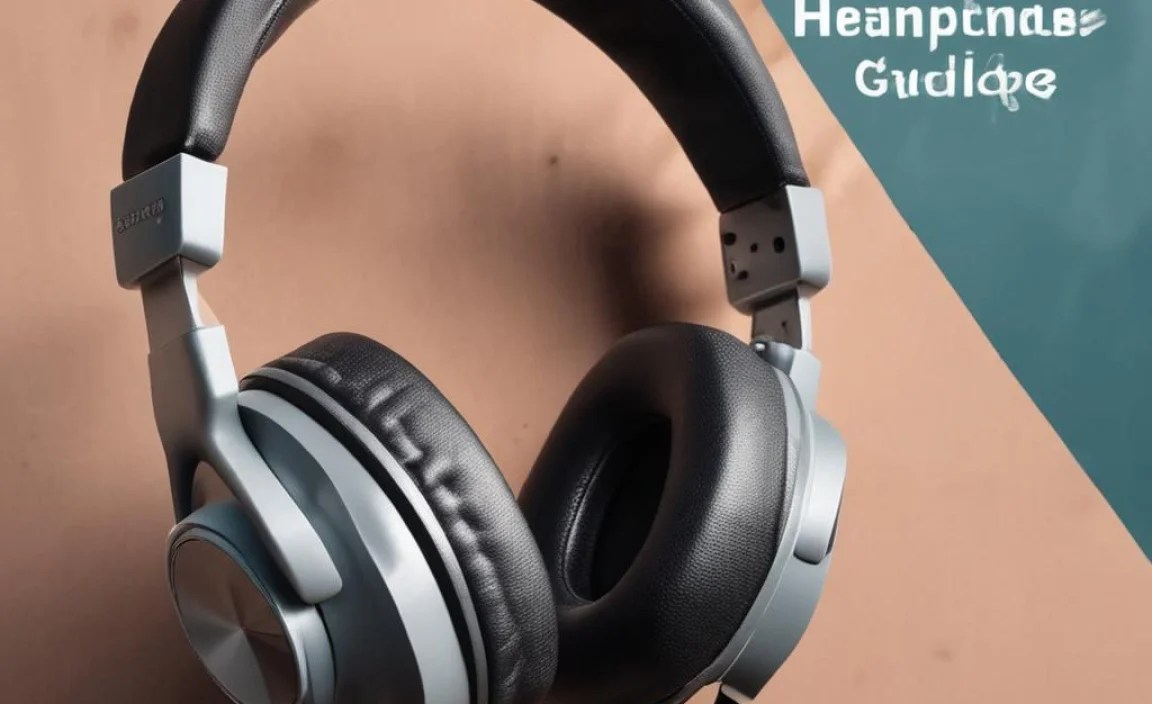
Choosing the right headphones is essential
for lasting enjoyment. Did you know that some materials are tougher than others? Look for models with strong cords and quality ear cups. Regular cleaning can also help extend their life. Avoid winding cables tightly; instead, coil them gently. Fun fact: taking care of your headphones can make them last years longer! Follow these durability tips to keep your sound experience clear and enjoyable for many adventures.
Identifying Durability Ratings and Standards

Explanation of durability ratings relevant to headphones. Importance of IP ratings and military standards.
Durability ratings tell us how tough headphones are. One important standard to know is called IP rating. It measures water and dust resistance. For example, an IP57 rating means the headphones can handle splashes and some dust. Another set of standards is military ratings. They check if headphones can survive drops or extreme temperatures.
Look for these ratings to choose headphones that last long and stay strong.
What are the IP ratings for headphones?
IP ratings show how waterproof and dustproof headphones are. Higher numbers mean better protection. For example, IPX7 means they resist water up to 1 meter deep.
Important standards to consider:
- IPX7: Water-resistant for splashes and rain.
- IP67: Protected against dust and brief water immersion.
- Military Specs: Built to survive harsh environments.
Care and Maintenance Practices

Cleaning techniques for different headphone types. Storage tips to prevent damage.
To keep your headphones in top shape, regular cleaning is key. For foam tips, use a damp cloth and some soap—like giving them a tiny spa day! For plastic parts, just a dry cloth will do. As for storage, avoid tossing them around like a basketball. Instead, place them in a case or hang them up. Treat them like that rare comic book—you wouldn’t want it crinkled, right?
| Headphone Type | Cleaning Method |
|---|---|
| Over-Ear | Wipe with a damp cloth |
| In-Ear | Clean with a soft brush |
| On-Ear | Use a microfiber cloth |
Following these tips will help your headphones last longer. Treat them right, and they’ll reward you with sweet sounds for ages!
Choosing the Right Type of Headphones for Durability

Comparison of wired vs. wireless durability. Factors affecting durability in overear vs. inear headphones.
Wired headphones are sturdier and less likely to break, but their cords can tangle like kittens in a ball of yarn. Wireless headphones, on the other hand, offer freedom but can suffer from battery issues. Keep in mind, over-ear headphones often have bigger parts that can last longer, while in-ear types can be more fragile. It’s a classic showdown: cords vs. batteries! Choose wisely to enjoy your tunes without the stress!
| Type | Durability | Pros | Cons |
|---|---|---|---|
| Wired | High | No battery needed | Cords can tangle |
| Wireless | Medium | Freedom of movement | Battery life limits use |
Common Causes of Headphone Damage
Identifying everyday habits that lead to wear and tear. How environmental factors impact headphone longevity.
Headphones can break easily. Some daily habits cause wear and tear. For example, wrapping cords tightly or tossing them in bags can lead to damage. Environmental factors also play a role. Heat and moisture can weaken materials over time. Here are some common causes of headphone damage:
- Pulling on the cord too hard
- Leaving them in hot cars
- Using them in wet conditions
- Not storing them properly
What are the daily habits that damage headphones?
Daily habits like rough storage and excessive pulling can hurt your headphones. Keep them safe by handling them gently.
Signs of Wear and When to Replace Headphones
Key indicators that signal your headphones are deteriorating. When it’s time to consider a replacement.
Headphones wear out over time. Look for signs that they need replacing. Key indicators include:
- Cracks or tears: Check the ear cushions and headband.
- Sound issues: If one side is quieter, it may be time for a new pair.
- Worn-out cables: Look for frayed or exposed wires.
- Discomfort: If they hurt your ears, they might not be safe anymore.
Replacing your headphones can improve sound quality and comfort. Listen for these signs and act fast!
How do I know when to change my headphones?
Look for signs like cracks, poor sound, or discomfort. Replace them for better listening experiences.
Warranty and Support Options
Understanding warranty terms related to durability. What to look for in customer support for repairs and replacements.
Buying headphones is fun, but don’t forget to check the warranty! A solid warranty can save your ears and wallet from unexpected surprises. Look for terms that cover damage and wear over time. Many brands offer 1 to 3 years of coverage. Customer support is your superhero here. Quick repairs and easy replacements are key. Remember, a good company will help you faster than you can say “I need my tunes!”
| Warranty Length | Repair Support | Replacement Policy |
|---|---|---|
| 1-3 years | Fast turnaround | Usually hassle-free |
Conclusion
In summary, taking care of your headphones can really extend their life. Always store them safely and avoid rough handling. Clean them regularly to prevent damage. If you follow these durability tips, your headphones will last longer and sound better. For more details, explore additional guides, and keep your music experience enjoyable!
FAQs
What Materials Are Most Durable For Headphone Construction, And How Do They Affect Longevity?
Some of the best materials for making headphones are metal, hard plastic, and high-quality rubber. Metal makes headphones strong and can last a long time. Hard plastic is lightweight and can resist breaking. Rubber helps protect the parts and makes them comfy. Using these materials helps your headphones last longer!
How Can Regular Maintenance Improve The Lifespan Of My Headphones?
Regular maintenance helps your headphones last longer. When you clean them, you remove dirt and dust. This keeps the sound clear and prevents damage. Checking the wires stops them from getting broken. Just like we take care of our toys, we need to care for our headphones too!
What Are The Best Practices For Storing Headphones To Prevent Damage When Not In Use?
To keep your headphones safe, always store them in a case. This protects them from dirt and damage. Make sure to avoid twisting or bending the wires. You should also keep them away from pets and small kids to stop accidents. If you can, hang them up so they don’t get tangled.
How Does The Type Of Headphone (Over-Ear, On-Ear, In-Ear) Influence Its Durability?
The type of headphones you choose can affect how long they last. Over-ear headphones are usually tougher because they cover your ears with soft cushioning. On-ear headphones are a bit lighter, but they might not last as long. In-ear headphones can break easily since they are small and can get pulled out. So, if you want something strong, over-ear headphones might be the best choice.
What Signs Should I Look For To Determine If My Headphones Are Showing Wear And Need To Be Replaced?
You should look for a few clear signs. First, check if the sound is weak or crackly. Next, see if the wires are frayed or damaged. Also, look for any cracks in the ear cups. If the padding feels worn or falls apart, it’s time for new headphones.
