
Have you ever wondered why some headphones sound different from others? The secret often lies in the design. Two popular types of headphones are open-back and closed-back. Each has its own unique features. But which one is right for you?
Imagine sitting in a room filled with music. With open-back headphones, it feels like you are right in the middle of a live concert. The sound surrounds you, and you can hear every note clearly. But with closed-back headphones, you get a much different experience. They block outside noise, letting you focus only on the music.
Here’s a fun fact: Open-back headphones often help musicians mix their tracks better. On the other hand, closed-back models are great for gamers who want to hear every sound detail.
As we dive deeper into headphone tips about open-back vs. closed-back designs, you’ll learn which type matches your needs. So, let’s get started on this sound adventure!
Headphone Tips: Open Back Vs Closed Back Explained
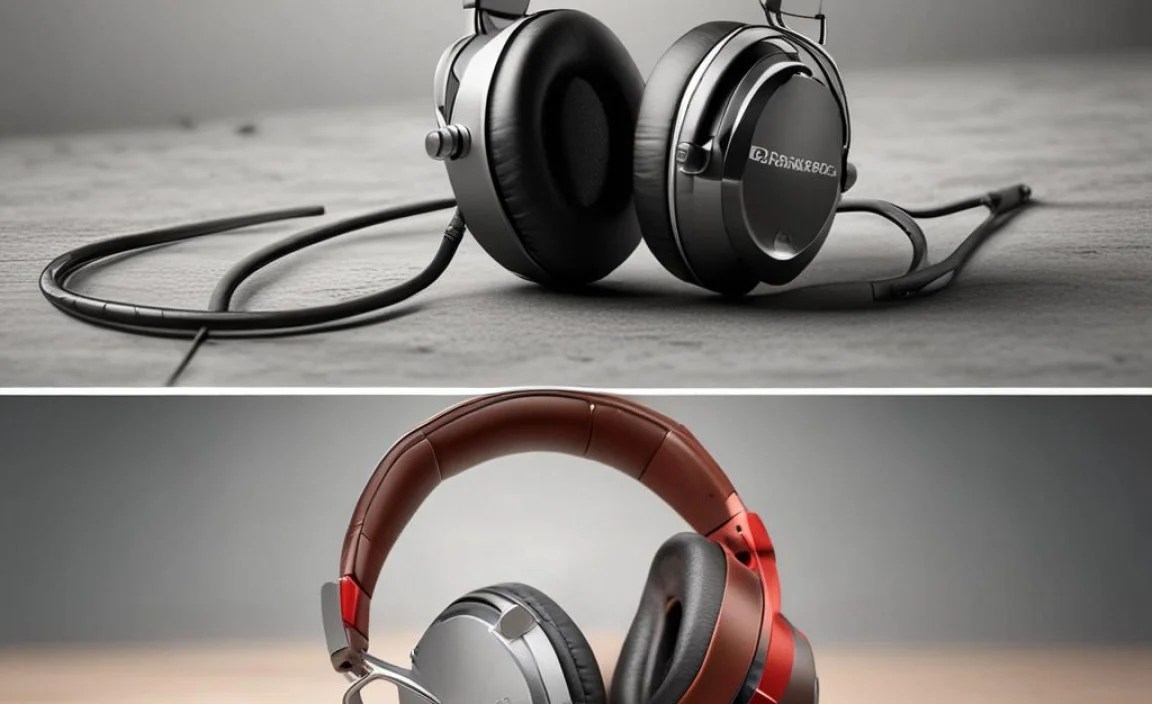
Headphone Tips: Open Back vs Closed Back

When choosing between open back and closed back headphones, consider your listening environment. Open back headphones offer a natural sound, perfect for quiet spaces. Their design allows air and sound to pass through, giving a sense of openness. However, they leak sound, so they’re not ideal in noisy areas. Closed back headphones, on the other hand, block outside noise, making them great for travel or busy environments. They provide a richer bass response too. Knowing the differences helps you make the best choice for your needs!
Understanding Open Back Headphones
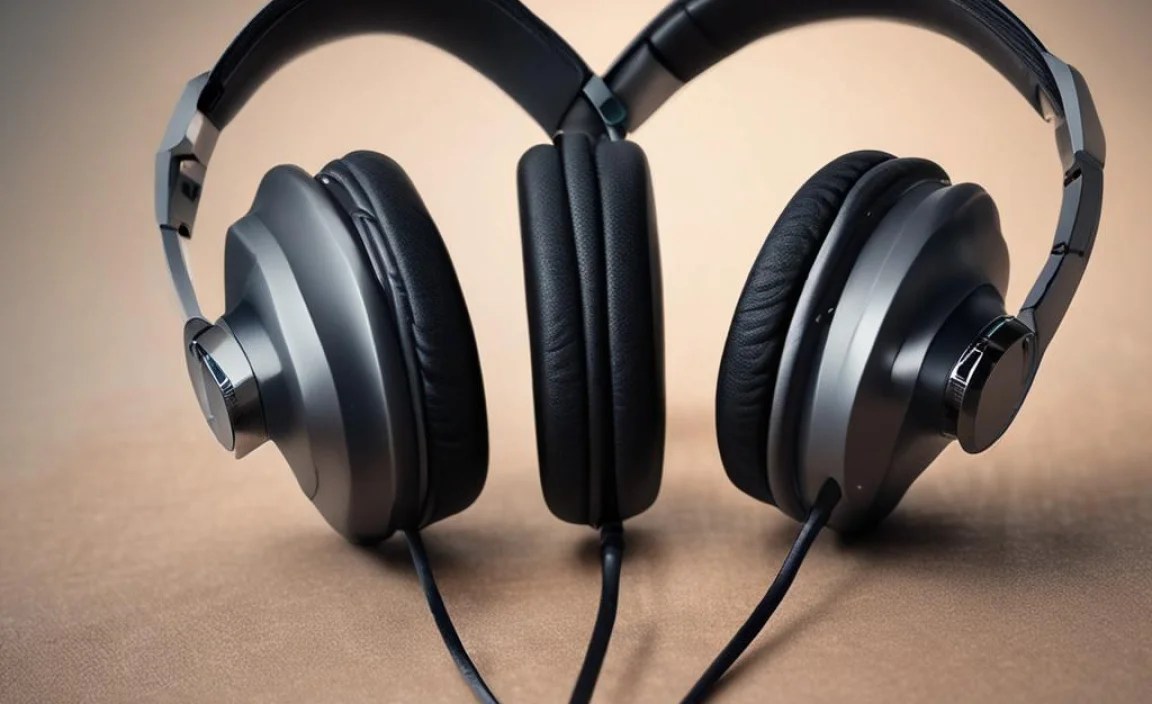
Definition and design characteristics. Advantages for audio experience.
Open back headphones have a unique design. Instead of a solid back, they have a mesh or grill. This allows air and sound to pass through. It feels like a mini-concert in your ears! The sound is open and natural, giving you a wonderful audio experience. For those who love details, the sound comes alive. However, they can leak sound. So, you might not want to use them in quiet places or during stealth missions to sneak snacks!
| Feature | Open Back Headphones |
|---|---|
| Design | Mesh or grill at the back |
| Sound Quality | Open and natural |
| Noise Isolation | Poor |
Understanding Closed Back Headphones
Definition and design characteristics. Advantages for sound isolation.
Closed-back headphones are a popular choice among music lovers. They have a solid casing that keeps sound inside and blocks outside noise. This design means you can enjoy your favorite tunes without distractions, like a cat stealing your sandwich! They are great for creating a cozy bubble of sound. With better sound isolation, these headphones let you hear every note clearly. If you want to focus, closed-back headphones are your best buddies!
| Feature | Closed-Back Headphones |
|---|---|
| Isolation | Excellent |
| Sound Leakage | Minimal |
| Comfort | High |
Key Differences Between Open Back and Closed Back Headphones
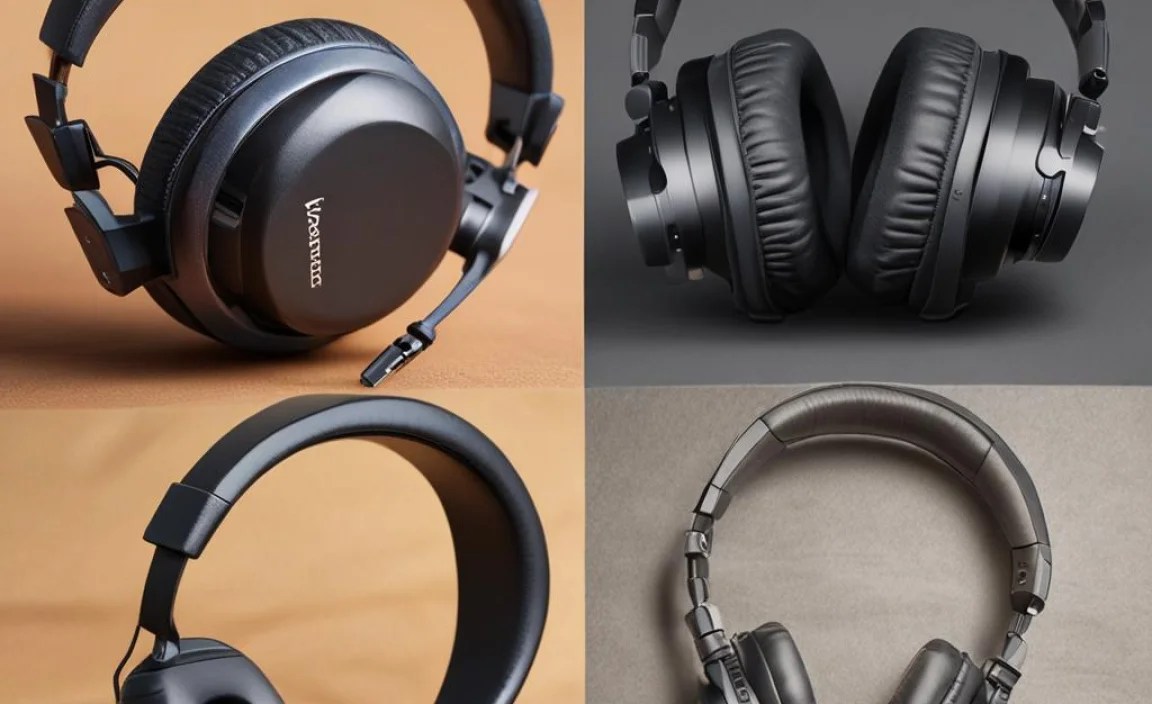
Soundstage and imaging comparisons. Noise isolation and leakage effects.
Headphones come in two main types: open back and closed back. Understanding how they differ can help you choose the right pair. Soundstage describes how wide and spacious music feels. Open back headphones provide a larger soundstage, making you feel like you are in a concert. Closed back headphones contain sound better, creating a focused sound experience.
In terms of noise isolation, closed back headphones block outside sounds well, while open back ones allow some sound to leak, letting some outside noises in.
- Soundstage: Open back has a wider feel.
- Noise Isolation: Closed back blocks noise best.
- Sound Leakage: Open back leaks sound more.
Use Cases for Open Back Headphones
Ideal scenarios and environments. Recommended genres and listening experiences.
Open back headphones shine in specific situations. They create a natural sound, perfect for quiet places like your cozy living room or a calm cafe. If you’re vibing to jazz or classical tunes, these headphones let you enjoy the music like a live concert. They’re also great for long sessions of gaming or studying, as they keep your ears comfortable. However, be cautious—they can let in background noise, like your cat’s opinion on sound quality!
| Ideal Use Case | Recommended Genres |
|---|---|
| Quiet Environments | Jazz |
| Studying | Classical |
| Gaming | Ambient Music |
Use Cases for Closed Back Headphones
Ideal scenarios and environments. Recommended genres and listening experiences.
Closed-back headphones shine in noisy places like buses or crowded cafes. They keep sound in and block noise out, making them perfect for focus. If you love bass-heavy music like hip-hop or EDM, closed-back headphones give you that punchy sound you crave. They’re also great for personal listening at home, even if your cat thinks you’re ignoring him! You can enjoy your tunes without bothering anyone.
| Ideal Scenarios | Recommended Genres |
|---|---|
| Public transport, noisy environments | Pop, Hip-Hop, EDM |
| Home listening with friends | Rock, Classical, Jazz |
In short, if you want to lose yourself in music without distractions, closed-back headphones are your best buddy. Just watch out for your music-loving cat trying to sing along!
Comfort and Fit: Open Back vs Closed Back
Ear padding and breathability. Weight and pressure on ears during extended use.
Open-back and closed-back headphones offer different comfort levels. Open-back headphones usually have better breathability. This can keep your ears cooler during long listening sessions. However, they may not provide enough padding. Closed-back headphones often have thicker ear padding, making them cozy for longer use.
Also, they can feel heavier, which may add pressure on your ears. Consider these points when choosing:
- Ear Padding: Open-back may feel airy, closed-back are soft and comfy.
- Weight: Closed-back can be heavier, causing more pressure.
- Extended Use: Open-back is cooler, closed-back may feel snug.
What is better for long listening?
Closed-back headphones are often better for long listening sessions due to their padding. They can be more comfortable but check their weight.
Price Range and Availability
General cost comparison. Notable brands and models for each type.
Prices for headphones can vary widely. Closed-back models often start around $50, while open-back types may begin at $100. You’ll find great options in both categories. Notable brands include:
- Closed Back: Sony, Bose, Audio-Technica
- Open Back: Sennheiser, Grado, AKG
Shopping around can help you find the best deal!
What are the price comparisons for headphone types?
Closed-back headphones cost less but offer less sound leakage. Open-back headphones usually provide better sound quality but are pricier. This means choosing a type depends on your budget and needs.
Making the Right Choice: Factors to Consider
Personal preferences and listening habits. Budget considerations.
Choosing between open back and closed back headphones depends on what you like. Think about how you listen to music or play games. Personal preferences matter! Do you enjoy more sound and comfort or isolation? Your budget also plays a big role. Prices vary a lot, and sometimes paying a little more gives you better sound. Ask yourself these questions:
- Do I want sound that feels open?
- Will I use headphones in quiet places?
- How much am I willing to spend?
Common Myths About Open Back and Closed Back Headphones
Debunking misconceptions. Realities of performance and quality.
People often hold misconceptions about open back and closed back headphones. Some believe open back headphones offer poor sound. Reality check: they provide a more natural listening experience. Others think closed back headphones always sound better. This isn’t true. Quality varies between models, regardless of type. A few common myths include:
- Open backs leak sound: Yes, they do, but they also create a spacious audio feel.
- Closed backs isolate sound: They can, but not all models are effective.
- Cost equals quality: Some cheaper options perform just as well.
Do open back headphones sound better than closed back?
No, the sound quality depends on many factors. Each type has its strengths. Open back headphones are great for natural sound, while closed backs are better for noise blocking.
Conclusion
In summary, open-back headphones offer a natural sound but less noise isolation. Closed-back headphones block noise and provide a more private listening experience. You can choose based on your needs—like enjoying music at home or on the go. Explore both options to find what suits you best. Happy listening!
FAQs
Here Are Five Questions Related To The Topic Of Open-Back Vs. Closed-Back Headphones:
Open-back headphones let sound out and let in air. They sound more natural but can be noisy. Closed-back headphones keep sound in and block outside noise. They are great for focused listening. Choose open-back for a more open sound and closed-back for quiet places.
Sure! Please ask your question, and I’ll be happy to help you with an answer.
What Are The Key Differences In Sound Quality Between Open-Back And Closed-Back Headphones?
Open-back headphones let sound from outside in. This makes the music feel more natural and spacious. However, sound can leak out, so others might hear it too. Closed-back headphones keep noise in and block outside sounds. They often have stronger bass, making them good for louder listening.
In What Scenarios Would You Prefer To Use Open-Back Headphones Over Closed-Back Headphones, And Vice Versa?
I would choose open-back headphones when I want to feel relaxed and hear my surroundings. They are great for listening to music at home because they sound more natural. I prefer closed-back headphones when I’m in a noisy place, like on a bus or at school. They help block out sounds and keep music just for me.
How Do The Design And Construction Of Open-Back Headphones Affect Their Comfort And Usability During Long Listening Sessions?
Open-back headphones have a special design that makes them feel lighter and cooler on your ears. They let air through, so your ears don’t get hot after wearing them for a long time. These headphones usually use softer materials, making them comfy for hours of listening. You can enjoy music without feeling too tired or sweaty!
What Impact Do Open-Back And Closed-Back Designs Have On Sound Leakage And Isolation In Different Environments?
Open-back headphones let sound come in and out. This means people around you can hear the music, which is called sound leakage. They are great for quiet rooms but not for noisy places. Closed-back headphones block sound better. They keep your music in and outside noise out, making them good for busy areas.
Are There Specific Genres Of Music Or Types Of Audio Content That Are Better Suited For Open-Back Headphones Compared To Closed-Back Models?
Yes, certain types of music are better for open-back headphones. These headphones let sound flow out, making music feel more natural. Genres like classical, jazz, and acoustic work well because they have lots of details and instruments. You can hear the space around the music better. Closed-back headphones block noise, which is great for loud music or when you want to focus.
