
Have you ever wondered why some headphones are huge while others are tiny? Headphones come in many types, and knowing the differences can help you choose the right pair. Whether you’re listening to music, playing games, or chatting with friends, the right headphones can make a big difference.
Did you know there are over five main types of headphones? From snug earbuds to stylish over-ear models, each type has its own perks. Imagine going for a run with earbuds that stay in place or relaxing at home with soft cushioned headphones. Sounds great, right?
In this article, we’ll explain headphone types in a way that anyone can understand. You’ll learn about the features of each type and what makes them special. By the end, you will feel confident picking the headphones that fit your needs. Let’s dive in!
Headphone Types Explained For Beginners: A Complete Guide

Headphone Types Explained for Beginners
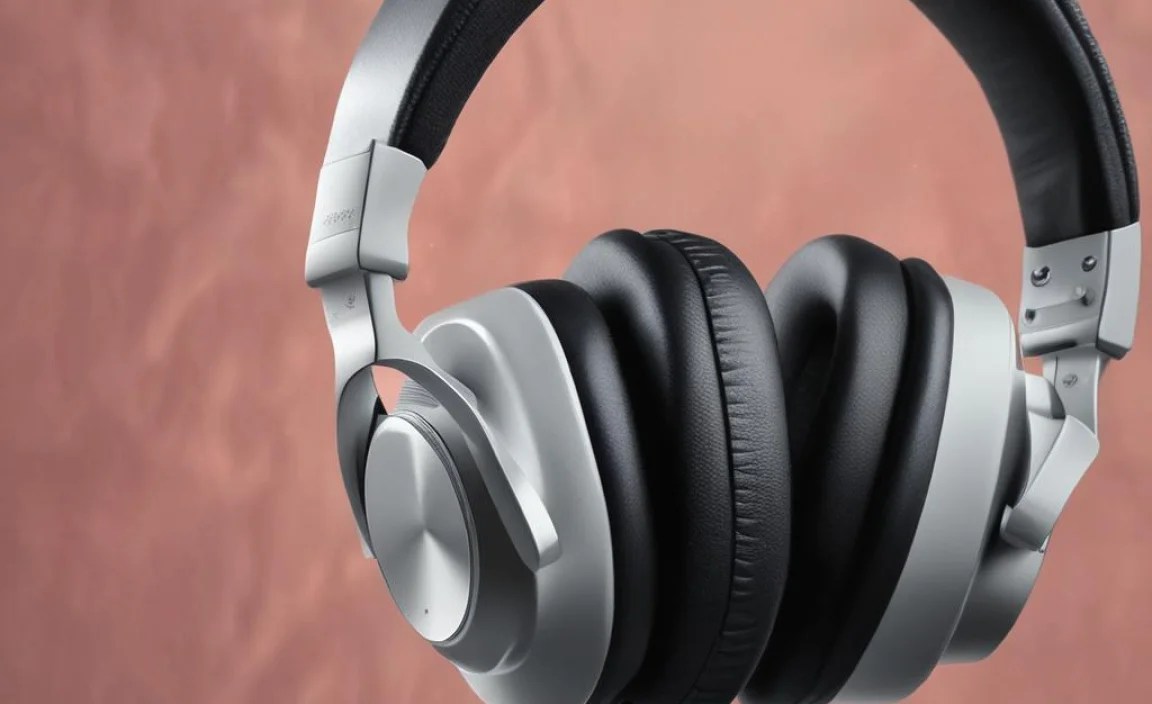
Everyone loves music, right? But did you know there are different types of headphones? Understanding these can help you choose the best one for your needs.
You can find over-ear, on-ear, and in-ear styles. Each type has its perks. Over-ear headphones offer comfort and great sound. On-ear headphones are portable but may not block noise well. In-ear options are super compact and perfect for travel.
Choosing the right style can make your listening experience amazing! So, what will you choose?
1. Over-Ear Headphones

Definition and characteristics. Advantages and disadvantages.
These headphones are large and cover your ears completely. They provide good sound quality and comfort for long listening sessions. However, they can be heavy and less portable. Here are some pros and cons:
- Advantages:
- Great sound quality
- Comfortable for long use
- Better sound isolation
- Disadvantages:
- Bulky and not travel-friendly
- Can be expensive
Overall, over-ear headphones are fantastic for home use but may not be the best choice for on-the-go listening.
What are over-ear headphones?
Over-ear headphones are large headphones that completely cover your ears, providing a cozy fit.
2. On-Ear Headphones

Definition and characteristics. Best use cases and limitations.
Onear headphones fit over one ear and are handy for many everyday activities. They allow you to listen closely while keeping an ear on your surroundings. Characteristics of onear headphones include lightweight design and comfortable fit. Their best uses are during phone calls or when you need to hear background noise, like traffic. However, they can be less immersive and may not offer great sound quality compared to full-sized headphones.
What are the limitations of onear headphones?
Onear headphones may lack noise isolation and immersive sound. They can be less comfortable during long periods of use, too. It’s important to find the right balance between comfort and sound quality.
Key Features:
- Lightweight and portable
- Good for multitasking
- Easy to store
3. In-Ear Headphones (Earbuds)

Definition and characteristics. Comparisons with other types and benefits.
These small headphones fit directly in your ears. They are lightweight and portable. In-ear headphones create a seal in your ear, blocking outside noise. This makes them perfect for music in busy places. Compared to over-ear headphones, they take up less space and are often cheaper. They also provide good sound quality. Many people love them for their comfort and snug fit.
What are the benefits of in-ear headphones?
In-ear headphones are great for travel and workouts. They stay in place easily. Many models come with multiple ear tips for a perfect fit. Here are some benefits:
- Easy to carry
- Good noise isolation
- Variety of styles
- Better for active use
4. Noise-Cancelling Headphones
Mechanism of noise cancellation. Ideal scenarios for usage.
Noise-cancelling headphones work by using a special technology. They listen to outside sounds and create opposite sounds to cancel them out. This means you can enjoy music or podcasts without distractions. Ideal scenarios for using them include:
- On airplanes
- In loud offices
- While studying at home
They are perfect for places where you really need to focus or relax. Imagine reading your favorite book in a quiet world!
What are the benefits of noise-cancelling headphones?
Noise-cancelling headphones can help reduce stress and improve focus. They create a peaceful bubble, making it easier to think and enjoy audio content.
5. Wireless vs. Wired Headphones
Key differences and technology aspects. Pros and cons of each type.
Headphones come in two main types: wireless and wired. Each has its own special features. Wireless headphones use Bluetooth technology, so you can dance around without tripping over cords. But, they need charging, and some people say, “Why won’t my headphones stay alive during my 8-hour marathon?” Wired headphones connect directly to your devices. They offer clearer sound but can be tangled up like spaghetti when you’re not looking. Here’s a quick table to help!
| Type | Pros | Cons |
|---|---|---|
| Wireless | Freedom to move! | Needs charging. |
| Wired | Better sound quality. | Can get tangled. |
So, what’s your pick? Are you a free spirit with wireless headphones or a sound purist with wired ones? Either way, music awaits!
6. Sports Headphones
enthusiasts. Popular brands and models.
Sports headphones are made for people who love to move. They often come with special features like sweat resistance and a secure fit. This helps them stay in place during running or workouts. Popular brands include:
- Beats by Dre
- Bose
- Jabra
- Jaybird
Models like the **Jabra Elite Active** and **Bose SoundSport** are favorites. They deliver great sound while you exercise. You can listen to music or podcasts easily. These headphones make working out more fun!
What features should I look for in sports headphones?
Look for these features to enjoy listening while you work out:
- Sweat resistance: Protects headphones from moisture.
- Secure fit: Keeps them in place during movement.
- Good battery life: Lasts through long workouts.
7. Audiophile Headphones
Definition and target audience. Key features that make them unique.
Audiophile headphones are special for those who love high-quality sound. They target music lovers and professionals wanting the best listening experience. These headphones stand out due to their unique features:
- High-definition sound: Clear and rich audio quality.
- Comfortable design: Soft padding for long listening sessions.
- Open-back design: Natural sound with a spacious feel.
- Durable materials: Built to last for years of enjoyment.
These features make audiophile headphones a top choice for serious listeners. They help you feel every beat and note in your favorite songs.
What are audiophile headphones?
Audiophile headphones deliver premium sound quality for the true music lover. They provide an unmatched listening experience.
8. Headphone Buying Guide
Essential factors to consider. Tips for beginners on making the right choice.
Choosing the right headphones can feel like hunting for buried treasure – but without the map! First, think about sound quality. You want music that makes you feel like you’re dancing in a concert. Next, consider comfort. If they pinch your ears, they’re not the headphones for you. Don’t forget to check the battery life if you choose wireless. And lastly, remember your budget. High price doesn’t always mean high quality! Here are some essential factors to keep in mind:
| Factor | Description |
|---|---|
| Sound Quality | Look for clear and rich audio. |
| Comfort | Make sure they fit well and feel good. |
| Battery Life | Longer is better for wireless options. |
| Price | Find something that fits your wallet. |
With these tips in mind, you can strut into the store like a headphone superhero! Happy hunting!
9. Common Headphone Terminology
Explanation of technical terms. Importance of understanding these terms for beginners.
Understanding headphones can sound tricky, but it’s like learning to ride a bike—easy once you get going! Here are some common terms you should know. This way, you won’t feel like you just finished a space test when shopping for headphones.
| Term | Meaning |
|---|---|
| Impedance | How much energy headphones need to work well. |
| Frequency Response | The range of sounds headphones can produce. |
| Noise Cancellation | Blocks unwanted sounds, like a ninja for your ears! |
| Open-Back | This design lets sound flow in and out, like a cool breeze. |
| Closed-Back | Keeps the music in and noise out. Perfect for noisy buses! |
Knowing these terms helps beginners make smarter choices. You don’t want to mix up “noise cancellation” and “party time music,” right? With a little knowledge, your headphone hunt will be as easy as pie—sweet and fun!
Conclusion
In summary, there are many types of headphones, like over-ear, on-ear, and in-ear. Each type has unique features for different needs. You should choose based on comfort, sound quality, and purpose. Now that you know the basics, explore your options and try them out! Happy listening, and don’t forget to read more about your favorites!
FAQs
Sure! Here Are Five Related Questions On The Topic Of Headphone Types Explained For Beginners:
Sure! There are different types of headphones. First, we have over-ear headphones that cover your whole ear. Next, there are on-ear headphones that sit on your ears but don’t cover them completely. Then, there are in-ear headphones that fit inside your ear. Each type has its own style and is used for different things like music, gaming, or watching videos.
Sure! Please give me the question you’d like me to answer.
What Are The Main Types Of Headphones, And How Do They Differ From Each Other?
There are three main types of headphones: over-ear, on-ear, and in-ear.
Over-ear headphones have big cushions that cover your ears completely. They give you good sound and keep noise out. On-ear headphones sit right on your ears and are smaller, but they let some noise in. In-ear headphones fit inside your ears and are super portable, so you can take them anywhere!
What Are The Benefits And Drawbacks Of Using Over-Ear Headphones Compared To In-Ear Headphones?
Over-ear headphones are big and cover your ears. They can give you better sound and block noise around you. However, they can be heavy and might get hot after a while. In-ear headphones are smaller and easier to carry, but they might not sound as rich. Choose what feels best for you!
How Do Noise-Canceling Headphones Work, And When Should You Consider Using Them?
Noise-canceling headphones help block out sounds. They have tiny microphones that listen to the noise around you. Then, they make a sound wave that cancels the noise out. You should use them when you’re in a loud place, like an airplane or a busy street. This way, you can enjoy your music or just have some quiet time!
What Are Wireless Headphones, And How Do They Connect To Devices Without Cords?
Wireless headphones are special headphones that don’t use cords. Instead, they connect to devices like phones or tablets using Bluetooth. Bluetooth is a way of sending sounds through the air instead of using wires. This lets you listen to music or watch videos without getting tangled up!
Which Type Of Headphones Is Best For Gaming, And What Features Should I Look For?
The best headphones for gaming are over-ear headphones. They cover your ears fully and block outside noise. Look for features like a good microphone for clear talking, comfy padding for long play, and good sound quality. Wireless options are cool because there are no cords to get in the way. Make sure they also fit nicely on your head!
