
Imagine you’re in a busy café, and you want to listen to your favorite playlist. That’s where headphone drivers come in. They help turn sound into something you can enjoy. A bigger driver usually means more power and better sound. But what if you’re just starting out?
In this beginner headphone guide, we’ll break down everything you need to know about driver sizes. You’ll learn how they affect sound quality and overall listening experience. Let’s dive in and discover how to find the perfect headphones for you!
Beginner Headphone Guide: Driver Size Meaning Explained
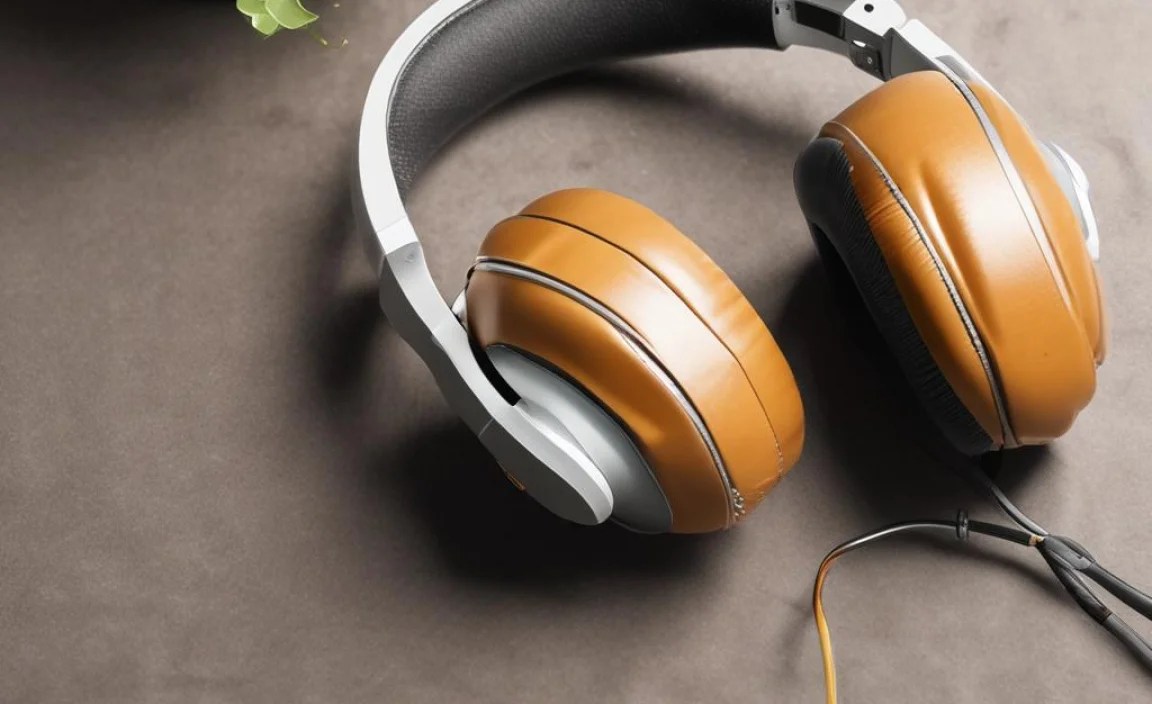
Beginner Headphone Guide: Driver Size Meaning

Understanding driver size is key for beginner
headphone users. Driver size, measured in millimeters, affects sound quality and volume. A larger driver can produce deeper bass, while smaller ones offer clear mids and highs. Imagine listening to your favorite song; the driver size can shape your experience. Do you want to feel the beat or enjoy the vocals? Choosing the right driver size helps you enjoy your music just the way you like it.
What Are Headphone Drivers?

Definition and function of headphone drivers. Types of drivers commonly used in headphones.
Headphone drivers act like tiny speakers inside your headphones. They change electrical signals into sound waves we can hear. Different drivers can create different sound qualities. Here are some common types:
- Dynamic Drivers: Most common, offering good bass and clarity.
- Balanced Armature Drivers: Smaller, giving clear sound without strong bass.
- Planar Magnetic Drivers: Provide excellent sound quality but often cost more.
Understanding drivers helps you choose the right headphones for your needs.
What do headphone drivers do?
Headphone drivers convert electrical signals into sound. They are essential for good listening experiences.
Types of Headphone Drivers and Their Characteristics

Dynamic Drivers: Features and benefits. Balanced Armature Drivers: Features and benefits. Planar Magnetic Drivers: Features and benefits. Electrostatic Drivers: Features and benefits.
Headphone drivers come in different types, and each has its own special powers! First up are Dynamic Drivers. These bad boys are popular because they make bass thump like a giant drum. They’re great for any music lover. Next are Balanced Armature Drivers. These tiny wizards focus on clarity and detail, making vocals shine like a superstar. Then we have Planar Magnetic Drivers, which use magnets to deliver pure sound. Imagine hearing every note as clear as a bell! Finally, there’s the fancy Electrostatic Drivers. They offer exceptional sound quality, but they can be pricier than your favorite candy. Here’s a quick rundown in the table below:
| Driver Type | Features | Benefits |
|---|---|---|
| Dynamic | Powerful bass | Great for all music |
| Balanced Armature | Clear sound | Vocals shine |
| Planar Magnetic | Pure sound | Clear notes |
| Electrostatic | High-quality | Top-notch sound |
So, whether you want deep bass or crystal-clear vocals, there’s a driver for you!
The Significance of Driver Size in Headphones

Explanation of how driver size affects sound quality. Discussion on the relationship between driver size and bass response.
The size of a headphone driver is like the heart of your sound experience. A larger driver usually gives better sound quality. This means clearer notes and more vibrant tunes. Want booming bass? You’ll want a bigger driver! A 40mm driver can give you that low thump that makes you want to dance. Here’s a fun fact: bigger drivers help bass travel deeper! Let’s take a look at how size matters:
| Driver Size (mm) | Sound Quality | Bass Response |
|---|---|---|
| 30 | Decent | Light |
| 40 | Good | Strong |
| 50+ | Excellent | Deep Boom! |
So, if you’re a bass lover, remember: bigger’s usually better. Happy listening!
Choosing the Right Driver Size for Your Needs
Recommendations for different use cases (e.g., casual listening, studio monitoring). Considerations for comfort and fit related to driver size.
When picking headphones, the driver size matters. Smaller drivers work well for casual listening, giving you a smooth sound. Bigger drivers are ideal for studio monitoring, providing clear details. Think about comfort too. A snug fit helps block noise and keep the sound alive. Here are some tips:
- Casual Listening: Smaller drivers (30mm or less) are light and comfy.
- Studio Monitoring: Larger drivers (40mm or more) give rich sound details.
- Comfort: Choose pads that fit your ears well for longer use.
Common Misconceptions About Headphone Driver Size
Debunking myths related to larger drivers equal better sound. Understanding how other factors contribute to sound quality.
Many people think that bigger headphone drivers mean better sound. This isn’t always true, like thinking a larger pizza is always tastier! The sound quality depends on other factors too, such as materials and design. In fact, small drivers can still deliver amazing sounds! Here’s a simple table showing key factors that affect sound quality:
| Factor | Impact on Sound |
|---|---|
| Driver Size | Not always better |
| Material Quality | Boosts clarity |
| Design | Affects comfort and sound |
So, remember: size isn’t everything. Next time you shop for headphones, look beyond the driver size. Your ears will thank you!
How to Test Headphones for Optimal Driver Performance
Tips for evaluating headphones
instore. Best practices for home testing of headphones.
Testing headphones can be exciting! When in a store, listen to different styles. Pay attention to sound clarity and how comfortable they feel. At home, use songs you know well to judge if the bass is strong and the highs sound clear. Here are some tips:
- Adjust volume to safe levels.
- Try different genres of music.
- Check for noise isolation.
These steps help you find the best headphones for you!
How do you know if headphones are good?
Listen for clear sound and a good amount of bass. Test comfort by wearing them for a bit. Also, check if sound blocks outside noise!
Conclusion
In summary, understanding headphone driver sizes helps you choose the right pair for your needs. Bigger drivers usually mean better sound. You should consider your music preferences and comfort too. Now that you know the basics, explore different headphones and test them out! For more tips, check out our other guides on headphones. Happy listening!
FAQs
What Does Driver Size Refer To In Headphones, And How Does It Affect Sound Quality?
Driver size in headphones means how big the tiny speakers inside them are. Bigger drivers can move more air, which helps create louder and richer sounds. They can also make bass sounds, like drums, feel stronger. So, bigger driver size usually means better sound quality. But remember, good sound also depends on other things in headphones!
How Do Different Driver Sizes (E.G., 40Mm, 50Mm) Influence The Bass And Treble Response In Headphones?
The size of the drivers in headphones affects the sound we hear. Larger drivers, like 50mm, make stronger and deeper bass sounds. They can fill a room with sound and make music feel more powerful. Smaller drivers, like 40mm, can be better at clear and sharp sounds, known as treble. This means they help you hear the little details in music, like the sounds of a flute or a violin.
Are Larger Driver Sizes Always Better For Audio Performance, Or Are There Advantages To Smaller Drivers?
Larger drivers can make louder sounds and more bass, which is great for big music. But smaller drivers can be better for clear voices and detail. They are often lighter and easier to use. So, both sizes have their own advantages! It depends on what you like to listen to.
What Are The Typical Driver Sizes Used In In-Ear, On-Ear, And Over-Ear Headphones, And How Do They Compare?
In-ear headphones usually have small drivers, often around 8 to 12 millimeters. On-ear headphones use medium-sized drivers, about 30 to 40 millimeters. Over-ear headphones have the biggest drivers, often 40 millimeters or more. Bigger drivers can make sound louder and fuller, while smaller drivers are more portable. So, the size can change how you hear the music!
How Can Beginner Headphone Users Determine The Right Driver Size For Their Listening Preferences And Needs?
To find the right driver size for headphones, listen to different models. Driver size affects sound quality, so try small and large ones. Smaller drivers are usually lighter but may have less bass. Larger drivers can give stronger sound and more bass. Choose the one that sounds best to you when you listen to your favorite music!
{
