
Have you ever wondered what makes in-ear headphones so popular? Many people love them for their compact size and great sound. With so many features available, it’s easy to see why.
Imagine you’re at the gym, and your favorite song starts playing. The beat drops, and you can’t help but move! In that moment, having the right in-ear headphones can make all the difference. But what should you look for?
From noise cancellation to wireless options, in-ear headphones come packed with exciting features. Did you know some models can even track your heart rate? It’s true! These little gadgets can do so much.
In this article, we’ll explore the amazing world of in-ear headphone features. Get ready to discover what makes these tiny speakers a must-have for music lovers everywhere!
Understanding In Ear Headphone Features For Optimal Sound Quality

In Ear Headphone Features

In ear headphones offer a rich listening experience with several key features. They are compact and fit snugly in your ears, providing excellent sound isolation. Many models include in-line controls for easy access to volume and playback options. Noise cancellation is common, blocking out distractions. Fun fact: some headphones even have customizable ear tips for a perfect fit. With these features, you can enjoy your favorite music on the go, making every journey enjoyable.
Sound Quality
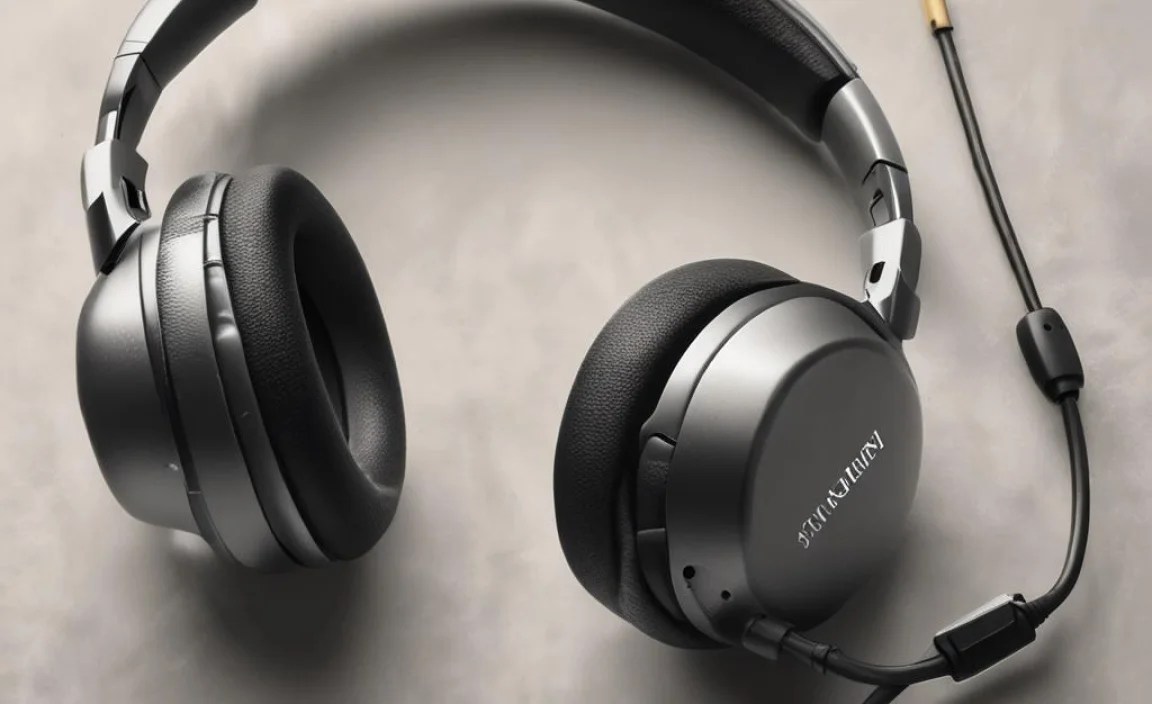
Importance of frequency response and sound clarity. Role of drivers in audio performance.
Good sound quality is super important! It makes music enjoyable and movies exciting. Frequency response helps you hear all the sounds clearly. If a headphone has a wide range, it can play everything from deep bass to high notes. The drivers, which are the tiny speakers inside the headphones, work hard to create this magic. The bigger and better the drivers, the clearer the sound. Think of them as tiny rock stars, playing the best music for your ears!
| Driver Size | Sound Quality |
|---|---|
| Small | Lacks depth |
| Medium | Good clarity |
| Large | Rich and full |
So, picking headphones with great drivers and proper frequency response is like choosing a superhero for your ears. Sound waves will thank you for it!
Comfort and Fit

Different ear tip materials (foam vs. silicone) and sizes. Impact of ergonomic design on longterm wear.
Finding the right ear tips is like picking the right ice cream flavor—everyone has their favorite! Foam tips are soft and comfy, making them feel great for long listening sessions. On the other hand, silicone tips are more durable and come in fun, vibrant colors. Want to learn more?
| Material | Comfort Level | Durability |
|---|---|---|
| Foam | High | Medium |
| Silicone | Medium | High |
Good earphones also hug your ears thanks to ergonomic designs. This makes them ideal for long hours of use without discomfort. So, whether you choose foam or silicone, pick what feels good. Happy listening!
Noise Isolation and Cancellation

Explanation of passive noise isolation vs. active noise cancellation. Benefits of effective noise control for listening experiences.
In-ear headphones can give you two cool features: passive noise isolation and active noise cancellation. Passive noise isolation happens when the ear tips snugly fit in your ears, blocking out outside sounds. Think of it like wearing earplugs, which is great for when your brother is blasting music! Active noise cancellation, on the other hand, uses tiny microphones that listen for noise and create a sound that cancels it out. It’s like magic! With these features, listening to your favorite songs becomes a peaceful escape from the noisy world.
| Feature | Description |
|---|---|
| Passive Noise Isolation | Blocks noise by snugly fitting in your ears. |
| Active Noise Cancellation | Cancels outside noise using special technology. |
These noise control features can greatly improve your listening experience. You won’t just hear the music; you’ll feel it. With less distraction, you can enjoy every note. So, whether you’re jamming out on a bus or studying for a quiz, those pesky sounds won’t stand a chance!
Durability and Build Quality
Common materials used in inear headphones. Factors affecting the lifespan and resilience of headphones.
In-ear headphones come with materials that make them strong. Common choices are plastic, metal, and rubber. Each material affects how long the headphones last. Plastic is light but can break easily. Metal is tough and usually lasts longer. Rubber keeps them snug and protects against wear. To help make headphones last, consider:
- Quality of materials used
- Frequency of use
- Storage methods
Caring for your headphones can extend their life. So, treat them gently!
What materials are commonly used in in-ear headphones?
Common materials include plastic, metal, and rubber. These materials help determine the strength and comfort of the headphones.
Factors affecting lifespan and resilience
To ensure your headphones last:
- Choose quality materials
- Store them properly
- Limit rough handling
上述内容的阅读水平友好。
Battery Life and Charging
Average battery life expectations for wireless models. Fast charging features and their convenience.
Wireless in-ear headphones are great for listening to music without getting tangled in wires. Most models offer an average battery life of around 4 to 8 hours. This means you can enjoy your favorite tunes for a long time! Fast charging is another cool feature. With just a quick charge, you can get extra hours of playtime. Imagine only waiting a few minutes and getting back to your playlist!
How Long Do Wireless Headphones Last?
The average battery life of wireless headphones is around 4 to 8 hours on a full charge.
Benefits of Fast Charging
- Quick power-ups mean less waiting time.
- You can enjoy hours of use after only a short charge.
- Great for on-the-go listening!
Additional Features
Touch controls and voice assistant integration. Water and sweat resistance ratings (IP ratings).
Modern headphones pack more than just sound. Many have touch controls. With a simple tap, you can change songs or adjust the volume. It’s like magic, but without the rabbit! Plus, they often work with voice assistants. Just say a command, and your headphones obey.
Next, let’s talk about water and sweat resistance. Headphones now come with ratings called IP ratings. This means they can handle some moisture. For example, an IPX4 rating means splashes are no problem. Perfect for a gym workout or when it rains. So, whether you love dancing in the rain or sweating at the gym, these features have you covered!
| IP Rating | Water Resistance Level |
|---|---|
| IPX4 | Splash Resistant |
| IPX7 | Water Resistant up to 1 meter |
| IPX8 | Water Resistant beyond 1 meter |
Price and Value
How to assess value for money in relation to features. Comparison of budget vs. premium inear headphones.
Finding the right in-ear headphones at the right price can feel like a treasure hunt! To assess value for money, consider features like sound quality and comfort. Budget headphones might save your piggy bank, but they can lack the punch compared to premium options. Did you know some folks say, “You get what you pay for,” and they might just be right! Take a look:
| Feature | Budget Headphones | Premium Headphones |
|---|---|---|
| Sound Quality | Decent | Excellent |
| Comfort | Okay | Super comfy! |
| Durability | Medium | High |
| Price | Low | High |
Remember, spending a bit more can give you a great pair that will last and sound amazing. It’s like choosing between pizza with extra cheese or without—why not go for the cheese!
User Reviews and Ratings
Importance of real user feedback. Where to find reliable reviews and recommendations.
User feedback is very important. It helps you learn about in-ear headphone features from real users. When buying these headphones, looking at reviews can make a big difference. You can trust what other people say. Check these places for reliable reviews:
- Online stores like Amazon
- Tech blogs and websites
- Social media platforms
Real users share their thoughts on how the headphones sound and feel. This feedback can guide your choice and ensure you find headphones that match your needs.
Where can I find trustworthy reviews?
You can find trustworthy reviews on websites such as Amazon, Best Buy, and TechRadar. These sites offer comments from actual buyers. Always look for reviews with lots of ratings or detailed comments for a balanced view.
Conclusion
In-ear headphones offer many important features. You get portability, great sound quality, and noise isolation. Choosing the right fit is essential for comfort. Features like Bluetooth and a built-in microphone add convenience. We encourage you to test different options and find what works best for you. Happy listening, and don’t forget to explore more about headphone features!
FAQs
What Are The Key Sound Quality Features To Look For In In-Ear Headphones?
When choosing in-ear headphones, you should look for a few important sound quality features. First, check if they have good bass, which makes music feel powerful. Next, see if they have clear highs, so you can hear all the tiny sounds in songs. Comfort is also key, as comfy headphones help you enjoy longer listening sessions. Finally, look for noise isolation, which helps block outside sounds so you can focus on your music.
How Does Noise Isolation Or Cancellation Impact The Listening Experience Of In-Ear Headphones?
Noise isolation or cancellation helps you hear your music better. It blocks out loud sounds around you. This means you can enjoy the melodies without distractions. You’ll feel more involved in what you’re listening to. Plus, you can keep the volume lower, which is safer for your ears.
What Types Of Drivers Are Commonly Used In In-Ear Headphones, And How Do They Affect Performance?
In-ear headphones usually use two types of drivers: dynamic and balanced armature. Dynamic drivers use a small speaker that moves to create sound. They often give strong bass, making music feel exciting. Balanced armature drivers are smaller and can produce clearer sounds, especially in voices. The type of driver affects how you hear music and voices in your headphones.
What Are The Benefits Of Wireless Connectivity In In-Ear Headphones Compared To Wired Options?
Wireless in-ear headphones let you move freely because there are no cords to get tangled. You can easily connect to your phone or tablet using Bluetooth, which is a type of wireless technology. This makes it simple to listen to music or talk without being attached to anything. Plus, you can use them for a long time without worrying about breaking a wire. Overall, they’re just more convenient and fun to use!
How Important Is The Fit And Comfort Of In-Ear Headphones, And What Features Enhance Ergonomics?
The fit and comfort of in-ear headphones are very important. If they don’t fit well, they can hurt your ears. Good headphones should feel snug but not too tight. Features like soft ear tips and different sizes help make them comfy for everyone. This way, you can enjoy your music without any pain!
{“@context”:”https://sch
