
Are you ready to elevate your listening experience? Headphones can make a big difference. For audiophiles, the right headphones are a treasure. Imagine enjoying every note in your favorite songs. It feels like you are right there with the musicians!
But shopping for headphones can be overwhelming. There are so many styles and brands. How do you choose the best ones? The good news is that this headphone guide for audiophiles will help you navigate through it all.
Did you know that the quality of headphones can change the way you hear music? Some headphones can make it sound richer and deeper. Others can even let you hear sounds you never noticed before. This guide will explain what to look for when buying headphones and help you become a true audiophile.
The Ultimate Headphone Guide For Audiophiles: Sound Unleashed

Headphone Guide for Audiophiles

Finding the perfect headphones can be a thrilling adventure for audiophiles. This guide covers essential factors like sound quality, comfort, and design. Did you know that different headphones can change how music feels? Explore wired versus wireless options and discover the best brands. Whether you love deep bass or crisp highs, there’s something for everyone. Ready to elevate your listening experience? Let’s dive in and unlock the world of amazing sound!
Types of Headphones for Audiophiles

Openback vs. closedback headphones. Overear vs. onear vs. inear options.
Choosing the right headphones is important for audiophiles. Open-back headphones let sound flow in and out, making music feel alive but offer less privacy. Closed-back headphones block outside noise, giving you a clear sound with more bass. Then there’s the style:
- Over-ear headphones surround your ears for comfort and great sound.
- On-ear headphones sit on your ears and are more portable.
- In-ear headphones fit inside your ears and are easy to carry around.
Pick what suits your listening style best!
What is the difference between open-back and closed-back headphones?
Open-back headphones allow air and sound to pass through, creating a natural listening experience. In contrast, closed-back headphones keep sound in and outside noise out, ideal for focused listening.
Key Features to Consider
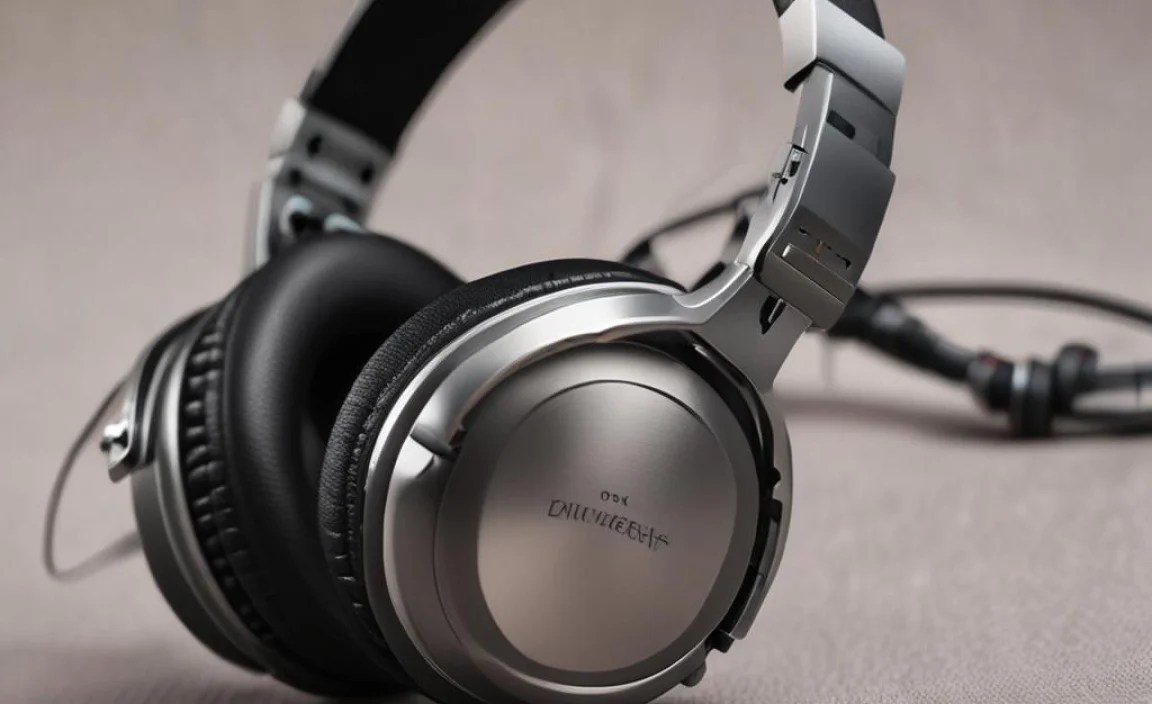
Frequency response and its impact on sound. Impedance and sensitivity explained.
Every audiophile should know a few key features before buying headphones. First, frequency response affects how sound travels. A wider range means clearer music and greater detail. Second, impedance measures how much power headphones need. Lower impedance works well with phones, but higher needs more power for a better sound. Finally, sensitivity indicates how loud the sound is. High sensitivity means loud music with less power.
What is frequency response?
Frequency response describes how well headphones can pick up different sounds. A good range helps you hear more music details.
Key Points:
- Wide frequency response = better sound quality
- Narrow response may miss some details
What is impedance?
Impedance shows how much power headphones need to work well. Lower values are easier to drive, while higher values offer better sound with more power.
Key Points:
- Low impedance: works with phones
- High impedance: needs an amp for power
What is sensitivity?
Sensitivity tells you how loud headphones can get. High sensitivity means loud sound with less power needed to drive them.
Key Points:
- High sensitivity: great for portable use
- Low sensitivity: may need more power to reach desired volume
Importance of Sound Stage and Imaging

How sound stage influences listening experience. Understanding imaging in headphone audio.
The magic of sound stage makes listening to music feel like a concert in your head. Imagine hearing instruments spread out, like your favorite band is playing just for you! Sound stage gives depth to the audio, creating space between sounds. It’s like a three-dimensional pizza! With great headphones, you can sense where each sound comes from, making your music experience lively.
Imaging is how well you can pinpoint each sound. Good imaging means you can hear every detail, like a tiny drummer hiding behind a giant guitar. Great headphones make sure you don’t miss even the quietest notes. When you tune in, it feels like magic. So, let those headphones work their wonders!
| Feature | Importance |
|---|---|
| Sound Stage | Creates depth and space in audio |
| Imaging | Helps locate sounds precisely |
Headphone Accessories to Enhance Audio Experience
Recommended amplifiers and DACs. Importance of highquality cables and adaptors.
To take your sound experience up a notch, consider adding amplifiers and DACs. These devices boost audio quality. You’ll hear each note clearly. Think of them as a power-up for your headphones.
Using high-quality cables and adaptors is also essential. They help reduce noise and keep the sound clean. Poor-quality options can ruin your music enjoyment.
- Amplifiers: Boost sound and make details pop.
- DACs: Convert digital signals for better audio.
- Cables: Ensure clear sound without interference.
- Adaptors: Connect your headphones to different devices.
Investing in these accessories is a smart choice for true audiophiles. The right tools can change how you listen to your favorite songs.
What is the benefit of using a DAC?
A DAC, or Digital-to-Analog Converter, improves audio by converting digital signals to analog. This means you can hear more details and enjoy a clearer sound experience.
Recommended amplifiers and DACs:
- FiiO E10K
- AudioQuest DragonFly
- Schitt Magni
Tips for Choosing the Right Headphones
Personal listening preferences and how they affect choices. Importance of trying headphones before purchasing.
Choosing the best headphones often comes down to what you like. Everyone has different tastes in sound. For example, some prefer deep bass, while others enjoy clear vocals. So, consider what type of music you listen to. Trying headphones before you buy is very important. You can feel how they sound. Listen to a few songs to see if you like them. Always check the fit too; comfort matters!
Why is it important to try headphones before buying?
Trying headphones lets you hear how they perform. You can find the best fit for your ears. This helps improve your listening experience.
Tips for testing headphones:
- Bring your favorite music.
- Check how they feel on your head.
- Listen for clarity and bass.
- Try different styles: over-ear, on-ear, and in-ear.
Maintenance and Care for Audiophile Headphones
. Common issues and how to troubleshoot them.
Keeping your audiophile headphones in great shape is easy if you follow some simple steps. Start with cleaning them often. Wipe the ear cups with a soft cloth. Always store them in a case to protect them from dust. If you notice sound issues, try these steps:
- Check the connection. Make sure it’s plugged in correctly.
- Inspect the cable for any damage.
- Test with another device to see if the problem persists.
Taking care of your headphones will help them last longer and sound better!
How can I clean my headphones effectively?
You can clean your headphones by wiping them gently with a damp cloth and using a soft brush to clean any gaps.
Latest Trends in Headphone Technology
Innovations in wireless headphone technology. Future of audiophile headphones and upcoming features.
Wireless headphones are shaking things up! New tech is making sound better than ever, leaving tangled wires in the dust. Companies are adding cool features like active noise cancellation to block out the world so you can enjoy your favorite tunes. Imagine listening to your playlist while a marching band plays outside! And wait, there’s more! Future audiophile headphones may come with upgrades like crazy long battery life and smart sensors that adjust sound based on your mood. Get ready; your ears are in for a treat!
| Feature | Description |
|---|---|
| Active Noise Cancellation | Blocks outside noise for better listening |
| Long Battery Life | Listen longer without recharging |
| Smart Sensors | Adjusts sound based on your mood |
Conclusion
In conclusion, a headphone guide for audiophiles helps you choose the best sound. Look for key features like sound quality, comfort, and price. Don’t forget to consider your music preferences! Now, dive into reviews, explore different brands, and test headphones yourself. You’ll find the perfect pair that makes your music come alive. Happy listening!
FAQs
What Key Specifications Should Audiophiles Look For When Selecting High-Quality Headphones?
When choosing high-quality headphones, you should look for a few important things. First, check the frequency range; it shows how many sounds the headphones can play. You want a wide range to hear music clearly. Next, look at the impedance, which tells you how much power the headphones need to work well. Lower impedance works better with phones, while higher ones are best for big devices. Finally, think about the comfort, so you can wear them for a long time without hurting your ears.
How Do Different Headphone Types (Over-Ear, On-Ear, And In-Ear) Affect Sound Quality And Listening Experience For Audiophiles?
Different headphone types change how we hear music. Over-ear headphones cover your whole ear. They usually make sound richer and fuller. On-ear headphones sit on your ears, giving good sound but less noise blocking. In-ear headphones fit right in your ear, making them very portable and also good at blocking out outside noise. Each type can give you a fun listening experience!
What Role Does Impedance Play In Headphone Performance, And How Should It Influence An Audiophile’S Choice?
Impedance is like how easy or hard it is for sound to flow through headphones. Lower impedance means you can use them easily with phones. Higher impedance needs special devices to sound their best. If you love music, choose headphones with the right impedance for your devices. This way, you can enjoy your favorite songs even more!
What Are The Benefits Of High-Resolution Audio Formats For Headphone Listening, And Which Headphones Are Best Equipped To Handle Them?
High-resolution audio formats make music sound clearer and more detailed. This means you can hear tiny sounds that low-quality audio hides. Using good headphones helps you enjoy these details better. Some great headphones for this are the Sony WH-1000XM4 and the Sennheiser HD 660S. They are built to handle the best sound quality!
How Can An Audiophile Effectively Pair Headphones With Audio Sources And Amplifiers To Achieve The Best Sound Quality?
To get the best sound, you should match your headphones with the right music player and amplifier. First, check the headphone’s type, like wired or wireless. Then, make sure your music source can drive or power them well. You can listen and adjust the settings to see what sounds best. Finally, trust your ears, and have fun finding the perfect match!
