
Have you ever wondered why your friend’s headphones sound so much better than yours? Or why some headphones cost more than others? Headphone types come in many styles, but not all are created equal. Understanding different headphone types can change your listening experience forever.
In this guide, we will explore various headphone types and their audio specs. You’ll learn about how sound quality, comfort, and design vary among them. Did you know that some headphones are made for specific situations? For example, noise-canceling headphones help block out annoying sounds. This feature is perfect for studying or traveling.
Join us on this journey to uncover the world of headphones. With a little knowledge, you’ll know exactly what kind of headphones meet your needs. Discover the magic of sound through the perfect pair!
Headphone Types Explained: Audio Specs Guide For Everyone

Headphone Types Explained: Audio Specs Guide
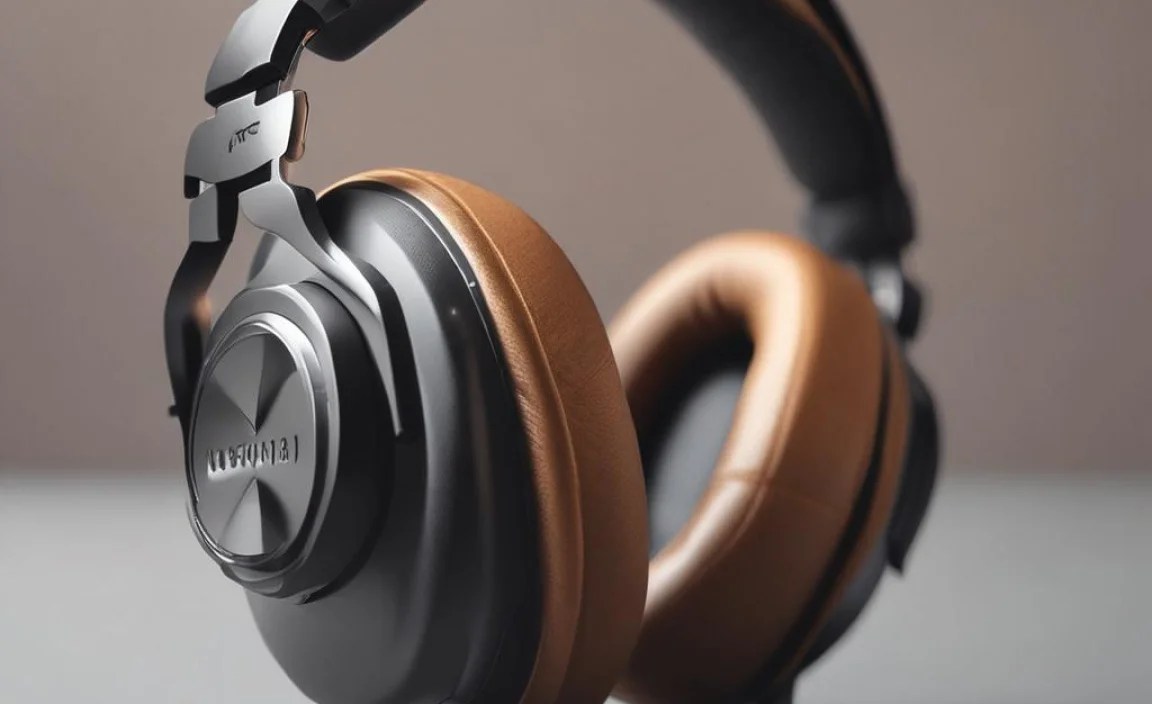
Headphones come in many shapes and sizes
, each designed for different needs. Do you prefer comfort or sound quality? Popular types include over-ear, in-ear, and on-ear styles. Each type impacts how you experience sound. Understanding audio specs like frequency response and impedance can help you choose the perfect pair. Did you know that good headphones can make even simple songs feel magical? Explore your options to find the ideal headphones for your listening adventures!
1. Over-Ear Headphones

Definition and characteristics. Ideal use cases and benefits.
These headphones fit over your ears. They block outside noise and create a cozy sound space. Many people use them for long listening sessions, watching movies, or gaming. The extra padding makes them comfortable for hours. Here are some benefits:
- Great for music lovers who want clear sound.
- Perfect for studying in noisy places.
- Often have better bass than smaller headphones.
What are over-ear headphones best for?
Over-ear headphones are perfect for immersive listening experiences, like music, gaming, or movies. They provide comfort and sound quality that keeps distractions away.
2. On-Ear Headphones

Definition and characteristics. Comparison with overear models.
On-ear headphones sit snugly on your ears, like a cozy hat for your head. They are smaller than over-ear models and let in some outside sounds, making them great for short listening sessions. You can easily pop them off and on without messing up your hair—bonus points for that! However, they might not block noise as well. Now, let’s check out how they stack up against over-ear headphones:
| Feature | On-Ear Headphones | Over-Ear Headphones |
|---|---|---|
| Size | Compact and portable | Bigger and bulkier |
| Noise Isolation | Less effective | Highly effective |
| Comfort | Good for short use | Great for long sessions |
For short trips or casual listening, on-ear headphones are a fun choice. But if you plan to binge your favorite series, perhaps grab some over-ears! Who said listening couldn’t be a stylish science?
3. In-Ear Headphones

Definition and characteristics. Advantages for portability and active use.
In-ear headphones fit snugly in the ear canal, creating a small sound world for you. They are lightweight and easy to carry, making them perfect for on-the-go music lovers. Did you know that over 60% of people prefer these headphones for commuting? Their compact design helps block outside noise, which is a bonus if you want to enjoy your tunes without interruptions. Plus, they won’t take much space in your bag—unlike those oversized headphones that might need a whole suitcase!
| Advantages | Characteristics |
|---|---|
| Portable and lightweight | Fits snugly in the ear |
| Perfect for active use | Noise isolation |
| Affordable options available | Variety of styles |
4. Wireless vs. Wired Headphones
Differences in audio quality and connectivity. Situational advantages and disadvantages.
Choosing between wired and wireless headphones can feel like picking a favorite pizza topping—tough but fun! Wired headphones often offer better audio quality since they use a direct connection. Wireless ones are super handy, allowing you to dance around without tripping on cords. However, they may have slight sound delays and need charging. Each type has perks and downsides, like how pizza can get too cheesy or not cheesy enough!
| Feature | Wired Headphones | Wireless Headphones |
|---|---|---|
| Audio Quality | Usually better | May vary |
| Connectivity | Cable required | Bluetooth |
| Mobility | Limited | High |
| Charging | No | Yes |
5. Open-Back vs. Closed-Back Headphones
Explanation of design and soundstage. Impact on listening experience and isolation.
When it comes to headphones, open-back and closed-back designs offer very different listening experiences. Open-back headphones let sound flow in and out, creating a wide soundstage. It’s like having a small concert in your room! However, this also means less isolation, making it easy for unwanted noise to sneak in—like that one friend who never stops talking.
On the other hand, closed-back headphones are great for blocking outside noise. They create a cozy bubble around your ears, perfect for focusing on your favorite tunes. However, they can feel a bit claustrophobic at times. It’s like being in a pillow fort—but sometimes, it’s nice to go outside!
| Type | Soundstage | Isolation |
|---|---|---|
| Open-back | Wide and airy | Poor |
| Closed-back | Narrow | Excellent |
6. Noise-Cancelling Headphones
How noisecancelling technology works. Best models and use cases.
Noise-cancelling headphones are like having a magic shield for your ears! They work by using special microphones to catch outside sounds. Then, they create sound waves that cancel those noises out. It’s like the headphones whispering, “Shhh!”
Some of the best models include the Bose QuietComfort 35 and Sony WH-1000XM4. They’re great for travelers, students, or anyone who loves peace while listening to music. Imagine enjoying your favorite tunes without the sound of a lawnmower nearby. Sounds nice, right?
| Model | Best Use Case |
|---|---|
| Bose QuietComfort 35 | Traveling |
| Sony WH-1000XM4 | Office Work |
These headphones are perfect for blocking out distractions and diving into your audio world. So, try them out and enjoy your own personal concert anywhere!
7. Audiophile Headphones
Features that distinguish audiophilegrade headphones
. Recommendations for highresolution audio experiences.
When diving into the world of headphones, audiophile-grade pairs stand out like superheroes. They have amazing features like high sensitivity and wide frequency response, which means you can hear every note in your favorite songs. Think of them like the VIP pass to a concert—with the best sound and clarity! For a first-class listening experience, check out models like the Sennheiser HD800S or the Beyerdynamic DT 1990 Pro. They’ll make your music sound moving and magical!
| Headphone Model | Key Features |
|---|---|
| Sennheiser HD800S | Wide frequency range, comfortable design |
| Beyerdynamic DT 1990 Pro | Excellent sound detail, durable build |
8. Headphone Specifications: What to Look For
Essential audio specs (frequency response, impedance, sensitivity). Impact of specs on sound quality and personal preference.
Choosing headphones is like picking the right snack—it can make a big difference! Let’s talk about three key specs: frequency response, impedance, and sensitivity. Frequency response tells you the range of sounds you’ll hear. Wider ranges mean richer audio, like tasting all the flavors in candy! Impedance affects how much power is needed. Lower impedance is like an energetic puppy—easy to handle! Sensitivity shows how loud the sound can get. Higher sensitivity is like a firecracker—explosive sound! Your taste plays a role too. Some like bassy beats, while others prefer crisp highs, making headphone shopping fun and personal!
| Specification | Explanation |
|---|---|
| Frequency Response | Range of sounds heard (e.g., 20 Hz – 20 kHz) |
| Impedance | How much power headphones need |
| Sensitivity | Maximum volume achievable |
9. Choosing the Right Headphone for Your Needs
Factors to consider based on lifestyle and audio preferences. Matching headphones to different audio sources (phones, DACs).
Choosing the right headphones depends on your lifestyle and audio needs. Think about where you’ll use them. If you’re frequently on the go, consider lightweight and portable models. If sound quality is your main goal, look for over-ear headphones with great bass. Also, match your headphones to the audio source:
- Smartphones: Most headphones work well here but check for compatibility.
- Digital-to-Analog Converters (DACs): High-end headphones shine if paired with DACs.
Always ask yourself what you want from your headphones. Think about comfort, sound quality, and where you’ll use them. With the right choice, you can enjoy your music anywhere!
What should I consider when choosing headphones?
Consider your lifestyle, comfort, audio quality, and compatibility with your devices. This will help you get the best sound for your needs.
10. Maintenance and Care for Headphones
in top condition. Common issues and troubleshooting advice.
To keep your headphones in great shape, take care of them regularly. Here are some easy tips:
- Store them in a case when not in use.
- Clean the ear cups and wires gently with a soft cloth.
- Avoid high volumes to protect your ears and the headphones.
- Be careful with cords to prevent fraying.
If you face any issues, like no sound or tangled wires, try these steps:
1. Check the connection to your device.
2. Adjust the volume settings.
3. Inspect the cord for damages.
These tips can help you enjoy your music longer!
What are common headphone problems?
Common problems include sound issues, broken wires, and battery troubles. Regular checks can help find these problems early.
How can I fix sound issues?
First, check the device and volume settings. If that doesn’t work, consider replacing the headphones.
Conclusion
In conclusion, understanding headphone types and audio specs helps you choose the best pair for your needs. Remember to consider comfort, sound quality, and style. We encourage you to explore more about different headphones and try them out for yourself. Happy listening, and may you find the perfect headphones that enhance your audio experience!
FAQs
What Are The Main Differences Between Over-Ear, On-Ear, And In-Ear Headphones In Terms Of Sound Quality And Comfort?
Over-ear headphones cover your whole ear. This makes them comfortable and often gives you really good sound. On-ear headphones rest on your ears, so they can feel tight after a while, but they still sound good. In-ear headphones fit inside your ears, and they’re very portable. However, they might not feel as comfy for a long time.
How Do Impedance And Sensitivity Ratings Affect Headphone Performance And Compatibility With Different Audio Devices?
Impedance and sensitivity ratings tell us how headphones work with devices. Impedance is like resistance, affecting how much power you need. Low impedance headphones work well with phones and tablets. Sensitivity shows how loud the sound can get with less power. So, if you have low impedance and high sensitivity, your headphones will perform better with more devices!
What Is The Significance Of Frequency Response In Headphones, And How Does It Influence The Listening Experience?
Frequency response in headphones tells us how well they can play different sounds. It shows us the lowest and highest notes the headphones can make. If the range is wide, you can hear more music details. This makes your listening experience richer and more enjoyable. Good frequency response helps you feel like you’re really in the music!
Can You Explain The Impact Of Driver Size And Type (Dynamic, Planar Magnetic, Etc.) On Audio Quality In Headphones?
The driver is like the speaker inside your headphones. Its size and type help make sounds clearer. Bigger drivers often make deeper bass sounds, while smaller ones can show more details in music. Dynamic drivers are common and good for most music. Planar magnetic drivers can sound even better but are usually heavier and more expensive.
What Features Should Consumers Consider When Choosing Between Wired And Wireless Headphones, Especially Regarding Audio Specifications?
When choosing between wired and wireless headphones, you should think about sound quality. Wired headphones often have better sound because they can carry signals stronger. Wireless headphones are more convenient since you don’t have any cables to worry about. Also, check battery life for wireless types, so they last long enough for your listening time.
{
