
Do you love music or gaming? If so, you know how important headphones can be. They let you experience sound in a way that makes you feel like you are part of the action. But what if you don’t want a microphone? This article will help you explore the best headphone features for models without a mic.
Imagine wearing headphones that fit just right. The sound is clear, and you can lose yourself in your favorite songs. You might wonder, “What features should I look for?” That’s a great question! Knowing more can help you find the perfect pair.
Surprisingly, not all headphones are created equal. Some have amazing sound quality, while others focus on comfort. Let’s dive into this headphone features guide and find the ideal choices just for you!
Essential Headphone Features Guide Without Mic: What To Know

Headphone Features Guide Without Mic
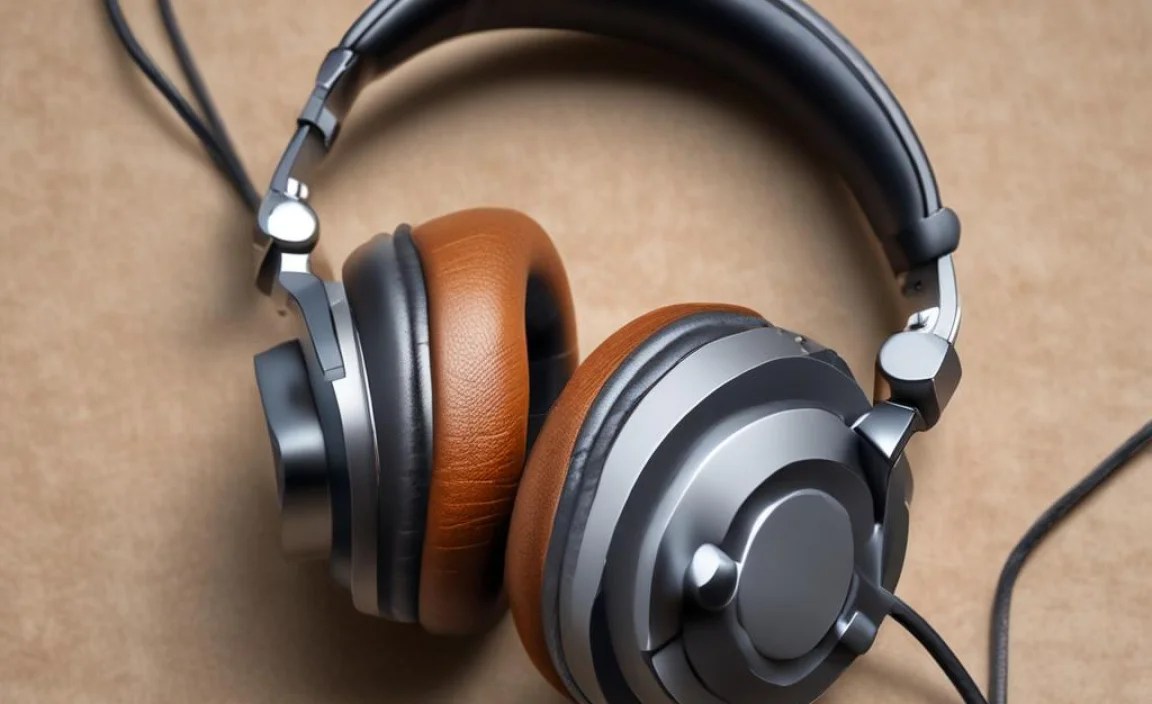
Choosing headphones without a microphone can be fun! These headphones often prioritize sound quality and comfort. Key features include cushioned ear pads for long listening sessions and adjustable headbands. Along with that, a lightweight design can enhance portability. Did you know that some models offer noise isolation, which helps block out background noise? Picking the right pair ensures an enjoyable listening experience whether at home or on the go!
Understanding Headphone Types
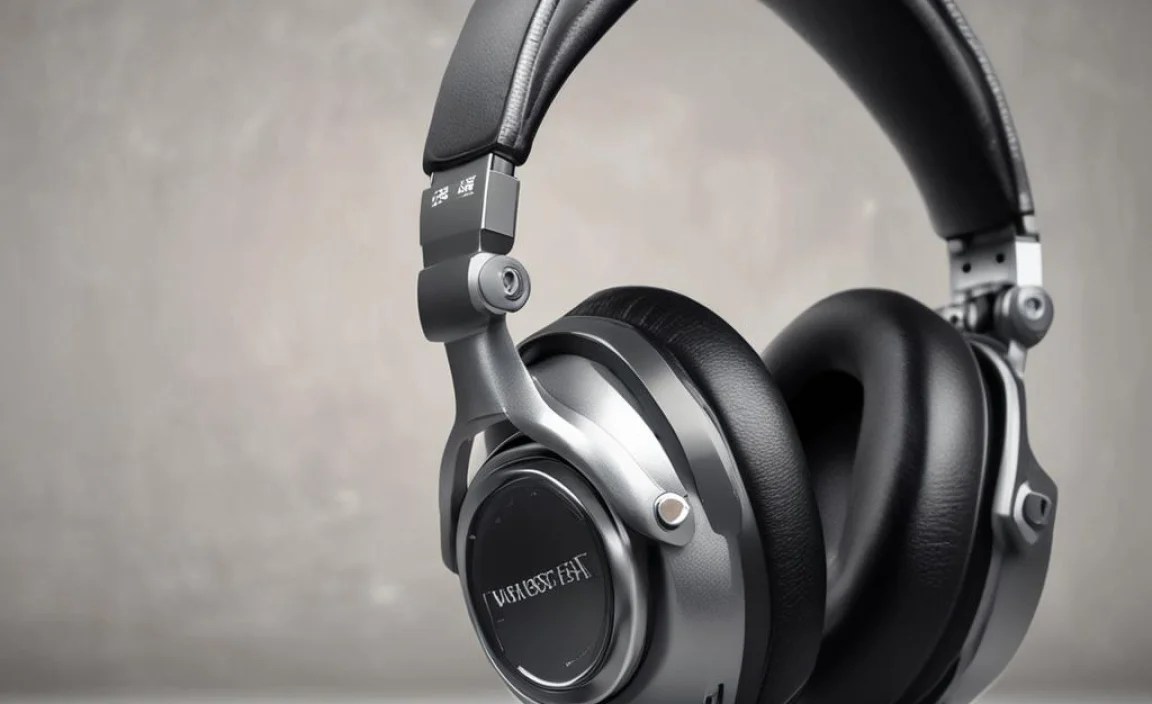
Overear vs. Onear vs. Inear: Key Differences. Benefits of Using Headphones Without a Microphone.
Headphones come in three main types: over-ear, on-ear, and in-ear. Each type has unique features. Over-ear headphones cover your ears fully. They block noise well and are often very comfy. On-ear headphones sit on your ears and feel lighter but might let some noise in. In-ear headphones fit snugly inside your ears, making them portable and great for workouts.
- Benefits of headphones without a mic:
- Ideal for listening to music.
- Lightweight and easy to carry.
- Less expensive than those with a mic.
Sound Quality Characteristics

Frequency Response: What You Need to Know. Impedance and Sensitivity Impact on Sound.
The magic of sound begins with frequency response. This is how well headphones can reproduce different sound waves. A good range, like 20 Hz to 20 kHz, means you’ll hear deep bass and sparkling highs. Then comes impedance and sensitivity. They play tag with your device’s power. Low impedance means easier driving; high sensitivity means louder sounds. Want to baffle your friends with audio knowledge? Tell them impedance makes sound like a turtle—slow and steady, while sensitivity jumps around like a lively kangaroo!
| Feature | Importance |
|---|---|
| Frequency Response | A wide range equals better sound |
| Impedance | Affects how much power headphones need |
| Sensitivity | Diction on volume levels |
Comfort and Fit

Importance of Earpad Materials. Adjustable Headbands and Their Benefits.
Comfort is key for enjoying music or movies. The materials used for earpads matter a lot. Soft materials like foam make headphones comfy during long use. This keeps your ears happy and helps you focus. Adjustable headbands are another great feature. They let you fit the headphones just right. A good fit means less pressure on your head. Here are some benefits:
- Custom comfort for every listener
- Reduced risk of ear fatigue
- Better sound isolation from outside noise
This makes your listening experience much better!
What Should I Look for in Earpad Materials?
Soft foams and breathable fabrics are best for comfort. They allow your ears to rest while you enjoy your favorite sounds.
Wired vs. Wireless Headphones
Advantages of Wired Headphones
. Pros and Cons of Bluetooth Connectivity.
Choosing between wired and wireless headphones can feel like picking between pizza and ice cream. Both are great! Wired headphones have some cool benefits. For instance, they offer clear sound quality and won’t run out of battery. Bluetooth headphones, on the other hand, provide freedom of movement. Just remember, if you forget to charge them, it’s like finding out there’s no pizza at the party! Here’s a quick look:
| Type | Advantages | Disadvantages |
|---|---|---|
| Wired | Better sound, no battery needed | Limited movement |
| Wireless | Freedom to move, no cords | May run out of battery, can lag |
In the end, it’s all about what you need. Are you ready to dance or chill? It’s your call!
Battery Life and Charging Considerations
Understanding Battery Life Metrics. Quick Charge vs. Standard Charging Time.
Battery life is like the stamina of your headphones. It tells you how long you can groove to your favorite tunes before needing a recharge. Typical batteries last anywhere from 15 to 30 hours. The charging method can affect this too. Quick charge features can give you hours of playtime with just a few minutes of charging, while standard charging can take longer and leave you waiting with a bored face.
| Charging Type | Time Needed | Playtime After Charge |
|---|---|---|
| Quick Charge | 15-30 minutes | 5-10 hours |
| Standard Charge | 1-2 hours | 20-30 hours |
So, choose wisely! A short charge with a quick burst of music can be a lifesaver. Remember, no one likes waiting around for a full charge when the dance party is just getting started!
Noise Isolation and Sound Cancellation
vs. Passive Isolation. Which Features Suit Different Environments.
Some headphones are like superheroes, fighting off noise from the outside world. Active Noise Cancellation uses tiny microphones to detect annoying sounds and then creates sound waves to cancel them out. It’s like battling distractions with magic! On the other hand, Passive Isolation simply blocks sound using cushy materials, like a cozy pillow for your ears. Different environments need different powers. If you’re on a bus, go for Active. At home, Passive might be your best buddy. Here’s a quick comparison:
| Feature | Active Noise Cancellation | Passive Isolation |
|---|---|---|
| Best for | Busy places | Quiet spaces |
| Comfort | Comfortably snug | Pillow-like |
| Cost | A bit pricier | Usually cheaper |
Now you can choose the right feature for your ears and enjoy your favorite tunes without interruptions. Happy listening!
Durability and Build Quality
Materials Used in Headphone Construction. Importance of Foldability and Portability.
Headphones are like the superheroes of sound, but their strength lies in their build! Most headphones are made from materials like plastic and metal, which help them survive the bumps and drops of everyday life. You wouldn’t want them to go “crash” every time you toss them into your bag! Foldability is key too—headphones should fold up like a good joke. Compact designs make them super portable, ideal for travel! Why carry a suitcase when you can carry sound?
| Material | Benefit |
|---|---|
| Plastic | Lightweight and flexible |
| Metal | Durable and sturdy |
| Foam | Comfortable for long use |
Brand and Model Recommendations
Top Brands for Quality Headphones Without Microphones. Notable Models to Consider in Each Category.
Finding the right headphones can feel like searching for a needle in a haystack, but fear not! Some top brands really know their stuff. Sony offers stunning sound quality with models like the WH-1000XM5. Bose is famous for comfort, with the SoundLink II standing out. Want something stylish? Try Beats for a fun vibe! Here’s a quick look at these brands and cool models:
| Brand | Notable Models |
|---|---|
| Sony | WH-1000XM5 |
| Bose | SoundLink II |
| Beats | Solo Pro |
With these options, your music will sound as sweet as candy!
How to Choose the Right Headphones for You
Personal Use Case Scenarios to Consider. Features to Prioritize Based on User Needs.
Choosing headphones can be fun! Think about how you plan to use them. Do you want to enjoy music at home or take them on the go? Consider key features to help you decide. Focus on:
- Comfort: Padding matters for long listening times.
- Sound Quality: Clear sound makes music enjoyable.
- Durability: Strong materials can last longer.
- Portability: Foldable designs are easy to carry.
Take time to figure out what fits your lifestyle best!
What features should I look for in headphones?
The best features depend on your needs. If you travel often, look for lightweight and foldable models. For home use, pick ones with great sound quality. Always check for comfort to keep enjoying your favorite tunes!
Conclusion
In summary, when choosing headphones without a mic, focus on comfort, sound quality, and battery life. Look for features like noise isolation and durability. These factors ensure a better listening experience. Now that you know what to look for, explore different models and see which ones suit your needs best. Happy listening!
FAQs
What Are The Key Features To Look For In Headphones Without A Microphone For Optimal Audio Quality?
When choosing headphones without a microphone, you should look for good sound quality. Check for large drivers, which help make sounds clearer. Comfortable fit is important, so you can wear them for longer. Try to find headphones with good noise isolation, so you can enjoy your music without distractions. Lastly, lightweight designs are great for easy wear.
How Do Different Headphone Designs (Over-Ear, On-Ear, In-Ear) Affect Comfort And Sound Experience Without A Mic?
Different headphone designs change how they feel and sound. Over-ear headphones cover your ears completely. This makes them comfy and blocks outside noise. On-ear headphones sit on your ears, which can feel tight after a while. In-ear headphones fit inside your ears, making them portable but sometimes uncomfortable. Each type gives a unique listening experience!
What Is The Importance Of Sound Isolation And Noise Cancellation In Headphones That Do Not Have A Microphone?
Sound isolation and noise cancellation help you enjoy music and movies better. Sound isolation blocks outside noise so you can hear clearly. Noise cancellation reduces unwanted sounds, making things quieter. This helps you focus or relax without distractions. It’s important for your listening experience!
How Does The Frequency Response Range Influence The Listening Experience Of Headphones Without A Mic?
The frequency response range shows how well headphones can play different sounds. It includes low sounds like drums and high sounds like birds chirping. If headphones have a wide range, you hear more details in music. This makes listening more enjoyable and exciting. So, good headphones can let you feel the music better!
What Are The Best Connectivity Options (Wired Vs. Wireless) For Headphones Without A Microphone, And What Are Their Advantages?
When choosing headphones without a microphone, you have two options: wired and wireless. Wired headphones connect with a cable. They usually sound better and never run out of battery. Wireless headphones connect through Bluetooth, which means no cords. They are great because you can move around easily without getting tangled.
