
Have you ever wondered why some headphones sound better than others? It all comes down to headphone impedance. This little number can make a big difference in how your music sounds. Understanding impedance helps you choose the right headphones for your needs.
Imagine you are at a concert. The music fills the air and makes you want to dance. Now, think about how your favorite songs feel on your headphones. Good sound can change your whole experience. What if I told you that headphone impedance plays a key role in that magic?
Many people don’t realize that impedance affects sound quality. A surprising fact is that headphones with high impedance usually deliver better sound, especially for pro audio. But what does that mean for your everyday listening? Let’s dive into the world of headphone impedance and discover what makes the top models stand out.
Exploring The Top Headphone Impedance For Optimal Sound Quality

Top Headphone Impedance

Have you ever wondered why some headphones sound better than others? The secret might be in their impedance. Impedance, measured in ohms, affects how headphones work with different devices. Lower impedance headphones, often below 32 ohms, are easier to drive. They work well with phones and tablets. Higher impedance headphones, like those above 250 ohms, need more power but can deliver richer sound. Choosing the right impedance can change how you enjoy music!
What is Headphone Impedance?

Definition of impedance in the context of headphones. Explanation of how impedance affects audio quality.
Impedance is like a gatekeeper for headphones. It measures how much they resist sound signals. Lower impedance means easier to drive, while higher impedance can lead to better sound quality. This means headphones with higher impedance may sound clearer and richer but need more power. When choosing headphones, understanding impedance can help you enjoy your music better.
What Does Headphone Impedance Affect?
Headphone impedance affects audio quality and how well they work with devices. Different devices work best with specific impedance levels.
Key Points:
- Higher Impedance: Great sound quality, needs more power.
- Lower Impedance: Easier to connect, less power needed.
Types of Headphone Impedance

Low impedance headphones (under 50 ohms). High impedance headphones (above 50 ohms).
Headphone impedance plays a big role in sound quality. Low impedance headphones, which are under 50 ohms, are perfect for portable devices. They need less power, making them easy to use on the go. However, they might not always deliver top-notch sound.
On the other hand, high impedance headphones, over 50 ohms, usually provide richer sound. They are ideal for professional setups like studios but need more power to shine. So, choose wisely. Your ears deserve the best!
| Impedance Type | Ohm Range | Best Used With |
|---|---|---|
| Low Impedance | Under 50 Ohms | Portable Devices |
| High Impedance | Above 50 Ohms | Professional Equipment |
Why Impedance Matters
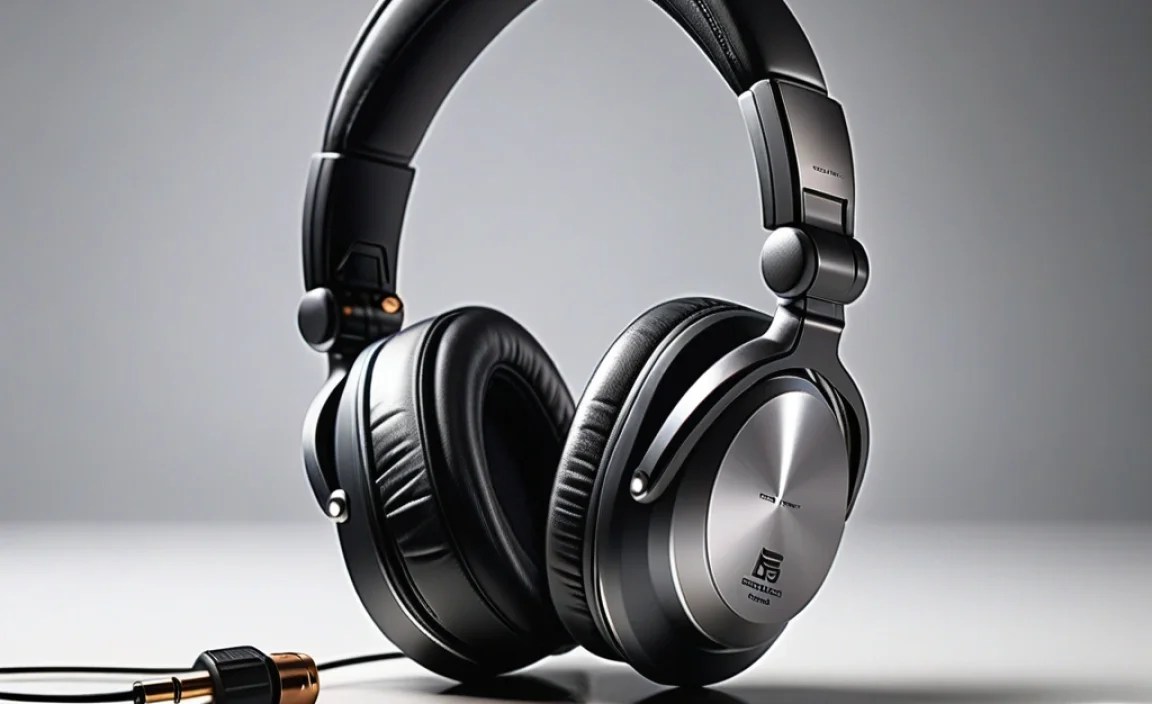
Impact on sound quality and audio performance. How impedance affects headphone compatibility with devices.
Most people don’t think about impedance in headphones, but it’s a game changer. Lower impedance means you can use your headphones with portable devices, like phones. Higher impedance is usually for big devices, giving clearer sound quality. Think of it as a dance floor; too many dancers (devices) trying to fit in can cause a jam! If you don’t match impedance, your tunes might sound fuzzy, like a cat trying to sing. Here’s a quick look:
| Impedance | Device Type | Sound Quality |
|---|---|---|
| Low (16-32 Ohms) | Phones, Tablets | Good |
| Medium (32-80 Ohms) | Laptops, MP3 Players | Better |
| High (80+ Ohms) | Home Audio, Studio Gear | Best |
So, remember, matching impedance is like finding the right partner for a dance. If you choose wisely, you’ll enjoy the smoothest moves in sound!
Choosing the Right Impedance for Your Needs
Recommendations for casual listeners vs. audiophiles. Considerations for portable devices vs. professional audio equipment.
Finding the right headphone impedance matters for how you listen. Casual listeners should choose low-impedance headphones. They work well with phones and tablets. Audiophiles, on the other hand, may prefer high impedance for better sound quality with professional gear.
- Casual Listeners: Low impedance (16-32 ohms)
- Audiophiles: High impedance (>=250 ohms)
- Portable Devices: Prefer low impedance
- Professional Equipment: Use high impedance
Choosing wisely gives you a sound experience you’ll enjoy.
What impedance should I choose for casual listening?
If you enjoy music on a phone, choose low impedance headphones. They make listening easy and fun!
Common Myths About Headphone Impedance
Debunking misconceptions about low vs. high impedance. Understanding the relationship between impedance and loudness.
Many people believe that low impedance headphones are always better for loudness. This is not true! High impedance headphones can actually be powerful too. It depends on the device used. Here are some important points:
- Low impedance headphones work well with small devices like phones.
- High impedance headphones often need special gear to shine.
- Impedance does not solely decide loudness; the headphone’s design matters.
Some myths say higher impedance means weak sound. This is wrong! Both types can offer great sound if used right. So, choose wisely based on your needs.
What is headphone impedance?
Impedance is a measure of resistance in headphones. It affects how they work with different devices.
Key points about impedance:
- Lower impedance suits portable devices.
- Higher impedance can give clearer sound with the right equipment.
Testing Headphone Impedance
Tools and methods for measuring impedance. How to interpret impedance readings for headphone selection.
Measuring headphone impedance can be like a science experiment, but without the lab coat! You can use a multimeter or an impedance analyzer. These tools help you find the ohms of your headphones. Lower numbers mean they’ll work better with phones, while higher numbers need more power. Here’s a simple table to make it clearer:
| Impedance Range | Best For |
|---|---|
| Below 32 Ohms | Smartphones and portable devices |
| 32 – 80 Ohms | Most audio devices |
| Above 80 Ohms | Home audio and professional equipment |
When you see the impedance reading, it’s like getting a superhero’s power level. Choose wisely to match your needs and avoid any headphone drama!
Conclusion
In summary, top headphone impedance affects sound quality and compatibility. Lower impedance (under 32 ohms) works well with phones and laptops. Higher impedance (above 32 ohms) suits high-end audio gear. Choose based on your devices. Experiment with different options to find your perfect sound. For more tips, consider exploring articles on headphone types and their uses!
FAQs
Sure! Here Are Five Related Questions On The Topic Of Top Headphone Impedance:
Headphone impedance is how much the headphones resist the flow of electricity. Lower impedance headphones need less power to sound good. You can easily use them with things like phones. Higher impedance headphones need more power to work well. If you use them with a small device, they might not sound as loud.
Sure! Just let me know the question you want me to answer, and I’ll be happy to help!
What Is Headphone Impedance, And Why Is It Important For Audio Performance?
Headphone impedance is the resistance that headphones have to electrical signals. It affects how much power they need from a device, like a phone or a computer. If the impedance is too high, you might need a special amplifier. This is important because the right impedance helps headphones sound their best. So, knowing about impedance can help you choose the right headphones for your devices.
How Does Headphone Impedance Affect Compatibility With Different Audio Devices, Such As Smartphones And Audio Interfaces?
Headphone impedance is like how hard it is for sound to travel through the headphones. Low impedance headphones work well with smartphones because they need less power. High impedance headphones are better for big audio devices like mixers and audio interfaces. You might not get loud sound from high impedance headphones if you use them with your phone. Choosing the right impedance makes sure you hear your music clearly!
What Are The Typical Impedance Ranges For Headphones, And What Types Of Headphones Fall Into These Ranges (E.G., Low, Medium, High)?
Headphones usually have three types of impedance levels: low, medium, and high. Low impedance headphones are about 16 to 32 ohms. They are easy to use with phones and tablets. Medium impedance headphones are around 32 to 80 ohms and work well with computers. High impedance headphones are 100 ohms and above, and they often need special equipment to sound their best.
How Does High Impedance In Headphones Contribute To Audio Quality, And What Are The Trade-Offs Compared To Low Impedance Headphones?
High impedance headphones usually sound better because they can handle more power. This helps make the music clearer and nicer to listen to. However, they need special devices, like amps, to work well. Low impedance headphones are easier to use but might not sound as good. So, you choose based on how you want to listen!
What Factors Should Consumers Consider When Choosing Headphones Based On Impedance, Especially For Specific Applications Like Studio Monitoring Or Casual Listening?
When choosing headphones, you should think about how you will use them. For studio monitoring, look for headphones with low impedance. This means they can work well with your music tools. For casual listening, you can pick headphones with higher impedance. They might be better for phones and computers. Always try to listen to a few pairs to find what sounds best to you!
